Source Full Suspension Enduro E-Bike Frame for Racing, Trail, and Commuting
Explore 30 listings for the full suspension enduro e-bike frame, featuring aluminum and carbon options with integrated batteries. Buyers can compare motor compatibility, tire sizes, and weights to find suitable frames for racing, trail riding, and commuting applications.
Key considerations
Products List


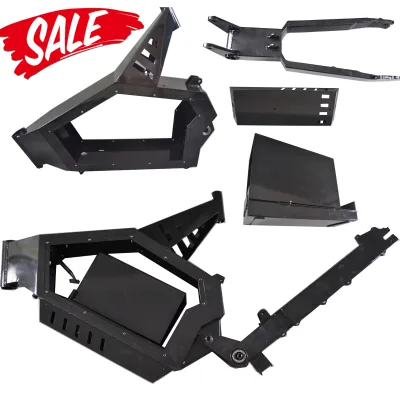
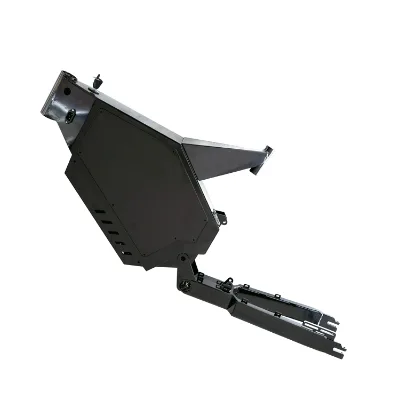
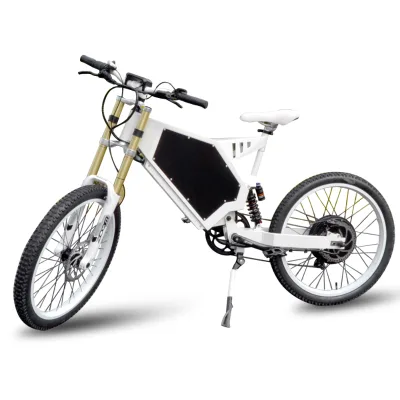
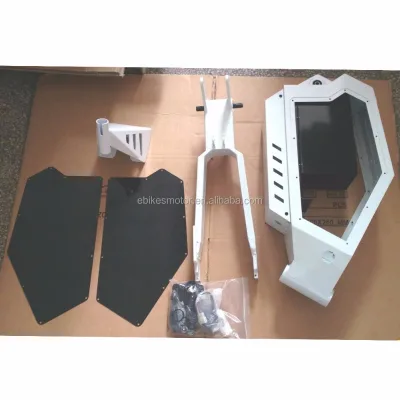
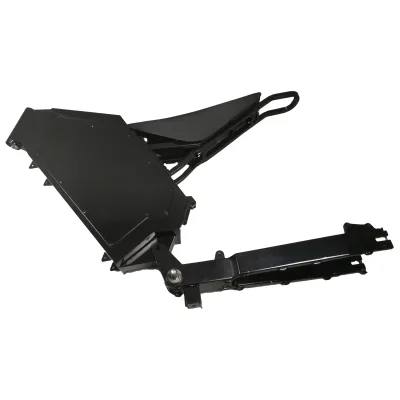
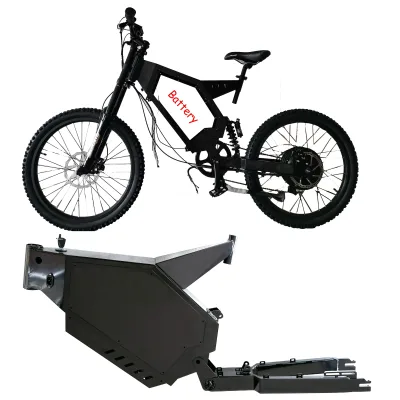
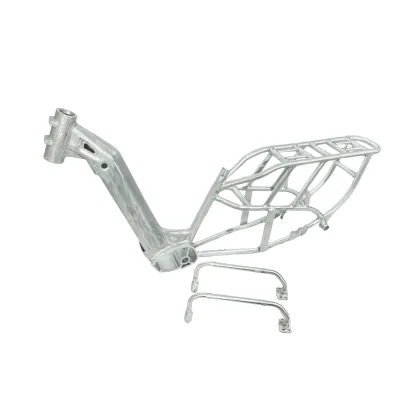
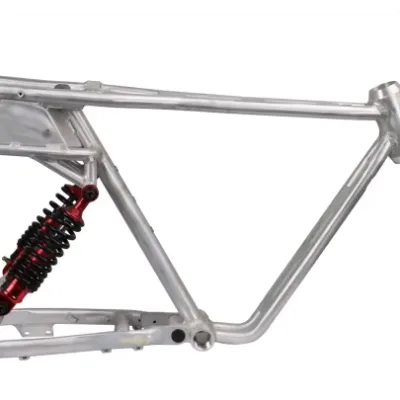
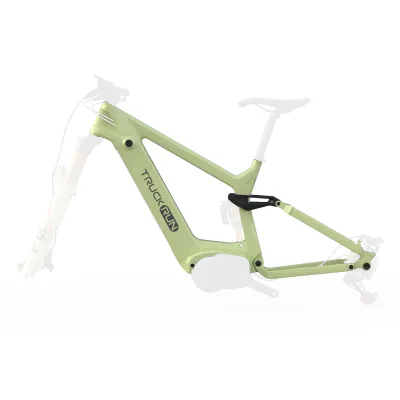
Shimano E8000 Electric Bicycle Accessories Carbon E-Bike Full Enduro Suspension Frame
$600.00 - $680.00
MOQ: 20 Pieces




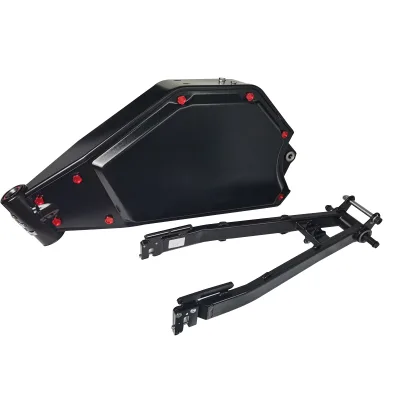
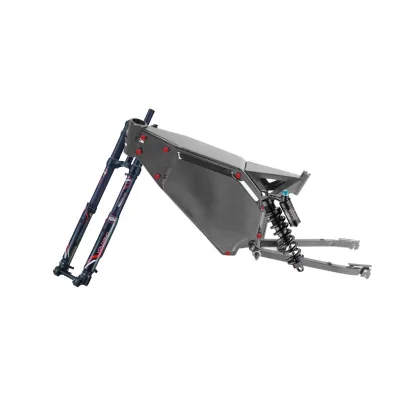
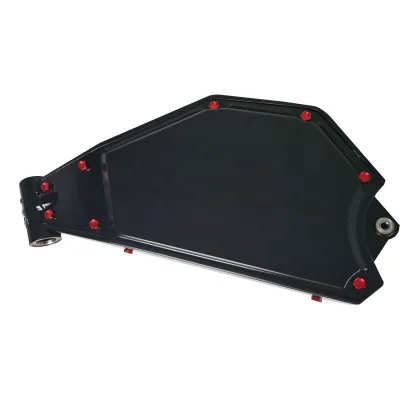
Comprehensive Sourcing Guide
Full Suspension Enduro E-Bike Frame Sourcing Guide
Sourcing a full suspension enduro e-bike frame requires a disciplined approach to technical verification and supplier qualification. The market offers a diverse range of aluminum and carbon fiber options, each tailored to specific motor integrations and suspension geometries. Buyers must navigate a landscape where frame weights, shock sizes, and tire clearances vary significantly between models. This guide provides a structured framework for evaluating these components, ensuring that procurement decisions align with both performance requirements and commercial viability.
The following sections detail the critical aspects of sourcing these frames, from interpreting listing signals to verifying long-term supplier reliability. By focusing on evidence-based criteria, buyers can mitigate risks associated with compatibility issues, quality inconsistencies, and regulatory non-compliance. The goal is to establish a clear understanding of the product scope, technical specifications, and commercial terms that define a successful procurement cycle for high-performance e-bike frames.
Product Scope and Observed Listing Signals
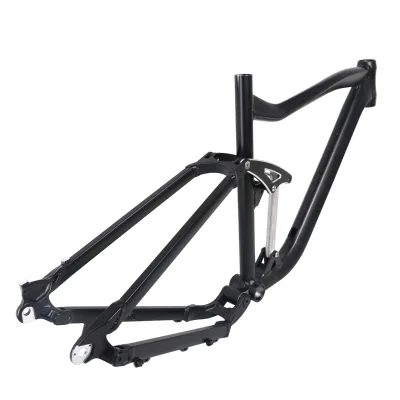
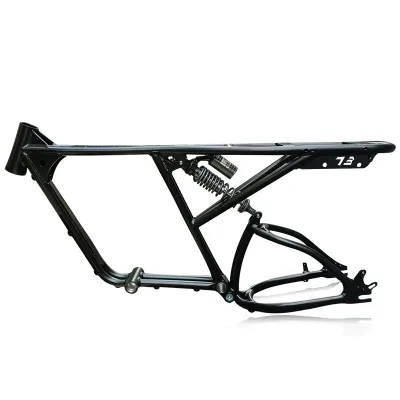
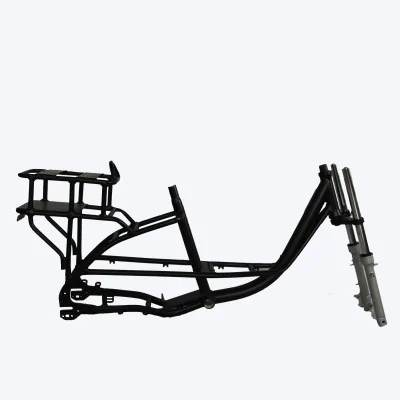
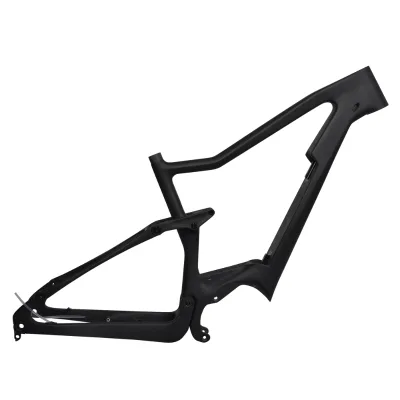
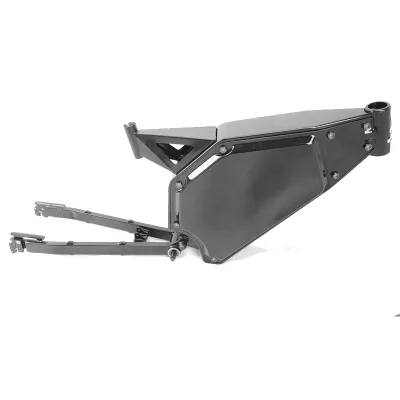
The current market for full suspension enduro e-bike frames presents a wide variety of configurations, primarily centered around aluminum alloy and carbon fiber materials. Listings indicate a strong preference for lightweight, racing-type designs, with frame weights ranging from approximately 2.5 kg to nearly 4 kg depending on the material and size. Aluminum frames, such as those associated with models like E6020S and E7020S, typically weigh around 3.88 to 3.92 kg, while carbon fiber options, like the E1060S, offer a lighter profile at roughly 2.5 kg. These variations directly impact the final bike’s performance, with lighter frames favoring agility and heavier frames potentially offering enhanced durability for aggressive riding.
Motor integration is a key differentiator among available frames, with suppliers offering compatibility for major mid-drive systems. Commonly supported motors include the Bafang G510 1000W, Bafang G521/M600 500W, and the Shimano Steps E8000. The frame design must accommodate the specific dimensions and mounting requirements of these motors, often featuring integrated downtubes for battery storage. For instance, some frames are designed for built-in integrated downtube batteries, while others support specific battery models like the Shimano E8020 or Bafang-specific packs. Buyers must ensure that the selected frame matches their chosen powertrain to avoid costly modifications or compatibility failures.
Technical Specifications to Verify
Suspension geometry and shock compatibility are critical technical parameters that must be verified before procurement. Frames are designed with specific shock sizes, such as 190x50mm or 200x51mm, and corresponding travel distances, typically around 150 mm for enduro applications. The dropout specifications, often 148x12mm, must align with the rear wheel and axle standards of the intended build. Additionally, tire clearance is a vital consideration, with frames supporting various tire widths, such as 27.5x3.00, 29x2.35, or 27.5x2.80. Buyers should confirm that the frame’s internal routing and physical dimensions can accommodate the desired tire size without interference.
Frame sizing and wheel compatibility also require careful attention. Available sizes often include 15.5", 17.5", 19", and 17", catering to different rider heights and preferences. Wheel sizes are predominantly 27.5", with some models supporting 27.5" Plus or 29" wheels. The integration of the motor and battery into the frame structure, such as the Bafang G510 or Shimano Steps E8000, must be seamless to maintain structural integrity and aesthetic appeal. Buyers should request detailed CAD drawings or technical sheets to verify these dimensions and ensure that the frame meets the specific engineering requirements of their e-bike design.
Compliance and Safety Documentation
Certification and material safety are paramount when sourcing e-bike frames, particularly for markets with strict regulatory standards. Many suppliers provide ISO certification, which serves as a baseline for quality management systems. However, buyers should verify if additional certifications, such as those specific to bicycle safety or material composition, are available. The use of aluminum alloy and carbon fiber materials must comply with relevant environmental and safety regulations, ensuring that the frames are free from harmful substances and meet durability standards.
Documentation regarding the frame’s structural integrity and load-bearing capacity should be requested from suppliers. This includes test reports or engineering analyses that confirm the frame can withstand the stresses associated with enduro riding and the additional weight of e-bike components. Buyers should also inquire about the warranty terms and after-sales support provided by the supplier, as these factors can significantly impact long-term reliability and customer satisfaction. Ensuring that all compliance documentation is up-to-date and verifiable is essential for avoiding legal and safety issues in the final product.
Cost Drivers and Commercial Terms
The cost of full suspension enduro e-bike frames is influenced by several factors, including material type, motor compatibility, and customization options. Carbon fiber frames generally command a higher price due to their lightweight properties and complex manufacturing processes, while aluminum frames offer a more cost-effective alternative. Customization services, such as specific color finishes or tailored geometry adjustments, can also impact the final price. Buyers should obtain detailed quotes that break down these costs to understand the value proposition of each option.
Minimum Order Quantities (MOQ) and packing specifications are important commercial terms to consider. Listings indicate MOQs ranging from 1 to 100 units, with packing typically consisting of 2 units per carton. These terms can affect inventory management and cash flow, so buyers should negotiate terms that align with their production schedules and storage capabilities. Additionally, lead times and payment terms should be clearly defined to avoid delays and financial risks. Understanding the total cost of ownership, including shipping and handling, is crucial for accurate budgeting and profitability analysis.
Supplier Qualification and Quality Control
Supplier qualification is a critical step in ensuring the reliability and consistency of the sourced frames. Buyers should conduct thorough due diligence on potential suppliers, verifying their production capabilities, quality control processes, and track record in the industry. This includes assessing their ability to meet specific technical requirements and their responsiveness to custom orders. Suppliers with a history of producing high-quality frames for reputable brands are often a safer choice, as they are more likely to adhere to strict quality standards.
Quality control measures should be implemented throughout the procurement process, from initial sampling to final delivery. Buyers should request samples to evaluate the frame’s build quality, finish, and compatibility with intended components. Regular inspections and audits can help identify and address any quality issues early in the production cycle. Establishing clear communication channels with the supplier is also essential for resolving any discrepancies or concerns promptly. A robust quality control strategy ensures that the final product meets the buyer’s expectations and maintains brand reputation.
Long-Term Procurement Checks
Long-term procurement success depends on establishing a sustainable relationship with suppliers and continuously monitoring performance. Buyers should regularly review supplier performance metrics, such as on-time delivery rates, defect rates, and responsiveness to issues. This data can help identify potential problems and drive continuous improvement in the supply chain. Additionally, staying informed about industry trends and technological advancements can help buyers make informed decisions about future frame selections and upgrades.
Flexibility and adaptability are key to navigating changes in market demand and regulatory requirements. Buyers should maintain a diversified supplier base to mitigate risks associated with single-source dependencies. Regularly updating technical specifications and compliance requirements ensures that the sourced frames remain relevant and compliant with evolving standards. By fostering a collaborative relationship with suppliers and maintaining a proactive approach to procurement, buyers can secure a reliable supply of high-quality full suspension enduro e-bike frames for their operations.
FAQs
What motor systems are compatible with these frames?
These frames support Bafang G510, G521, M600, and Shimano Steps E8000 mid-drive motors. Specific compatibility depends on the model, such as the E6020S for Bafang G510 or the E1060S for Shimano E8000 systems.
Which materials are used for the frame construction?
Frames are constructed from either Aluminum Alloy or Carbon Fiber depending on the specific model. The Aluminum Alloy options offer durability, while Carbon Fiber models like the E1060S provide a lighter weight of 2500 grams.
Can I find frames with integrated battery downtubes?
Yes, many models feature an integrated downtube for the battery. Options include built-in integrated downtubes for Shimano E8020 batteries or integrated lithium batteries like the Bt03-450 and Bt04-600 for Bafang systems.
What are the available wheel size and tire options?
The frames accommodate 27.5-inch or 29-inch wheels with varying tire widths. Maximum tire sizes range from 27.5x2.35 to 29x2.35, with some models supporting up to 27.5x3.00 or 29x2.30 depending on the suspension design.
Are these frames available with customization options?
Customization is available for these full suspension enduro e-bike frames. Buyers can request specific styles like racing type or light weight configurations, and the frames are supplied in cartons with two units per carton.
What is the weight range for these suspension frames?
Frame weights vary significantly based on material and size, ranging from 2500 grams for carbon models to 3920 grams for aluminum versions. Specific weights include 3880 grams for the 18.5-inch model and 3920 grams for the 17-inch aluminum frame.
Do these frames meet international safety certifications?
Yes, the products are certified under ISO standards. This certification applies to the manufacturing process and ensures the frames meet specific quality and safety requirements for full suspension mountain bike applications.