Source Full Stainless Steel Pressure Gauge for Industrial Use
Find 30 Full Stainless Steel Pressure Gauge options from China. Compare models like Y-100B-F and 118, featuring 304/316SS cases, radial or bottom mounting, and corrosion-resistant designs for civil and industrial applications; compare the available evidence and request quotations based on your requirements.
Updated
Key considerations
Products List


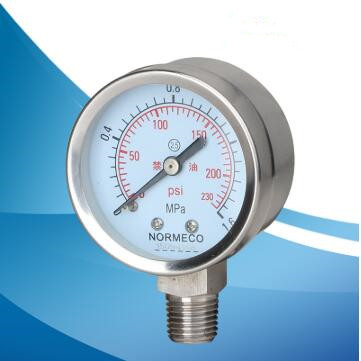


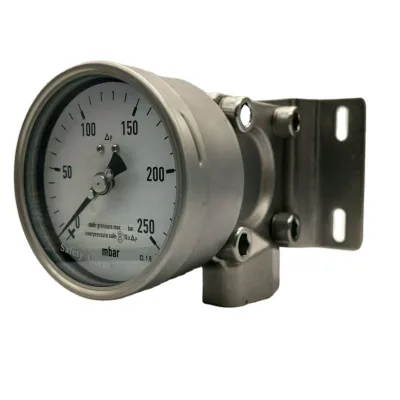
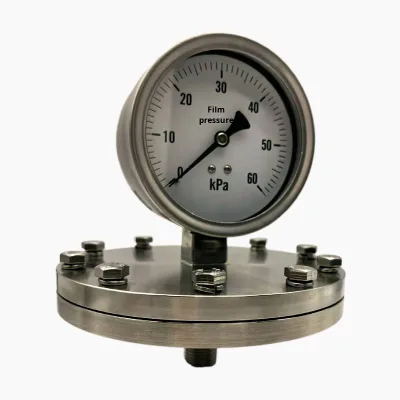
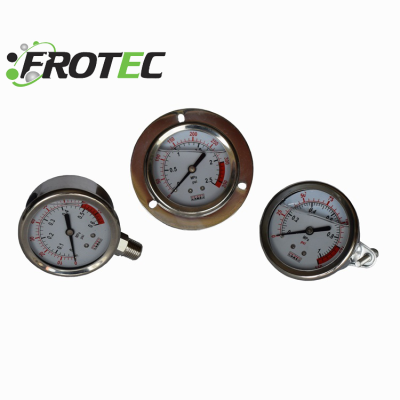
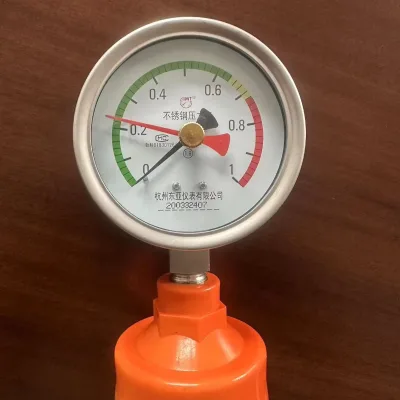
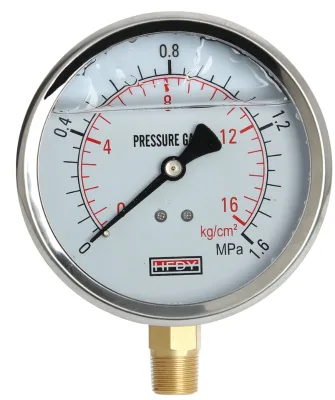
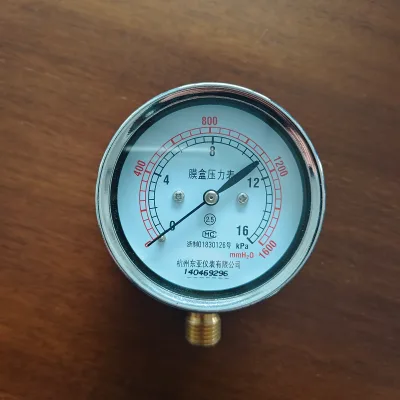
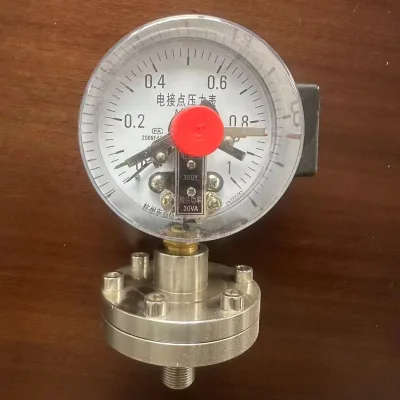
Comprehensive Sourcing Guide
Full Stainless Steel Pressure Gauge Sourcing Guide
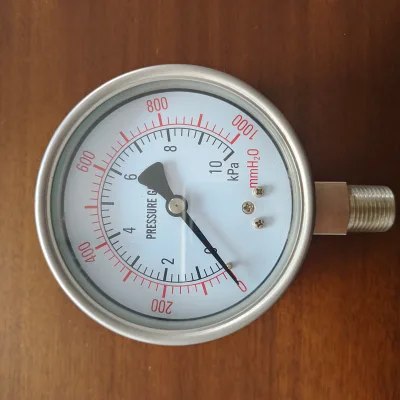
Procuring full stainless steel pressure gauges requires careful attention to material composition and environmental resistance, as these instruments are critical for maintaining system integrity in corrosive industrial settings. Buyers must verify that the case material is explicitly 304 stainless steel or higher, ensuring the device can withstand harsh chemical exposures without degradation. The observed market data indicates a strong preference for corrosion-resistant features, which directly impacts the longevity of the gauge in demanding civil and industrial applications.
When evaluating listings, procurement teams should scrutinize the specific connection types and mounting structures to ensure compatibility with existing piping systems. The available data highlights radial and bottom mounting options alongside various connection sizes like 1/8", 1/4", and M20*1.5, which are essential for seamless integration. Selecting the correct installation structure, such as direct mounting or panel mounting, prevents mechanical stress on the gauge and ensures accurate pressure readings over the device's operational lifespan.
Product Scope and Observed Listing Signals
The current market for full stainless steel pressure gauges presents a diverse range of models, including specific series like Y-100B-F and SS-A, which cater to different pressure measurement needs. Buyers will observe a wide price spectrum ranging from approximately 1.9 to 617.32 USD, reflecting variations in dial size, accuracy class, and material quality. This variance necessitates a clear definition of requirements before engaging with suppliers, as the lowest price may not guarantee the necessary durability for high-pressure applications.
Listing signals often include specific dial diameters such as 60mm, 100mm, and 150mm, alongside smaller sizes like 1.5 inches and 2.5 inches, which dictate the visibility and readability of the pointer display. The observed minimum order quantities (MOQ) vary significantly from 1 to 500 units, allowing flexibility for both small-scale projects and large industrial deployments. Understanding these listing signals helps buyers align their procurement strategy with the actual availability of standardized versus customized products in the supply chain.
Technical Specifications to Verify
Technical verification must begin with the accuracy class and measuring range, as these parameters define the gauge's reliability in civil and industrial environments. The observed data suggests a focus on medium-pressure gauges with general pressure reference standards, but buyers must confirm the specific accuracy application for their unique process requirements. Ensuring the device meets the required precision is vital, as even minor deviations can lead to significant operational inefficiencies or safety hazards in critical systems.
Material specifications for the internal and external components are equally critical, with the socket often requiring 316 stainless steel for enhanced corrosion resistance in aggressive media. Buyers should verify the lens material, which is typically polycarbonate or glass, to ensure it can withstand potential over-pressure events up to 130% of the full scale value. Additionally, confirming the pressure limitation for steady and fluctuating conditions ensures the gauge will not fail under dynamic load scenarios common in industrial fluid systems.
Compliance and Safety Documentation
While specific certification status like CE is noted in background data, buyers must request explicit compliance documentation from suppliers to validate safety standards for their specific jurisdiction. The absence of guaranteed certification in the provided facts means that procurement teams cannot assume compliance without direct verification from the manufacturer. It is essential to obtain test reports or certificates that confirm the gauge meets local safety regulations, particularly for applications involving high-pressure fluids or hazardous environments.
Safety features such as the over-pressure limitation and the robustness of the U-clamp material are key indicators of a gauge's ability to operate safely under stress. Buyers should verify that the product includes a warranty, typically observed as a one-year period, which serves as a baseline for quality assurance and supplier accountability. Ensuring that the supplier provides clear documentation on pressure limitations and material certifications protects the buyer from liability and ensures the equipment performs reliably in the field.
Cost Drivers and Commercial Terms
The final cost of a Full Stainless Steel Pressure Gauge is heavily influenced by the customization options available, such as specific connection types, dial sizes, and material grades. Buyers should anticipate that customized configurations, including special mounting types or unique connection threads, will incur higher unit costs compared to standard off-the-shelf models. Understanding these cost drivers allows procurement teams to balance budget constraints with the technical necessity of customizing the gauge for specific application requirements.
Commercial terms regarding delivery time and packaging are also significant factors in the total cost of ownership, with observed lead times averaging around one month. The standard export packing or carton packaging observed in listings helps protect the gauge during transit, but buyers must confirm if additional protective measures are needed for fragile components. Negotiating clear terms for delivery and packaging ensures that the equipment arrives in perfect condition, minimizing the risk of damage and the associated costs of replacement or repair.
Supplier Qualification and Quality Control
Supplier qualification should focus on the origin of the product, with observed manufacturing locations including Shanghai and Anhui in China, which are known hubs for industrial instrumentation. Buyers must verify the supplier's production capabilities and quality control processes to ensure consistency in manufacturing standards across different batches. The presence of specific product models and standards in the supplier's catalog indicates a level of specialization that can be leveraged for reliable long-term supply.
Quality control checks should include verifying the consistency of material grades, such as the use of 304 stainless steel for cases and 316 stainless steel for sockets, across all supplied units. Buyers should request evidence of the supplier's ability to maintain the specified accuracy and pressure limitations, as these are critical for the gauge's performance. Establishing a robust quality control protocol with the supplier ensures that every unit delivered meets the rigorous demands of industrial and civil applications.
Long-Term Procurement Checks
Long-term procurement success depends on establishing a reliable supply chain that can consistently meet the evolving needs of the organization. Buyers should monitor the supplier's ability to maintain lead times and manage inventory levels, especially for specialized models like the 118 or 271 series that may have longer production cycles. Regular communication with the supplier ensures that any changes in product specifications or availability are communicated promptly, preventing unexpected disruptions in operations.
Continuous evaluation of the gauge's performance in the field is essential for validating the initial selection and identifying any potential issues with durability or accuracy. Buyers should track the warranty claims and return rates to assess the long-term reliability of the product and the supplier's responsiveness to quality issues. By maintaining a proactive approach to supplier management and product performance monitoring, organizations can ensure the continued efficiency and safety of their pressure measurement systems.
FAQs
What materials are used for the case and socket?
The case is typically made from 304 stainless steel or general stainless steel to ensure durability and corrosion resistance. The socket may be constructed from 316 stainless steel for enhanced performance in harsh environments. These material choices support the gauge's suitability for civil and industrial applications where reliability is critical.
Which connection sizes are available for these gauges?
Available connection types include 1/8 inch, 1/4 inch, 3/8 inch, 1/2 inch, and M20x1.5 threads. Some models also offer M10x1 or M14x1.5 options. These radial or bottom mounting connections allow for flexible installation in various industrial setups, ensuring compatibility with standard piping systems and pressure sources.
Can the product be customized for specific needs?
Yes, customization is available for these pressure gauges. Buyers can request specific dial sizes, such as 60mm, 100mm, or 150mm, and various mounting structures like bottom or back mounting. This flexibility allows the equipment to meet precise civil and industrial application requirements, including specific accuracy levels and pressure ranges.
What is the typical delivery time for orders?
The standard delivery time is approximately one month. This lead time applies to general orders for full stainless steel pressure gauges. Buyers should consider this timeframe when planning procurement schedules. The products are typically packed in cartons or standard export packaging to ensure safe transit from origins like Shanghai or Anhui.
What accuracy levels are supported for industrial use?
These gauges support accuracy levels suitable for civil and industrial applications. They are designed as spring pressure gauges with local indication types. The measuring range covers medium-pressure applications, and the devices feature corrosion-resistant properties. This ensures reliable performance and precise readings in demanding operational environments across various sectors.
What warranty is provided with the pressure gauges?
A one-year warranty is typically provided for these products. This coverage applies to the full stainless steel pressure gauges, ensuring quality assurance for buyers. The warranty supports the reliability of the devices, which are manufactured in China. Buyers can rely on this guarantee for peace of mind during initial deployment and operation.