Source Fumigated Wooden Wire Spool for Cable, Wire, and Winding
Compare 30 listings for Fumigated Wooden Wire Spool designed for cable, ferrous and non-ferrous wire, and winding applications. Buyers can evaluate specifications like flange thickness, barrel material, and customization options from suppliers in Shandong, China.
Key considerations
Products List


$1.00 - $100.00
MOQ: 1000 Pieces


Heavy Loading Capacity Empty Steel Corrugated Spool for Large Wire and Cable
$50.00 - $500.00
MOQ: 1 Pieces



Comprehensive Sourcing Guide
Fumigated Wooden Wire Spool Sourcing Guide
Product Scope and Observed Listing Signals
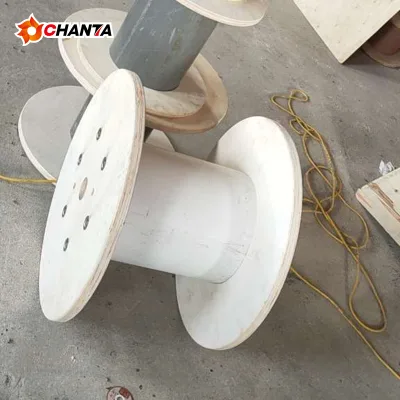
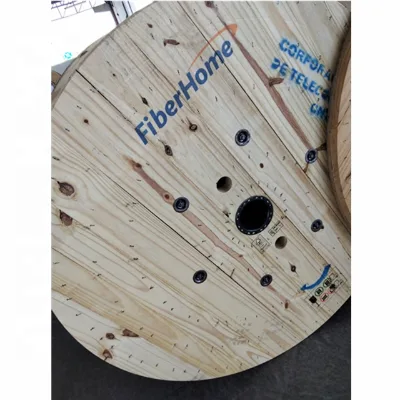
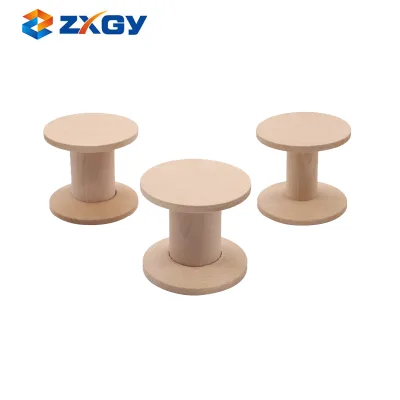
The market for wooden wire spools and cable drums presents a diverse array of configurations, ranging from simple plywood reels to complex assemblies featuring metal or PVC barrels. Current listings indicate a strong emphasis on customization, with suppliers offering tailored solutions for winding ferrous and non-ferrous wires. The observed product range includes items explicitly described as wooden cable drums, often constructed from plywood, alongside variations that incorporate galvanized iron wire or nylon-coated surfaces. Buyers should note that while the core keyword emphasizes "fumigated" wood, the supplied data highlights materials such as plywood and metal, suggesting that fumigation is a critical verification point rather than a guaranteed default attribute for every listing.
Commercial signals reveal a wide variance in pricing and minimum order quantities, reflecting the bespoke nature of these industrial components. Prices observed in the market span from low-cost individual units to high-value bulk orders, with minimum order quantities ranging from single items to thousands of pieces. This disparity underscores the importance of distinguishing between standard off-the-shelf drums and custom-engineered solutions. Suppliers frequently advertise capabilities for OEM and ODM services, allowing buyers to specify dimensions, load capacities, and surface treatments. The presence of terms like "Long Service Life" and "Moistureproof" suggests that durability and environmental resistance are key selling points, yet buyers must verify these claims against specific product datasheets.
Technical Specifications to Verify
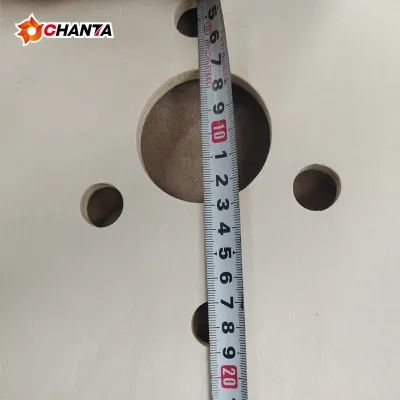
Dimensional accuracy and structural integrity are paramount when selecting a wooden wire spool. Key specifications to verify include flange thickness, which can range from 8mm to 30mm, and flange diameter, typically spanning 200mm to 1000mm. These dimensions directly impact the spool's ability to support specific cable weights and diameters. Additionally, the barrel material is a critical decision point; while some drums are entirely wooden, others may feature barrels made of metal, PVC, or paper. Buyers must confirm the compatibility of the barrel material with the wire type, especially if the wire is sensitive to corrosion or requires specific surface treatments like nylon coating.
Load capacity and weight distribution are equally important technical factors. The observed data indicates that roll weights can reach up to 380kg, necessitating robust construction to prevent deformation under load. Single package sizes and gross weights vary, with some units weighing as little as 1kg while others are significantly heavier. It is essential to verify the single gross weight and the overall capacity of the drum to ensure it aligns with your winding machinery and logistics requirements. Furthermore, the wire diameter compatibility, often cited between 0.7mm and 2mm, should be cross-referenced with your specific production needs to avoid mismatches that could lead to winding inefficiencies or cable damage.
Compliance and Safety Documentation
Fumigation and phytosanitary compliance are non-negotiable for wooden packaging materials used in international trade. Buyers must request proof of fumigation treatment to ensure the wood meets the International Standards for Phytosanitary Measures (ISPM 15). This documentation is crucial for preventing the spread of pests and ensuring smooth customs clearance in destination countries. Without valid fumigation certificates, shipments may be rejected, destroyed, or subjected to costly re-treatment at the port of entry. Therefore, verifying the supplier's ability to provide up-to-date and recognized phytosanitary certificates is a primary step in the qualification process.
Safety and handling documentation should also be thoroughly reviewed. Wooden spools must be constructed to withstand the stresses of transportation and storage without failing. Buyers should inquire about the hardness and rigidity of the wood, as well as the quality of the fasteners and joints used in assembly. The surface treatment, whether it involves nylon, PET, or other coatings, should be documented to ensure it does not introduce contaminants to the wire. Additionally, verifying the condition of the product as "New" and ensuring that all components are free from defects is essential for maintaining safety standards in your facility.
Cost Drivers and Commercial Terms
The cost of wooden wire spools is influenced by several factors, including material selection, customization level, and order volume. Plywood and metal components contribute significantly to the base price, while custom dimensions and surface treatments add to the complexity and cost. Suppliers offering OEM or ODM services may charge additional fees for design and engineering work. Buyers should also consider the packaging method, as options like pallets, wooden cases, or containerized bulk shipping can affect the final landed cost. Understanding these cost drivers allows for more accurate budgeting and negotiation.
Commercial terms such as minimum order quantities (MOQ) and payment terms play a crucial role in the procurement strategy. The observed MOQ range of 1 to 5000 units indicates flexibility, but larger orders often yield better unit prices. Buyers should negotiate terms that align with their production cycles and storage capabilities. Lead times are another critical factor, especially for custom orders. While specific lead times are not provided in the general data, buyers should establish clear timelines with suppliers to avoid production delays. Additionally, clarifying responsibilities for shipping and insurance is essential to manage risk and ensure timely delivery.
Supplier Qualification and Quality Control
Supplier qualification begins with verifying their manufacturing capabilities and quality control processes. Buyers should assess the supplier's experience in producing wooden cable drums and their ability to meet specific technical requirements. Requesting samples is a practical way to evaluate the quality of materials, construction, and finish. Suppliers who offer customization should demonstrate their ability to adhere to precise specifications, including dimensions, load capacities, and surface treatments. It is also important to verify the supplier's location, with many manufacturers based in regions like Shandong, China, known for their woodworking and packaging industries.
Quality control measures should be clearly defined and agreed upon before production begins. This includes inspections for material defects, structural integrity, and compliance with fumigation standards. Buyers may consider third-party inspection services to verify product quality before shipment. Establishing a clear protocol for handling defects or non-conforming products is also essential. Suppliers who are transparent about their quality control processes and willing to accommodate inspections are generally more reliable partners. Building a strong relationship with a qualified supplier can lead to consistent quality and improved service over time.
Long-Term Procurement Checks
Long-term procurement success depends on continuous monitoring of supplier performance and product quality. Regular audits and feedback loops help identify potential issues early and ensure that suppliers maintain their standards. Buyers should track key performance indicators such as on-time delivery, product defect rates, and responsiveness to issues. Maintaining open communication with suppliers allows for collaborative problem-solving and continuous improvement. Additionally, staying informed about changes in regulations, such as fumigation requirements, ensures ongoing compliance.
Evaluating the total cost of ownership is another critical aspect of long-term procurement. This includes not only the purchase price but also costs related to storage, handling, and potential waste due to product failure. By analyzing these factors, buyers can make informed decisions that optimize their supply chain efficiency. Regularly reviewing supplier contracts and negotiating terms based on performance can lead to better value and stronger partnerships. Ultimately, a proactive approach to supplier management ensures a stable and reliable supply of wooden wire spools, supporting your production goals and business growth.
FAQs
What material is used for the wooden cable drum?
The wooden cable drum is constructed from plywood. This material ensures durability and supports the winding of ferrous and non-ferrous wires. The product features a long service life and is designed to be moistureproof for various industrial applications.
Can the product be customized for specific needs?
Yes, customization is available for this wooden cable drum. Buyers can request specific colors, flange thicknesses ranging from 8mm to 30mm, and flange diameters between 200mm and 1000mm. The manufacturer accepts OEM or ODM services to meet unique requirements.
Which specifications define the flange dimensions?
The flange thickness ranges from 8mm to 30mm, while the flange diameter spans from 200mm to 1000mm. These dimensions accommodate different cable winding needs. The product is available in various models to suit specific industrial winding applications.
How is the product packaged for shipping?
The product is typically packed with a pallet or in a wooden case. Some options include iron drums with pallets or bulk packages. The single package size is approximately 40x25x30 cm, ensuring safe transport for the wooden cable drum.
What is the origin of the wooden cable drum?
The product originates from Shandong, China. This location is known for manufacturing industrial packaging solutions. The goods are shipped as new condition items with features like moistureproofing and rigid hardness suitable for heavy-duty winding tasks.
Can the barrel material be changed to metal or PVC?
Yes, the barrel material can be metal, PVC, or paper depending on the order. This flexibility allows the drum to handle different wire types effectively. The inner wire is often galvanized iron wire to prevent corrosion during storage and transport.
What is the weight capacity of the drum?
The roll weight capacity is up to 380kg for the standard configuration. The single gross weight is 1.000 kg, while the product weight is listed as 3 kg. Customization is available for capacity needs to match specific industrial winding requirements.