Source Fumed Silica Powder for Coatings, Rubber, and Plastics
Compare 28 listings of fumed silica powder from verified Chinese suppliers. Buyers can evaluate grades, packaging options, and applications including water treatment, cosmetics, and industrial additives to find the right material for their needs; compare the available evidence and request quotations based on your requirements.
Key considerations
Products List






Comprehensive Sourcing Guide
Fumed Silica Powder Sourcing Guide
Procuring fumed silica powder requires a nuanced understanding of its distinct physicochemical properties compared to precipitated or silica gel alternatives. This guide synthesizes observed market signals and technical realities to help buyers navigate the complex landscape of silicon dioxide suppliers. By focusing on verified attributes such as grade standards, packaging formats, and origin locations, purchasers can mitigate risk and ensure alignment with their specific industrial or cosmetic requirements.
The following sections provide a structured approach to evaluating listings, verifying technical specifications, and assessing supplier reliability. We emphasize evidence-based decision-making, drawing only from confirmed product data and established industry knowledge. This disciplined approach ensures that sourcing strategies are grounded in factual observations rather than speculative claims, leading to more robust supply chain outcomes and consistent product quality.
Product Scope and Observed Listing Signals
Market listings for fumed silica reveal a diverse array of product models and packaging configurations, reflecting the material’s versatility across multiple industries. Observed data indicates models such as GESEESIL 200, TNN11, and generic identifiers like "Silica matting agent" or "Hydrophobic Silica." These variations suggest that buyers must carefully distinguish between standard industrial grades and specialized formulations, as the term "fumed silica" may encompass both hydrophilic and hydrophobic variants depending on surface treatment.
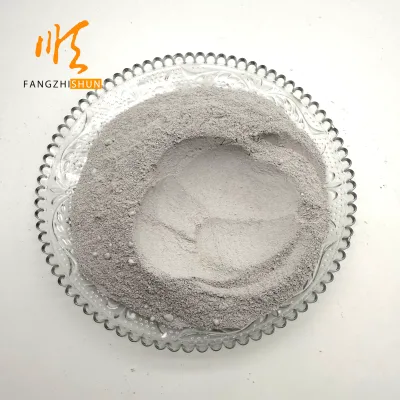
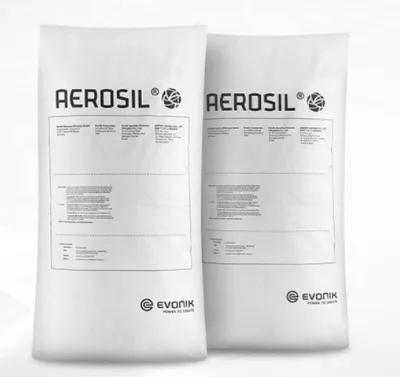
Packaging observations further highlight the need for precise specification matching. Listings show products packed in 10kg bags, wooden boxes, or kraft paper bags with trays or pallets. The presence of both liquid and powder appearances in broader silicon dioxide categories underscores the importance of verifying the physical state of the specific fumed silica product. Buyers should confirm whether the material is supplied as a free-flowing powder or requires special handling, as this impacts storage logistics and integration into manufacturing processes.
Technical Specifications to Verify
Technical verification begins with confirming the chemical identity and physical form of the material. While some listings reference the molecular formula O2si and CAS number 10279-57-9, buyers must ensure these align with the specific fumed silica grade required. Key attributes to verify include purity levels, which may be listed as 99%, and the oxide classification, such as acidic or amphoteric oxide. These chemical properties directly influence the material’s reactivity and suitability for applications ranging from water treatment to electronic chemicals.
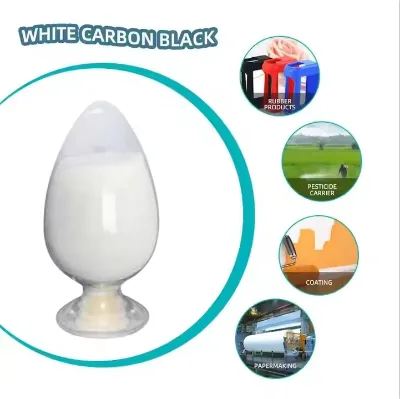
Surface properties and particle characteristics are critical for performance in end-use applications. Buyers should inquire about specific surface area, oil absorption capacity, and hydrophobicity, especially if the application involves rheology control or thickening. Although some listings mention "White Carbon Black" or "Precipitated Silica," these are distinct from fumed silica. It is essential to confirm that the supplier provides the correct fumed silica product, as misidentification can lead to significant performance failures in coatings, adhesives, or cosmetics.
Compliance and Safety Documentation
Regulatory compliance is a non-negotiable aspect of sourcing fumed silica, particularly for applications in cosmetics, food, or pharmaceuticals. Buyers must request relevant safety data sheets (SDS) and certificates of analysis (CoA) to verify that the product meets international safety standards. While some listings mention certifications like CCIC or environmental protection compliance, these do not automatically guarantee adherence to specific regulatory frameworks such as REACH or FDA requirements. Verification of these specific regulatory statuses is essential for market access.
Documentation should also address occupational health and safety concerns associated with handling fine powders. Fumed silica is often classified as a respirable crystalline silica, requiring specific handling protocols to prevent inhalation risks. Buyers should ensure that suppliers provide clear guidance on safe storage and handling, including recommendations for cool and dry storage conditions. Additionally, verifying the absence of harmful contaminants or heavy metals is crucial, especially for products intended for cosmetic or consumer-facing applications.
Cost Drivers and Commercial Terms
The cost of fumed silica is influenced by several factors, including purity, particle size distribution, and surface treatment. Hydrophobic fumed silica, which undergoes additional processing to modify its surface chemistry, typically commands a higher price than hydrophilic grades. Buyers should also consider the impact of packaging and logistics on total landed cost. Observations of packaging ranging from simple bags to complex palletized systems indicate that handling requirements can vary significantly, affecting shipping and storage expenses.
Minimum order quantities (MOQs) and payment terms also play a significant role in procurement planning. While observed MOQs in the broader silicon dioxide category range from 1 to 2000 units, specific fumed silica products may have different thresholds. Buyers should negotiate terms that align with their production volume and inventory management strategies. It is advisable to request detailed pricing breakdowns that separate material costs from packaging, shipping, and any applicable tariffs or duties to ensure accurate budgeting.
Supplier Qualification and Quality Control
Supplier qualification requires a thorough assessment of manufacturing capabilities and quality management systems. Buyers should verify the supplier’s origin, with many listings indicating production in regions like Jiangsu, Jiangxi, or Hebei in China. Understanding the supplier’s location can provide insights into their logistical advantages and regulatory environment. Additionally, assessing the supplier’s ability to provide customization services is crucial for buyers with specific technical requirements that deviate from standard offerings.
Quality control processes should be transparent and well-documented. Buyers should inquire about the supplier’s testing protocols for key parameters such as silica content, moisture loss, and particle size. Consistency in batch-to-batch quality is vital for maintaining product performance in end-use applications. Suppliers who offer third-party testing or adhere to recognized industrial grade standards demonstrate a higher level of commitment to quality. Establishing a clear communication channel for addressing quality issues is also essential for long-term partnership success.
Long-Term Procurement Checks
Long-term procurement success depends on continuous monitoring of supplier performance and market dynamics. Buyers should establish key performance indicators (KPIs) related to delivery reliability, product consistency, and responsiveness to technical queries. Regular audits or reviews of supplier quality systems can help identify potential issues before they impact production. Additionally, staying informed about changes in regulatory requirements or industry standards ensures that the sourced fumed silica remains compliant and competitive.
Building a diversified supplier base can mitigate risks associated with single-source dependencies. Buyers should consider qualifying multiple suppliers for critical fumed silica products to ensure supply continuity. Regularly reviewing market trends and technological advancements in silica production can also provide opportunities for cost optimization or performance improvement. By maintaining a proactive approach to supplier management, buyers can secure a stable and high-quality supply of fumed silica for their operations.
FAQs
What is the chemical formula for fumed silica powder?
The chemical formula is SiO2, also written as O2Si in some contexts. This compound is classified as a silicon dioxide product. It serves as a key material in various industrial applications due to its stable molecular structure and high surface area properties.
Can fumed silica powder be customized for specific needs?
Yes, customization is available for this product. Buyers can request specific modifications to meet unique application requirements. This flexibility allows the material to be adapted for diverse uses across industries such as electronics, coatings, and rubber, ensuring optimal performance in specialized environments.
How is fumed silica powder typically packaged for shipment?
Packaging options include 10kg bags, wooden boxes, and kraft paper bags with trays or pallets. Some products are packed in cartons for added protection. These varied packaging methods ensure the powder remains dry and secure during transit, suitable for both small and bulk orders.
What certifications are associated with fumed silica powder products?
CCIC certification is a documented standard for these products. This indicates adherence to specific quality and inspection protocols. Buyers relying on certified materials can trust that the silica meets established industrial grade standards, ensuring consistency and reliability for critical manufacturing processes and quality control measures.
Where is fumed silica powder primarily manufactured?
Production originates from regions including Jiangsu, Jiangxi, and Hebei in China. These locations host factories specializing in chemical auxiliary agents. Sourcing from these areas provides access to established supply chains and industrial hubs known for producing high-quality silica-based materials for global distribution.
What are the primary usage applications for fumed silica powder?
It is used as an emulsion stabilizer, anticaking agent, and glidant. Applications span water treatment, textiles, rubber, plastics, and electronics. Its versatility allows it to enhance product stability and flow properties in various chemical formulations, making it a valuable additive in multiple industrial sectors.