Source Funny Pop Up Birthday Card for Greetings, Parties, and Gifts
Find 30 options for a Funny Pop Up Birthday Card featuring 3D designs and eco-friendly materials. Buyers can compare printing methods, sizes, and MOQs from suppliers in Zhejiang, China.
Key considerations
Products List
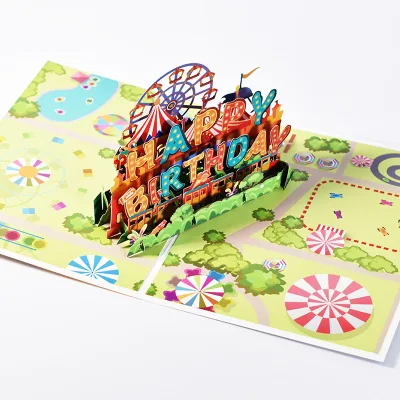
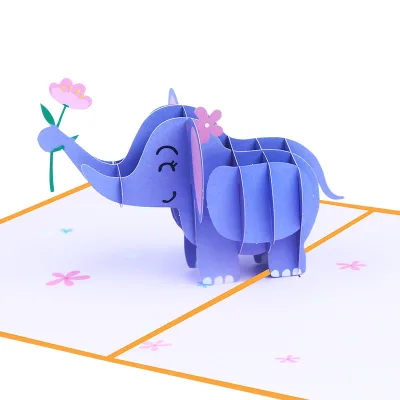
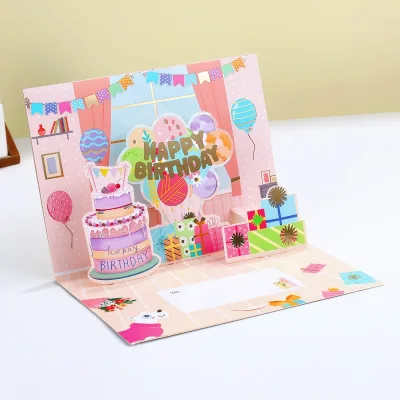
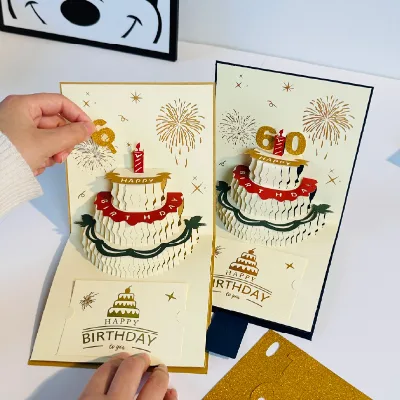
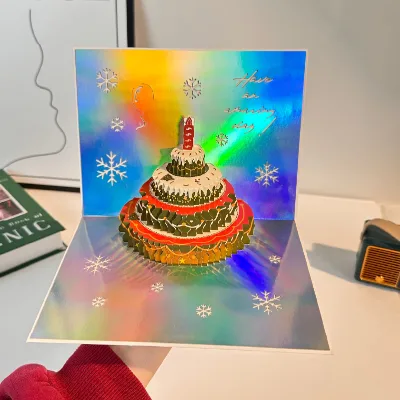
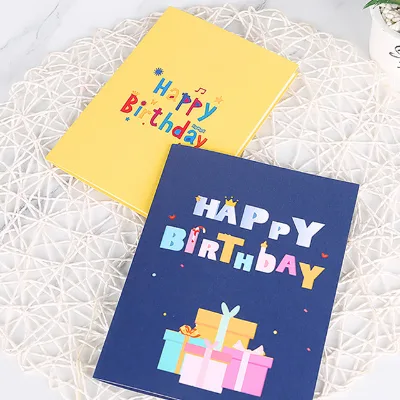
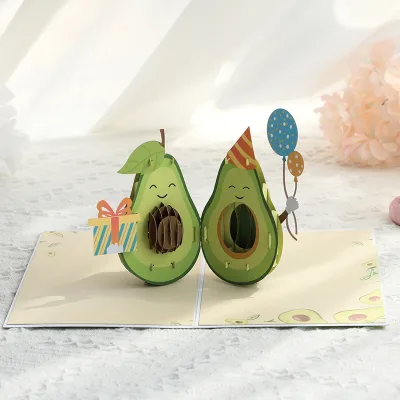
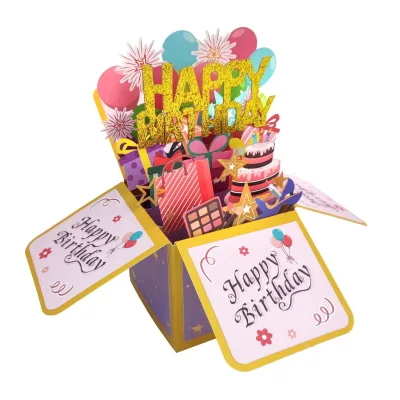


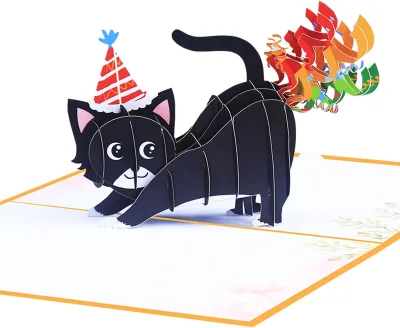
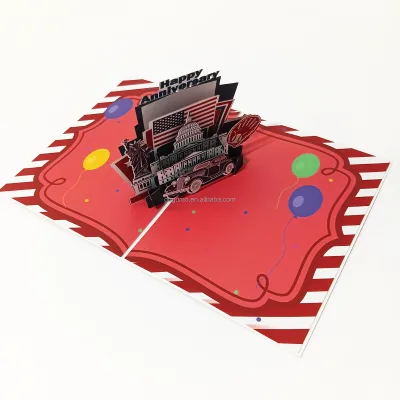
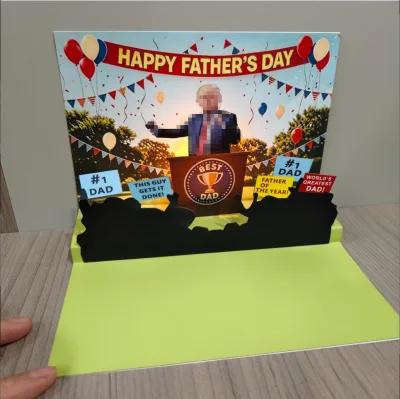
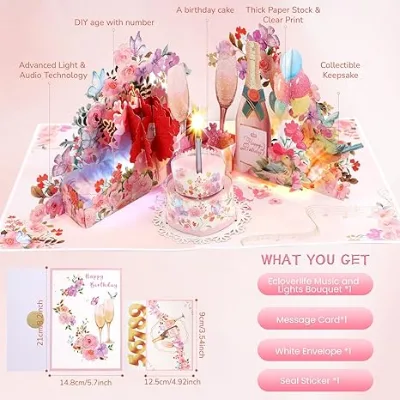
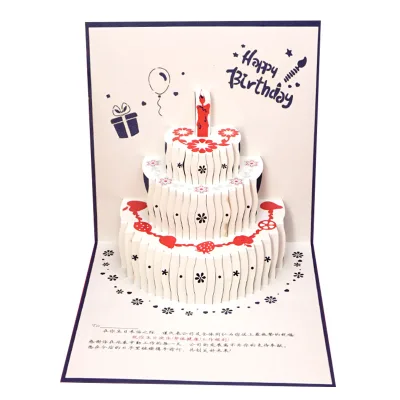
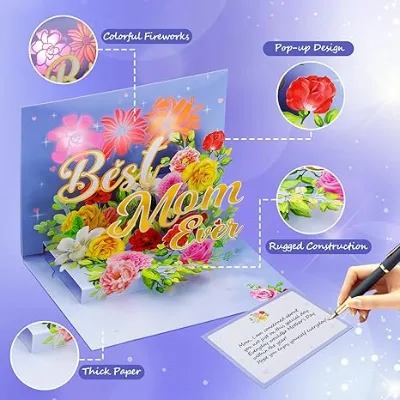
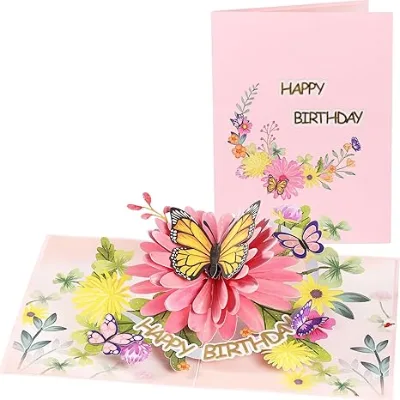
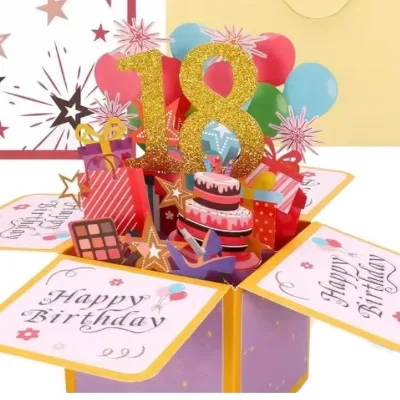
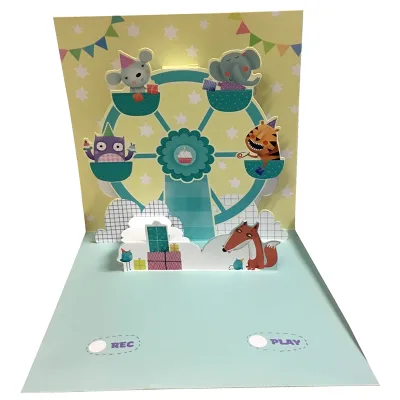
UPGRADED 3D Pop Up Birthday Cards, Musical LED Lights Birthday Greeting Cards Birthday Gifts
$1.99 - $2.15
MOQ: 1000 pieces

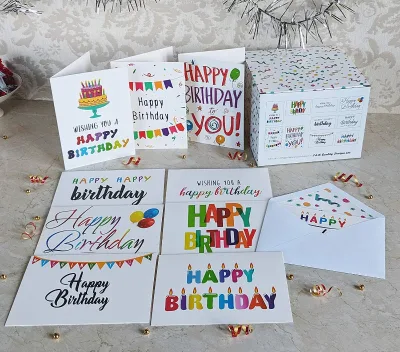
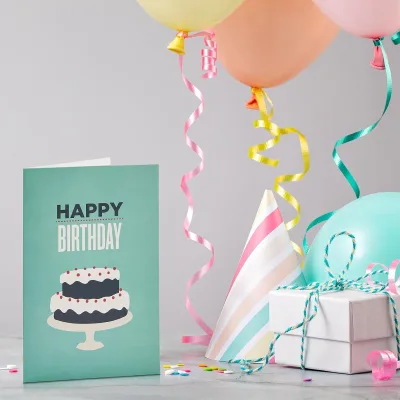
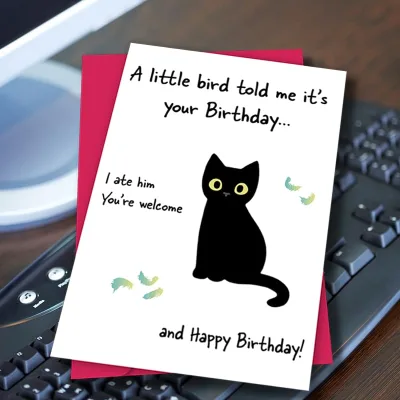


Factory Price Birthday Creative Hot Stamping Simple Printed Small Card
$0.01 - $0.03
MOQ: 33300 Pieces

Pop-up 3D Paper Happy Birthday Greeting Cards (For Birthday Party Supplies)
$0.50 - $0.98
MOQ: 500 Pieces


Wholesale Customized Pop up 3D Paper Happy Birthday Cards (Birthday Party Supplies)
$0.50 - $0.98
MOQ: 500 Pieces

Comprehensive Sourcing Guide
Strategic Sourcing Guide for Funny Pop-Up Birthday Cards
Understanding Product Variability and Technical Specifications
When sourcing funny pop-up birthday cards, buyers must first recognize that the product category is not monolithic. The market presents a diverse array of technical configurations, ranging from simple paper constructions to complex mechanical assemblies. Based on current market observations, the core material is consistently paper, yet the structural integrity and visual output vary significantly by manufacturer. A critical technical observation is the variation in dimensions. While some standard units measure 15x20 cm, others are sized at 13x18 cm, and specific listings indicate a size of 13x18m, which requires immediate verification as a potential data entry anomaly. The single package size also fluctuates, with observed ranges from 15x20x1 cm to 20x15x1 cm, directly impacting shipping volume calculations.
The mechanical complexity of these cards is a primary differentiator. The "pop-up" feature is a defining characteristic, often accompanied by 3D elements that create a dynamic visual experience upon opening. This 3D construction is frequently paired with specific printing methods. Buyers will encounter products utilizing 4-color or 6-color printing processes, while others may rely on 2-color or even single-color schemes. The surface finishing techniques are equally varied, with UV varnishing, matte lamination, and UV printing being common observations. Some listings also mention die-cutting printing and gilding, which add a layer of luxury or specific aesthetic appeal. The weight of individual units is another specification that affects logistics; observed weights range from 40g to 55g per card, with corresponding gross weights varying between 0.070 kg and 0.100 kg per package.
Compliance, Certification, and Material Standards
In the realm of paper-based greeting products, compliance often centers on material safety and environmental impact rather than complex electronic certifications. The supply chain for these items is heavily concentrated in Zhejiang, China, a region known for its paper processing capabilities. When evaluating suppliers, buyers should verify the "Eco-Friendly" claims often associated with these products. While the term is frequently used in product attributes, it does not automatically imply a specific third-party certification. Buyers must request documentation to substantiate any environmental claims, such as FSC certification for paper sourcing or specific biodegradability test results.
Regarding regional features, some products are marketed with a "European" regional feature, while others are generic. This distinction may influence the design aesthetic or the compliance standards applied during manufacturing, particularly if the target market is the EU. For instance, European markets often have stricter regulations regarding chemical content in inks and adhesives used in paper products. Although specific standards like REACH are not explicitly listed in the product data, the presence of "Luxury" and "Eco-Friendly" attributes suggests that high-end suppliers may adhere to stricter chemical safety protocols. Buyers should explicitly ask suppliers to confirm compliance with the destination market's specific chemical and safety regulations before placing large orders.
Cost Drivers and Pricing Dynamics
The pricing structure for funny pop-up birthday cards is influenced by several interconnected factors, primarily driven by the complexity of the pop-up mechanism and the printing technology employed. The observed price range in the market is 0.01 to 3.5 USD, a wide spectrum that reflects the disparity between basic 2-color cards and complex 6-color, 3D luxury items. The cost per unit is not linear; a jump from 2-color to 6-color printing, or the addition of UV varnishing and gilding, can significantly increase the base cost.
Minimum Order Quantity (MOQ) is another critical cost driver. The market shows a wide MOQ range, from as low as 1 piece to as high as 33,300 pieces. Some suppliers list an MOQ of 10 pieces, while others require 100 pieces. This variability allows buyers to test the market with small batches or secure bulk rates for large campaigns. However, the "Selling Units" are typically listed as single items, meaning the price quoted is usually per card. Buyers must be aware that the "1 set per bag" or "1 card + 1 envelope" packaging details can affect the final landed cost, as the packaging material and labor add to the unit price. The weight of the product, ranging from 40g to 55g, also plays a role in freight costs, especially for air freight where volumetric weight is a consideration.
Typical Applications and Use Cases
The application of funny pop-up birthday cards extends beyond simple greetings. The product attributes explicitly list "Birthday," "Party," "Gift," and "Event & Party Supplies" as primary use cases. The "Funny" aspect of the keyword suggests a specific design intent, likely involving humorous illustrations or text, which is a subset of the broader "Birthday greeting card" category. These cards are designed to serve as both a greeting and a small gift, often packaged with an envelope in an OPP bag.
The versatility of these cards allows them to be used in various scenarios, from intimate family gatherings to large corporate events. The "Luxury" style attribute indicates that some variants are suitable for high-end gifting, while the "Eco-Friendly" attribute appeals to environmentally conscious consumers. The "Greeting card pop up happy birthday" product name suggests a specific design trend that combines humor with a celebratory 3D reveal. Buyers should consider the target demographic when selecting a product; a card with a "European" regional feature might appeal to a different audience than a generic "Other" regional feature product. The ability to accept OEM and ODM services further expands the application, allowing brands to customize the design for specific marketing campaigns or corporate branding.
Supplier Evaluation and Operational Capabilities
Evaluating suppliers for pop-up birthday cards requires a focus on their manufacturing capabilities and flexibility. The data indicates that suppliers offer OEM services and accept custom designs, which is crucial for buyers looking to brand their products. The "GD" and "Good Crafts" brand names observed in the listings suggest that some suppliers may operate under their own brands while also offering white-label services. Buyers should verify the supplier's capacity to handle the specific printing methods required, such as UV printing or die-cutting, as these processes require specialized machinery.
The packaging details are a key indicator of a supplier's attention to quality. While some suppliers offer "1 set per bag," others provide "1 card + 1 envelope/closed opp bag." The consistency of this packaging is vital for maintaining the product's integrity during transit. The "Single gross weight" and "Single package size" data points provided by suppliers are essential for logistics planning. Buyers should cross-reference these figures with their own shipping calculations to ensure accuracy. Additionally, the "Place of Origin" being Zhejiang, China, is a significant factor, as this region has a mature supply chain for paper products. However, buyers should verify the specific factory location and audit their quality control processes to ensure consistency.
Quality Control and Long-Term Procurement Strategy
Quality control for pop-up cards hinges on the mechanical reliability of the 3D structure. The "Pop-up" feature must function smoothly without tearing or jamming. Buyers should request samples to test the durability of the pop-up mechanism, especially if the card is intended for frequent handling. The "Surface finishing" methods, such as UV varnishing or matte lamination, must be applied evenly to prevent peeling or scratching. The "Color" attributes, ranging from 1 to 3 colors, should be checked for consistency and vibrancy, as color bleeding or misalignment can detract from the "Luxury" or "Funny" appeal.
For long-term procurement, establishing a relationship with a supplier that offers flexible MOQs is advantageous. The ability to order as few as 10 pieces allows for market testing, while the capacity to handle orders up to 33,300 pieces supports scaling. Buyers should also consider the "Model Number" variations, such as GD1361, 1-0261, or AG02770, as these may represent different design iterations or production runs. Consistency in model specifications is crucial for maintaining brand identity. Finally, buyers should monitor the "Regional Feature" and "Application" trends to ensure the product remains relevant to their target market. By focusing on these technical and operational details, buyers can secure a reliable supply chain for funny pop-up birthday cards that meets both quality and cost objectives.
Comparative Analysis of Product Attributes
To assist in decision-making, the following table summarizes the key technical and operational attributes observed in the market for funny pop-up birthday cards. This comparison highlights the variability in specifications that buyers must navigate.
| Attribute | Observation Range / Specific Values | Procurement Consideration |
|---|---|---|
| Material | Paper | Verify paper grade and thickness for durability. |
| Dimensions | 13x18 cm, 15x20 cm, 13x18m (verify) | Confirm exact size to avoid shipping discrepancies. |
| Printing Method | 2, 4, or 6 color; UV; Die-cutting | Higher color counts increase cost and complexity. |
| Surface Finish | UV Varnishing, Matte Lamination | Check for adhesion and scratch resistance. |
| MOQ | 1 to 33,300 pcs; 10 or 100 pcs common | Align MOQ with budget and storage capacity. |
| Weight | 40g to 55g per unit | Calculate freight costs based on gross weight. |
| Packaging | 1 pcs/bag, 1 card+envelope/bag | Ensure packaging protects the 3D structure. |
| Origin | Zhejiang, China | Verify factory location for audit purposes. |
| Customization | OEM/ODM Accepted | Confirm design file requirements and lead times. |
By carefully analyzing these attributes and understanding the underlying cost drivers and quality requirements, buyers can make informed decisions when sourcing funny pop-up birthday cards. The diversity in the market offers opportunities for customization and innovation, but it also demands rigorous due diligence to ensure the final product meets the intended standards.
FAQs
What printing methods are available for funny pop up birthday cards?
Available printing methods include 2, 4, or 6 color options, UV printing, and die-cutting printing. Some listings also feature gilding and matte lamination or UV varnishing as surface finishing techniques to enhance the visual appeal of the card.
Which dimensions are commonly observed for these greeting cards?
Common dimensions include 15 by 20 cm and 13 by 18 cm, though some data entries list 13 by 18 meters which requires verification. Buyers should confirm exact sizes as package dimensions vary between 15 by 20 by 1 cm and 20 by 15 by 1 cm.
Can buyers request custom designs or OEM services for these cards?
Yes, suppliers explicitly accept OEM and ODM services for customization. Buyers can request specific designs, though packaging details like 1 card plus 1 envelope per OPP bag may vary by supplier and should be confirmed during the ordering process.
What is the typical price range and minimum order quantity for these items?
The observed price range is 0.01 to 3.5 USD per unit, while MOQs vary from 1 to 33,300 pieces. Some suppliers list an MOQ of 10 pieces, whereas others require 100 pieces, allowing flexibility for small batch testing or large volume campaigns.
Where are these paper-based cards typically manufactured?
The primary place of origin for these products is Zhejiang, China, a region known for paper processing capabilities. Some products are also marketed with a European regional feature, which may influence design aesthetics or compliance standards for specific export markets.
How heavy are individual cards and what is the packaging style?
Individual card weights range from 40g to 55g, with single gross weights between 0.070 kg and 0.100 kg. Packaging typically consists of 1 set per bag or 1 card plus 1 envelope in a closed OPP bag to protect the 3D pop-up structure.