Source Gamer Headset Options for PC, Mobile, and DJ Use
Explore 30 available Gamer Headset models featuring Bluetooth 4.0, ENC noise cancellation, and detachable designs. Compare specifications for over-ear and in-ear styles suitable for computer gaming, mobile phones, and portable media players to find the right fit for your needs.
Key considerations
Products List


Comprehensive Sourcing Guide
Gamer Headset Sourcing Guide
Sourcing gaming headsets requires a nuanced understanding of the intersection between audio fidelity, connectivity versatility, and ergonomic design. The market for these devices is characterized by a wide variance in technical specifications, ranging from basic wired configurations to advanced wireless systems with active noise cancellation. Buyers must navigate a landscape where product attributes often overlap, such as headsets that are simultaneously marketed for mobile gaming, computer use, and DJ applications. This guide provides a structured approach to evaluating suppliers and products, ensuring that procurement decisions are grounded in verified technical data and commercial reality rather than marketing claims.
The following sections detail the critical factors for sourcing high-quality gaming headsets, including product scope, technical verification, compliance requirements, cost analysis, supplier qualification, and long-term procurement strategies. By adhering to these evidence-based guidelines, buyers can mitigate risks associated with inconsistent product quality, unclear specifications, and non-compliant manufacturing practices. The focus remains on actionable insights that facilitate informed decision-making throughout the sourcing lifecycle.
Product Scope and Observed Listing Signals
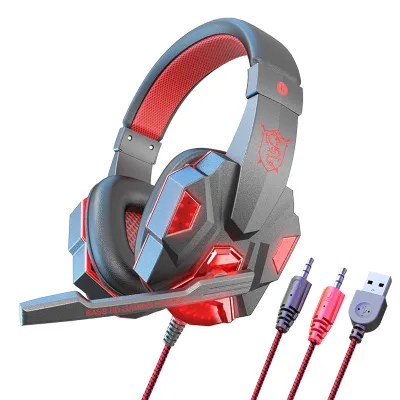
The observed product range for gaming headsets includes a diverse array of form factors and connectivity options, reflecting the varied needs of different user segments. Listings indicate the presence of over-ear, on-ear, in-ear, and neckband styles, with leather materials commonly used for ear cushions to enhance comfort during extended gaming sessions. Connectivity features span from traditional wired connections, including 3.5mm and 6.3mm jacks, to modern wireless solutions utilizing Bluetooth versions such as 4.0. Some products also support USB and USB-C interfaces, catering to the specific input requirements of gaming consoles, PCs, and mobile devices.
Listing signals reveal significant variability in functional attributes, with some headsets offering environmental noise cancellation (ENC) and others focusing on stereo sound reproduction. The presence of detachable cables and retractable microphones suggests a design philosophy centered on modularity and user customization. Additionally, features such as volume control, single-color gaming atmosphere lighting, and support for music playback are common differentiators. Buyers should note that while some listings claim "HiFi" or "balanced armature" features, these attributes may not apply to all models within the observed price range, necessitating careful verification of individual product specifications.
Technical Specifications to Verify
Verifying the core technical specifications is paramount to ensuring that the sourced headsets meet the intended performance standards. Buyers should prioritize confirmation of the vocalism principle, with electrostatic drivers being a notable option for high-fidelity audio reproduction. The Bluetooth version and distance class, such as Class B, are critical for assessing wireless range and stability, particularly for users who require mobility without signal degradation. Additionally, the cord length, typically observed around 2 meters, should be verified to ensure it aligns with the ergonomic requirements of the end-user environment.
Audio performance metrics, including the support for specific protocols like HSP and A2DP, must be cross-referenced with the device’s intended usage, whether for mobile phones, computers, or portable media players. The presence of dual-track sound capabilities and stereo output should be confirmed to guarantee an immersive gaming experience. Furthermore, buyers should inspect the physical construction, including the headband style and the type of microphone integration, to ensure durability and comfort. It is essential to distinguish between general product descriptions and model-specific attributes, as features like waterproofing or noise-cancelling may vary significantly between different model numbers.
Compliance and Safety Documentation
Compliance with international safety and electromagnetic compatibility standards is a non-negotiable aspect of sourcing electronic audio devices. Buyers must request documentation that verifies adherence to relevant regional regulations, such as CE, FCC, or RoHS, depending on the target market. Although specific certification statuses may not be explicitly listed in all product descriptions, suppliers should be able to provide test reports or certificates of conformity for each model number. This documentation ensures that the headsets do not pose electrical hazards and emit electromagnetic interference within acceptable limits.
Waterproof standards, while listed as "Other" in some contexts, require clarification to determine the actual ingress protection rating. Buyers should inquire about the specific IP rating if water resistance is a critical feature for the intended use case, such as sports or outdoor gaming. Additionally, the use of materials like leather should be accompanied by information regarding chemical compliance, ensuring that the materials do not contain harmful substances prohibited in consumer electronics. Verifying these compliance aspects early in the sourcing process helps prevent potential customs delays and ensures that the products can be legally sold in the destination market.
Cost Drivers and Commercial Terms
The cost of gaming headsets is influenced by several key factors, including the complexity of the connectivity options, the quality of materials used, and the level of customization available. Products featuring wireless technology, such as Bluetooth 4.0, and advanced features like environmental noise cancellation typically command higher prices compared to basic wired models. The observed price range of 1 to 18.3 USD suggests a broad spectrum of quality and feature sets, with buyers needing to align their budget with the desired technical specifications. Customization options, such as private molding or branded packaging, may also impact the final unit cost.
Commercial terms, including the minimum order quantity (MOQ), vary significantly across suppliers, with observed ranges from 10 to 3000 units. Buyers should negotiate terms that balance inventory risk with cost efficiency, considering that smaller MOQs may result in higher per-unit costs. The acceptance of small orders can be advantageous for testing market response before committing to larger volumes. Additionally, buyers should clarify the packing standards, as standard packaging may differ from retail-ready options, potentially affecting logistics and presentation costs. Understanding these commercial dynamics is essential for developing a sustainable procurement strategy.
Supplier Qualification and Quality Control
Evaluating supplier qualifications is crucial for ensuring consistent product quality and reliable delivery. Buyers should assess the supplier’s manufacturing capabilities, including their experience with electronic audio products and their ability to handle specific technical requirements such as Bluetooth integration and noise cancellation. The place of origin, often China for these types of products, should be verified for its reputation in electronics manufacturing. Suppliers with a history of producing headsets for various applications, including gaming, DJ, and call center use, are likely to have more robust quality control processes.
Quality control measures should include pre-production samples, in-line inspections, and final random inspections to verify that the products meet the agreed-upon specifications. Buyers should request detailed inspection reports that cover functional tests, such as audio clarity, microphone performance, and connectivity stability. Additionally, verifying the supplier’s ability to handle customization requests, such as specific color options or branding, is important for maintaining brand consistency. Establishing a clear communication channel for addressing quality issues and defining responsibilities for defective products is essential for maintaining a successful supplier relationship.
Long-Term Procurement Checks
Long-term procurement success depends on continuous monitoring of product performance and supplier reliability. Buyers should implement a feedback loop to collect data on customer satisfaction, focusing on aspects such as comfort, durability, and audio quality. This feedback can inform future purchasing decisions and help identify potential issues with specific models or suppliers. Regular audits of supplier quality control processes can also help ensure that standards are maintained over time, reducing the risk of quality degradation.
Additionally, buyers should stay informed about technological advancements in the gaming headset market, such as new Bluetooth versions or improved noise cancellation techniques. This awareness allows for proactive updates to product specifications and ensures that the sourced headsets remain competitive. Building a diversified supplier base can also mitigate risks associated with supply chain disruptions, providing flexibility in sourcing strategies. By maintaining a strategic approach to procurement, buyers can secure high-quality gaming headsets that meet the evolving needs of their customers.
FAQs
What connectivity options are available for these headsets?
These headsets offer diverse connectivity including 3.5mm jacks, USB, and wireless Bluetooth versions. Some models support multiple interfaces like Micro USB and USB-C for broader device compatibility.
Can I customize the product packaging for my order?
Yes, customization is available for these gaming headsets. Buyers can request specific packaging solutions to meet their branding needs while maintaining standard product quality and specifications.
What is the minimum order quantity for these headsets?
The minimum order quantity ranges from 10 to 3000 units depending on the specific model and supplier. Small orders are accepted, allowing flexibility for buyers with varying volume requirements.
Which features are included in the noise cancellation system?
The headsets feature Environmental Noise Cancellation to improve audio clarity during calls. Additional features often include detachable cables, microphones, and stereo sound for enhanced gaming and communication experiences.
How long is the cable for the wired models?
The cable length for wired models is typically 2 meters or 2.1 meters. This length provides sufficient reach for comfortable use while gaming or working at a computer station.
What materials are used for the ear pads?
The ear pads are constructed using leather materials for comfort and durability. This design ensures a secure fit and long-lasting performance during extended gaming sessions or professional use.