Source Gaming Laptop Desktop RAM for Education, Office, and Gaming
Explore 30 listings of Gaming Laptop Desktop RAM featuring Intel processors, Windows 10/11, and varied RAM capacities from 512MB to 4GB. Buyers can compare models like the Bus-P11 and X17 across different applications including education, office work, and gaming.
Key considerations
Products List


Computer PC Desktop Gaming Laptokp Notebook Laptop Computers for Office Use
$429.00 - $459.00
MOQ: 1 Pieces


16.1 Inch Gtx Core I9 Core I5 Core I7 Core Laptops Notebook Computer Gaming Laptop Computer
$429.00 - $459.00
MOQ: 1 Pieces

15.6 Inch Core I9 Gaming Laptop Computer Core I5 Core I7 Laptops Notebook Computer
$429.00 - $459.00
MOQ: 1 Pieces


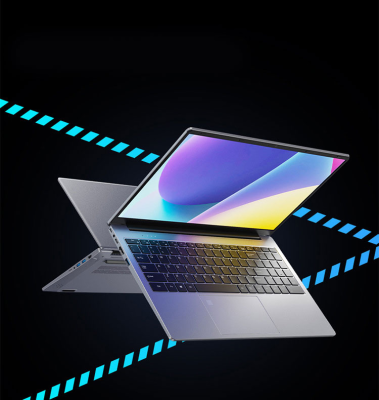
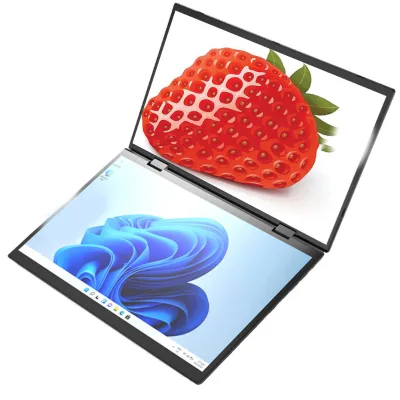
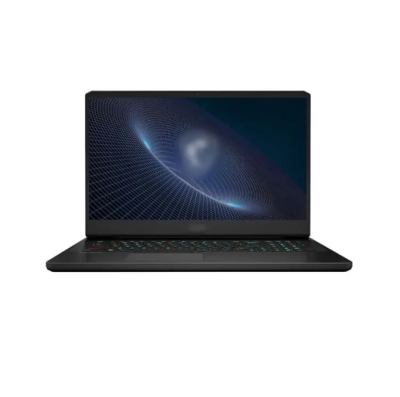

Laptops 14.1 Inch Computer Notebook Laptops Computer Core I5 I7 I9 Gaming Laptop Computer
$205.00 - $300.00
MOQ: 1 Pieces


Laptop Notebook 15.6 Inch RAM 20GB Quad Cores AMD R5 2500u Gaming Laptop
$30.00 - $220.00
MOQ: 1 Pieces


Comprehensive Sourcing Guide
Strategic Sourcing Guide for Gaming and High-Performance Computing Systems
The procurement landscape for gaming laptops, desktops, and high-performance RAM modules requires a rigorous approach to technical verification and supply chain stability. Buyers in the B2B sector must navigate a complex array of specifications where performance, durability, and compatibility intersect. The following guide synthesizes observed market data and technical attributes to provide a structured framework for sourcing these critical assets. This analysis focuses on the intersection of gaming applications, office utility, and educational deployment, ensuring that procurement decisions are grounded in verifiable product facts rather than speculative marketing claims.
Technical Architecture and Component Verification
When sourcing systems for gaming or intensive computing tasks, the internal architecture is the primary determinant of performance. The processor brand and type serve as the foundational metric for system capability. In the observed market, Intel processors are a prevalent standard, often paired with specific model identifiers such as the MF153UL or MFL300. Buyers must verify that the processor type aligns with the intended workload; for instance, gaming applications often demand higher clock speeds and multi-core capabilities compared to standard office tasks.
Memory (RAM) capacity is another critical variable. The market data indicates a wide spectrum of configurations, ranging from 512MB to capacities of 4GB or greater. For modern gaming laptops and desktops, a baseline of 4GB is often insufficient for optimal performance in current titles, making systems with higher RAM capacities the preferred choice for long-term viability. The presence of dedicated graphics cards versus integrated graphics cards further distinguishes these systems. While integrated solutions like the Intel UHD Graphics 600 may suffice for basic display tasks, gaming applications typically require dedicated graphics hardware to handle complex rendering and high frame rates.
Storage capacity also plays a pivotal role in system selection. Observed data points to hard disk capacities ranging from 1TB and above, which is essential for storing large game libraries and high-resolution media files. The operating system environment, specifically Windows 10 or Windows 11 64-bit, provides the necessary software foundation for these applications. Buyers should ensure that the OS version is compatible with the hardware architecture to avoid driver conflicts and performance bottlenecks.
Display Specifications and Form Factor Considerations
The visual interface is a defining characteristic of gaming and professional computing devices. Screen size and aspect ratio directly impact the user experience, particularly in gaming and educational settings. The market offers a diverse range of display sizes, including 11.6 inches, 14 inches, and 17.3 inches. The 17.3-inch form factor is frequently associated with gaming laptops, providing a larger canvas for immersive gameplay and multitasking. Conversely, 14-inch models are often optimized for portability and office environments.
Resolution and pixel density are critical for visual fidelity. While specific resolution data varies, the presence of "Widescreen" and "Without Widescreen" attributes indicates that buyers must explicitly verify the aspect ratio to ensure it meets their ergonomic and visual requirements. Additionally, the physical dimensions of the device, such as the standard of 358mm230mm20mm or the larger 592174476mm configurations, are vital for logistics planning and workspace integration.
Camera capabilities also vary significantly across the product range. Some units are equipped with 30W cameras, while others feature 1.0MP (720p) sensors. For applications involving video conferencing or digital education, the camera resolution and quality must be matched to the specific use case. The color options, ranging from Gray and Black to Pink and Silver, allow for customization based on brand identity or user preference, though the functional impact of color is limited to aesthetic and inventory management considerations.
Connectivity and Peripheral Integration
Modern procurement requires a comprehensive understanding of connectivity options to ensure seamless integration into existing IT infrastructures. Built-in WiFi capabilities are standard, with specifications noting "Built in" or "Built It" configurations. Advanced models may feature dual-band support, such as 2.4G/5G AC WiFi, which is crucial for maintaining stable connections in high-density environments. Bluetooth integration is another common feature, facilitating wireless connectivity with peripherals like mice, keyboards, and headsets.
For wired connectivity, the presence of an RJ45 Ethernet port is a key indicator of network reliability. This is particularly important for gaming applications where latency must be minimized, and for office environments where stable data transfer is essential. The inclusion of a 3G module in certain models suggests a need for mobile connectivity, which can be advantageous for field operations or remote educational setups.
Fingerprint sensors represent an additional layer of security. While some models are equipped with fingerprint technology for biometric authentication, others are listed as "Without Fingerprint." Buyers must assess the security requirements of their organization to determine if biometric access control is a mandatory feature. The body material, often a combination of TPU and Plastic, influences the device's durability and weight, which are critical factors for mobile workforces.
Application-Specific Deployment Scenarios
The intended application of the hardware dictates the selection criteria. Gaming laptops are characterized by dedicated graphics cards, larger screen sizes (often 17 inches), and robust cooling systems. These systems are designed to handle the high computational load of modern video games. In contrast, office laptops prioritize portability, battery life, and compatibility with productivity software. The observed data shows models specifically categorized for "Office" and "Education" applications, which may feature integrated graphics and smaller form factors.
Educational deployments often require durable, cost-effective solutions that can withstand frequent handling by students. The presence of specific packing materials, such as foam carton boxes or standard carton boxes, indicates that manufacturers consider the fragility of these devices during transit. For gaming applications, the focus is on performance metrics, while educational and office models may emphasize ease of use and manageability.
Cost Drivers and Procurement Economics
The pricing of gaming laptops and desktops is influenced by a complex interplay of factors, including processor generation, RAM capacity, storage size, and graphics card quality. The observed price range of 11.85 to 1249.35 USD reflects the vast diversity in the market, from entry-level devices to high-end gaming rigs. Buyers must understand that higher performance specifications generally correlate with higher costs.
Minimum Order Quantity (MOQ) is another economic factor to consider. The market data indicates an MOQ range of 1 to 1000 units. Small businesses or individual departments may benefit from suppliers with lower MOQs, allowing for flexible procurement without significant capital commitment. Conversely, large-scale deployments may leverage higher volume orders to negotiate better pricing, though the specific discount structures must be verified with suppliers.
Customization availability is a significant value driver. The ability to customize hardware configurations allows organizations to tailor devices to specific needs, potentially optimizing the cost-to-performance ratio. Buyers should evaluate the extent of customization options, such as RAM upgrades, storage additions, or software pre-installation, to ensure they are receiving a product that aligns with their strategic objectives.
Supplier Evaluation and Quality Assurance
Selecting a reliable supplier is paramount for ensuring product quality and supply chain continuity. The origin of the products, such as Shenzhen, China, provides insight into the manufacturing ecosystem, which is known for its density of electronics production. However, buyers must verify the supplier's track record regarding quality control and after-sales support.
Quality control measures should be a primary focus during the evaluation process. This includes verifying the consistency of build quality, the reliability of components, and the adherence to safety standards. The presence of specific standards, such as the 358mm230mm20mm or 592174476mm dimensions, suggests that manufacturers adhere to defined physical specifications, but buyers should confirm that these standards are consistently met across all units in an order.
Testing results and performance claims should be scrutinized. While the market data provides observations of specifications, buyers should request independent test data to validate claims regarding battery life, thermal performance, and network stability. The absence of specific certification data in the provided context means that buyers must actively request proof of compliance with relevant industry standards and safety regulations.
Long-Term Procurement and Lifecycle Management
Sourcing decisions should extend beyond the initial purchase to encompass the entire lifecycle of the hardware. Long-term considerations include the availability of spare parts, the duration of warranty coverage, and the ease of software updates. For gaming systems, the rapid pace of technological advancement means that hardware may become obsolete faster than office equipment. Buyers should plan for periodic upgrades or replacements to maintain performance standards.
The operating system version, such as Windows 10 or 11, is a critical factor in long-term viability. Buyers must ensure that the selected OS will receive support for the expected lifespan of the device. Additionally, the customization options available at the time of purchase can impact the future upgradeability of the system. For example, systems with accessible RAM slots may allow for easier memory expansion, extending the useful life of the device.
Comparative Analysis of Selected Configurations
To assist in decision-making, the following table summarizes key attributes of observed product configurations, highlighting the differences between gaming, office, and educational deployments.
| Feature | Gaming Configuration | Office Configuration | Educational Configuration |
|---|---|---|---|
| Processor Brand | Intel | Intel | Intel |
| Graphics Card | Dedicated Graphics Card | Integrated Graphics Card | Integrated Graphics Card |
| Screen Size | 17.3 inches | 14 inches | 11.6 inches |
| RAM Capacity | ≥4GB | ≥4GB | 512MB - 4GB |
| Hard Disk | ≥1TB | ≥1TB | ≥1TB |
| Application | Gaming | Office | Education |
| Color | Black | Silver | Gray / Pink |
| Fingerprint | Fingerprint | Without Fingerprint | Without Fingerprint |
| WiFi | Built It | Built in | Built in |
| Weight | >2.0 kg | 1.5~2.0 kg | Variable |
This comparison underscores the importance of aligning technical specifications with the intended use case. Gaming systems prioritize high-performance graphics and larger displays, while office and educational models focus on portability and cost-efficiency. By carefully evaluating these attributes, buyers can make informed decisions that balance performance requirements with budgetary constraints.
Final Procurement Recommendations
In conclusion, sourcing gaming laptops, desktops, and RAM modules requires a meticulous approach to technical verification and supplier evaluation. Buyers must prioritize the alignment of hardware specifications with their specific application needs, ensuring that performance, durability, and connectivity are optimized for the intended environment. The diversity of the market, ranging from entry-level devices to high-end gaming rigs, offers ample opportunities for tailored procurement strategies. By adhering to the principles of evidence-based sourcing and maintaining a focus on long-term value, organizations can build robust IT infrastructures that support their operational goals effectively.
FAQs
Can I find gaming laptops with built-in 3G modules?
Yes, some models include a built-in 3G module for mobile connectivity. These units are suitable for field operations or remote educational setups where wired internet is unavailable.
What is the minimum order quantity for these devices?
The minimum order quantity ranges from one to one thousand units depending on the supplier. Small businesses can order single units, while large deployments may leverage higher volumes.
Which processors are used in the Gaming Laptop Desktop RAM models?
Intel processors are the prevalent standard found in these systems. Buyers should verify that the specific processor type aligns with their intended workload for optimal performance.
How much RAM capacity is available in the gaming configurations?
RAM capacity varies from 512MB to 4GB or greater across the product range. Modern gaming laptops typically require 4GB or more for optimal performance in current titles.
What screen sizes are available for the Gaming Laptop Desktop RAM units?
Screen sizes include 11.6 inches, 14 inches, and 17.3 inches. The 17.3-inch form factor is frequently associated with gaming laptops for immersive gameplay.
Can I customize the hardware configurations for these devices?
Customization is available for many of the listed products. Organizations can tailor devices to specific needs by adjusting RAM, storage, or software pre-installation options.
What operating systems are pre-installed on these laptops?
The devices typically run Windows 10 or Windows 11 64-bit operating systems. This provides the necessary software foundation for gaming and professional computing applications.