Source Real Time Ai Translation Earbuds for Travel, Business, and Events
Compare 30 models of Real Time Ai Translation Earbuds featuring Bluetooth 5.3, active noise cancellation, and IPX-4 waterproofing. Evaluate battery life, charging times, and customization options to find the best fit for your sourcing needs; compare the available evidence and request quotations based on your requirements.
Key considerations
Products List
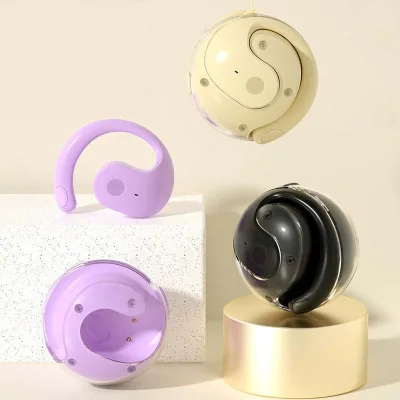


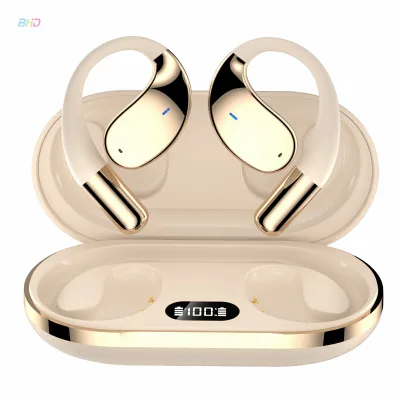
Ms188 Ai Translation Earbuds Real Time 144 Languages Wireless Earhook Headset
$10.99 - $12.50
MOQ: 50 Pieces


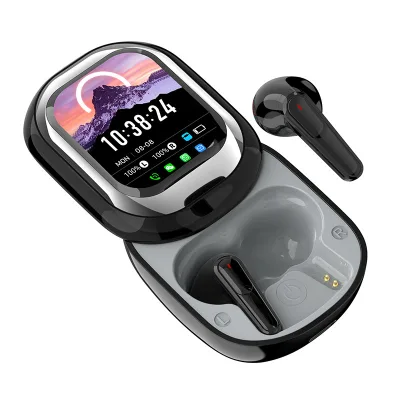


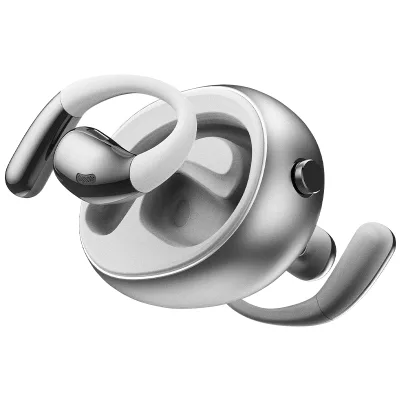
Smart Bluetooth Earphone in-Ear Ai Translation Headphones LCD Touch Earbuds
$8.99 - $9.99
MOQ: 500 Pieces


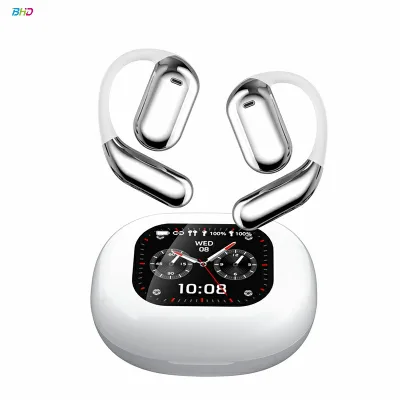


Comprehensive Sourcing Guide
Real Time Ai Translation Earbuds Sourcing Guide
Procuring real-time AI translation earbuds requires distinguishing between devices with basic wireless audio capabilities and those equipped with advanced on-device or cloud-based translation processing. The observed market data indicates a prevalence of Bluetooth v5.3 in-ear units featuring active noise cancellation, yet the specific "Level 3 Helmet H03" model number suggests a divergence in form factors that buyers must carefully audit. Sourcing teams must verify whether the listed "Touch Screen" and "Wireless" communication features are integrated with the necessary AI translation software stack or if they represent standard audio-only functionality.
Buyers should prioritize suppliers who explicitly define the translation mechanism, as the provided facts list generic features like "High Quality Voice" and "HiFi" without confirming AI processing capabilities. The presence of a Telink chipset is noted in the data, which is common for low-power Bluetooth audio, but this does not inherently guarantee real-time translation performance. Procurement strategies must focus on requesting firmware demonstrations and software compatibility lists to ensure the hardware can support the specific language pairs and latency requirements essential for professional or consumer translation use cases.
Product Scope and Observed Listing Signals
The current market listings reveal a wide variance in battery capacity and charging specifications, ranging from single-earbud batteries of 33mAh to larger case-based systems with 600mAh capacity. This inconsistency highlights the need for buyers to scrutinize the "Estimated Battery Life" claims, which fluctuate between 3-5 hours and 10 hours depending on the specific model configuration. Sourcing teams must correlate these battery figures with the actual power consumption of the AI translation features, as continuous processing significantly drains power compared to standard audio playback.
Listing signals also show diverse packaging and origin data, with products originating from Fujian and Guangzhou, China, and varying single package sizes from 15x10x8 cm to 11.3x8.4x3.5 cm. These physical dimensions often dictate the internal component layout and the feasibility of integrating larger batteries or cooling systems required for AI tasks. Buyers should use these observed ranges to set realistic expectations for device weight and portability, ensuring the selected unit fits the intended usage scenario, whether for mobile phone calls or DJ applications, without compromising on the necessary hardware for translation.
Technical Specifications to Verify
Verifying the wireless connectivity and latency is critical for real-time translation, as the observed data lists wireless delay times between 31-40 ms, which is generally acceptable for audio but may be tight for bidirectional conversation. Buyers must confirm that the Bluetooth v5.3 implementation supports the specific codecs required for high-fidelity audio transmission without compression artifacts that could degrade translation accuracy. The presence of Active Noise Cancellation (ANC) is a key feature to validate, as it ensures clear audio capture in noisy environments, which is a prerequisite for reliable speech-to-text processing.
Charging infrastructure and interface types also require strict verification, as the data shows a mix of Micro USB and USB jack types with charging times ranging from 40 minutes to 3 hours. Inconsistent charging standards can lead to logistical challenges for global distribution, making it essential to standardize on a specific interface type that aligns with the buyer's existing ecosystem. Additionally, the waterproof standard of IPX-4 offers basic protection against splashes, but buyers should assess if this rating is sufficient for the intended environment, especially if the devices are expected to be used during physical activities or in variable weather conditions.
Compliance and Safety Documentation
While the supplied facts do not explicitly list specific safety certifications, buyers must demand evidence of compliance with regional electrical safety standards for lithium-ion battery products. The observed battery capacities, ranging from under 200mAh to larger case batteries, necessitate verification against UN38.3 transport regulations and local safety approvals to ensure safe shipping and usage. Without explicit certification data in the listings, procurement teams should require third-party test reports to confirm that the battery management systems prevent overheating or overcharging, which are common risks in compact electronic devices.
Electromagnetic compatibility (EMC) is another critical area where documentation is often missing from basic product pages but essential for market entry. Buyers should verify that the devices meet the relevant EMC directives for the target market, ensuring that the Bluetooth v5.3 radio and any internal AI processing do not interfere with other electronic equipment. The absence of specific certification claims in the provided data means that the burden of proof lies with the supplier to demonstrate that the product has passed rigorous testing for radio frequency emissions and immunity, safeguarding the buyer from potential regulatory penalties.
Cost Drivers and Commercial Terms
The observed price range of 4.5 to 20.01 USD suggests a highly competitive market with significant cost variations based on feature sets and build quality. Buyers must analyze whether the lower price points correspond to basic audio-only units or if they include the necessary hardware for AI translation, as the latter typically commands a premium due to the cost of specialized chips and software licensing. The wide MOQ range of 1 to 500 units offers flexibility, but larger orders may unlock better pricing tiers that are essential for maintaining competitive margins in the final retail market.
Customization options, such as OEM logo services and private mold availability, are listed as available, yet the data indicates that private molds are currently "No" for some entries. This distinction is vital for branding strategies, as developing a private mold involves higher upfront costs and longer lead times but offers unique product differentiation. Buyers should negotiate clear terms regarding tooling costs and minimum order quantities for custom designs, ensuring that the commercial agreement balances the desire for unique branding with the financial constraints of the project.
Supplier Qualification and Quality Control
Supplier qualification should focus on verifying the consistency of production origins, as the data shows products coming from both Fujian and Guangzhou, China. Buyers must assess the manufacturing capabilities of each facility to ensure they can maintain consistent quality across different batches, particularly for complex electronics involving AI processing. The presence of "High Quality Voice" as a feature claim requires objective validation through sample testing, as subjective marketing terms do not guarantee the performance standards necessary for professional translation applications.
Quality control protocols must be established to address the variability in observed specifications, such as the differing battery capacities and playing times across models. Implementing a rigorous incoming inspection process is essential to catch discrepancies between the ordered specifications and the actual delivered goods. Buyers should require suppliers to provide detailed quality assurance reports that cover functional testing of the ANC, Bluetooth connectivity, and battery life to ensure that every unit meets the agreed-upon performance benchmarks before shipment.
Long-Term Procurement Checks
Long-term procurement success depends on establishing a clear roadmap for software updates and firmware support, as AI translation capabilities rely heavily on continuous software improvements. Buyers should verify the supplier's commitment to providing regular updates that enhance language support and fix bugs, ensuring the devices remain functional and relevant over time. The lack of explicit software support terms in the current data necessitates a contractual agreement that defines the duration and scope of post-launch technical support and update availability.
Supply chain resilience is another critical factor, given the observed variations in lead times and production locations. Buyers must develop contingency plans to mitigate risks associated with single-source dependencies or potential disruptions in the supply of key components like the Telink chipset. Regular audits of the supplier's inventory levels and production capacity will help ensure a steady supply of products, preventing stockouts that could disrupt sales and damage brand reputation in the competitive earbud market.
FAQs
What Bluetooth version do these earbuds support?
These earbuds support Bluetooth v5.3 for stable wireless connectivity. This standard ensures low latency and reliable pairing with mobile phones and DJ equipment. The wireless delay time is typically between 31-40 ms, providing a responsive experience for real-time audio transmission without significant lag or connection drops during use.
How long does the battery last on a single charge?
The estimated battery life ranges from 3 to 5 hours depending on usage intensity. Some models offer up to 6-8 hours of playing time with the case. The earphone battery capacity varies, with some units featuring 33mAh or 45mAh per earbud, ensuring sufficient power for daily communication tasks and mobile phone integration.
Can these earbuds cancel background noise effectively?
Yes, these earbuds feature Active Noise Cancellation (ANC) technology. This function helps isolate voice clarity by reducing ambient environmental sounds. Combined with high-quality voice features, the ANC ensures that your speech remains clear during calls or translations, making them suitable for noisy environments like busy offices or outdoor settings.
What is the waterproof rating for these devices?
These earbuds meet the IPX-4 waterproof standard. This rating protects against water splashes from any direction, making them durable for daily use. While not fully submersible, the IPX-4 certification ensures resistance to sweat and light rain, maintaining functionality and longevity for users engaging in active lifestyles or outdoor activities.
Are these earbuds customizable for branding purposes?
Yes, customization is available for these earbuds. Buyers can request OEM services to customize logos or packaging. The products support private mold options in some cases, though many are standard designs. This flexibility allows businesses to brand the earbuds for specific marketing campaigns or corporate gifting needs effectively.
What charging interface is used for these earbuds?
These earbuds typically use a Micro USB charging interface. The charging time ranges from 40 minutes to 3 hours depending on the specific model. This standard interface ensures compatibility with common charging cables, allowing users to easily recharge the devices using existing power banks or wall adapters found in most travel kits.