Source Garden Stakes for Plant Support, Nursery, and Landscaping
Source 30 garden stakes options for plant support, nursery production, and landscaping. Compare steel and plastic materials, varying sizes, and custom packaging to find durable solutions for agricultural and horticultural needs; compare the available evidence and request quotations based on your requirements.
Key considerations
Products List
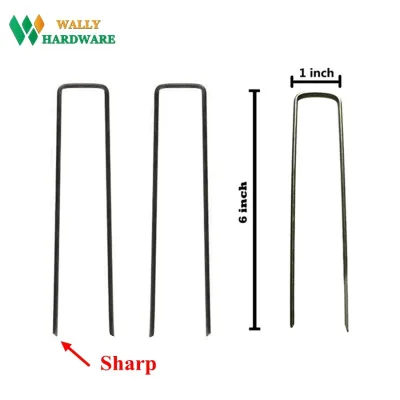
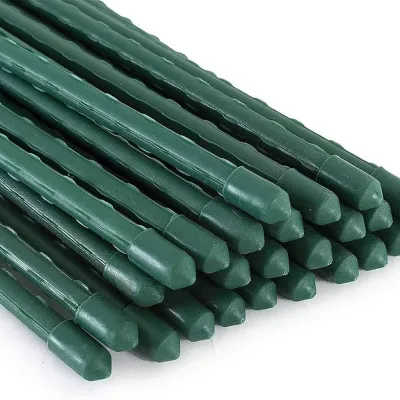
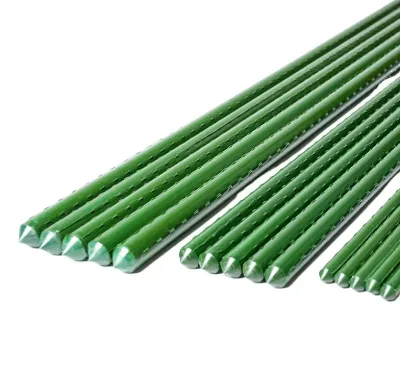
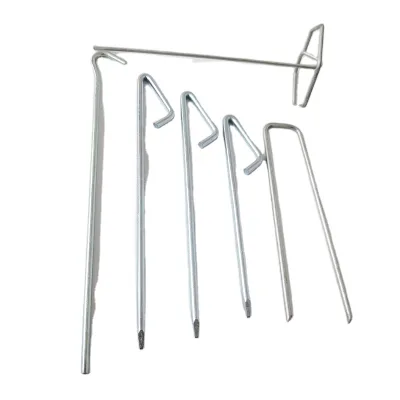


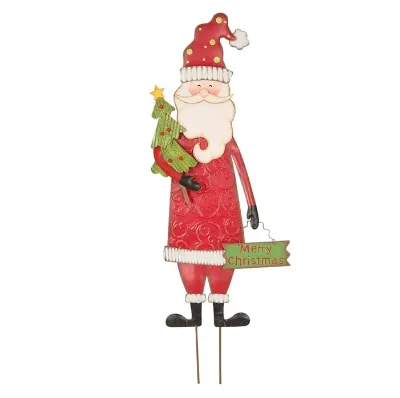
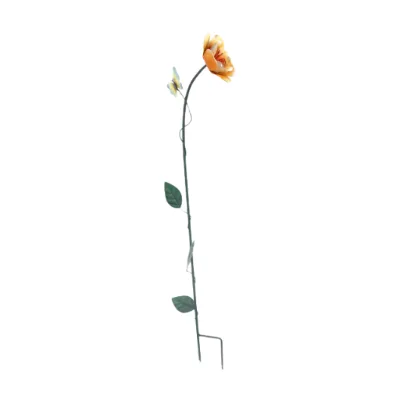

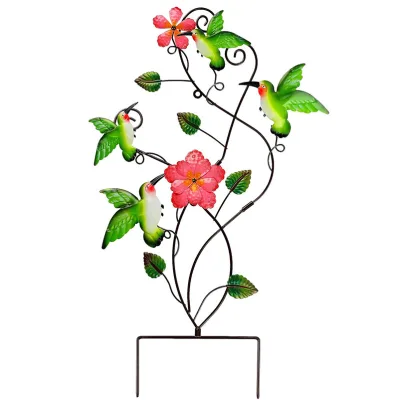
Comprehensive Sourcing Guide
Garden Stakes Sourcing Guide
Buyers must first distinguish between the diverse product categories available, as the market offers distinct variations ranging from simple U-shaped plant supports to complex spiral stakes and heavy-duty rack systems. The observed listings reveal a significant divergence in material composition, with some products utilizing pure steel while others combine metal with plastic coatings to enhance durability and aesthetic appeal. This variation directly impacts the intended application, as certain designs are optimized for general garden use, while others are engineered for specific environments like flower nurseries, shopping malls, or hotel landscaping.
Procurement decisions should be anchored in the specific functional requirements of the project, as the observed data indicates a wide spectrum of sizes and structural features. Some suppliers offer stakes with precise dimensions such as 11mm or 16mm diameters, while others provide a broader range of lengths from 60cm to 150cm to accommodate different plant heights. Understanding whether the project requires a modern, traditional, or farmhouse style is critical, as these stylistic choices often correlate with specific finishing processes like PE coating or galvanization, which in turn influence the product's longevity and resistance to environmental degradation.
Product Scope and Observed Listing Signals
The market signals indicate that garden stakes are frequently marketed with specific branding and customization options, such as the "Gold Sun" and "Yongchuang" labels, which suggest a competitive landscape where brand identity plays a role in buyer selection. Buyers should note that many listings emphasize eco-friendly and durable features, often paired with customizable logos and packaging, which is particularly relevant for large-scale agricultural or horticultural projects where branding consistency is required. The presence of "Customized Packaging" and "Customized Logo Acceptable" attributes highlights a supply chain capable of tailoring products to specific client needs rather than offering a one-size-fits-all solution.
Observations of the product listings also reveal a strong emphasis on versatility, with applications extending beyond simple garden use to include wall, desktop, hanging, and floor installations in commercial settings like hotels and shopping malls. This broad application scope suggests that the product category is not limited to outdoor agriculture but serves interior design and commercial landscaping sectors as well. Buyers must carefully evaluate the "Style" attributes, which range from modern to farmhouse, to ensure the selected stakes align with the visual aesthetic of the intended installation environment, as mismatched styles can compromise the overall design integrity of a project.
Technical Specifications to Verify
Technical verification must begin with the physical dimensions and material composition, as the observed data presents conflicting specifications regarding shank diameter and overall size that require clarification before ordering. While some listings specify a shank diameter of 3.5mm and a length of 6 inches, others detail larger diameters of 8mm, 11mm, and 16mm with lengths extending up to 150cm. Buyers must explicitly confirm the exact wire diameter and length requirements for their specific plants, as the structural integrity of the stake depends heavily on these measurements, particularly when supporting heavy or tall vegetation in windy conditions.
The finishing process and material grade are equally critical technical factors that determine the product's resistance to corrosion and mechanical stress. The supply chain offers products with PE coating, galvanization, and combinations of metal and plastic, each offering different levels of protection against rust and weathering. Buyers should verify the specific surface treatment applied to the steel or iron components, as the "High" product grade mentioned in some listings implies superior material quality that may justify a higher cost. Additionally, the single package size and gross weight data provided in listings must be cross-referenced with shipping constraints to ensure logistical feasibility.
Compliance and Safety Documentation
While the provided product data does not explicitly list specific certification numbers, buyers must request documentation proving that the materials used meet international safety and environmental standards, particularly for products intended for food-producing agricultural environments. The "Eco-friendly" attribute frequently cited in listings should be substantiated with third-party test reports confirming that the PE coating or galvanized layers do not leach harmful substances into the soil or onto the plants. Without such verification, there is a risk that the product could contaminate crops or violate local environmental regulations, especially in regions with strict agricultural compliance requirements.
Safety documentation should also address the structural integrity of the stakes to prevent injury during installation or use, particularly for heavier models or those used in high-traffic commercial areas. Buyers should inquire about the testing protocols used to validate the "Durable" and "Easily Assembled" claims, ensuring that the stakes can withstand the mechanical loads they are designed to support without bending or breaking. Although specific test results are not provided in the source data, the absence of such documentation should be treated as a red flag, prompting the buyer to demand proof of performance before finalizing any procurement agreement.
Cost Drivers and Commercial Terms
The cost of garden stakes is heavily influenced by the complexity of the finishing process and the volume of the order, as evidenced by the wide range of observed MOQs from 500 pieces to 20,000 pieces. Buyers must understand that smaller order quantities often incur higher per-unit costs due to the setup expenses associated with custom packaging and logo printing, which are frequently requested features in the market. The variation in material composition, such as the use of pure steel versus plastic-metal composites, also creates significant price disparities that must be factored into the total cost of ownership, including shipping and handling.
Commercial terms regarding payment and delivery are critical components of the procurement strategy, as the observed data indicates a variety of accepted payment methods including T/T, PayPal, and L/C. Buyers should negotiate lead times carefully, noting that the standard delivery window of 7-15 workdays may vary based on the complexity of customization and the current production capacity of the supplier. The "Express" shipping option mentioned in some listings suggests that expedited delivery is available, but this likely comes at a premium cost that must be weighed against the urgency of the project timeline.
Supplier Qualification and Quality Control
Supplier qualification should focus on verifying the place of origin and the manufacturing capabilities, as the data indicates production from multiple Chinese provinces including Shandong, Fujian, and Hebei, each potentially offering different quality standards and logistical advantages. Buyers must assess the supplier's ability to maintain consistent quality across large production runs, especially when dealing with customized specifications like specific diameters, lengths, and surface treatments. The presence of multiple suppliers with similar product descriptions suggests a need for rigorous vetting to ensure that the selected partner can consistently deliver products that meet the agreed-upon technical and aesthetic requirements.
Quality control processes must be established to verify that the finished goods match the sample specifications, particularly regarding the "Single gross weight" and "Single package size" which affect shipping costs and inventory management. Buyers should implement a pre-shipment inspection protocol to check for defects in the PE coating, galvanization, or structural integrity of the stakes, ensuring that the "High" product grade claimed by the supplier is actually delivered. Given the variation in observed attributes, a clear quality assurance plan is essential to prevent the receipt of substandard products that could fail in the field or damage the buyer's reputation.
Long-Term Procurement Checks
Long-term procurement success depends on establishing a reliable supply chain that can adapt to changing market demands and seasonal fluctuations in the need for garden stakes. Buyers should monitor the supplier's ability to maintain consistent lead times and inventory levels, as the observed delivery times of 7-15 workdays may be subject to change during peak seasons or supply chain disruptions. Building a relationship with a supplier who offers flexible customization options, such as adjustable packaging and logo placement, will provide the agility needed to respond to evolving project requirements without significant delays.
Continuous performance monitoring is essential to ensure that the garden stakes continue to meet the durability and safety expectations over time, particularly as they are exposed to varying environmental conditions. Buyers should track the performance of the products in the field, looking for signs of premature wear, corrosion, or structural failure that might indicate a need to switch suppliers or adjust specifications. By maintaining a proactive approach to supplier management and quality assurance, buyers can mitigate risks and ensure a steady supply of high-quality garden stakes that support their agricultural and horticultural operations effectively.
FAQs
What materials are used for garden stakes?
Garden stakes are primarily constructed from steel, iron, or a combination of plastic and metal. Some products feature PE coating or galvanized surfaces to enhance durability and resistance to environmental factors. These material choices ensure the stakes remain sturdy and eco-friendly for long-term use in various gardening applications.
What sizes are available for garden stakes?
Available sizes include diameters of 8mm, 11mm, and 16mm with lengths ranging from 60cm to 150cm. Specific product specifications also list sizes of 11mm, 16mm, and 20mm. Buyers can select the appropriate diameter and length based on the weight and height of the plants they intend to support effectively.
Can garden stakes be customized with a logo?
Yes, customized logos are acceptable for many garden stake products. Buyers can request specific branding to be applied to the stakes or their packaging. This customization option allows businesses to maintain brand visibility while sourcing durable and eco-friendly support stakes for their agricultural or horticultural needs.
What is the typical MOQ for garden stakes?
The minimum order quantity varies by supplier, typically ranging from 500 pieces to 5000 pieces. Some listings indicate an MOQ of 500pcs, while others require 5000pcs. Buyers should verify the specific MOQ with the manufacturer to ensure it aligns with their procurement volume and budget constraints.
Where are garden stakes manufactured?
Garden stakes are manufactured in several regions of China, including Shandong, Fujian, and Hebei provinces. These locations host factories producing steel, iron, and plastic-metal composite stakes. Buyers can source products from these regions, considering factors like lead times and shipping options when selecting a supplier.
What is the lead time for garden stakes?
The delivery time for garden stakes is typically 7-15 workdays. This timeframe allows manufacturers to process orders and prepare shipments. Buyers should account for this lead time when planning their inventory, especially if they require customized packaging or specific product specifications for their projects.