Source Crystal Ball for Souvenirs, Decor, and Gifts
Explore 30 Crystal Ball options for souvenirs, home decoration, and holiday gifts. Buyers can compare sizes, materials, and customization features to find the right product for their specific needs and requirements; compare the available evidence and request quotations based on your requirements.
Key considerations
Products List
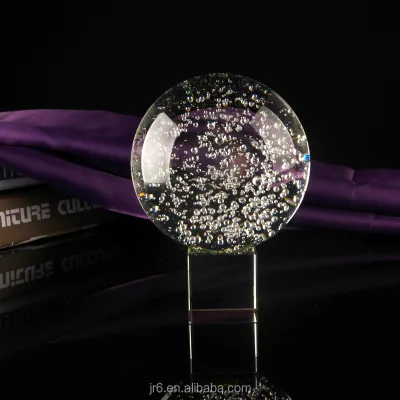


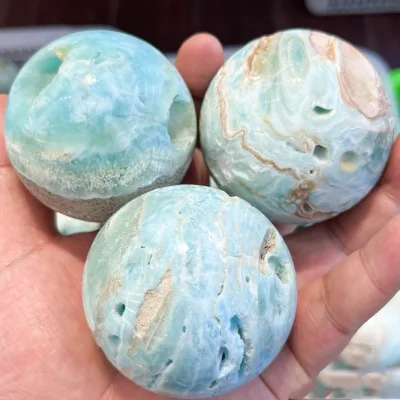
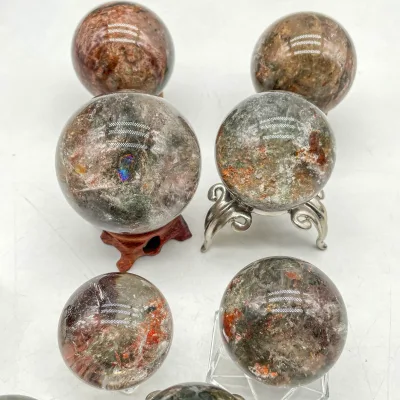
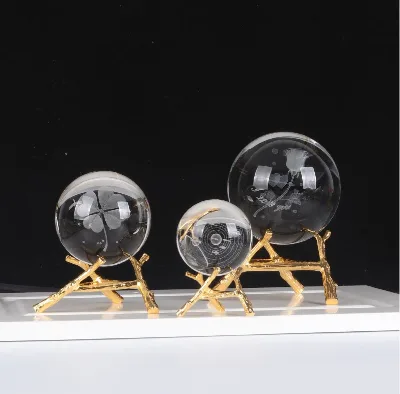
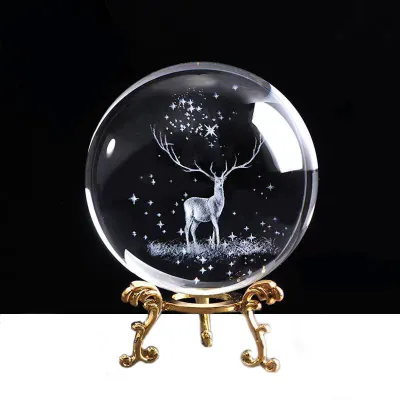
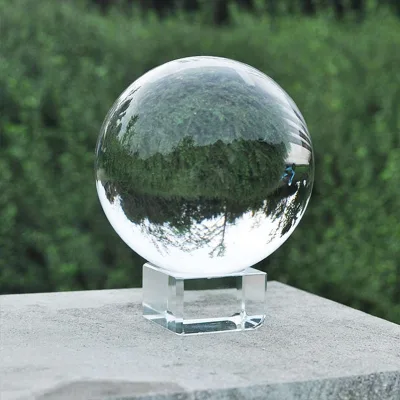
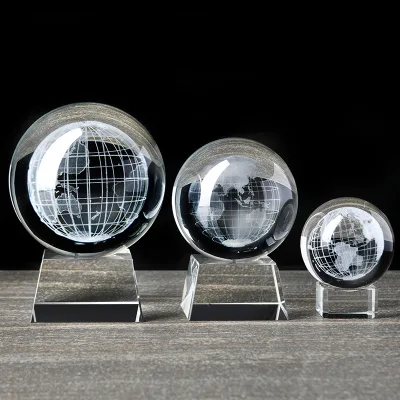
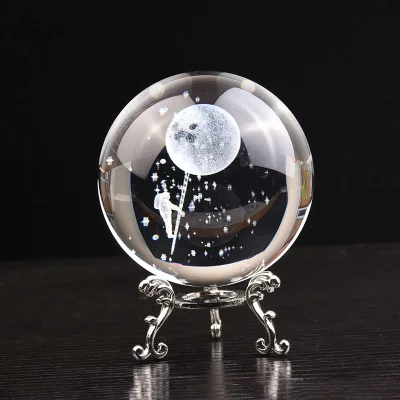
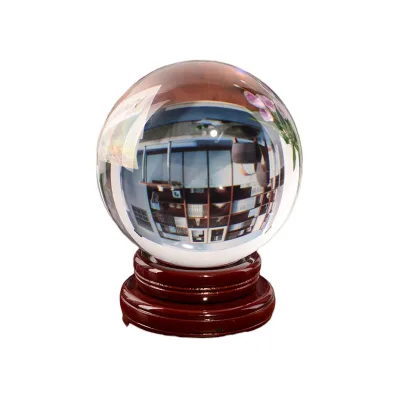


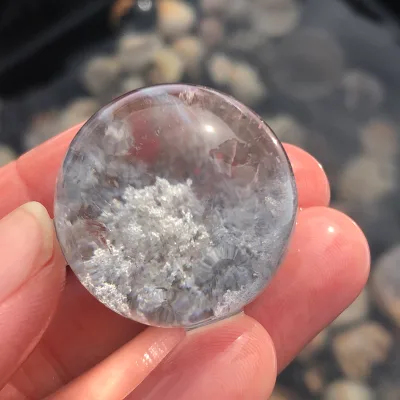
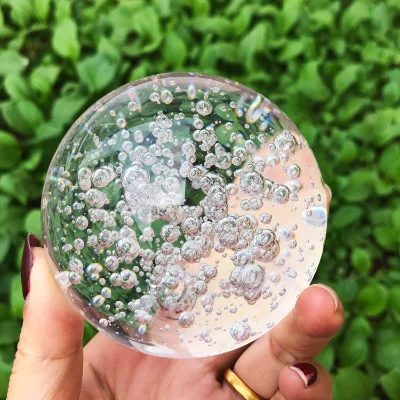


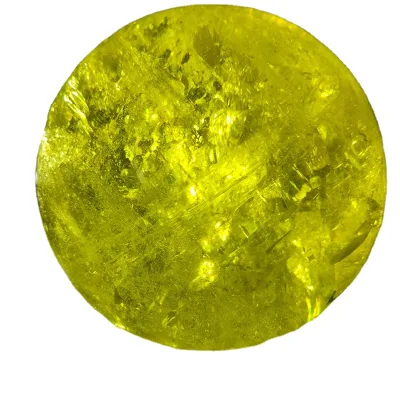

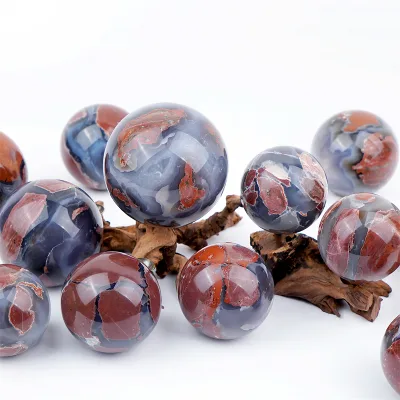

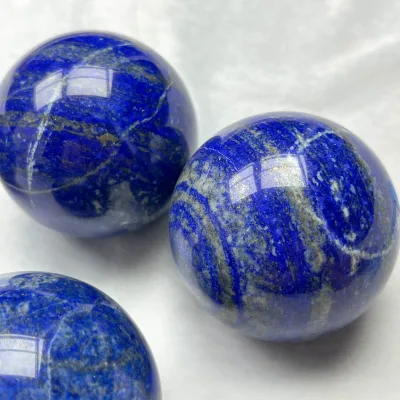
Comprehensive Sourcing Guide
Crystal Ball Sourcing Guide
Buyers evaluating Crystal Ball products must first distinguish between decorative glass spheres and functional lighting units, as the market presents distinct categories with different procurement requirements. The observed listings reveal a split between pure ornamental items, such as faceted glass balls with VVS clarity and polished techniques, and illuminated units featuring USB power sources, 24V voltage, and changeable emitting colors. Understanding this fundamental product scope is critical before initiating contact with suppliers, as the technical verification steps for a static souvenir differ significantly from those required for an active electronic lighting fixture.
Procurement teams should also note the wide variance in customization options and packaging standards observed across the current market. While some listings offer standard cartons for bulk orders, others provide specialized gift-safe boxes for high-end wedding or business gifts, directly impacting the final landed cost. The presence of customer logo customization and specific shape variations, ranging from round to big ball formats, indicates that buyers must define their exact aesthetic and functional needs early in the process to avoid receiving samples that do not align with their intended application, whether for home decoration, daily use, or art collection.
Product Scope and Observed Listing Signals
When analyzing product listings, buyers must verify the specific material composition, as the data indicates a mix of artificial crystal and glass materials rather than a single uniform standard. Some products are explicitly described as having VVS clarity and being transparent, suitable for high-end art collection, while others are defined by their wooden lamp body material and electric power source, serving a functional lighting purpose. This distinction is vital because the durability and aesthetic value of an artificial Crystal Ball differ substantially from a polished glass sphere, requiring different handling and quality assurance protocols during the sourcing phase.
The observed listing signals also highlight significant variations in intended usage and thematic design that influence the selection process. Products are marketed for diverse occasions including weddings, daily use, and business gifts, with specific themes like "Love" or novelty features such as luminous capabilities. Buyers should scrutinize the option lists, which include crystal balls, 3D laser crystal balls, and clear crystal balls, to ensure the selected item matches the specific event or retail category. Misinterpreting a decorative souvenir as a functional light fixture, or vice versa, can lead to significant mismatches in performance expectations and customer satisfaction.
Technical Specifications to Verify
Technical verification begins with confirming the power and electrical safety parameters for any illuminated Crystal Ball units, as the observed data specifies a 24V voltage and USB power source. Buyers must ensure that the listed 5W power rating aligns with their intended usage environment and that the IP33 rating provides sufficient protection against dust and water splashes for the planned installation location. It is essential to request detailed electrical schematics and test reports to validate that the changeable emitting color and pullswitch operation function reliably without overheating or electrical failure during extended operation.
For non-electric decorative spheres, the focus shifts to verifying physical dimensions and optical properties against the provided specifications. Listings mention sizes ranging from 150mm to 200mm glass, with techniques including polishing and carving or engraving, which directly affect the visual impact and structural integrity of the item. Buyers should request physical samples to confirm the VVS clarity, transparency, and the precision of the faceted glass ball standard, ensuring that the product meets the aesthetic requirements for its specific application, such as a wedding centerpiece or a home decoration piece.
Compliance and Safety Documentation
Compliance verification is mandatory for any Crystal Ball product that includes electrical components, requiring confirmation of RoHS and CE certifications to ensure safety and environmental standards are met. The presence of these certifications suggests that the manufacturer adheres to specific regulations regarding hazardous substances and electrical safety, but buyers must request valid, up-to-date test reports from accredited laboratories rather than relying solely on supplier claims. This step is particularly important for products intended for export to markets with strict regulatory frameworks, where non-compliance can result in customs delays or product recalls.
For decorative items without electrical components, compliance focuses on material safety and labeling accuracy, ensuring that the artificial crystal or glass materials do not contain harmful substances. Buyers should verify that the product origin, listed as Fuzhou or China, aligns with the country of origin requirements for their target market and that the packaging standards, whether standard cartons or gift-safe boxes, meet local import regulations. Additionally, confirming that the product features, such as eco-friendly claims or novelty aspects, are substantiated by relevant documentation helps mitigate the risk of misleading marketing and ensures the product meets the ethical standards of the end consumer.
Cost Drivers and Commercial Terms
Cost drivers for Crystal Ball products are heavily influenced by the complexity of the customization and the specific material quality, with prices observed ranging from 0.12 to 360.9 USD. Higher price points are typically associated with larger sizes, such as the 200mm glass ball, intricate carving techniques, and premium packaging like gift-safe boxes, whereas smaller, standard items with basic features command lower prices. Buyers must analyze the cost structure to understand how factors like the inclusion of a customer logo, the choice of option such as a 3D laser Crystal Ball, or the specific theme impact the final unit cost and overall budget.
Commercial terms, including Minimum Order Quantity (MOQ) and lead times, vary significantly across the market, with observed MOQs ranging from 1 to 1000 units and a specific listing noting 50 PCS. Buyers should negotiate terms that align with their inventory strategy, considering that custom orders with specific logos or unique shapes may require higher MOQs and longer production lead times compared to standard stock items. It is crucial to clarify the payment terms, shipping methods, and the handling of defects or damages during transit to ensure a smooth procurement process and protect the financial interests of the buyer.
Supplier Qualification and Quality Control
Supplier qualification requires a thorough assessment of the manufacturer's production capabilities, particularly their ability to handle both glass and electronic components if the product is a hybrid unit. Buyers should verify the supplier's experience with specific techniques like polishing, carving, and engraving, as well as their quality control processes for ensuring the VVS clarity and transparency of the crystal balls. Requesting a factory audit or a detailed video tour can provide insight into the production environment and the consistency of the manufacturing process, which is essential for maintaining high standards across large orders.
Quality control protocols must be established to address the specific risks associated with fragile glass and electronic components, such as breakage during shipping or electrical failures. Buyers should implement a rigorous inspection plan that includes pre-production sample approval, in-process quality checks, and final random inspections based on AQL standards. It is also important to verify the packaging integrity, ensuring that the standard packing or gift-safe box provides adequate protection against impact and moisture, thereby minimizing the risk of damage and ensuring that the product arrives in perfect condition for the end customer.
Long-Term Procurement Checks
Long-term procurement success depends on establishing a robust relationship with the supplier that includes regular performance reviews and continuous quality monitoring. Buyers should schedule periodic audits to ensure that the supplier maintains the agreed-upon standards for material quality, such as the artificial crystal or glass composition, and that the production processes remain consistent over time. This proactive approach helps identify potential issues early, such as changes in material sourcing or manufacturing techniques, allowing for timely corrective actions before they impact the final product quality.
Sustainability and adaptability are also key factors for long-term procurement, requiring buyers to monitor the supplier's ability to respond to market trends and regulatory changes. As consumer preferences shift towards eco-friendly products or new design themes, the supplier must demonstrate flexibility in offering customization options and maintaining compliance with evolving standards. By fostering a collaborative partnership and maintaining open communication channels, buyers can ensure a steady supply of high-quality Crystal Ball products that meet their evolving business needs and customer expectations.
FAQs
What materials are used for Crystal Ball products?
The products are made from artificial crystal with a polished technique. Some variants feature a wooden lamp body for modern style. The material is transparent and rated VVS clarity, ensuring a beautiful and clear appearance suitable for home decoration or art collection purposes.
Can I customize the logo on these crystal balls?
Yes, customization is available for customer logos. You can choose options with or without a logo. The product supports custom designs, allowing you to brand the Crystal Ball for souvenirs, business gifts, or holiday presents while maintaining the high-quality polished finish.
What certifications do these crystal balls have?
The products hold RoHS and CE certifications. These standards ensure safety and compliance for electronic components like the USB-powered lamp variants. The certifications apply to the functional aspects, making them suitable for daily use and decoration while meeting international quality requirements.
What is the minimum order quantity for these items?
The minimum order quantity is 50 pieces. This MOQ applies to the standard Crystal Ball products listed. Buyers can order in bulk for souvenirs or gifts, with packaging provided in cartons or gift safe boxes depending on the specific model and customization requirements.
How are the crystal balls packaged for shipping?
Packaging options include standard cartons and gift safe boxes. The standard packing ensures safe transport for bulk orders. Gift safe boxes are available for premium items like the 150mm glass ball. This protects the polished artificial crystal during transit to destinations like Fuzhou or globally.
What sizes are available for the Crystal Ball models?
Available sizes include 150mm and 200mm glass options. The 150mm model is a faceted glass ball, while the 200mm is a big round ball. Some variants are listed as one size. These dimensions suit various uses, from small souvenirs to large home decoration pieces.