Source Handmade Engraved Desktop Calendar Stand for Office, Home, and Gifts
Find a Handmade Engraved Desktop Calendar Stand from 30 verified listings. Compare options made from solid wood or coated paper, featuring custom designs, ISO certifications, and various finishing techniques like UV coating or film lamination for your specific sourcing needs.
Key considerations
Products List


Custom Printing Desktop Calendar Desk Business Table Monthly Calendar 2026
$0.80 - $1.50
MOQ: 500 Pieces


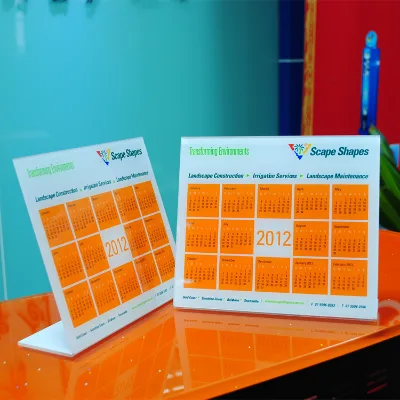
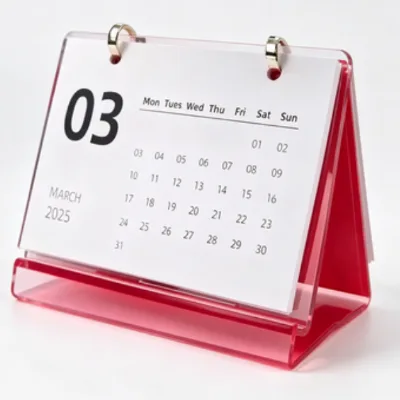


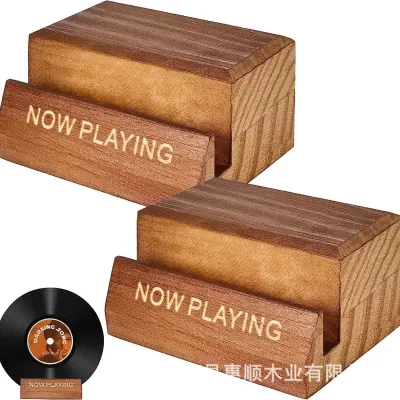


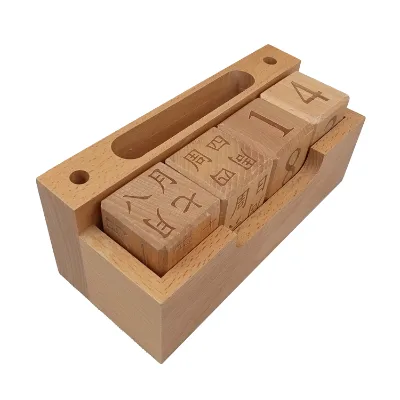
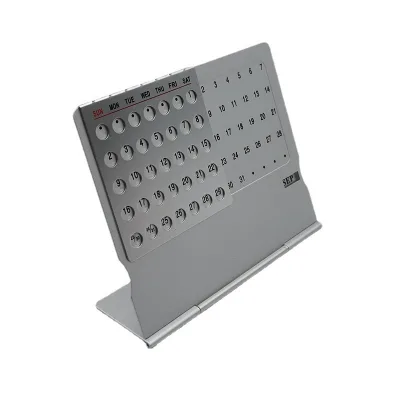


Comprehensive Sourcing Guide
Handmade Engraved Desktop Calendar Stand Sourcing Guide
Sourcing handmade engraved desktop calendar stands requires a nuanced understanding of material integrity and artisanal craftsmanship. Buyers must distinguish between mass-produced printed items and true engraved pieces, which often involve laser or mechanical etching into solid wood or coated paper substrates. The observed market signals indicate a strong presence of suppliers in Guangdong and Jinhua, China, offering both standard and customized designs. These regions are known for their robust manufacturing ecosystems, yet the "handmade" label necessitates careful verification of production methods to ensure the product meets aesthetic expectations.
Procurement teams should prioritize suppliers who explicitly offer customization services, including logo integration and unique shape modifications. The data shows a wide range of models, from specific codes like DY-169 to generic OEM options, suggesting flexibility in design. However, the term "handmade" may sometimes be used loosely in listings; therefore, buyers must request detailed process descriptions. Understanding whether the engraving is done by hand or by automated machinery is crucial for quality control, as it affects consistency, durability, and the final tactile experience of the product.
Product Scope and Observed Listing Signals
The current market landscape for desktop calendars includes a diverse array of styles, from simple rectangular shapes to custom designs. Observed listings highlight products made from solid wood, artpaper, and coated paper, with surface finishes ranging from film lamination to UV coating. The price range of 0.1 to 40 USD reflects this variability, with lower costs associated with standard paper-based calendars and higher prices for premium wooden or intricately engraved options. Buyers should note that many suppliers offer free samples, which is a critical step in evaluating the quality of engraving and material feel before committing to large orders.
Customization is a dominant feature in this category, with many suppliers accepting OEM requests and providing customized logos. The observed MOQs vary significantly, from as low as 1 piece to 2000 pieces, allowing for both small-batch boutique orders and large corporate gifting campaigns. Products are often described with specific dimensions, such as 13515090mm or A4/A5/A6 sizes, indicating that buyers can tailor the physical footprint to their display needs. The presence of trade terms like EXW, FOB, DAP, and DDP suggests that logistics flexibility is available, but buyers must clarify who handles shipping and insurance to avoid hidden costs.
Technical Specifications to Verify
When evaluating technical specifications, buyers must focus on material composition and structural durability. Solid wood stands offer a premium feel and longevity, while paper-based options are lighter and more cost-effective. It is essential to verify the thickness of the wood or paper stock, as this directly impacts the stability of the calendar stand. Additionally, the binding method, such as spiral binding for paper calendars, should be assessed for ease of use and resistance to wear. The surface treatment, whether UV coating or film lamination, plays a significant role in protecting the engraved design from fading or scratching over time.
Dimensional accuracy is another critical technical aspect. Buyers should confirm whether the product adheres to standard sizes like 8.53.814.5cm or if it is fully customized. The single weight of products, observed at around 0.25 Kg for some items, helps in calculating shipping costs and handling requirements. Furthermore, the printing method, typically offset printing for paper products, should be verified to ensure color accuracy, especially when using CMYK or Pantone colors. Buyers must also check the packaging details, such as OPP bags or carton boxes, to ensure the product arrives without damage during transit.
Compliance and Safety Documentation
Compliance with international standards is vital for importing desktop calendars, particularly those intended for corporate gifts or retail sale. Suppliers often cite certifications such as ISO 9001, FSC, and Sedex, which indicate adherence to quality management, sustainable forestry practices, and ethical labor standards. Buyers should request valid certificates for these standards, especially if the product is made from wood, to ensure the supply chain is responsible and transparent. The presence of these certifications can also enhance the brand image of the buyer, demonstrating a commitment to sustainability and ethical sourcing.
Safety documentation should include material safety data sheets, particularly for products with surface coatings or inks. While specific test results are not provided in the observed data, buyers should inquire about compliance with relevant chemical regulations in their target markets, such as REACH in Europe or CPSIA in the United States. For paper-based products, verifying that the inks and coatings are non-toxic is crucial. Additionally, buyers should ensure that the product labeling meets local requirements, including country of origin markings and care instructions, to avoid customs delays or regulatory penalties.
Cost Drivers and Commercial Terms
The cost of handmade engraved desktop calendar stands is influenced by several factors, including material choice, customization complexity, and order volume. Solid wood and premium artpaper are more expensive than standard paper, and intricate engraving designs require more time and skill, increasing labor costs. The observed MOQ of 500 PCS for some customized items suggests that economies of scale play a significant role in pricing. Buyers should negotiate based on volume tiers, as larger orders often result in lower unit prices. Additionally, the choice of surface finish, such as UV coating or film lamination, can add to the overall cost.
Commercial terms also impact the total landed cost. Suppliers offer various trade terms, including EXW, FOB, DAP, and DDP, each with different implications for shipping and insurance responsibilities. Buyers must carefully evaluate these terms to understand who bears the risk and cost during transit. Packaging costs, such as the use of carton boxes or OPP bags, should be included in the price negotiation. Furthermore, the availability of free samples is a valuable benefit, but buyers should clarify if shipping costs for samples are covered. Understanding these commercial nuances helps in creating an accurate budget and avoiding unexpected expenses.
Supplier Qualification and Quality Control
Qualifying suppliers for handmade engraved products requires a thorough assessment of their production capabilities and quality control processes. Buyers should verify the supplier's experience in engraving and custom manufacturing, requesting examples of previous work to assess craftsmanship. The ability to provide customized designs and logos is a key indicator of flexibility, but buyers must ensure that the supplier has the technical expertise to execute these designs accurately. Visiting the factory or conducting virtual audits can provide insights into the production environment and the level of automation versus manual labor involved.
Quality control measures should be clearly defined before placing an order. Buyers should establish acceptance criteria for engraving depth, color accuracy, and material finish. Requesting pre-production samples is essential to verify that the final product meets expectations. Additionally, buyers should inquire about the supplier's defect rate and their process for handling quality issues. The presence of a sourcing agent service can be beneficial for buyers who need assistance in managing supplier relationships and conducting inspections. Establishing a clear communication channel and detailed specifications document helps minimize misunderstandings and ensures consistent quality across orders.
Long-Term Procurement Checks
Long-term procurement success depends on building a sustainable and reliable supply chain for desktop calendar stands. Buyers should regularly review supplier performance metrics, including on-time delivery, product quality, and responsiveness to issues. Maintaining open communication and providing feedback on past orders helps suppliers improve their services. It is also important to stay updated on market trends and material availability, as changes in wood or paper prices can impact costs. Diversifying suppliers can mitigate risks associated with single-source dependency, ensuring continuity of supply even during disruptions.
Continuous improvement in product design and customization options is crucial for maintaining competitiveness. Buyers should collaborate with suppliers to explore new materials, finishes, and engraving techniques that enhance the product's appeal. Regularly updating the product catalog to reflect seasonal trends or corporate branding needs keeps the offering relevant. Additionally, monitoring regulatory changes in target markets ensures ongoing compliance. By fostering strong relationships with qualified suppliers and maintaining rigorous quality standards, buyers can secure a steady supply of high-quality handmade engraved desktop calendar stands that meet their business objectives.
FAQs
Can I get a custom logo on the calendar?
Yes, custom logos are available for this product. The supplier accepts customized branding requests to meet specific buyer needs. This service allows businesses to enhance brand visibility through personalized desk calendars designed for office gifts and home decoration purposes.
What certifications do the manufacturers hold?
Manufacturers hold ISO 9001, FSC, Sedex, and Chs certifications. These credentials ensure quality management and sustainable sourcing practices. Buyers can verify these standards to confirm compliance with international safety and environmental requirements for office gifts and decoration items.
What is the minimum order quantity required?
The minimum order quantity is 500 pieces for this item. Some listings show a range from one to two thousand units depending on the specific model. Buyers should confirm the exact MOQ with the supplier before placing an order for custom designs.
Where are these calendars manufactured?
These calendars are manufactured in Guangdong and Jinhua, China. The production origin is explicitly stated as Made in China. Buyers sourcing from these regions can expect established supply chains for paper and wood-based office decoration products.
How can I request a sample of the product?
Free samples are offered for this product upon request. Buyers can evaluate the quality of the coated paper and UV coating finish before committing to a bulk order. This service helps verify the custom design and printing quality for office gifts.
What materials are used for the calendar stand?
The calendar stand is made from solid wood and artpaper. Some models use coated paper with film lamination for durability. These materials ensure a sturdy structure suitable for desk use while providing a premium look for home decoration and office settings.
What trade terms are accepted for shipping?
Accepted trade terms include EXW, FOB, DAP, and DDP. These options provide flexibility for international buyers regarding shipping responsibilities and costs. Buyers can select the term that best fits their logistics strategy when sourcing from Chinese manufacturers.