Source Electroplated Clothes Pins for tags, labels, and displays
Compare 30 listings for Electroplated Clothes Pins suitable for hanging tags, garment labels, and retail displays. Buyers can evaluate specifications like size, material, and customization options from verified suppliers in Guangdong, China; compare the available evidence and request quotations based on your requirements.
Key considerations
Products List





Comprehensive Sourcing Guide
Electroplated Clothes Pins Sourcing Guide
Sourcing Electroplated Clothes Pins requires a nuanced understanding of the distinction between functional fasteners and decorative accessories, as the market often conflates these categories. Buyers must first clarify whether the procurement goal is to secure garment tags with durable, high-volume plastic or metal pins, or to acquire branded lapel pins for organizational or promotional use. The supplied data indicates a significant divergence in product types, ranging from simple polypropylene clips designed for retail tagging to complex metal enamel pins featuring safety pin attachments. This ambiguity necessitates a rigorous initial screening process to ensure that the supplier’s catalog aligns with the specific mechanical and aesthetic requirements of the end product.
Procurement teams should also evaluate the geographic and logistical implications of sourcing from major manufacturing hubs like Guangdong, China, which is identified as a primary origin for these items. The region offers a mature supply chain for both plastic injection molding and metal stamping, yet this concentration can lead to varied quality standards depending on the specific factory’s specialization. Buyers must verify if the supplier handles both the electroplating process and the final assembly in-house, as outsourcing these steps can introduce variability in finish durability and dimensional accuracy. Understanding the supplier’s internal capabilities is crucial for maintaining consistency across large orders, particularly when dealing with mixed material specifications such as metal bodies with plastic coatings or fully metallic constructions.
Product Scope and Observed Listing Signals
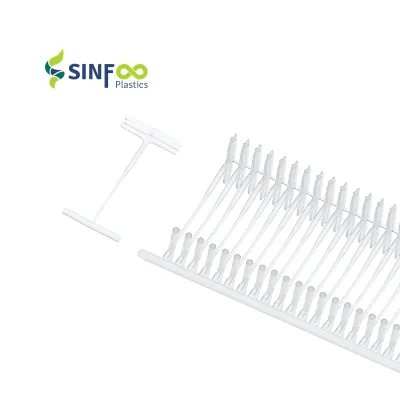
The observed market signals reveal a wide spectrum of product attributes, highlighting the need for precise specification alignment during the sourcing phase. Listings indicate the availability of products made from polypropylene (PP) with sizes ranging from 8mm to 75mm, intended primarily for hanging tags on garments. These items are typically packaged in bulk, with carton sizes such as 43.53926.5cm and net weights around 3kg, suggesting a focus on high-volume, low-cost retail accessories. In contrast, other listings describe metal-based products with enamel finishes, available in black, white, and clear colors, which are marketed as lapel pins or organization badges. This dichotomy underscores the importance of distinguishing between functional tagging tools and decorative apparel accessories when evaluating supplier offerings.
Further analysis of the listing data shows significant variation in packaging and unit specifications, which directly impacts logistics and cost calculations. For instance, some products are packed at 5000 pieces per box with 40 boxes per carton, while others are packed at 5000 pieces per box with only 20 boxes per carton, reflecting different density and handling requirements. The presence of customized options, such as soft or hard enamel logos and laser engraving, indicates that many suppliers offer branding services, which is critical for businesses seeking to enhance brand visibility through merchandise. Buyers must carefully review these packaging details and customization capabilities to ensure that the selected product meets both the functional demands of the garment industry and the aesthetic expectations of the final consumer.
Technical Specifications to Verify
Technical verification must begin with the material composition, as the supplied facts highlight both polypropylene and metal as primary materials for clothes pins and related accessories. For plastic pins, buyers should confirm the grade of PP used, ensuring it meets the necessary flexibility and tensile strength requirements to prevent breakage during attachment to garment tags. For metal pins, the electroplating process must be scrutinized to ensure adequate corrosion resistance and finish durability, especially if the pins are intended for long-term wear or exposure to varying environmental conditions. The model numbers provided, such as PS008N-35 and PS098C-15, serve as critical identifiers for verifying specific dimensions and design features, so buyers should cross-reference these codes with physical samples to confirm accuracy.
Dimensional accuracy and size availability are equally critical technical parameters that require strict verification. The data indicates size ranges from 8mm to 65mm or 75mm, allowing for customization, but buyers must ensure that the selected size is compatible with the thickness and material of the garments being tagged. Additionally, the single package sizes, such as 25X22X10 cm or 22X15X8 cm, must be evaluated for their impact on storage and shipping efficiency. Buyers should also verify the attachment mechanisms, particularly for metal pins, ensuring that the safety pin components are securely fastened and function smoothly without snagging on fabric. These technical details collectively determine the usability and reliability of the product in real-world applications.
Compliance and Safety Documentation
Compliance and safety documentation are paramount when sourcing products that come into direct contact with textiles and, potentially, human skin. For plastic clothes pins, buyers should request material safety data sheets (MSDS) to verify that the polypropylene used is free from harmful additives such as phthalates or heavy metals, which could pose health risks. In the case of metal pins with enamel finishes, it is essential to ensure that the coatings comply with international standards for lead and cadmium content, particularly if the products are intended for children’s clothing or sensitive skin applications. Although specific certification statuses are not provided in the supplied facts, buyers must proactively ask suppliers for relevant test reports from accredited laboratories to confirm regulatory compliance.
Furthermore, buyers should verify that the suppliers adhere to recognized quality management systems, such as ISO 9001, which indicates a structured approach to maintaining consistent product quality and safety standards. This is particularly important for electroplated items, where the plating process must be controlled to prevent defects that could lead to premature wear or chemical leakage. Documentation should also cover the environmental impact of the manufacturing processes, including waste management practices for metal plating solutions and plastic production residues. By prioritizing comprehensive compliance documentation, buyers can mitigate legal and reputational risks associated with non-conforming products, ensuring that their supply chain remains robust and responsible.
Cost Drivers and Commercial Terms
Cost drivers for Electroplated Clothes Pins are influenced by material selection, production volume, and the complexity of customization. Metal pins with enamel finishes generally incur higher costs due to the additional steps involved in stamping, plating, and painting, whereas simple polypropylene clips are more cost-effective due to streamlined injection molding processes. The minimum order quantity (MOQ) varies significantly, with observed ranges from 5 to 100,000 units, impacting the unit price through economies of scale. Buyers should negotiate based on their projected volume, keeping in mind that higher MOQs often result in lower per-unit costs, but also require greater capital commitment and storage capacity.
Commercial terms, including payment methods and lead times, also play a crucial role in the total cost of ownership. The supplied data indicates payment options such as T/T, PayPal, Western Union, L/C, and credit card, offering flexibility but also varying levels of security and transaction fees. Lead times for sampling are typically around 7-10 days, while production times range from 12-15 days, which must be factored into inventory planning and delivery schedules. Buyers should also consider shipping costs, as the carton dimensions and weights provided suggest that logistics can be a significant expense, particularly for bulk orders. Clear communication of these terms upfront helps in avoiding hidden costs and ensures a smoother procurement process.
Supplier Qualification and Quality Control
Supplier qualification is a critical step in ensuring the reliability and consistency of Electroplated Clothes Pins. Buyers should conduct thorough due diligence on potential suppliers, verifying their business licenses, manufacturing capabilities, and past performance records. Given the diversity of products listed, it is essential to confirm that the supplier specializes in the specific type of pin required, whether it is a simple plastic clip or a complex metal enamel pin. Requesting references from previous clients and conducting site visits, if possible, can provide valuable insights into the supplier’s operational efficiency and quality control practices. This proactive approach helps in identifying suppliers who are capable of meeting the specific technical and aesthetic requirements of the buyer.
Quality control measures must be rigorously enforced throughout the production process to minimize defects and ensure product consistency. Buyers should establish clear quality standards and inspection criteria, including checks for material integrity, dimensional accuracy, and finish quality. Implementing a pre-production sample approval process is crucial, as it allows for the identification and correction of potential issues before full-scale manufacturing begins. Additionally, buyers should consider hiring third-party inspection services to conduct random checks during production and before shipment, ensuring that the final products meet the agreed-upon specifications. This multi-layered quality control strategy helps in maintaining high standards and reducing the risk of receiving substandard goods.
Long-Term Procurement Checks
Long-term procurement checks are essential for maintaining a sustainable and efficient supply chain for Electroplated Clothes Pins. Buyers should regularly review supplier performance metrics, including on-time delivery rates, product quality consistency, and responsiveness to issues. Establishing a structured feedback loop with suppliers allows for continuous improvement and addresses any emerging challenges promptly. This ongoing evaluation helps in identifying potential risks and opportunities for optimization, ensuring that the supply chain remains resilient and adaptable to changing market conditions. By prioritizing long-term relationships based on mutual trust and performance, buyers can secure a stable source of high-quality products.
Furthermore, buyers should stay informed about industry trends and technological advancements that may impact the production and availability of Electroplated Clothes Pins. This includes monitoring changes in material regulations, environmental standards, and manufacturing technologies that could affect cost structures and product designs. Engaging in regular market analysis and competitor benchmarking can provide valuable insights into pricing trends and supplier capabilities, helping buyers make informed decisions. By maintaining a proactive and strategic approach to procurement, buyers can ensure that their supply chain remains competitive and aligned with their long-term business objectives, ultimately supporting their success in the marketplace.
FAQs
What materials are used for Electroplated Clothes Pins?
The product is available in both PP plastic and metal materials. Metal versions feature enamel techniques for durability. Buyers can choose between black, white, or clear colors depending on the specific model and customization needs.
Which specifications are available for these garment clips?
Specifications include sizes ranging from 8mm to 75mm for selection. Specific models like PS008N-35 offer 35mm dimensions while others support 15mm or customized lengths. The single package size varies based on the selected clip dimensions.
Can I order samples before placing a bulk purchase?
Sample orders usually contain 3 to 5 clips or tag pins for evaluation. However, a 7-day sample order lead time is not supported for this specific product line. Buyers should verify sample availability directly with the supplier.
What is the minimum order quantity for these pins?
The minimum order quantity is 200 boxes for standard purchases. Some listings indicate an MOQ range between 5 and 100,000 units depending on the specific supplier configuration. Bulk packing typically involves 5,000 pieces per box.
How are these clothes pins packaged for shipping?
Standard packing includes 5,000 pieces per box with 20 to 40 boxes per carton. Carton sizes vary, such as 43.5 by 39 by 26.5 cm or 55 by 20 by 21.5 cm. Individual items may also be packed in bubble bags or velvet boxes.
Where are these garment accessories manufactured?
The products originate from Guangdong, China. This location is the primary place of origin for the listed items. Buyers should expect shipping via sea, air, or courier services like DHL, FedEx, or UPS from this region.
What customization options exist for logo and design?
Customization is available for logos using soft enamel, hard enamel, embossed, or laser techniques. Buyers can request specific sizes and colors to match their brand requirements. The product style is simple and suitable for modern garment applications.