Source Gas Cooled TIG Welding Gun for Handheld, Industrial, and Portable Use
Find and compare 30 Gas Cooled TIG Welding Gun options from verified Chinese manufacturers. Evaluate models like WP-26 and SM450 based on current ratings, cable lengths, and certifications to select the right tool for your welding projects.
Key considerations
Products List


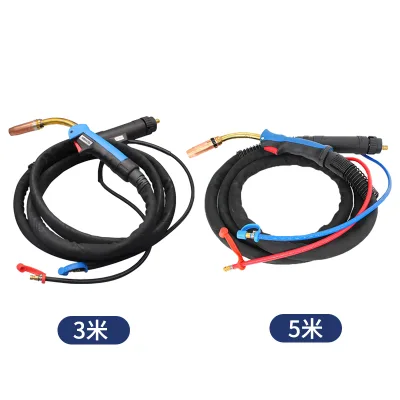


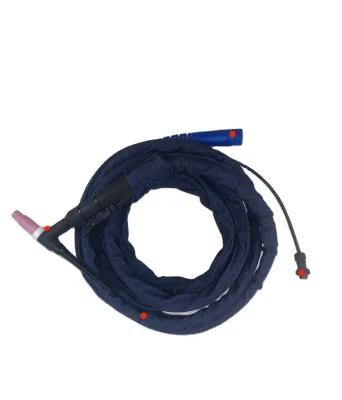


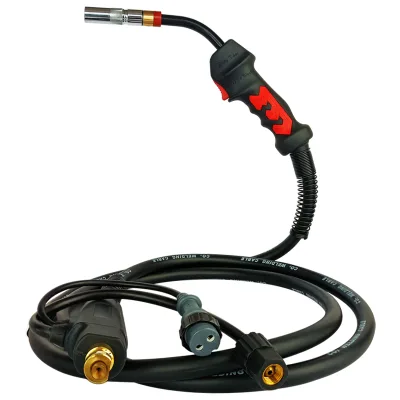
350A Weld Welding Gun With Soldering Machine Welder for MIG MAG Welding
$28.00 - $31.00
MOQ: 100 pieces



Comprehensive Sourcing Guide
Gas Cooled TIG Welding Gun Sourcing Guide
Selecting the right gas-cooled TIG welding gun is a critical decision for procurement teams managing high-duty-cycle welding operations. Unlike air-cooled alternatives, gas-cooled torches are engineered to dissipate heat through the shielding gas flow, allowing for sustained high-amperage welding without overheating. This makes them indispensable for applications requiring continuous welding on thick materials or in confined spaces where heat buildup would otherwise interrupt workflow. Buyers must understand that the choice between cooling methods directly impacts operational efficiency, electrode longevity, and overall weld quality, particularly in industrial settings where downtime is costly.
The procurement landscape for these tools is diverse, with manufacturers offering a wide range of models tailored to specific amperage ratings and cable lengths. Sourcing decisions should be driven by a clear understanding of the intended welding current, the required duty cycle, and the specific connector types compatible with existing power sources. By aligning technical specifications with operational needs, buyers can avoid the common pitfall of over-specifying equipment for low-demand tasks or under-specifying for heavy industrial use, ensuring that the investment yields maximum productivity and reliability.
Product Scope and Observed Listing Signals
The market for gas-cooled TIG welding guns presents a broad spectrum of options, with observed listing prices ranging from approximately $13.86 to $120,000 USD. This wide variance often reflects differences in brand positioning, included accessories, and whether the listing refers to a standalone torch or a complete welding system. Procurement teams should carefully distinguish between standalone torch components and integrated machine packages, as the latter may include power sources, wire feeders, and gas control units that significantly alter the total cost of ownership. Understanding this distinction is vital for accurate budgeting and avoiding unexpected costs during the final invoice stage.
Minimum Order Quantities (MOQs) in this category typically range from 1 to 200 units, offering flexibility for both small workshops and large-scale industrial procurement. Single-unit purchases are common for replacement parts or small team needs, while bulk orders may unlock volume discounts or customized packaging options. Buyers should note that some suppliers offer customization services, allowing for specific color schemes, branding, or cable configurations. Leveraging these customization options can enhance brand visibility for service providers or meet specific ergonomic requirements for end-users, adding value beyond the basic functional specifications of the torch.
Technical Specifications to Verify
When evaluating gas-cooled TIG welding guns, the operating current rating is the most critical technical parameter to verify. Listings indicate models with ratings such as 200A DC and 160A AC, while other high-performance variants support up to 450A for CO2 or mixed gas applications. Buyers must match these ratings to their specific welding processes and material thicknesses, noting that the maximum welding thickness for certain portable models is listed between 5-10mm. Ensuring the torch can handle the peak amperage required for the job prevents premature failure and maintains consistent arc stability, which is essential for high-quality welds on thick metals.
Cable length and connector type are equally important specifications that affect workflow efficiency and compatibility. Standard cable lengths observed in the market include 3m, 4m, and 5m options, with some models offering 4.5m configurations. The connector interface, such as the Euro Connector, must be compatible with the welding power source to ensure a secure and low-resistance connection. Additionally, the tungsten diameter compatibility, ranging from 0.5mm to 3.2mm, should be verified to ensure the torch collet body can accommodate the specific electrode sizes used in the facility. These physical attributes directly influence the ergonomics and versatility of the welding setup.
Compliance and Safety Documentation
Certification requirements are a non-negotiable aspect of sourcing industrial welding equipment. Many suppliers provide products with CE certification, ensuring compliance with European health, safety, and environmental protection standards. Other listings indicate a broader range of certifications, including ISO9001, CCC, RoHS, and TUV, which demonstrate adherence to rigorous quality management and safety protocols. Buyers should request valid certification documents for each batch of purchased goods, as these are essential for regulatory compliance in many international markets and for meeting internal corporate safety standards.
Quality standards and packaging specifications also play a role in ensuring product integrity during transit and storage. Products are often packed in color boxes or neutral packing, with carton quantities varying from single sets to multiple units per box. Some suppliers adhere to specific international standards for product dimensions and performance, while others may list proprietary standards such as "ISOCE" or specific dimensional standards like 39368CM for packaging. Verifying these details ensures that the products arrive in good condition and meet the expected quality benchmarks, reducing the risk of damage or non-conformance upon receipt.
Cost Drivers and Commercial Terms
Lead times and delivery schedules are significant factors in procurement planning, with observed delivery times averaging around 20 days for standard orders. This timeline can vary based on order volume, customization requirements, and supplier inventory levels. Buyers should negotiate clear delivery terms and include penalties for delays in their contracts to mitigate supply chain disruptions. Understanding the lead time allows for better production scheduling and inventory management, ensuring that welding torches are available when needed without tying up excessive capital in stock.
The total cost of ownership extends beyond the unit price to include factors such as warranty, after-sales support, and consumable compatibility. While some listings highlight competitive pricing, buyers should evaluate the long-term value provided by the supplier, including the availability of replacement parts like nozzles, collets, and copper tips. Suppliers offering comprehensive support and high-quality consumables can reduce downtime and maintenance costs, making them a more attractive partner despite potentially higher initial unit prices. A holistic view of cost drivers helps in selecting suppliers that offer the best balance of price, quality, and service.
Supplier Qualification and Quality Control
Supplier origin and manufacturing capabilities are key indicators of product reliability. Many gas-cooled TIG welding guns originate from industrial hubs in China, particularly Zhejiang and Jiangsu provinces, including cities like Changzhou. These regions are known for their robust manufacturing ecosystems and expertise in welding equipment production. Buyers should verify the supplier's manufacturing capacity and quality control processes to ensure consistent product quality. Requesting factory audits or third-party inspection reports can provide additional assurance of the supplier's ability to meet specified standards and deliver on time.
Quality control measures should be integrated into the procurement process to minimize defects and ensure product performance. Buyers should establish clear acceptance criteria based on technical specifications and certification requirements. Implementing incoming quality inspections for received batches can help identify any discrepancies early, allowing for timely resolution with the supplier. Additionally, maintaining open communication with the supplier regarding any quality issues fosters a collaborative relationship that can lead to continuous improvement and better product outcomes over time.
Long-Term Procurement Checks
Building a sustainable supply chain requires regular evaluation of supplier performance and product reliability. Buyers should track key performance indicators such as on-time delivery rates, defect rates, and responsiveness to technical inquiries. This data-driven approach enables informed decisions about supplier retention and potential diversification of the supply base. By maintaining a diverse pool of qualified suppliers, buyers can mitigate risks associated with single-source dependencies and ensure continuity of supply even during market fluctuations or supply chain disruptions.
Continuous improvement in procurement practices involves staying updated on industry trends and technological advancements in welding equipment. As welding technologies evolve, new models with enhanced features and efficiency may become available. Buyers should regularly review their technical requirements and compare them against the latest market offerings to ensure they are utilizing the most effective tools for their operations. Engaging with suppliers for feedback on product usage and exploring opportunities for joint development can also drive innovation and cost savings, ensuring that the procurement function remains a strategic asset to the organization.
FAQs
What certifications do gas cooled TIG welding guns have?
These welding guns typically carry CE, ISO9001, CCC, RoHS, and TUV certifications. Some models also meet ISOCE standards. Buyers should verify specific certification documents for each product to ensure compliance with local regulations and safety requirements.
Which models support single flame applications?
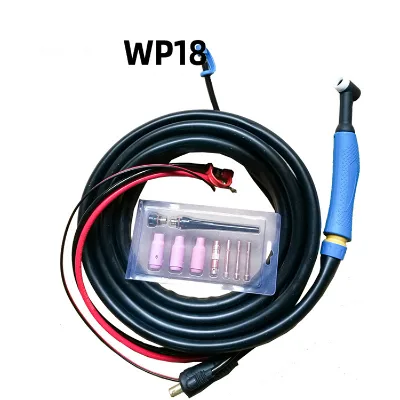
The WP-18 model is designed with a single flame configuration for specific welding tasks. This feature is suitable for hand-held applications requiring precise control. Users should confirm the flame number matches their intended welding process before purchase.
Can I find portable gas cooled TIG welding guns?
Yes, portable gas cooled TIG welding guns are available in the product listings. These units are designed for mobility and ease of use in various workshop environments. Buyers can select from models with standard or specific portable dimensions.
What is the maximum welding thickness supported?
The welding torches listed can handle a maximum welding thickness of 5 to 10 millimeters. This capacity depends on the specific model and current rating used during operation. Operators must ensure the machine settings align with the material thickness for optimal results.
How long is the delivery lead time for orders?
The standard delivery lead time for these welding torches is 20 days. This duration applies to typical orders unless custom specifications require additional processing time. Buyers should confirm the exact timeline with the supplier before finalizing the purchase agreement.
Which current ratings are available for these guns?
Available current ratings include 400A, 250A, and specific DC/AC ratings like 200A DC and 160A AC. The rating determines the welding capacity and suitability for different materials. Select the model that matches the required amperage for your specific welding application.
What packaging options are provided for these products?
Products are packed in color boxes, neutral packing sets, or carton boxes containing multiple sets. Some items come boxed and cartoned for standard shipping. The packaging ensures safe transport and organization of the welding torches and their accessories.