Source Genuine Leather Lace-up Football Shoes for Training, Matches, and Leagues
Find 30 options for genuine leather lace-up football shoes featuring waterproof, breathable, and anti-slip designs. Buyers can compare materials, sizes, and customization services from suppliers in China to match specific team needs.
Key considerations
Products List


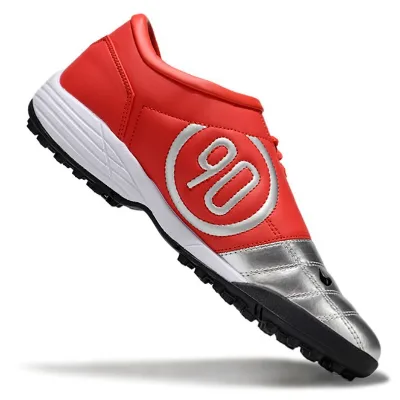


Comfortable and Stable Football Shoes with Enhanced Traction Performance
$8.00 - $14.00
MOQ: 100 Pairs


Factory Breathable Lightweight PU Uppe Soccer Shoes for Football Training
$8.00 - $14.00
MOQ: 100 Pairs


Cleats Soccer Sneaker Football Shoes Perfect for Grass and Turf Sports Shoes
$8.99 - $30.99
MOQ: 120 Pairs


Stylish High-Top Cleats Soccer Sneaker Football Shoes for Active Players
$8.99 - $30.99
MOQ: 120 Pairs


Comprehensive Sourcing Guide
Sourcing Strategy for Genuine Leather Lace-Up Football Shoes
Understanding Product Attributes and Material Variations
When sourcing genuine leather lace-up football shoes, buyers must first navigate a landscape of diverse material compositions and construction methods. The core keyword implies a specific upper material, yet market observations reveal a spectrum of options ranging from genuine leather to synthetic leather, PU, and other synthetic blends. In the current supply context, products labeled as "Genuine Leather" coexist with items featuring "Synthetic Leather" or "PU" uppers. This distinction is critical because the tactile feel, durability, water resistance, and breathability of the footwear vary significantly between these materials. Genuine leather typically offers superior durability and a premium aesthetic, while synthetic alternatives often provide cost advantages and consistent sizing.
The lacing system, a defining feature of the "lace-up" requirement, is consistently observed across the product range. This closure pattern ensures a secure fit, which is essential for football shoes where foot stability during rapid directional changes is paramount. However, the internal construction also varies. Some listings indicate a "Mesh" lining, which enhances breathability, while others specify "Cotton Fabric" or "EVA" insoles. The insole material directly impacts comfort and shock absorption; EVA is frequently cited for its lightweight cushioning properties, whereas rubber insoles may offer different wear characteristics. Buyers must verify that the specific model they select aligns with the intended playing conditions, as a shoe with a mesh lining might be ideal for summer play but less suitable for wet environments compared to a waterproof variant.
Technical Specifications and Sizing Standards
Technical specifications for football shoes require precise attention to sizing systems and dimensional standards. The observed data indicates a wide range of sizing conventions, including specific numerical ranges like "41#-46#" and broader spans such as "31-46" or "Cn 35-45". The term "Chinese Size" is frequently used, denoting a specific sizing scale that may differ from US or EU standards. For instance, models are listed with sizes ranging from 33 to 46, while others cover 34 to 45. This variability necessitates that buyers establish a clear conversion protocol or request detailed size charts from suppliers to ensure accurate inventory allocation.
The physical dimensions of the product packaging are also standardized in some contexts, with observations noting a standard box size of "202015". However, other entries suggest "Carton" or "PVC Bag" packaging options, depending on the order volume and customization requirements. The product model numbers, such as "X2412", "MMS2017-28", and "2506Z", serve as unique identifiers for these variations. These models often correlate with specific design features, such as the presence of "Anti-slip Protrusions" or specific seasonal adaptations like "Spring" or "Summer" designs. Understanding these model-specific attributes is vital for matching the right shoe to the right market segment, ensuring that the technical specifications meet the performance expectations of the end-user.
Compliance, Certification, and Origin Verification
In the global footwear market, verifying the origin and compliance status of products is a fundamental step in risk management. The supplied data consistently identifies the product origin as "China", with specific manufacturing hubs noted in locations like "Quanzhou". Quanzhou is a recognized center for footwear production, yet buyers must conduct their own due diligence regarding the specific factory's compliance with international labor and environmental standards. While the data does not list specific certifications, buyers should request evidence of compliance with relevant safety and quality standards before placing large orders.
Regarding product standards, the observations include references to "202015" and "as your request" as prod_standard values. These likely refer to packaging dimensions or custom specifications rather than formal industry safety certifications. Buyers should not assume that a product listing implies adherence to specific international safety tests without explicit documentation. It is essential to verify that the footwear meets the safety regulations of the destination market, particularly concerning chemical content in the leather and rubber components. The absence of explicit certification data in the source material means that the procurement team must actively seek third-party test reports to validate the safety and quality of the genuine leather and other materials used in the construction.
Cost Drivers and MOQ Considerations
The cost structure for genuine leather lace-up football shoes is influenced by several key factors, including material quality, customization level, and order volume. The observed price range in the market spans from 6 to 40 USD, reflecting the diversity of product tiers from basic synthetic options to premium genuine leather models. However, the Minimum Order Quantity (MOQ) presents a significant variable. The data shows an MOQ range from 1 to 800 units. High-end customization services, such as OEM and ODM, often come with higher MOQs, with some listings specifying an MOQ of 800. This suggests that buyers seeking bespoke designs or specific branding will need to commit to larger volumes to achieve the desired customization.
Material costs are a primary driver of the final price. Genuine leather is inherently more expensive than synthetic leather or PU, which explains the variance in the price range. Additionally, the complexity of the lacing system and the inclusion of specialized features like "Anti-slip Protrusions" can increase production costs. Buyers should analyze the total cost of ownership, including shipping and potential tariffs, rather than focusing solely on the unit price. The "Sample Date" of 7-15 days also impacts the overall timeline and cost, as expedited sampling may incur additional fees. Understanding these cost drivers allows buyers to negotiate more effectively and align their budget with their procurement goals.
Supplier Evaluation and Service Capabilities
Evaluating suppliers requires a focus on their service capabilities and flexibility. The data highlights that many suppliers offer "OEM&ODM" services, indicating a willingness to customize products according to buyer specifications. This is further supported by the "Customer Deaigner: Accept" attribute, suggesting that buyers can provide their own design inputs. The ability to customize colors, such as "Yellow", "Multi", or "as Your Requiry", adds significant value for brands looking to differentiate their product lines.
However, the service capabilities must be balanced against production reliability. The "Sample Date" of 7-15 days provides a baseline for lead time expectations, but buyers should confirm if this applies to the final production run. The shipping method is noted as "by Sea", which is typical for bulk orders but requires careful logistics planning. Buyers should assess the supplier's track record in meeting deadlines and maintaining quality consistency. The presence of a "Box" or "Carton" packing option indicates that the supplier can handle standard packaging, but custom packaging solutions may require additional coordination. A thorough evaluation should include requests for references, factory audits, and sample reviews to ensure the supplier can deliver on their promises.
Quality Control and Long-Term Procurement
Quality control is paramount when sourcing footwear, especially items made from genuine leather. Buyers must implement a rigorous inspection process that covers material integrity, stitching quality, and the functionality of the lace-up system. The observation of "Waterproof" and "Not Waterproof" attributes highlights the need to verify the specific performance claims of each model. For football shoes, the "Anti-skid design" is a critical quality metric that must be tested under actual playing conditions to ensure safety and performance.
Long-term procurement considerations involve building a sustainable relationship with suppliers who can scale production as demand grows. The availability of "Customization" suggests that suppliers are equipped to handle evolving market trends, but buyers should establish clear communication channels to manage changes in design or material requirements. Regular quality audits and consistent feedback loops are essential to maintain product standards over time. Additionally, buyers should monitor the supply chain for potential disruptions, such as raw material shortages or logistical delays, to ensure a steady flow of inventory. By focusing on these long-term strategies, buyers can secure a reliable supply of high-quality genuine leather lace-up football shoes that meet their business objectives.
Application Scenarios and Market Fit
The application of genuine leather lace-up football shoes varies based on the specific design and material properties. Models with "Breathable" features and "Mesh" linings are ideally suited for summer play or indoor environments where ventilation is crucial. Conversely, "Waterproof" variants may be preferred for outdoor use in wetter climates. The "Sport Shoes" and "Football Shoes" classifications indicate that these products are designed for athletic performance, requiring durability and flexibility.
The market fit also depends on the target demographic. The "Unisex" and "Male" gender attributes suggest that these shoes cater to a broad audience, but specific sizing ranges like "41#-46#" may target adult male players. Buyers should analyze the specific needs of their customer base to select the appropriate models. For instance, a brand targeting youth players might focus on the "31-45" size range, while a professional brand might prioritize the larger sizes. Understanding these application scenarios ensures that the sourced products align with the intended use cases and market demands, maximizing the potential for success in the competitive footwear industry.
FAQs
What materials are used for the uppers of these shoes?
The uppers are made from genuine leather, synthetic leather, or PU. Buyers should verify the specific model to confirm the exact material composition before ordering.
Can I customize the color and design of the shoes?
Yes, customization is available for colors like yellow or multi, and designs can be accepted from customers. Suppliers offer OEM and ODM services to meet specific branding needs.
What is the minimum order quantity for these football shoes?
The minimum order quantity ranges from 1 to 800 units depending on the supplier and customization level. High-end custom orders often require an MOQ of 800 units.
Are these shoes waterproof or breathable?
Some models are waterproof while others are not, and many feature breathable mesh linings. Buyers must check the specific product attributes for waterproof status and lining material.
Where are these shoes manufactured and what is the origin?
The products originate from China, with specific manufacturing hubs noted in locations like Quanzhou. Buyers should verify the exact factory location for logistics planning.
How long does it take to receive samples?
Sample dates typically range from 7 to 15 days after the request is submitted. This timeline applies to the initial sample production before bulk manufacturing begins.