Source Soft Canvas Jazz Dance Shoes for Schools, Studios, and Performances
Explore 30 listings of Soft Canvas Jazz Dance Shoes suitable for various dance styles. Buyers can compare materials, heel heights, and customization options to find the right pair for school, studio, or stage use.
Key considerations
Products List


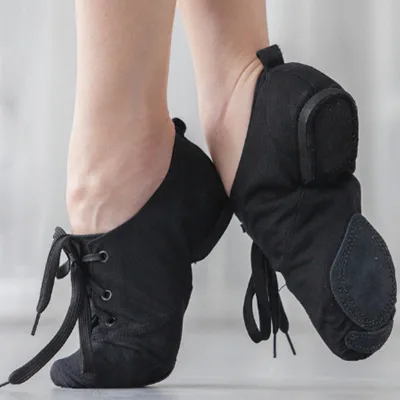


$19.00
MOQ: 100 Pieces


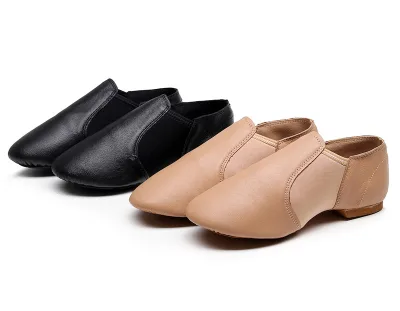


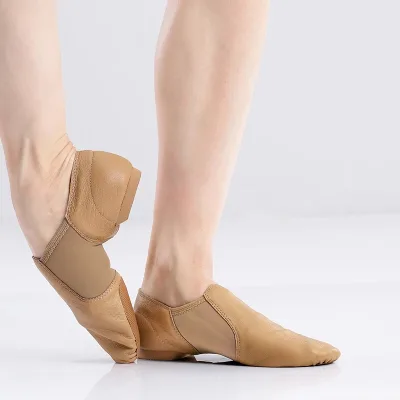
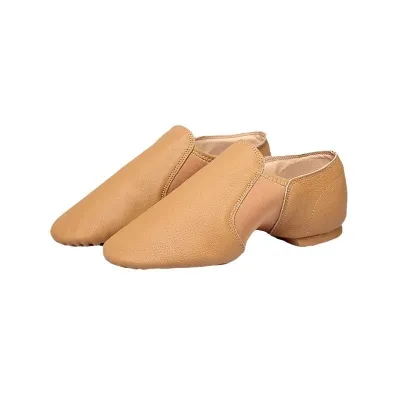


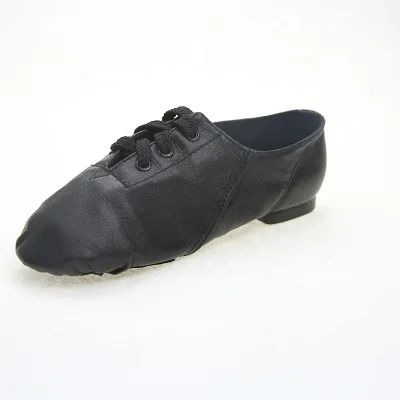
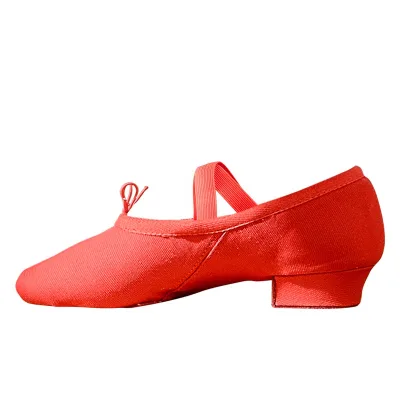
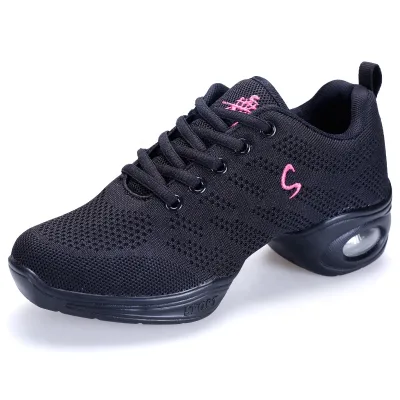
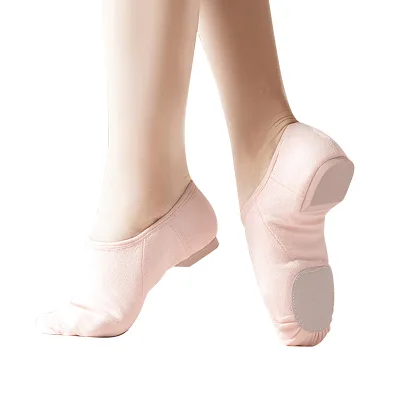


Comprehensive Sourcing Guide
Strategic Sourcing Guide for Soft Canvas Jazz Dance Shoes
Understanding Product Specifications and Material Composition
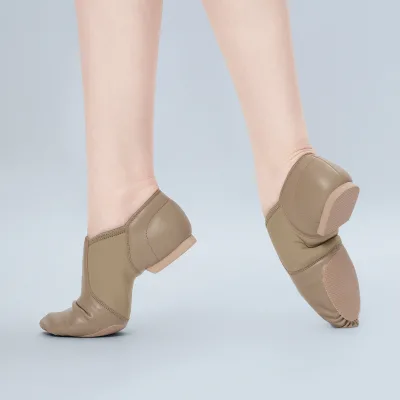
When sourcing Soft Canvas Jazz Dance Shoes, buyers must first establish a clear understanding of the technical specifications that define the product category. The core keyword implies a specific construction where the upper material is predominantly canvas, yet the market often presents variations that blend this with other textiles. Based on observed product data, the upper material is frequently listed as canvas, but buyers should also anticipate listings featuring satin or microfiber, as these are common alternatives in the jazz and ballroom sector. The distinction is critical because canvas offers breathability and a specific aesthetic, while satin provides a different sheen and drape.
The structural integrity of the shoe relies heavily on the shank strength. For the specific category of "soft" jazz shoes, the shank is typically described as soft, allowing for the necessary flexibility and articulation required in jazz dance routines. However, the market also contains hard shank options, often categorized under ballroom or Latin shoes, which serve different performance needs. A buyer must verify the shank specification for every potential order to ensure it matches the dancer's requirements. The insole material is another critical technical attribute; suede is a standard observation for high-quality jazz shoes, providing the necessary grip and friction on studio floors. Conversely, some listings may specify PVC or cotton fabric for the lining, which affects comfort and moisture management.
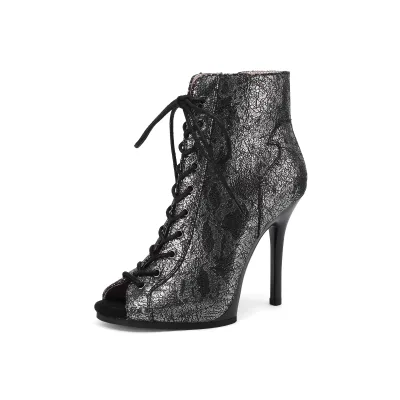
The heel height is a defining characteristic of the shoe's silhouette. In the context of soft canvas jazz shoes, the heel is generally low, aligning with the traditional jazz aesthetic. However, the broader market includes options with heel heights ranging from 3.2cm to 7.5cm, often found in ballroom or Latin shoe listings. Buyers must distinguish between low-heel jazz shoes and higher-heeled ballroom variants to avoid procurement errors. The outsole material is equally variable; while genuine leather is a premium option offering durability and slide control, rubber soles are also available and may be preferred for specific training environments. The product model numbers, such as B41215L or DL00267, serve as unique identifiers for these variations, but the physical attributes remain the primary verification point.
Compliance, Certification, and Quality Standards
In the B2B procurement of dance footwear, compliance and quality assurance are paramount, even when specific certification documents are not explicitly listed in every product description. The provided data indicates a "Full Process Inspected" quality control protocol, which suggests a rigorous internal manufacturing standard. Buyers should treat this as a baseline requirement and verify the specific quality control procedures during supplier audits. The term "Top Grade" is used to describe the quality level, but without third-party certification data, this remains an observation rather than a guaranteed standard.
Regarding safety and material standards, the origin of the products is identified as China, a major manufacturing hub for dance footwear. While the supply chain is robust, buyers must verify that the materials used, such as the leather, pigskin, PU, and canvas, meet the safety regulations of the target market, particularly in Europe and North America. The presence of PVC in the lining material requires attention to environmental and health regulations, as some markets have strict limits on plasticizers in textiles. Similarly, the use of genuine leather and suede necessitates checks for tanning processes and chemical residues.
The standard sizing range observed spans from child to adult, and in some cases, from toddler to adult, covering European sizes 26 through 45. This wide range implies that the supplier must maintain consistent sizing across different age groups. Buyers should verify that the sizing standards align with the specific regional requirements of their market, as European sizing can vary slightly between manufacturers. The "Regular, Narrow & Wide Fittings" attribute indicates a commitment to fit diversity, but buyers must confirm the exact width measurements to ensure the shoes accommodate the intended demographic without causing discomfort or injury.
Cost Drivers and Pricing Dynamics
The pricing structure for Soft Canvas Jazz Dance Shoes is influenced by several key factors, including material composition, workmanship, and customization capabilities. The observed price range in the market spans from $1.10 to $45.00 USD, a significant variance that reflects differences in quality, material sourcing, and production complexity. The lower end of this spectrum likely corresponds to mass-produced canvas shoes with synthetic linings and standard workmanship. In contrast, the higher price points are associated with shoes featuring genuine leather uppers or outsoles, suede insoles, and advanced customization options.
Material costs are a primary driver of the final price. Shoes constructed with pigskin, genuine leather, or high-grade canvas will inherently cost more than those using PU or microfiber. The workmanship also plays a crucial role; attributes such as "Hand Shaved," "Polished," and "Hammered" indicate labor-intensive processes that increase production time and cost. These finishing techniques enhance the aesthetic and durability of the shoe, justifying a higher price point for premium buyers.
Customization is another significant cost factor. The availability of custom colors and the ability to modify the product model suggest that bespoke orders will incur additional charges. Buyers seeking specific branding or unique colorways should anticipate a price premium compared to standard black, tan, or white options. The packaging details, ranging from individual polybags to bulk cartons containing 200 pieces, also impact the unit cost. Bulk packaging reduces per-unit shipping and handling costs, making it a more economical choice for large wholesale orders.
Typical Applications and Market Segmentation
Soft Canvas Jazz Dance Shoes are designed for a variety of applications, primarily within the dance industry but also extending to theatrical and educational settings. The primary use case is jazz dance, where the soft shank and flexible construction allow for intricate footwork and fluid movement. These shoes are also suitable for contemporary dance and musical theater performances, where a specific aesthetic is required. The "European and American Style" elements suggest that the design appeals to Western dance traditions, making them ideal for markets in Europe, North America, and Oceania.
The market segmentation for these shoes is diverse, catering to different age groups and skill levels. The availability of sizes from toddler to adult indicates that the product is suitable for dance schools, academies, and professional companies. The "Wholesale dance shoes jazz" attribute highlights the importance of the B2B channel, where bulk purchasing is common for schools and distributors. The "Multi-Color" and "Custom Colors Acceptable" options allow for team uniformity or specific character designs in productions.
Buyers should also consider the seasonal demand. The product is listed for both "Summer" and "Spring" seasons, suggesting that these shoes are versatile and can be worn year-round in indoor studios. However, the canvas material may be less suitable for outdoor performances in wet conditions, so buyers should advise their clients on appropriate usage environments. The "Unisex" nature of the product further expands the market potential, allowing for a single SKU to serve both male and female dancers, simplifying inventory management for retailers.
Supplier Evaluation and Verification Protocols
Evaluating a supplier for Soft Canvas Jazz Dance Shoes requires a multi-faceted approach that goes beyond the initial product listing. Buyers must verify the supplier's ability to meet the "Full Process Inspected" quality standard through on-site audits or third-party inspections. The "Hand Shaved" and "Polished" workmanship attributes require skilled labor, so buyers should assess the supplier's workforce training and production capacity. The "Can Custom" attribute indicates flexibility, but buyers must confirm the supplier's minimum order quantity (MOQ) for custom orders, as this can vary significantly from the standard 5 pieces per color/size.
Logistics and shipping capabilities are also critical evaluation points. The observed shipping options include Air/Express (DHL, Fedex, UPS, EMS, TNT) and Sea/Land transport. Buyers should assess the supplier's ability to meet lead times for urgent orders via air freight versus cost-effective sea freight for bulk inventory. The "Carton" packaging standard suggests that the supplier is equipped for international shipping, but buyers must verify the single package dimensions (35x20x10 cm) and gross weight (0.400 kg) to calculate accurate freight costs.
Financial terms and payment methods are another area of due diligence. The observed payment options include T/T, West Union, Paypal, and Money Gram. Buyers should prefer secure payment methods like T/T with clear terms and conditions to mitigate financial risk. The "Top Grade" quality claim should be backed by sample verification before committing to a large order. Buyers should request physical samples to test the shank strength, insole grip, and overall durability. The "Regular, Narrow & Wide Fittings" attribute requires a thorough fit test to ensure the supplier's sizing consistency.
Long-Term Procurement and Inventory Management
Sourcing Soft Canvas Jazz Dance Shoes is not merely a transactional activity but a strategic partnership that requires long-term planning. The wide range of sizes (26-45) and the availability of custom colors necessitate a robust inventory management system. Buyers should analyze historical sales data to determine the optimal stock levels for each size and color to minimize dead stock while ensuring product availability. The "200 pieces one carton" packaging detail suggests that bulk ordering is efficient, but buyers must balance this with storage costs and cash flow constraints.
Sustainability and material longevity are becoming increasingly important in the dance footwear market. The use of canvas, leather, and PVC materials presents different environmental considerations. Buyers should inquire about the sourcing of raw materials and the supplier's commitment to sustainable practices. The "PVC" lining material, for instance, may require specific disposal or recycling protocols in certain markets. Long-term procurement strategies should include regular quality reviews to ensure that the "Top Grade" standard is maintained over time.
The "European and American Style" and "Multi-Color" attributes indicate that the product is subject to fashion trends. Buyers should stay informed about changing dance styles and color preferences to adjust their procurement plans accordingly. The ability to customize the product allows for responsiveness to market shifts, but it requires close communication with the supplier to manage lead times and production schedules. By maintaining a strategic relationship with a reliable supplier, buyers can ensure a steady supply of high-quality Soft Canvas Jazz Dance Shoes that meet the evolving needs of their customers.
Comparative Analysis of Product Variants
To facilitate informed decision-making, the following table compares key attributes of the observed product variants in the Soft Canvas Jazz Dance Shoes market. This comparison highlights the differences in materials, construction, and intended use, helping buyers select the most appropriate product for their specific needs.
| Attribute | Variant A (Standard Jazz) | Variant B (Premium Ballroom/Latin) | Variant C (Custom/Wholesale) |
|---|---|---|---|
| Upper Material | Canvas | Satin | Canvas / Microfiber |
| Shank Strength | Soft | Hard | Soft / Variable |
| Insole Material | Suede | Suede | Cotton Fabric / PVC |
| Outsole Material | Genuine Leather | Rubber Sole Available | Genuine Leather |
| Heel Height | Low Heel | 3.2cm - 7.5cm | Low Heel |
| Target Audience | Jazz Dancers | Ballroom/Latin Dancers | Schools / Wholesale |
| Customization | Custom Colors | Can Custom | Full Custom |
| Typical MOQ | 5 pcs/color/size | 5 pcs/color/size | 5 pcs/color/size |
| Primary Market | Europe, North America | Global | Europe, Africa, Oceania |
This table illustrates that while the core keyword focuses on soft canvas jazz shoes, the market offers a spectrum of products with varying specifications. Buyers must carefully match these attributes to their specific requirements to ensure the final product delivers the desired performance and aesthetic. The distinction between soft and hard shanks, as well as the choice of upper material, are the most critical differentiators that will influence the success of the procurement.
FAQs
What materials are used for the upper of soft canvas jazz shoes?
The upper material is frequently listed as canvas, but buyers should also anticipate listings featuring satin or microfiber. Canvas offers breathability and a specific aesthetic, while satin provides a different sheen and drape for varied performance needs.
How does the shank strength vary between different shoe types?
For the specific category of soft jazz shoes, the shank is typically described as soft to allow flexibility. However, the market also contains hard shank options often categorized under ballroom or Latin shoes, which serve different performance requirements.
Can buyers request custom colors for these dance shoes?
Yes, custom colors are acceptable and the product listing confirms customization is available. Buyers seeking specific branding or unique colorways should anticipate a price premium compared to standard black, tan, or white options.
What is the typical price range for Soft Canvas Jazz Dance Shoes?
The observed price range in the market spans from 1.10 to 45.00 USD. This variance reflects differences in quality, material sourcing, and production complexity, with lower prices for mass-produced canvas and higher prices for genuine leather.
Which sizes are available for these jazz dance shoes?
Sizes are available from child to adult, covering European sizes 26 through 45. Some listings also indicate sizes available from toddler to adult, ensuring the product suits various age groups and skill levels.
How are the shoes typically packaged for wholesale orders?
Packaging details indicate each shoe comes in a polybag, with ten pieces in a bigger polybag. Bulk orders may contain 200 pieces in one carton, which reduces per-unit shipping and handling costs for large wholesale purchases.
What payment methods are accepted for these dance shoes?
The observed payment options include T/T, West Union, Paypal, and Money Gram. Buyers should prefer secure payment methods like T/T with clear terms and conditions to mitigate financial risk during the transaction.