Source Genuine Parts Motorcycle Air Filter for scooters, dirt bikes, and street motorcycles
Find 30 verified listings for Genuine Parts Motorcycle Air Filter designed for scooters, dirt bikes, and street motorcycles. Buyers can compare specifications like filtration grade, model compatibility, and certifications such as CE and ISO9001 across suppliers in China.
Key considerations
Products List


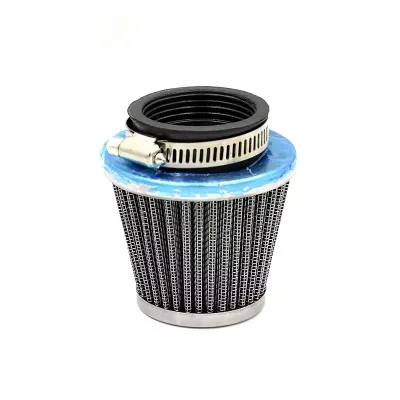
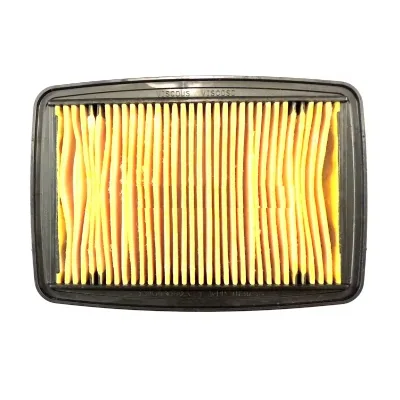
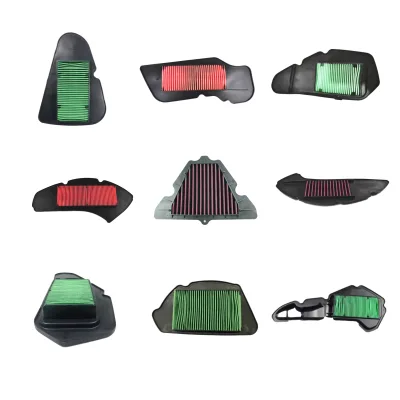
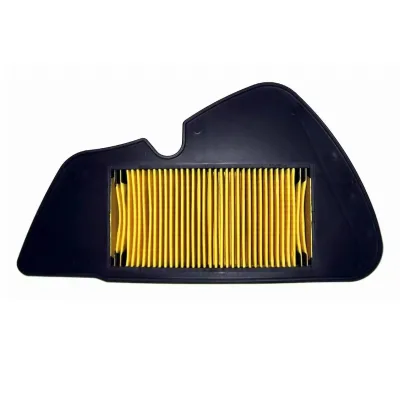
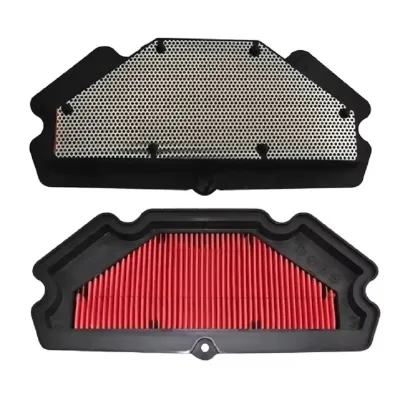
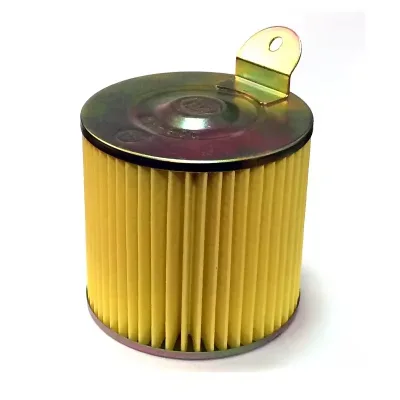
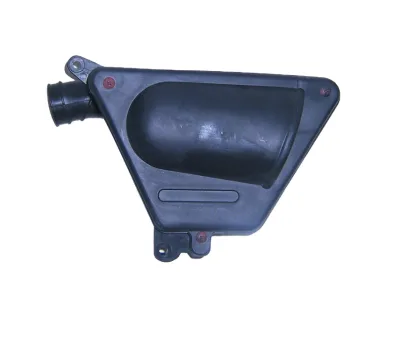
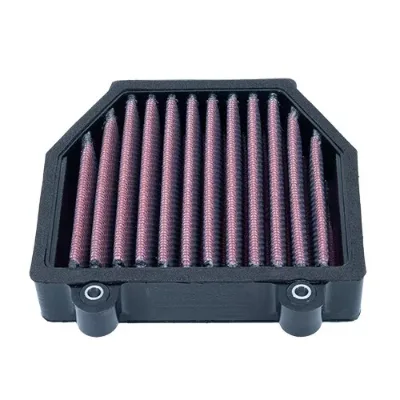
Comprehensive Sourcing Guide
Strategic Sourcing Guide for Genuine Motorcycle Air Filter Components
The procurement of genuine motorcycle air filter components requires a rigorous approach that balances technical compatibility with regulatory compliance. In the global B2B market, buyers often encounter a fragmented supply chain where terminology varies significantly between manufacturers. The core keyword "Genuine Parts Motorcycle Air Filter" implies a need for components that meet original equipment manufacturer (OEM) specifications, ensuring optimal engine performance and longevity. This guide synthesizes available product data and industry standards to provide a structured framework for sourcing these critical engine management components.
Technical Specifications and Engine Compatibility
Understanding the precise technical specifications of an air filter is the first step in any procurement strategy. The internal combustion engine relies heavily on the air intake system to manage the air-fuel mixture, making the filter's design parameters non-negotiable. Based on observed product attributes, the market offers filters designed for specific engine architectures, particularly those adhering to the four-stroke principle. These engines operate through distinct cycles, including the compression stroke and the intake stroke, where the filter must allow for maximum airflow while excluding particulate matter.
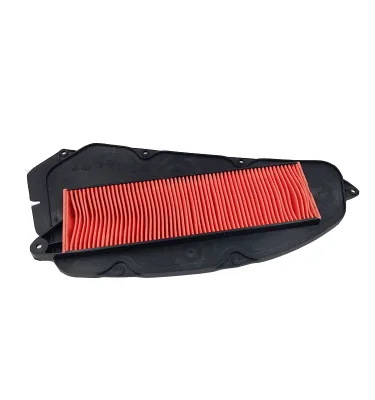
The physical dimensions of the filter are critical for installation. Data indicates that models such as the QS125/Gt125, Cg150, and Gn-125 are common configurations in the supply chain. These models often correspond to specific cylinder counts, typically a single cylinder, which dictates the airflow requirements. The physical structure of the filter element is another vital specification. Buyers should verify whether the unit is a standalone filter element or a complete assembly. The observed data highlights a "Filter Element/Assy" structure, suggesting that some suppliers offer integrated units that include the housing or mounting frame, while others provide only the core filtration media.
Material composition plays a significant role in filtration efficiency and durability. The supply chain features filters constructed from a paper core, which is a standard material for dry air filters. This material choice is often paired with a plastic housing or casing. The filtration grade is a key differentiator; while standard filters use paper media, some advanced units are specified with a "Hepa Filter" grade, indicating a higher capacity for capturing fine particulates. The pattern of the filter media is typically "dry," distinguishing it from oil-bath or wet filters used in specific heavy-duty applications. Furthermore, the inner diameter is a precise measurement that must match the intake manifold; observed ranges include 22.6-25mm, which requires careful verification against the specific motorcycle model's intake port.
Compliance and Certification Verification
In the international trade of automotive parts, compliance with international standards is not merely a formality but a prerequisite for market access and liability protection. When sourcing genuine parts, buyers must demand documentation that verifies the product's adherence to recognized safety and quality standards. The available product data reveals a complex landscape of certifications, including CE, CCC, ISO9001, RoHS, DOT, and EEC.
The CE marking indicates conformity with health, safety, and environmental protection standards for products sold within the European Economic Area. The CCC (China Compulsory Certification) is mandatory for products sold within the Chinese market, ensuring they meet national safety requirements. For buyers targeting the African or Southeast Asian markets, the presence of these certifications suggests the supplier has the capacity to meet diverse regulatory environments. Additionally, the ISO9001 certification is a standard for quality management systems, indicating that the manufacturer has established processes to ensure consistent product quality.
The presence of RoHS (Restriction of Hazardous Substances) compliance is particularly important for environmental regulations, ensuring that the filter materials do not contain restricted hazardous substances. DOT (Department of Transportation) and EEC (Economic Commission for Europe) markings are specific to vehicle safety and roadworthiness. Buyers should verify that the certification list on the product documentation matches the requirements of their target market. For instance, a product certified only for the domestic Chinese market (CCC) may not be legally importable into the EU without additional testing. The observed data also mentions "SGS" as a standard, which likely refers to third-party inspection and verification services, adding a layer of credibility to the product's quality claims.
Cost Drivers and Pricing Dynamics
The pricing of motorcycle air filters is influenced by a combination of material costs, manufacturing complexity, and certification overheads. The observed price range in the market spans from $0.03 to $6.00 USD, a significant variance that reflects differences in product quality, material grade, and packaging. The lower end of this spectrum typically corresponds to basic paper core filters with minimal packaging, often sold in bulk bags. The higher end of the range likely includes complete assemblies with plastic housings, advanced filtration grades, and comprehensive certification documentation.
Minimum Order Quantity (MOQ) is another critical cost driver. The observed MOQ range is between 100 and 1000 units. Buyers must factor this into their total cost of ownership. A lower MOQ of 100 units may result in a higher unit price due to the fixed costs of production runs and logistics, whereas an order of 1000 units may benefit from economies of scale. The packaging method also impacts cost; products packed in individual boxes or cartons generally command a higher price than those packed in simple bags.
Lead time is a hidden cost factor. The data indicates a delivery time of "Within 10 Days After Order Confirmation." While this is a relatively short lead time, it assumes that the order is placed with a supplier who has the specific model in stock. Customization, which is listed as "Available," will inevitably extend the lead time and increase the unit cost. Buyers should clarify whether the quoted price includes all certifications and packaging requirements, as these can vary significantly between suppliers.
Typical Applications and Market Segmentation
The application of motorcycle air filters is highly specific, dictated by the engine type and the intended market. The data suggests that these components are primarily designed for four-stroke engines, which are the standard for most modern motorcycles. The "Four Stroke Principle" is explicitly mentioned, confirming that the filters are engineered to handle the specific airflow dynamics of compression and intake strokes in these engines.
The main markets for these products include Africa and Southeast Asia, regions where two-stroke and four-stroke motorcycles are prevalent for both personal and commercial transport. The "Key Words" associated with these products, such as "Motorcycle Parts" and "Air Filter Assembly," indicate a broad application across various models. Specific model numbers like Cg150, Gn-125, and QS125/Gt125 are frequently cited, suggesting that these are high-volume models in the target regions. The "Universal type" designation implies that some filters are designed to fit a wide range of motorcycles, offering flexibility for distributors who need to stock fewer SKUs.
The "Cold Style" of the filter is noted as "Air-Cooled," which is consistent with the cooling systems of many lightweight motorcycles. This distinction is important for buyers sourcing parts for engines that rely on air cooling rather than liquid cooling, as the thermal management requirements differ. The "Energy Transformation" attribute mentions "Wind Turbine" and "Hydraulic Machine," which may refer to the testing equipment used to validate the filter's performance under various airflow conditions, rather than the application of the filter itself.
Supplier Evaluation and Origin Verification
Evaluating a supplier requires a deep dive into their operational capabilities and geographic origin. The product data identifies the origin as "Hebei" and "China," regions known for their manufacturing clusters in automotive components. Buyers should verify the specific factory location within these regions to assess logistics costs and potential supply chain risks. The "Quality Level" is described as "a Class," which suggests a high standard of manufacturing, though buyers should request specific quality control reports to substantiate this claim.
The "Customization" attribute being "Available" is a significant advantage for buyers looking for private label products or specific modifications. However, this capability must be balanced against the supplier's ability to maintain consistency. A supplier that offers customization must have robust quality control systems in place to ensure that every customized batch meets the same standards as the standard products. The "Product Name" and "Item No." (1150350) are essential for traceability. Buyers should ensure that the supplier can provide a consistent item number for the specific model they are ordering to avoid confusion in the supply chain.
Quality Control and Long-Term Procurement Considerations
Ensuring long-term procurement success requires a focus on quality control and supply chain stability. The "Filtration Grade" of "Hepa Filter" and the "Material" of "Paper Core" are key indicators of performance. Buyers should request sample testing results to verify the filtration efficiency and durability of the paper core. The "Structure" of the filter, whether it is a simple element or an assembly, must be consistent with the buyer's assembly line requirements.
The "Package" options, including "Bag," "Carton," and "Box," affect the protection of the product during transit. For long-term procurement, buyers should standardize on a packaging type that minimizes damage and maximizes storage efficiency. The "Delivery Time" of "Within 10 Days After Order Confirmation" is a strong indicator of a responsive supplier, but buyers should establish clear penalties for delays in their contracts.
In conclusion, sourcing genuine motorcycle air filter components involves a meticulous evaluation of technical specifications, certifications, cost structures, and supplier capabilities. By focusing on the specific model requirements, verifying the presence of necessary certifications like CE and ISO9001, and understanding the cost drivers associated with MOQ and customization, buyers can build a resilient supply chain. The data provided highlights a market rich in options, from basic paper core filters to complete assemblies with advanced filtration grades. Success in this sector depends on the buyer's ability to navigate these variables and select suppliers who can consistently deliver high-quality, compliant products.
| Specification Category | Observed Data Points | Verification Requirement |
|---|---|---|
| Engine Type | Four Stroke (Compression/Intake Stroke) | Confirm compatibility with 1-cylinder engines. |
| Dimensions | Inner Diameter: 22.6-25mm; Width: 300-400mm | Measure intake port precisely before ordering. |
| Material | Paper Core, Plastic Housing | Request material safety data sheets (MSDS). |
| Certifications | CE, CCC, ISO9001, RoHS, DOT, EEC | Verify validity of certificates for target market. |
| Models | QS125, Cg150, Gn-125, Universal Type | Cross-reference with OEM part numbers. |
| Packaging | Bag, Carton, Box | Confirm packaging prevents moisture damage. |
| Lead Time | Within 10 Days After Order Confirmation | Define penalty clauses for delays in contract. |
| Origin | Hebei, China | Verify factory location for logistics planning. |
The integration of these factors ensures that the procurement process is not only efficient but also aligned with the high standards required for genuine motorcycle parts. By adhering to these guidelines, buyers can mitigate risks and secure a steady supply of high-performance air filters for their operations.
FAQs
What certifications are required for Genuine Parts Motorcycle Air Filter?
Common certifications include CE, CCC, ISO9001, RoHS, DOT, and EEC. Buyers must verify that the specific certification list matches the regulatory requirements of their target market, such as the European Economic Area or China.
Which engine types are compatible with these air filter components?
These filters are designed for four-stroke engines operating on compression and intake strokes. They typically fit single-cylinder models like the QS125, Cg150, and Gn-125, which are common in the global supply chain.
Can I find air filters with a specific inner diameter size?
Yes, observed inner diameters range from 22.6mm to 25mm. Buyers must verify these precise measurements against their motorcycle's intake port to ensure a proper fit and prevent unfiltered air from entering the engine.
What is the typical lead time for delivery after order confirmation?
The standard delivery time is within 10 days after order confirmation. This timeline assumes the supplier has the specific model in stock, while customized orders may require additional processing time.
How does the material composition affect the filtration performance?
Filters often use a paper core with a dry pattern for standard applications. Some advanced units feature a Hepa Filter grade, offering higher efficiency in capturing fine particulates compared to standard paper media.
What are the minimum order quantities for sourcing these parts?
The observed minimum order quantity ranges from 100 to 1000 units. Lower MOQs may result in higher unit prices due to fixed production costs, while larger orders benefit from economies of scale.