Source NFT Vertical Farm Sprout Trays for Microgreens, Fodder, and Leafy Greens
Find and compare 28 NFT Vertical Farm Sprout Tray options designed for hydroponic vegetable planting, microgreen cultivation, and fodder growing. Evaluate food-grade PVC channels, customizable lengths, and integrated irrigation accessories to select the right system for your indoor or outdoor production needs.
Key considerations
Products List


Vertical Hydroponic Nft Fodder Tray Vertical Fodder Machine Nursery Food Grade Sprouts
$3.50 - $3.95
MOQ: 1000 Meters

6 Gutter PVC Indoor Vertical Farming Hydroponic Nursery Tray Nft Grow Tray
$1.90 - $2.80
MOQ: 1000 Pieces


Gutter Smart Farm Nft Hydroponic Fodder Channel Microgreens Growing Tray System
$2.85 - $4.00
MOQ: 1000 Meters

Hydroponics System 100X50mm Nft Channel Growing Tray System Vertical Hydroponic
$2.30 - $2.60
MOQ: 1000 Meters


Agricultural Greenhouse Hydroponic Vertical Farming Fodder Trays for Microgreen Grass Plant
$2.85 - $4.00
MOQ: 1000 Meters


Hydroponic Nft Strawberry Soilless Cultivation Growing Plastic Tray Gutter
$1.65 - $2.99
MOQ: 1000 meters


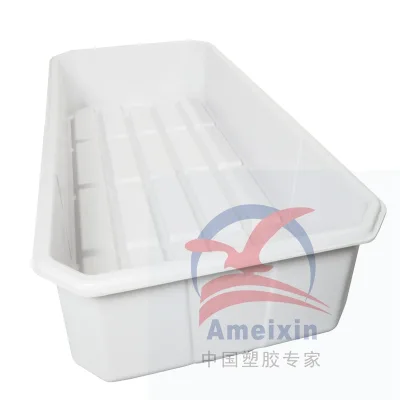
White Black 2x4 4x4 4x8 Feet Plastic NFT Hydroponic Grow Trays Supplier
$68.00 - $75.00
MOQ: 200 units
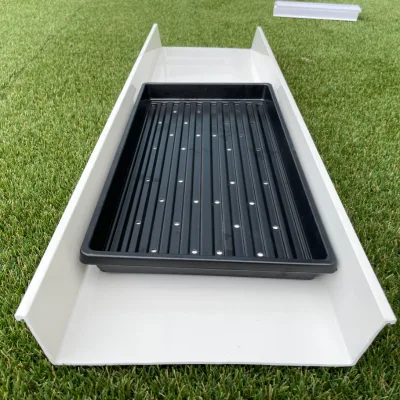
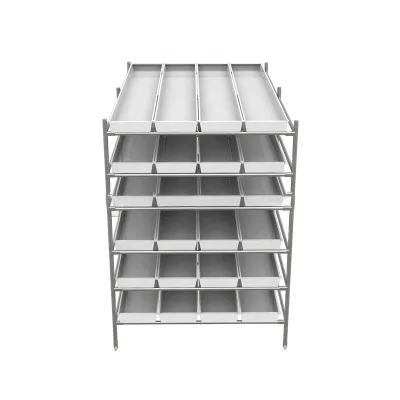
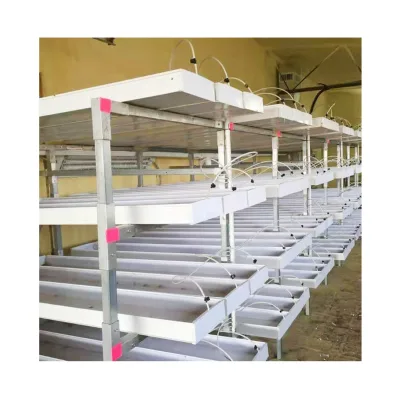
Comprehensive Sourcing Guide
NFT Vertical Farm Sprout Tray Sourcing Guide
Sourcing NFT (Nutrient Film Technique) vertical farming components requires a nuanced understanding of both the channel geometry and the specific tray integration that supports sprout and microgreen cultivation. While the core keyword suggests a focus on the tray, the underlying infrastructure is the NFT channel itself, which dictates the flow dynamics, nutrient delivery, and structural stability of the vertical system. Buyers must distinguish between standard vegetable NFT channels and those optimized for shallow-rooting crops like sprouts, which often require modified channel depths or integrated tray slots to prevent root entanglement and ensure consistent nutrient film thickness. The vertical aspect introduces additional engineering challenges, including gravity-fed water distribution and structural load-bearing requirements, making the selection of compatible materials and connection systems critical for long-term operational success.
The procurement landscape for these systems is dominated by manufacturers who offer customizable solutions, allowing buyers to tailor channel dimensions, lengths, and support structures to their specific facility layouts. Observed market data indicates a wide range of product offerings, from basic white PVC channels to complete hydroponic solutions that include irrigation accessories and metal supports. This variability means that buyers cannot rely on a one-size-fits-all approach; instead, they must evaluate suppliers based on their ability to provide integrated systems that address the unique needs of vertical sprout production, such as anti-UV properties for longevity and easy cleaning features for hygiene maintenance. Understanding these distinctions is the first step in building a reliable supply chain for vertical farming operations.
Product Scope and Observed Listing Signals
The product scope for NFT vertical farm sprout trays encompasses a variety of configurations, primarily centered around food-grade PVC channels that serve as the foundation for the hydroponic system. Listings frequently highlight products with specific dimensions, such as 100x50mm channels, which are suitable for a range of leafy greens and microgreens. The material composition is a key signal, with most reputable suppliers specifying food-grade PVC to ensure that no harmful chemicals leach into the nutrient solution, thereby protecting the quality and safety of the produce. Additionally, the presence of removable lids in some channel designs is a significant feature, as it facilitates easy cleaning and maintenance, which is crucial for preventing bacterial growth in vertical systems where space is limited and access can be challenging.
Observed listing signals also reveal a strong emphasis on customization and complete solutions, indicating that buyers are not just purchasing individual components but rather integrated systems. Suppliers often offer channels in standard lengths like 2.9m or 5.8m, but also provide customized lengths to fit specific vertical tower or rack structures. The inclusion of metal supports and irrigation accessories in some packages suggests that buyers should look for suppliers who can provide end-to-end solutions rather than piecing together disparate parts. Furthermore, the mention of anti-UV features and a lifespan of over 10 years signals that durability is a priority, and buyers should verify these claims through material certifications and warranty terms to ensure that their investment is protected against environmental degradation and wear.
Technical Specifications to Verify
When evaluating NFT channels for vertical sprout trays, buyers must verify critical technical specifications that directly impact system performance and crop health. The thickness of the PVC material is a primary concern, with observed listings indicating a standard thickness of 2.0mm, which provides adequate rigidity to withstand the weight of the nutrient solution and the plants without deforming. Buyers should also confirm the channel’s internal geometry, ensuring that it supports a consistent nutrient film thickness suitable for shallow-rooting crops. Additionally, the compatibility of the channel with vertical stacking systems must be assessed, including the strength of the joints and the stability of the support structure, to prevent leaks or collapses that could disrupt the entire hydroponic cycle.
Another essential specification to verify is the customization options available for channel length and configuration, as vertical farms often require non-standard dimensions to maximize space utilization. Buyers should inquire about the availability of custom lengths, such as 2.1m or other specific measurements, to ensure that the channels fit seamlessly into their existing infrastructure. The type of packaging, whether bulk, plastic bag, or wooden cage, is also relevant for logistics and protection during transit, particularly for LCL (Less than Container Load) shipments. Furthermore, the inclusion of irrigation accessories and metal supports in the product offering should be confirmed, as these components are vital for ensuring proper water distribution and structural integrity in a vertical setup.
Compliance and Safety Documentation
Compliance and safety documentation are paramount when sourcing hydroponic components, particularly those that come into direct contact with food crops. Buyers must request evidence that the PVC material used in the NFT channels is certified as food-grade, ensuring that it meets international standards for safety and does not contain harmful additives like phthalates or heavy metals. This documentation is crucial for maintaining the integrity of the produce and complying with food safety regulations in various markets. Additionally, buyers should verify that the supplier adheres to relevant manufacturing standards, such as ISO certifications, which indicate a commitment to quality control and consistent production processes.
Beyond material safety, buyers should also consider the environmental and operational compliance aspects of the NFT system. The anti-UV properties of the channels should be backed by test results or certifications that demonstrate their effectiveness in preventing degradation under prolonged exposure to sunlight, whether in indoor or outdoor settings. Furthermore, the lifespan of the product, often cited as over 10 years, should be supported by warranty terms or performance guarantees from the supplier. Buyers should also ensure that the supplier provides clear documentation on the disposal and recycling of the PVC components, as sustainability is increasingly becoming a key consideration in modern agricultural practices.
Cost Drivers and Commercial Terms
The cost of NFT vertical farm sprout trays is influenced by several key drivers, including the material quality, customization level, and the complexity of the complete solution offered. Food-grade PVC is more expensive than standard PVC, but it is essential for food safety, and buyers should expect to pay a premium for this assurance. Customization, such as specific channel lengths or integrated tray slots, also adds to the cost, as it requires additional manufacturing steps and tooling. Buyers should carefully evaluate the total cost of ownership, considering not just the initial purchase price but also the long-term benefits of durability, ease of maintenance, and energy efficiency provided by high-quality components.
Commercial terms, including MOQ (Minimum Order Quantity) and lead times, are also significant factors in the procurement process. Observed MOQs range from 200 to 50,000 units, with some suppliers setting a standard MOQ of 1,000 meters for channels. Buyers should negotiate terms that align with their production scale and cash flow, considering the possibility of phased deliveries to manage inventory costs. Lead times, typically ranging from 10 to 25 days, should be factored into production planning, especially for large-scale projects. Additionally, buyers should clarify the shipping terms, such as sea or rail transport, and the associated costs, to avoid unexpected expenses that could impact the overall budget.
Supplier Qualification and Quality Control
Supplier qualification is a critical step in ensuring the reliability and consistency of NFT vertical farm sprout trays. Buyers should prioritize manufacturers who have a proven track record in the hydroponics industry, as evidenced by their business type and market presence. Verifying the supplier’s production capabilities, including their factory size, equipment, and quality control processes, is essential to ensure that they can meet the required specifications and delivery schedules. Buyers should also request references or case studies from existing clients, particularly those who have implemented similar vertical farming systems, to gain insights into the supplier’s performance and customer service.
Quality control measures should be clearly defined and agreed upon before placing an order. Buyers should inquire about the supplier’s inspection protocols, including pre-production samples, in-process checks, and final inspections before shipment. The use of standardized packaging, such as wooden cages for LCL shipments, can help protect the products during transit and reduce the risk of damage. Additionally, buyers should establish clear communication channels with the supplier to address any issues that may arise during production or delivery. Building a strong relationship with a qualified supplier can lead to better pricing, improved service, and greater flexibility in meeting future procurement needs.
Long-Term Procurement Checks
Long-term procurement checks are necessary to ensure that the NFT vertical farm sprout trays continue to meet the evolving needs of the business. Buyers should regularly review the performance of the installed systems, monitoring factors such as nutrient flow consistency, channel durability, and ease of maintenance. Any issues or inefficiencies should be documented and communicated to the supplier, who should be willing to provide support and solutions. Additionally, buyers should stay informed about advancements in hydroponic technology and materials, as new innovations may offer improved performance or cost savings.
It is also important to maintain a diversified supplier base to mitigate risks associated with supply chain disruptions. Buyers should periodically evaluate alternative suppliers and compare their offerings in terms of quality, price, and service. This approach ensures that the business is not overly dependent on a single source and can adapt to changes in market conditions or supplier performance. Finally, buyers should regularly update their procurement strategies to align with their long-term business goals, ensuring that the NFT systems continue to support sustainable and efficient vertical farming operations.
FAQs
What material is used for the NFT channel?
The NFT channel is constructed from food-grade PVC material. This ensures safety for vegetable planting and microgreen growing applications. The material is designed to be durable and resistant to corrosion, making it suitable for both indoor and outdoor hydroponic systems. It supports a lifespan of more than 10 years with proper maintenance.
What are the standard dimensions of the channel?
Standard specifications include a 100x50mm cross-section. Lengths are available in 2.9m, 5.8m, or customized sizes. For specific fodder gutter models, dimensions may be 26x29x6.6cm. These sizes accommodate various hydroponic setups, allowing for flexible installation in production greenhouses or vertical farming structures.
Can the product be customized for specific needs?
Yes, customization is available for length and other specifications. Buyers can request specific dimensions to fit their greenhouse or vertical farm layout. The manufacturer offers tailored solutions to meet unique project requirements, ensuring the system integrates seamlessly with existing irrigation accessories and metal supports.
What is the minimum order quantity for this product?
The minimum order quantity is typically 1000 meters. However, observed ranges indicate MOQs can vary from 200 to 50,000 units depending on the specific product variant and supplier terms. Buyers should confirm the exact MOQ with the supplier before placing an order to ensure alignment with their procurement volume.
How long is the delivery time for orders?
Delivery times generally range from 10 to 25 days. Some specific models may have a standard delivery time of 20 days. These timelines apply to manufacturing and preparation. Buyers should account for shipping duration via sea or rail when planning their project schedules and installation dates.
What are the main advantages of this hydroponic system?
Key advantages include water and fertilizer saving capabilities. The system promotes energy efficiency and is easy to clean with a removable lid. It is designed for vegetable planting and microgreen growing, offering a reliable solution for sustainable agriculture. The anti-UV features ensure longevity in various environmental conditions.