Source Geo Bags for Water Filter, Insulation, and Slope Protection
Find 30 verified Geo Bags for water filtration, insulation, and slope protection. Compare suppliers offering CE and ISO certifications with customizable sizes and weights ranging from 80g to 800g.
Key considerations
Products List


Comprehensive Sourcing Guide
Strategic Sourcing Guide for Geo Bags in B2B Procurement
Understanding Geo Bag Technical Specifications and Material Variants
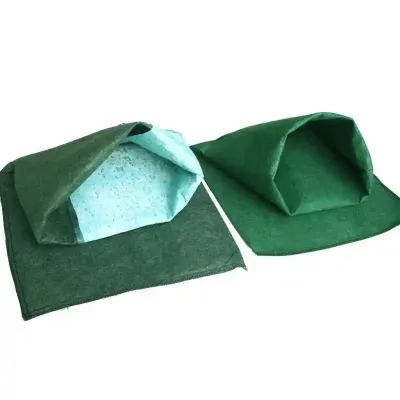
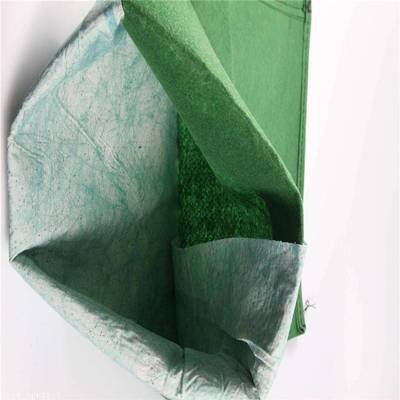
Procuring Geo Bags requires a precise understanding of the underlying material science and physical specifications that define product performance. In the current market, Geo Bags are primarily manufactured from polypropylene (PP), a synthetic polymer chosen for its durability and chemical resistance. The supply chain presents a distinct bifurcation in product types, ranging from non-woven geotextiles to woven variants, each serving different engineering functions. Non-woven options are frequently observed with weights around 150 GSM, offering a soft texture suitable for filtration and insulation applications. Conversely, woven geotextiles often carry specifications indicating weights between 80 and 120 grams or broader ranges up to 800 grams, designed for higher load-bearing capacities.
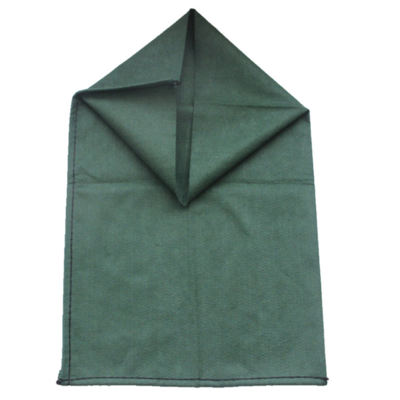
The physical dimensions of these products are equally critical to the procurement strategy. Standardized sizes such as 40x80 cm, 45x90 cm, and 50x100 cm are common baseline configurations, yet the market also supports fully customizable dimensions based on specific project requirements. Buyers must verify the "Size" attribute, which can range from standard large formats to bespoke requests. The structural integrity of the bag is often defined by its load-bearing capability, with observed specifications indicating capacities exceeding 6 kg for general applications and loads above 25 kg for heavy-duty geobag applications. Furthermore, the surface characteristics vary; some products feature a "Without Pattern" finish, while others may undergo heat transfer printing processes for branding or identification purposes.
Compliance Framework and Certification Verification
Navigating the regulatory landscape for Geo Bags involves rigorous verification of certifications and adherence to international standards. The presence of CE certification is a documented attribute in the supply chain, indicating compliance with European safety and environmental directives. Additionally, ISO standards play a pivotal role in quality assurance, with ISO9001 and ISO14001 certifications frequently cited as evidence of robust quality management systems and environmental responsibility. The ISO standard is also referenced as a general benchmark for product consistency.
When evaluating suppliers, buyers should not assume that all listed products automatically possess every certification mentioned in a general catalog. Instead, the procurement process must include a direct request for valid, current certificates for the specific batch or model being ordered. The "Standard" attribute often lists specific product standards like CE SGS, but these must be cross-referenced with the actual product documentation. For applications involving environmental protection or construction, verifying that the manufacturer holds valid ISO certifications is essential for ensuring that the Geo Bags meet the necessary safety and environmental protocols. Buyers should also check for specific product standards related to dimensions and load limits, such as those specifying 40x80 cm sizes with loads above 25 kg, to ensure the product matches the engineering design requirements.
Cost Drivers and Pricing Structure Analysis
The pricing of Geo Bags is influenced by a complex interplay of material costs, manufacturing processes, and order volume. The observed price range in the market spans from $0.15 to $2.98 USD, reflecting the diversity in product complexity, weight, and customization levels. Several key factors drive these cost variations. First, the material weight, measured in GSM (grams per square meter), directly impacts the raw material consumption. Heavier variants, such as those in the 100-800g range, will inherently command higher prices than lighter 80-120g options. Second, the manufacturing process adds value; products featuring heat transfer printing or specific weaving techniques may incur additional costs compared to standard plain weave options.
Customization is another significant cost driver. While customization is listed as an available attribute, the extent of this customization—whether it involves unique dimensions, specific colors like green or white, or custom logo printing—will affect the final unit price. The Minimum Order Quantity (MOQ) also plays a crucial role in the cost structure, with observed ranges spanning from 1 unit to 30,000 units. Higher order volumes typically leverage economies of scale, potentially lowering the per-unit cost, whereas small orders may carry a premium. Buyers should also consider the "Factory Price" attribute, which suggests a direct manufacturing relationship can reduce intermediary markups. However, the total cost of ownership must include logistics, as packing methods vary from simple bagging to complex woven bag wrapping with labels, which affects shipping efficiency and freight costs.
Typical Applications and Functional Performance
Geo Bags serve a multitude of functions across various industries, driven by their specific material properties and design features. The primary applications identified in the market include water filtration, insulation, and slope protection. In water management projects, the non-woven and woven variants act as effective filters, allowing water to pass while retaining soil particles, thereby preventing erosion. The "Water Filter" and "Waterproof" attributes highlight the dual capability of these products to manage fluid dynamics while maintaining structural integrity.
For civil engineering and construction, the "Slop Protection" function is paramount. Geo Bags are utilized to stabilize embankments and prevent landslides, leveraging their high load-bearing capacity and resistance to environmental degradation. The "Corrosion Resistant" and "Oxidation Resistance" features ensure longevity in harsh chemical or marine environments. Additionally, the "UV Resistant" attribute is critical for outdoor applications where prolonged sun exposure could otherwise degrade the polypropylene material. Beyond engineering, these products are also utilized for shopping, packing, and advertising purposes, where their "Wear-resistant" nature and ability to bear loads greater than 6 kg make them suitable for reusable packaging solutions. The "Soft" hardness attribute in certain non-woven variants makes them adaptable for applications requiring flexibility and ease of handling.
Supplier Evaluation and Manufacturing Capabilities
Selecting the right supplier is a critical step in the procurement process, requiring a thorough assessment of their manufacturing capabilities and operational transparency. The market data indicates that many suppliers operate as manufacturers, located primarily in China, with specific production hubs identified in Shandong. This geographic concentration can influence lead times and logistics planning. Buyers should verify the "Company Type" to ensure they are dealing directly with the source, which often facilitates better communication regarding technical specifications and customization requests.
When evaluating suppliers, it is essential to look beyond the basic product listing. The "Production Origin" and specific location details, such as Shandong, provide insight into the regional supply chain dynamics. Buyers should inquire about the supplier's capacity to handle the observed MOQ range, from small trial orders of 1 unit to large-scale deployments of 30,000 units. The ability to provide "Factory Price" suggests a direct relationship, but buyers must confirm that this pricing model is sustainable for their specific order volume. Furthermore, the supplier's ability to offer customization, including specific colors, patterns, and logo printing, is a key differentiator. A robust supplier will demonstrate flexibility in adapting the "Standard" dimensions and "Product Model" to meet unique project needs without compromising on quality or compliance.
Quality Control and Long-Term Procurement Considerations
Ensuring consistent quality in geo bag procurement requires a proactive approach to quality control and long-term planning. The physical attributes of the product, such as "Wear-resistant," "Corrosion Resistant," and "UV Resistant," must be validated through testing or third-party inspection reports. Buyers should verify that the "Weight" specifications, whether 150 GSM or within the 80-120g range, are consistent across the entire batch. Inconsistencies in weight can lead to failures in load-bearing performance, particularly in slope protection applications where the "Load-Bearing" capacity is critical.
Packaging and logistics also play a vital role in maintaining product quality during transit. The observed packing methods, ranging from "Several PCS Into a Bag" to "Each Roll Is Wrapped with a Woven Bag with Label," indicate varying levels of protection. For long-term procurement, buyers should establish clear packaging standards to prevent damage during shipping. Additionally, the "Printed Process" and "Logo Printing" capabilities should be monitored to ensure that branding remains consistent and legible over time. Long-term contracts should include clauses for periodic quality audits, ensuring that the supplier maintains the required certifications like CE and ISO9001/ISO14001. By focusing on these quality control measures and maintaining a strategic relationship with the manufacturer, buyers can secure a reliable supply of Geo Bags that meet both immediate project needs and long-term operational goals.
Comparative Analysis of Product Attributes
To facilitate informed decision-making, the following table summarizes the key product attributes observed in the geo bag market, highlighting the variations buyers may encounter.
| Attribute Category | Observed Variants | Key Considerations for Buyers |
|---|---|---|
| Material | PP (Polypropylene) | Verify purity and grade for chemical resistance. |
| Kind | Non-woven, Woven | Select based on filtration vs. load-bearing needs. |
| Weight | 80-120g, 150GSM, 100-800g | Heavier weights generally offer higher durability. |
| Size | 40x80cm, 45x90cm, 50x100cm, Custom | Confirm exact dimensions for project fit. |
| Load Capacity | >6 kg, >25 kg | Critical for slope protection and heavy-duty use. |
| Features | Waterproof, UV Resistant, Wear-resistant | Ensure features match environmental exposure. |
| Certification | CE, ISO9001, ISO14001, SGS | Request valid certificates for specific batches. |
| Origin | China, Shandong | Consider logistics and lead time implications. |
| Packing | Bag, Woven Bag, Rope Packed | Verify packaging prevents damage during transit. |
| Customization | Available (Color, Logo, Size) | Confirm feasibility and cost implications early. |
This comparative overview underscores the necessity of detailed specification checks before finalizing any procurement order. By systematically evaluating these attributes against project requirements, buyers can mitigate risks and ensure the selected Geo Bags deliver optimal performance and value.
FAQs
What materials are used to make Geo Bags?
Geo Bags are primarily manufactured from polypropylene (PP), a synthetic polymer chosen for its durability and chemical resistance. This material is available in both non-woven and woven forms, with weights ranging from 80 to 800 grams per square meter depending on the specific application requirements.
Which certifications should I verify for Geo Bags?
You should verify that products hold CE certification and ISO standards such as ISO9001 or ISO14001 for quality and environmental management. Buyers must request valid certificates for the specific batch ordered, as not all listed products automatically possess every certification mentioned in a general catalog.
How much weight can Geo Bags typically hold?
Load-bearing capacities vary by type, with general applications supporting loads greater than 6 kg and heavy-duty geobags holding above 25 kg. These capacities are critical for slope protection and civil engineering projects where structural integrity against erosion is required.
Can I customize the size and color of Geo Bags?
Customization is available for dimensions, colors like green or white, and logo printing to meet specific project needs. Standard sizes include 40x80 cm, 45x90 cm, and 50x100 cm, but buyers can request bespoke dimensions based on their unique engineering designs.
What is the price range for Geo Bags?
The observed price range spans from 0.15 to 2.98 USD, reflecting diversity in product complexity, weight, and customization levels. Heavier variants and those with heat transfer printing or specific weaving techniques often command higher prices compared to standard plain weave options.
Where are Geo Bags typically manufactured?
Geo Bags are primarily manufactured in China, with specific production hubs identified in the Shandong region. This geographic concentration influences logistics planning, and buyers should verify the company type to ensure they are dealing directly with the source for better communication.
How are Geo Bags packed for shipping?
Packing methods vary from several pieces into a bag to each roll wrapped in a woven bag with a label. Some products are packed by rope, and buyers should establish clear packaging standards to prevent damage during transit and ensure product quality is maintained.