Source Genuine Toner Chip for HP, Dell, and Canon Printers
Find 30 verified listings for Genuine Toner Chip compatible with HP, Dell, and Canon printers. Compare reset chips, page yields, and warranty terms from suppliers in Guangdong, China with ISO certifications; compare the available evidence and request quotations based on your requirements.
Key considerations
Products List
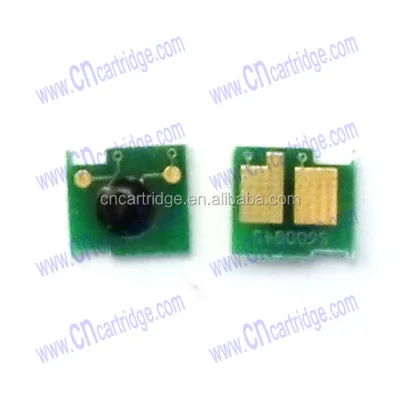
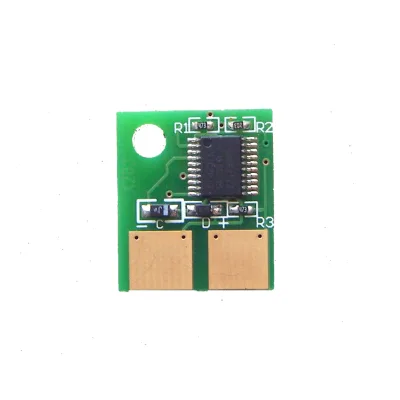


Toner Chip for Cc530A/Cc531A/Cc532A/Cc533A for HP Printer Cartridge Reset
$1.00 - $10.00
MOQ: 100 Pieces


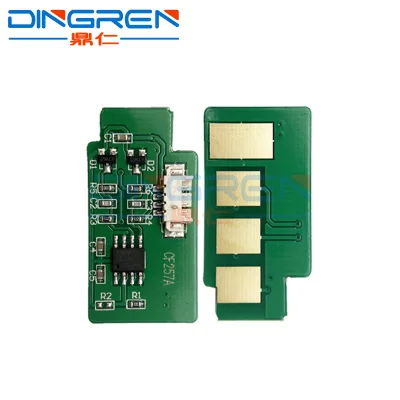
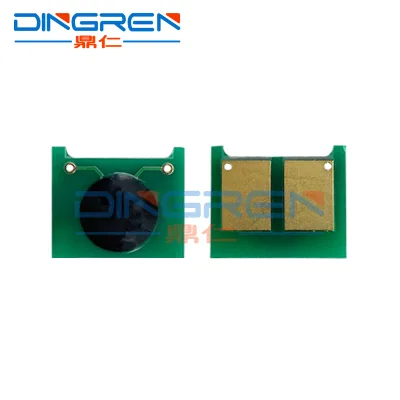

Color Toner Cartridge 504X, 504A Toner for CE250X, CE250A, CE251A, CE252A, CE253A
$10.00 - $20.00
MOQ: 10 Pieces

Comprehensive Sourcing Guide
Genuine Toner Chip Sourcing Guide
Procuring genuine toner chips requires distinguishing between original manufacturer components and high-grade aftermarket reset solutions that replicate original functionality. The market offers specialized chips designed to reset printer counters, allowing compatible cartridges to function as if they were new. Buyers must verify that the chip architecture matches the specific printer firmware to ensure seamless integration without triggering error messages or performance degradation.
The supply chain for these components often originates from manufacturing hubs in Guangdong, China, where suppliers leverage advanced integration techniques to produce reliable reset chips. While some listings claim "genuine" status, many products are actually high-quality aftermarket chips compatible with major brands like HP and Dell. Understanding this distinction is critical for procurement teams aiming to balance cost efficiency with the reliability expected in office environments.
Product Scope and Observed Listing Signals
Buyers should expect a diverse range of product attributes, including specific model numbers like CC388A and CF237A, which indicate compatibility with distinct printer series. Listings frequently highlight features such as "reset chip" capabilities and "integration" structures, signaling that these components are engineered to work within existing printer systems rather than as standalone hardware. The observed product scope includes chips for various printer models, ensuring that procurement teams can find solutions for both legacy and modern office equipment.
Listing signals often include detailed compatibility data, such as "Suit for HP CF237A" or "Compatible Dell toner reset chip," which helps buyers match inventory to their specific fleet requirements. Additional signals like "100% Pretest" and "Defective Rate less than 0.5%" provide initial confidence in product quality, though these figures should be validated through sample testing before bulk orders. The presence of "Single package size" and "Single gross weight" data further assists in logistics planning and inventory management for small to medium-sized orders.
Technical Specifications to Verify
Technical verification must begin with confirming the exact model number and printer compatibility, as chips are often designed for specific firmware versions. Buyers should cross-reference the "Model Number" and "Compatible Brand" fields against their printer manuals to ensure the chip will communicate correctly with the device. Specifications such as "Page Yield" and "Structure" are also vital, as they indicate the expected performance metrics and physical design of the component within the cartridge assembly.
Beyond basic compatibility, buyers need to scrutinize the "Single package size" and "Single gross weight" to ensure the physical dimensions align with their packaging and shipping constraints. The "Color" attribute, typically listed as "Black" or "BK," confirms the toner type the chip is intended to manage, preventing mismatches in multi-color printing environments. Verifying these technical details ensures that the purchased chip will not only fit physically but also function correctly within the printer's internal logic.
Compliance and Safety Documentation
Compliance verification is essential for ensuring that the toner chips meet international safety and environmental standards. Many suppliers provide certifications such as ISO9001, ISO14001, and CE, which indicate adherence to quality management and environmental protection protocols. Buyers should request copies of these certificates to confirm that the manufacturing process adheres to recognized global standards, reducing the risk of sourcing non-compliant or unsafe electronic components.
In addition to certifications, buyers must verify the "Certificate" details provided in the product listing, which may include specific standards like STMC or CO. These documents serve as proof of the supplier's commitment to quality and regulatory compliance, which is particularly important for organizations with strict procurement policies. Ensuring that the supplier can provide up-to-date compliance documentation helps mitigate legal and operational risks associated with importing electronic components from overseas.
Cost Drivers and Commercial Terms
Cost drivers for toner chips include the complexity of the reset technology, the volume of the order, and the specific compatibility requirements. While observed price ranges can vary significantly, buyers should focus on the value proposition rather than just the lowest unit price. Factors such as "Customization" availability and "Integration" capabilities can influence the final cost, as specialized chips often command a premium due to their tailored engineering.
Commercial terms like "Warranty" and "Defective Rate" guarantees are critical components of the procurement agreement. Listings often specify warranties ranging from 12 to 18 months, along with a "Replace 1:1" policy for defective units, which protects the buyer against quality issues. Understanding these terms helps procurement teams negotiate better conditions and ensures that the supplier is accountable for the performance of the chips throughout the product lifecycle.
Supplier Qualification and Quality Control
Supplier qualification should prioritize manufacturers with a proven track record of quality control and consistent defect rates. The observed "Defective Rate" of less than 0.5% and "Reset chip manufacture defect under 1%" are key indicators of a supplier's reliability, but these claims must be backed by third-party testing or verified through sample orders. Buyers should assess the supplier's ability to maintain these standards over time, especially when scaling up order volumes.
Quality control processes, such as "100% Pretest" and "Integration" testing, are essential for ensuring that every chip functions correctly before shipment. Suppliers that offer "Customization" and "Regular" specification options demonstrate flexibility and a commitment to meeting specific buyer needs. Evaluating the supplier's quality control protocols and their ability to provide detailed test results is crucial for maintaining high standards in the procurement of toner chips.
Long-Term Procurement Checks
Long-term procurement success depends on establishing a reliable supply chain that can consistently meet quality and delivery expectations. Buyers should monitor the "Delivery Time" and "Shipping Methods" to ensure that the supplier can handle both small and large orders efficiently. The ability to deliver "Small Order in 7 Days" and "20-40gp in 14days" indicates a robust logistics network capable of supporting various procurement needs.
Regular performance reviews and quality audits are necessary to maintain the integrity of the supply chain. Buyers should track the "Defective Rate" and "Warranty" claims over time to identify any trends or issues that may require corrective action. By maintaining open communication with suppliers and conducting periodic checks, procurement teams can ensure a stable and reliable source of genuine toner chips for their organization.
FAQs
What is the warranty period for these toner chips?
The warranty period is typically 12 months, with some options offering 18 months coverage. This ensures protection against manufacturing defects and guarantees replacement if the defective rate exceeds the stated threshold of less than 0.5 percent for the product.
Which certifications do the manufacturers hold for quality?
Manufacturers hold ISO9001, ISO14001, and CE certifications to ensure quality standards. Some suppliers also provide CO documentation. These certifications verify that the production processes meet international requirements for environmental management and quality control systems.
How fast can small orders be delivered from China?
Small orders can be delivered within 7 days from the Guangdong, China origin. Larger container shipments require approximately 14 days. This lead time applies to standard shipping methods like DHL, UPS, or FedEx for global destinations.
Can I find suppliers offering customization for these chips?
Yes, customization is available for specific toner chip requirements. Suppliers can integrate chips into various cartridge structures. This service allows buyers to tailor products to specific printer models like HP or Dell without compromising the high-grade A quality standard.
What is the minimum order quantity for these reset chips?
The minimum order quantity ranges from 1 to 100 units depending on the supplier. This flexibility allows buyers to test products with low initial investment. Most vendors accept single item orders for immediate testing of the reset chip functionality.
Which printer models are compatible with these toner chips?
These chips are compatible with HP models like M608 series and Dell printers such as the 1700. Specific model numbers include CF237A and CC388A. The chips are designed to work with black toner cartridges for various printer and copier equipment types.