Source Geometric Indoor Bamboo Mat for Home Office Living Room
Find 30 listings for the Geometric Indoor Bamboo Mat suitable for home, office, and living room use. Buyers can compare customization options, sizes, and weaving techniques from verified suppliers in China.
Key considerations
Products List

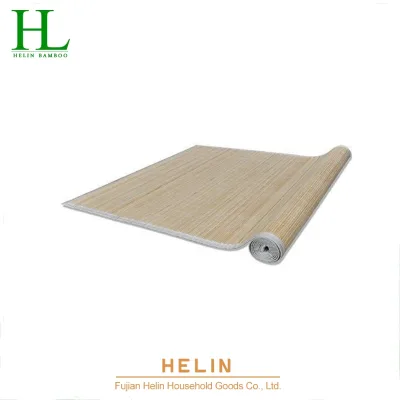


Rectangular Traditional Calssic Bamboo Placemats High Quality Bamboo Mats for Tea
$0.20 - $0.50
MOQ: 3000 Pieces


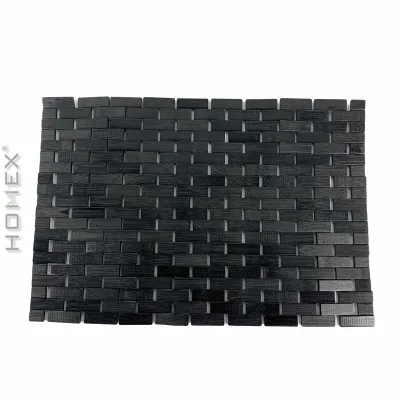


Comprehensive Sourcing Guide
Strategic Sourcing Guide for Geometric Indoor Bamboo Mats
Understanding Product Attributes and Technical Specifications
When sourcing a Geometric Indoor Bamboo Mat, the buyer must first establish a clear understanding of the physical and technical characteristics that define the product category. Based on available market data, these mats are primarily constructed from natural bamboo, specifically identified in listings as Mao Bamboo. This material choice is critical as it dictates the aesthetic, durability, and environmental profile of the final product. The manufacturing process typically involves weaving techniques, with specific mentions of "Hand Knotted" and "flat weave" methods. These techniques influence the texture and structural integrity of the mat, which is essential for indoor applications where foot traffic and aesthetic appeal are paramount.
The geometric aspect of the product is often realized through the pattern and shape specifications. While some listings describe a "Solid" pattern, the geometric requirement implies a structured design, which can be achieved through the weaving process itself or specific cutting of the bamboo strips. The standard shape observed in the market is rectangular, though customization for specific dimensions is a common offering. Buyers should note that while some standard models exist, such as those with model numbers like H-0160 or NF-NBR-808, the market heavily supports "Customized Sizes." This flexibility allows procurement teams to tailor the mats to specific room dimensions, from large living areas to compact entryways.
Packaging is another significant technical specification that impacts logistics and presentation. The observed packaging methods vary from simple poly bags to more complex configurations involving bubble bags, color labels, and master cartons. For instance, some units are packed with shrink wrapping and inner boxes, while others are simply placed in poly bags with four pieces per master carton. The single package dimensions are substantial, with observed sizes reaching up to 188x15x18 cm, indicating that the mats are often rolled or folded for transport. The single gross weight is approximately 2.3 kg per unit, a factor that must be accounted for in freight cost calculations. Understanding these specifications is the first step in ensuring that the ordered product meets the physical requirements of the intended project.
Compliance, Certification, and Material Verification
In the realm of sustainable procurement, verifying the compliance and certification status of bamboo products is a non-negotiable step. Bamboo is often marketed as an eco-friendly material due to its rapid growth cycle and renewability. However, buyers must distinguish between marketing claims and verified standards. While some background information suggests the existence of FSC (Forest Stewardship Council) certification as a potential attribute, this should not be assumed as a universal fact for all listed products. Instead, procurement teams must actively request and verify specific certification documents from the supplier before placing an order.
The origin of the bamboo is a critical compliance factor. The majority of the observed supply originates from Fujian Province, China, specifically Shaowu City. This region is known for its bamboo resources, but the distance from the port of dispatch, which is typically Xiamen or Fuzhou, adds a layer of logistical complexity. Buyers should ensure that the supplier's declared place of origin matches the actual production facility to avoid discrepancies in customs documentation. Furthermore, the "Eco-Friendly" feature mentioned in product attributes should be substantiated by the supplier through third-party testing or certification. Without explicit documentation, the claim remains an observation rather than a verified compliance metric.
Surface treatment is another area requiring verification. The observed "Polished" surface treatment suggests a specific finishing process that enhances the smoothness and sheen of the bamboo. Buyers should inquire about the chemicals or finishes used in this polishing process to ensure they meet safety standards for indoor environments, particularly for applications involving children or pets. The "Natural Color" and "Natural Bamboo Color" descriptions indicate a lack of heavy dyes, which is generally a positive attribute for indoor air quality. However, the buyer must confirm that the polishing process does not introduce volatile organic compounds (VOCs) that could compromise indoor air quality standards.
Cost Drivers and Pricing Dynamics
The pricing structure for geometric indoor bamboo mats is influenced by several dynamic factors, including material costs, labor intensity, and customization requirements. The observed price range in the market spans from $0.03 to $30.00 USD. This wide variance is not indicative of a single product tier but rather reflects the diversity of the market, ranging from basic, mass-produced items to high-end, custom-designed mats. The lower end of the price spectrum likely corresponds to standard sizes with minimal customization, while the higher end reflects bespoke dimensions, complex weaving patterns, or premium packaging.
Minimum Order Quantity (MOQ) is a significant cost driver. While some listings show an MOQ as low as 1 unit, the high-confidence data points to a standard MOQ of 500 pieces for many suppliers. This discrepancy highlights the importance of negotiating terms based on the buyer's volume. For large-scale procurement, an MOQ of 500 is manageable, but for smaller projects, buyers may need to consolidate orders or seek suppliers with lower thresholds. The supply ability of 10,000 pieces per week suggests that suppliers have the capacity to handle large orders, which can lead to economies of scale and potentially lower unit costs for bulk buyers.
Payment terms also play a role in the overall cost structure. The standard payment method observed is T/T (Telegraphic Transfer) with a 30% deposit required upfront. This term is common in international trade but requires the buyer to manage cash flow effectively. The remaining balance is typically due upon shipment or before delivery, depending on the agreement. Buyers should also consider the cost of shipping, which is influenced by the single package size and weight. Given the dimensions of 188x15x18 cm and a weight of 2.3 kg, the volumetric weight of the shipment could be a significant factor in freight costs, especially for air freight. Sea freight is generally more cost-effective for such bulky items, but the lead time must be factored into the procurement timeline.
Typical Applications and Usage Scenarios
Geometric indoor bamboo mats are versatile products designed for a wide array of applications, ranging from residential to commercial spaces. The primary usage scenarios identified include home environments, hotels, offices, and outdoor areas such as beaches and camping sites. This versatility makes them suitable for various interior design styles, from modern to Japanese aesthetics. The "Modern" and "Japanese" styles observed in the market indicate that these mats can complement contemporary interiors as well as traditional, minimalist designs.
In residential settings, these mats are frequently used in living rooms, bedrooms, and entryways. The "Non-Slip" feature is particularly valuable in these areas, providing safety and stability for occupants. The "Washable" attribute adds to their practicality, allowing for easy maintenance and hygiene. For commercial applications, such as hotels and offices, the durability and aesthetic appeal of bamboo mats make them an attractive choice for lobbies, reception areas, and guest rooms. The "Decoration" usage highlights their role in enhancing the visual appeal of a space, serving as both a functional floor covering and a design element.
The outdoor applications, including camping, picnics, and beach use, demonstrate the mat's resilience to varying environmental conditions. The "Eco-Friendly" nature of the material makes it suitable for outdoor activities where environmental impact is a concern. However, buyers should verify the specific treatment of the bamboo to ensure it can withstand moisture and UV exposure if intended for prolonged outdoor use. The "Rectangle" shape and "Large" size options make these mats ideal for covering significant floor areas, providing a comfortable surface for sitting or walking. The ability to customize the size further enhances their adaptability to different usage scenarios, allowing buyers to select the perfect fit for their specific needs.
Supplier Evaluation and Selection Criteria
Selecting the right supplier is crucial for ensuring the quality and reliability of the procurement. When evaluating potential suppliers, buyers should focus on several key criteria, including production capacity, customization capabilities, and communication responsiveness. The observed supply ability of 10,000 pieces per week is a strong indicator of a supplier's capacity to handle large orders. However, buyers should also verify this capacity through site visits or third-party audits to ensure it is sustainable and not just a marketing claim.
Customization is a significant differentiator in the bamboo mat market. The availability of "Customized Logo" and "Customized Sizes" suggests that suppliers are willing to tailor products to meet specific buyer requirements. Buyers should assess the supplier's flexibility in handling these customizations, including the lead time and additional costs associated with such changes. The "OEM/ODM" brand name indicates that the supplier is experienced in working with clients to develop private label products, which is essential for buyers looking to brand the mats for their own use.
Quality control is another critical factor in supplier evaluation. Buyers should inquire about the supplier's quality assurance processes, including inspection protocols and defect rates. The "Hand Knotted" and "flat weave" techniques require skilled labor, and inconsistencies in the weaving process can lead to quality issues. Buyers should request samples to evaluate the craftsmanship and finish of the mats before committing to a large order. Additionally, the supplier's location in Fujian Province, China, should be considered in terms of logistics and communication. Proximity to ports like Xiamen and Fuzhou can facilitate smoother shipping processes, but buyers should also consider the potential for language barriers and time zone differences.
Quality Control and Long-Term Procurement Considerations
Implementing a robust quality control (QC) strategy is essential for maintaining product standards and minimizing risks. Given the natural variation in bamboo material, buyers should establish clear acceptance criteria for color consistency, weave tightness, and surface finish. The "Polished" surface treatment should be inspected for smoothness and the absence of splinters, which could pose a safety hazard. For geometric patterns, the precision of the design and the alignment of the bamboo strips should be verified against the provided samples or specifications.
Long-term procurement considerations involve building a sustainable relationship with the supplier. This includes negotiating favorable payment terms, establishing clear communication channels, and setting expectations for delivery timelines. The 30% deposit requirement is standard, but buyers should aim to negotiate terms that align with their cash flow needs. Additionally, buyers should consider the environmental impact of their procurement decisions. While bamboo is a renewable resource, the sourcing and processing methods should align with the buyer's sustainability goals. Verifying the "Eco-Friendly" claims through certification or third-party audits can help ensure that the procurement supports responsible sourcing practices.
Finally, buyers should plan for potential supply chain disruptions. The reliance on a single region for production, such as Fujian Province, could pose risks if local events disrupt the supply. Diversifying the supplier base or maintaining a buffer stock can mitigate these risks. Regular communication with the supplier regarding production schedules and potential delays will help buyers manage their inventory effectively. By focusing on these long-term considerations, buyers can ensure a stable and reliable supply of high-quality geometric indoor bamboo mats for their projects.
Comparison of Product Variants and Specifications
To assist buyers in making informed decisions, the following table compares key specifications of the observed product variants. This comparison highlights the differences in model numbers, dimensions, and packaging, which are critical for selecting the right product for specific needs.
| Feature | Model H-0160 | Model NF-NBR-808 | Model NF-NBR-807 |
|---|---|---|---|
| Material | Bamboo | Bamboo | Bamboo |
| Shape | Rectangle | Rectangular | Rectangular |
| Pattern | Solid | Solid | Solid |
| Size | Customized | 19.6x12.3x1.3 inch | 50x33x3.3cm |
| Packing | OPP, Poly Bag | Shrink/Color Label/Box | Bag |
| Origin | Fujian, China | Shaowu City, Fujian | Shaowu City, Fujian |
| Style | Modern | Modern | Modern |
| Usage | Home, Hotel, Office | Home, Hotel | Home, Hotel |
This table illustrates that while the core material and shape remain consistent across models, the dimensions and packaging details vary significantly. Buyers should carefully review these specifications to ensure the selected model meets their specific size and presentation requirements. The variation in packaging, from simple poly bags to complex box systems, also impacts the cost and logistics of the order. By understanding these differences, buyers can make more precise selections that align with their project goals and budget constraints.
FAQs
Can I customize the size and logo for these mats?
Yes, customized sizes and logos are available for these bamboo mats. The product supports OEM and ODM services, allowing buyers to specify dimensions and branding. This flexibility ensures the mats fit specific room requirements and brand identities effectively.
What is the minimum order quantity for bamboo mats?
The standard minimum order quantity is 500 pieces for most suppliers. While some listings show lower thresholds, the high-confidence data indicates 500 as the typical requirement. Buyers should verify specific terms with vendors to confirm if exceptions apply for smaller orders.
How are these mats packaged for shipping?
Mats are typically packed individually in poly bags with four pieces per master carton. Some options include bubble bags, color labels, or shrink wrapping with inner boxes. The single package size is approximately 188x15x18 cm with a gross weight of 2.3 kg per unit.
Where are these bamboo mats manufactured and shipped from?
These mats originate from Fujian Province, China, specifically Shaowu City. They are dispatched from ports in Xiamen or Fuzhou. This location provides access to established logistics networks for international shipping while ensuring the use of local Mao Bamboo resources.
What materials and weaving techniques are used?
The mats are made from natural Mao Bamboo using hand-knotted or flat weave techniques. The surface is polished to a natural color, and the shape is typically rectangular. These methods create a durable, eco-friendly product suitable for various indoor and outdoor applications.
What are the payment terms for ordering these mats?
The standard payment method is T/T with a 30% deposit required upfront. The remaining balance is typically due before shipment or upon delivery. Buyers should confirm specific payment schedules with suppliers to ensure alignment with their cash flow and project timelines.