Source Hands Free Golf Umbrella for Events, Sports, and Daily Use
Compare 30 Hands Free Golf Umbrella options from verified suppliers in China. Buyers can evaluate features like frame material, fabric type, and customization capabilities to find the right solution for promotional events, sports activities, or daily protection; compare the available evidence and request quotations based on your requirements.
Key considerations
Products List


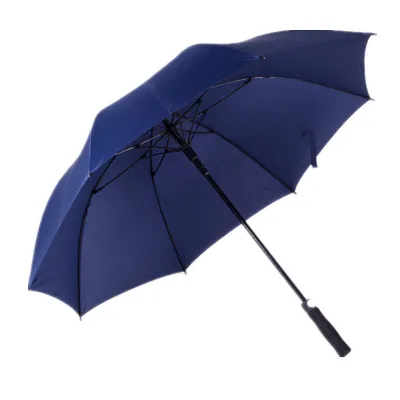
Printed Automatic Aluminium Promotional Gift Golf Umbrellas (GOL-0027AFA)
$3.30 - $5.00
MOQ: 50 Pieces




Comprehensive Sourcing Guide
Hands Free Golf Umbrella Sourcing Guide
Sourcing hands-free golf umbrellas requires a nuanced understanding of both the functional design and the specific market applications that drive demand. These products are primarily engineered for outdoor enthusiasts, particularly golfers, who need reliable protection from rain while maintaining the ability to swing clubs or carry equipment without manual intervention. The core appeal lies in the ergonomic integration of the umbrella into the golfer’s gear, often through clip-on mechanisms or specialized harnesses that distribute weight evenly. Buyers must recognize that while the term "golf umbrella" suggests a specific use case, the actual product category often overlaps with general outdoor accessories, necessitating careful verification of the attachment method and durability under wind stress.
The procurement landscape for these items is diverse, with manufacturers offering various customization options to meet brand-specific requirements. Many suppliers provide OEM and ODM services, allowing buyers to tailor the handle design, fabric color, and branding elements to align with their marketing strategies. This flexibility is crucial for businesses looking to create unique selling propositions in a competitive market. However, the hands-free aspect introduces additional engineering complexities that must be evaluated during the sourcing process. Buyers should prioritize suppliers who demonstrate a clear understanding of the mechanical requirements for secure attachment and weather resistance, ensuring that the final product performs reliably in real-world conditions rather than just in controlled demonstrations.
Product Scope and Observed Listing Signals
The observed product listings reveal a wide spectrum of umbrella types, ranging from straight advertising umbrellas to folding and fashion-oriented designs. While the core keyword focuses on hands-free golf umbrellas, the available data indicates that many suppliers offer a broader portfolio that includes standard golf umbrellas with features like anti-UV protection and various frame materials such as aluminum alloy, stainless steel, and fiberglass. This diversity suggests that buyers may need to look beyond simple keyword searches to find specialized hands-free models, as these might be categorized under general golf accessories or custom outdoor gear. The presence of both straight and folding styles highlights the importance of verifying the specific mechanism that enables hands-free operation, as this feature is not universally present across all golf umbrella listings.
Fabric composition and structural integrity are key differentiators in the current market, with materials like pongee, polyester, and nylon being commonly cited. The frame material also varies significantly, with iron and fiberglass options available, each offering distinct advantages in terms of weight and wind resistance. Buyers should pay close attention to the listed specifications, such as size and packing details, to ensure that the product meets their logistical and functional needs. For instance, some listings mention specific models like RG034-7 or RUM-0302-17, which may correspond to particular design features or quality standards. Understanding these signals helps buyers narrow down their search to suppliers who specialize in the robust, wind-resistant designs necessary for effective hands-free use in challenging weather conditions.
Technical Specifications to Verify
When evaluating hands-free golf umbrellas, the attachment mechanism is the most critical technical specification to verify. Buyers must ensure that the clip or harness system is compatible with standard golf bags and can withstand the dynamic forces generated during a swing. The material of the frame, whether it is aluminum alloy, stainless steel, or fiberglass, directly impacts the umbrella’s durability and weight, which are essential for comfort during long rounds of golf. Additionally, the fabric type, such as pongee or polyester, should be assessed for its water repellency and UV protection capabilities, as these factors contribute to the overall user experience. Suppliers should provide detailed technical drawings or specifications that outline the dimensions and load-bearing capacity of the attachment system.
Wind resistance is another vital technical aspect that requires thorough verification. Golf courses are often exposed to open spaces where wind speeds can be high, making it essential for the umbrella to have a flexible yet strong frame that can withstand gusts without inverting or breaking. Buyers should inquire about the testing procedures used by suppliers to validate wind resistance, as this is a key performance indicator for hands-free umbrellas. Furthermore, the size of the umbrella, typically ranging from 27 inches to larger diameters, should be considered in relation to the coverage area required for the user. Ensuring that the product meets these technical standards will help buyers select a reliable solution that minimizes the risk of product failure and customer dissatisfaction.
Compliance and Safety Documentation
Compliance with safety and quality standards is paramount when sourcing hands-free golf umbrellas, particularly regarding the materials used in their construction. Buyers should request documentation that confirms the fabric and frame materials meet relevant safety regulations, such as those concerning chemical content and structural integrity. While some listings mention certifications like CE and SGS, it is essential to verify that these certifications are current and applicable to the specific product model being purchased. Additionally, buyers should be aware of any regional regulations that may affect the import or sale of these products, ensuring that the supplier can provide the necessary compliance certificates to facilitate smooth customs clearance.
Environmental and ethical considerations are also becoming increasingly important in the procurement process. Buyers may wish to inquire about the supplier’s adherence to eco-friendly practices, such as the use of recyclable materials or sustainable manufacturing processes. Although some listings mention eco-friendly features, it is crucial to obtain concrete evidence of these claims, such as third-party audits or certifications. Furthermore, buyers should ensure that the supplier has a robust quality control system in place to maintain consistency in product quality and safety. This includes regular inspections of the production line and final product testing to identify and rectify any potential defects before shipment.
Cost Drivers and Commercial Terms
The cost of hands-free golf umbrellas is influenced by several factors, including the complexity of the attachment mechanism, the quality of materials used, and the level of customization required. Buyers should expect higher costs for models with advanced features, such as reinforced frames or specialized fabrics, as these require more sophisticated manufacturing processes. Additionally, the volume of the order plays a significant role in pricing, with larger quantities typically resulting in lower unit costs due to economies of scale. Suppliers may offer tiered pricing structures based on MOQ, so buyers should negotiate terms that align with their inventory needs and budget constraints.
Commercial terms, such as payment methods and lead times, are also critical considerations in the sourcing process. Buyers should clarify the supplier’s payment policies, including any deposits required and the balance due upon shipment. Lead times can vary depending on the complexity of the order and the supplier’s production capacity, so it is essential to establish clear timelines to avoid delays in product delivery. Furthermore, buyers should inquire about the supplier’s return and warranty policies to mitigate the risk of receiving defective products. Understanding these commercial terms helps buyers manage their cash flow and supply chain effectively, ensuring a smooth procurement experience.
Supplier Qualification and Quality Control
Supplier qualification is a crucial step in ensuring the reliability and quality of hands-free golf umbrellas. Buyers should conduct thorough due diligence on potential suppliers, verifying their business licenses, production capabilities, and past performance in the market. It is advisable to request samples of the product to assess the quality of the attachment mechanism, frame durability, and fabric performance. Additionally, buyers should inquire about the supplier’s quality control processes, including the frequency of inspections and the standards used to evaluate product quality. This information helps buyers gauge the supplier’s commitment to maintaining high-quality standards and minimizing the risk of defects.
Establishing a strong relationship with the supplier is also important for long-term success. Buyers should communicate their specific requirements and expectations clearly, ensuring that both parties are aligned on product specifications and delivery schedules. Regular communication and feedback can help identify and resolve any issues that may arise during the production process. Furthermore, buyers should consider visiting the supplier’s facility, if possible, to gain a firsthand understanding of their manufacturing capabilities and quality control practices. This direct engagement can build trust and facilitate a more collaborative partnership, leading to better product outcomes and improved supply chain efficiency.
Long-Term Procurement Checks
Long-term procurement checks involve continuous monitoring of supplier performance and product quality to ensure sustained satisfaction. Buyers should establish key performance indicators (KPIs) to track metrics such as on-time delivery, product defect rates, and customer feedback. Regular reviews of these metrics can help identify trends and areas for improvement, allowing buyers to address issues proactively. Additionally, buyers should maintain open lines of communication with the supplier to discuss any changes in market conditions or product requirements. This ongoing dialogue ensures that both parties remain aligned and can adapt to evolving needs.
It is also important to stay informed about industry trends and technological advancements in the hands-free golf umbrella market. Buyers should regularly research new materials, designs, and manufacturing techniques that could enhance product performance or reduce costs. Engaging with industry associations and attending trade shows can provide valuable insights and networking opportunities. Furthermore, buyers should periodically reassess their supplier base to ensure they are working with the most capable and reliable partners. By maintaining a proactive approach to procurement, buyers can secure a competitive advantage and deliver high-quality products to their customers.
FAQs
Can I customize the golf umbrella with my logo?
Yes, customization is available for these advertising umbrellas. You can add your logo to the fabric or handle. The products support OEM and ODM services, allowing for tailored designs. This feature makes them ideal for promotional campaigns. Buyers can request specific branding elements to enhance corporate visibility and brand recognition effectively.
What frame materials are used for these umbrellas?
The frames are constructed from aluminum alloy, stainless steel, fiberglass, or iron. These materials provide durability and wind resistance. Aluminum alloy offers a lightweight option, while stainless steel ensures strength. Fiberglass provides flexibility against strong gusts. Iron frames offer a sturdy base. Buyers can select the material that best fits their durability and weight requirements.
What fabric options are available for the canopy?
The canopies are made from pongee, polyester, or nylon fabrics. These materials offer varying levels of water resistance and durability. Pongee provides a smooth finish, while polyester and nylon are known for their strength. The fabric choice affects the umbrella's weight and packability. Buyers can choose the fabric that aligns with their specific usage needs and quality expectations.
What are the standard packaging methods for orders?
Packaging typically includes 1PC per PE bag or polybag, with 10PCS per carton. Some items use PP bags for individual packing. This method ensures safe transport and storage. The carton packing facilitates bulk handling and shipping efficiency. Buyers can rely on this standard packaging for protecting the umbrellas during transit and maintaining product quality upon arrival.
Where are these umbrellas manufactured?
These umbrellas are manufactured in Shanghai, Yiwu, and Zhejiang, China. These regions are known for their strong manufacturing capabilities. Shanghai and Zhejiang offer advanced production facilities. Yiwu is a major hub for trading and sourcing. Buyers can benefit from the established supply chains and logistical advantages provided by these key manufacturing locations in mainland China.
What certifications do these products hold?
Products hold CE and SGS certifications. These standards ensure quality and safety compliance. SGS certification verifies material and performance standards. CE marking indicates conformity with health, safety, and environmental protection standards. Buyers can trust these certifications for meeting international regulatory requirements. This ensures the products are suitable for global distribution and use in various markets.