Source Electronic LCD Gold Density Scale for Jewelry, Lab, and Retail
Explore 30 listings for the Electronic LCD Gold Density Scale, featuring models with 0.01g to 0.1mg accuracy. Compare LCD display options, load cell sensors, and ISO certifications from Changzhou suppliers to find the right weighing solution for your commercial or industrial needs.
Key considerations
Products List


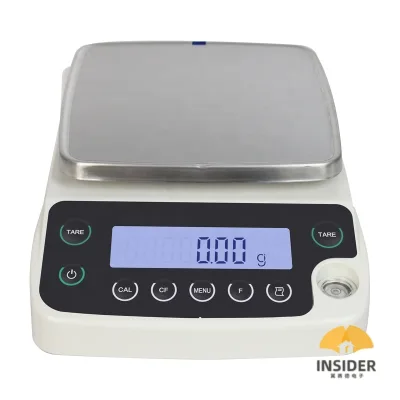

100g 500g Portable High Accuracy Electronic Pocket Diamond Jewelry Weight Scale
$2.60 - $2.75
MOQ: 1000 Pieces


0.01g/0.1g Balance Scale for Jewelry
$2.45 - $2.85
MOQ: 1000 Pieces
Guangdong South China Sea Electronic Measuring Technology Co., Ltd.


Laboratory Gold Density Scale Analytical Balance Electronic Density Balance
$197.00 - $247.00
MOQ: 1 Pieces


Comprehensive Sourcing Guide
Electronic LCD Gold Density Scale Sourcing Guide
Sourcing an Electronic LCD Gold Density Scale requires a clear understanding of the dual functionality inherent in these devices. These instruments are not merely weighing scales; they are specialized analytical tools designed to determine the density of precious metals and gemstones with high precision. The core keyword highlights the necessity for an LCD display, which provides clear, easy-to-read data in various lighting conditions, a critical feature for jewelers and assay offices. Buyers must recognize that the "gold density" aspect implies a specific measurement protocol, often involving water displacement or air comparison methods, which distinguishes these units from standard commercial counting scales.
The procurement process must account for the specific accuracy requirements dictated by the value of the materials being weighed. Gold density scales typically offer resolutions ranging from 0.01g to 0.0001g, depending on the model and capacity. This variance directly impacts the reliability of the density calculation, as even minor weighing errors can lead to significant discrepancies in purity assessment. Therefore, the initial sourcing strategy should focus on identifying suppliers who provide transparent specifications regarding both the maximum capacity and the readability of the device, ensuring the selected instrument matches the operational needs of the laboratory or retail environment.
Product Scope and Observed Listing Signals
The observed product landscape reveals a diverse range of electronic scales marketed for gold density testing, with prices ranging from $1 to $1,500 USD. This wide variance suggests differences in build quality, sensor technology, and additional features such as automatic measurement capabilities. Listings frequently highlight customization options, indicating that buyers may have the opportunity to tailor certain aspects of the device, such as packaging or specific interface configurations. The minimum order quantities (MOQ) observed range from 1 to 1,000 units, reflecting a market that serves both individual professionals and bulk institutional buyers. Understanding these signals helps in filtering suppliers based on volume requirements and budget constraints.
Material composition and physical design are also key indicators of product quality. Many listed units are constructed from plastic, which offers durability and resistance to corrosion, a vital trait for environments where chemicals or moisture might be present. The shape of these scales varies, with square and circular designs both appearing in the market, potentially affecting the stability of the weighing pan or the ease of integration into existing workstations. Additionally, the presence of certifications such as ISO, CE, RoHS, and C-Tick in listings serves as a preliminary filter for compliance, although buyers must verify the validity of these claims directly with the supplier rather than relying solely on marketing descriptions.
Technical Specifications to Verify
Verifying the technical specifications is paramount when selecting a gold density scale, particularly the accuracy and capacity parameters. Listings indicate models with capacities such as 500g/0.01g, 1kg, 2kg, or even up to 2000g with 0.1g accuracy. However, for high-value gold testing, higher precision models like those with 0.0001g accuracy and 100g capacity are often preferred. Buyers must confirm that the stated accuracy aligns with the required density measurement standards, as lower accuracy can compromise the integrity of the purity assessment. The sensor type, typically a load cell, should also be verified for its linearity and repeatability, as these factors directly influence the consistency of measurements over time.
The interface and display type are other critical technical aspects to evaluate. Most modern units feature LCD displays for clear readability, but the inclusion of an RS232 interface is a significant advantage for integration with laboratory information management systems or for data logging purposes. Buyers should also check the pan size and outline dimensions to ensure the scale fits within their available workspace. For instance, a pan size of 130mm and dimensions of 30020090mm are common, but larger capacities may require different footprints. Confirming these physical and digital specifications ensures the scale meets both the operational and technical requirements of the procurement.
Compliance and Safety Documentation
Compliance with international standards is essential for electronic scales, particularly those used in commercial and industrial settings. Listings often mention certifications such as ISO, CE, RoHS, and SGS, which indicate adherence to quality management, electromagnetic compatibility, and environmental safety standards. Buyers must request valid certificates from the supplier to verify these claims, as the presence of these marks on a product page does not guarantee current validity. The CE mark, for example, is crucial for selling or using the device in the European market, while RoHS compliance ensures the absence of hazardous substances, which is increasingly important for sustainable procurement practices.
Safety documentation also includes proper packaging and handling instructions to prevent damage during transit. Observed packing methods range from simple carton packaging to more robust bubble packing with plywood pallets for larger orders. Buyers should ensure that the supplier provides clear documentation on how to calibrate and maintain the scale, as improper handling can lead to sensor drift or damage. Additionally, verifying the origin of the product, such as Changzhou, China, can provide insights into the manufacturing ecosystem and potential supply chain risks. Ensuring that all compliance documents are up-to-date and transferable is a critical step in mitigating legal and operational risks.
Cost Drivers and Commercial Terms
The cost of an electronic gold density scale is influenced by several factors, including accuracy, capacity, and additional features. Higher precision models, such as those with 0.0001g readability, typically command a higher price due to the advanced sensor technology and rigorous manufacturing processes involved. The inclusion of an RS232 interface or automatic measurement capabilities can also increase the cost, as these features add value for users who require data integration or streamlined workflows. Buyers should consider the total cost of ownership, which includes calibration services, maintenance, and potential replacement parts, rather than just the initial purchase price.
Commercial terms, such as MOQ and lead times, also play a significant role in the procurement decision. While some suppliers offer low MOQs for individual purchases, bulk orders may benefit from discounted pricing but require longer lead times. Buyers should negotiate clear terms regarding payment methods, shipping responsibilities, and warranty coverage. It is also important to clarify the packaging details, as improper packaging can lead to damage and additional costs. Understanding these commercial dynamics allows buyers to optimize their procurement strategy, balancing cost efficiency with the need for reliable and timely delivery of high-quality equipment.
Supplier Qualification and Quality Control
Qualifying suppliers for electronic gold density scales requires a thorough assessment of their manufacturing capabilities and quality control processes. Buyers should verify the supplier’s production capacity, technical expertise, and history of delivering compliant products. Requesting samples for testing is a crucial step to evaluate the actual performance of the scale, including its accuracy, stability, and ease of use. Suppliers who provide detailed technical support and training resources are often more reliable, as they demonstrate a commitment to customer success beyond the initial sale. Additionally, checking for third-party audits or quality management certifications can provide assurance of the supplier’s adherence to industry standards.
Quality control measures should be explicitly defined in the procurement agreement. This includes specifications for incoming material inspection, in-process quality checks, and final product testing. Buyers should inquire about the supplier’s procedures for handling defects and returns, as well as their approach to continuous improvement. Establishing a clear communication channel for addressing quality issues promptly can prevent disruptions in operations. Furthermore, considering the supplier’s location and logistics capabilities can impact the reliability of delivery and the ease of resolving any post-sale issues. A robust supplier qualification process ensures that the procured scales meet the required performance and quality standards.
Long-Term Procurement Checks
Long-term procurement success depends on establishing ongoing performance reviews and relationship management with suppliers. Regularly assessing the performance of the procured scales, including their accuracy over time and the frequency of required calibrations, helps identify potential issues early. Buyers should maintain open communication with suppliers to address any emerging needs or changes in operational requirements. Building a strong relationship with a reliable supplier can lead to better pricing, priority support, and access to new product developments. Additionally, staying informed about industry trends and technological advancements can help buyers make informed decisions about future upgrades or replacements.
It is also important to periodically review the compliance status of the procured equipment, as regulations and standards may evolve. Ensuring that the scales remain compliant with current environmental and safety regulations is essential for maintaining operational legality. Buyers should also consider the availability of spare parts and service support, as these factors impact the long-term usability of the equipment. By implementing a structured approach to long-term procurement checks, buyers can maximize the value of their investment in electronic gold density scales, ensuring consistent performance and reliability in their operations.
FAQs
What is the accuracy of the electronic gold density scale?
The accuracy varies by model, with options ranging from 0.01g to 0.0001g. Some units offer a weighing capacity of 500g at 0.01g precision, while analytical balances provide 0.1mg resolution for 100g loads. Buyers should select the specific model based on their required measurement sensitivity.
Which certifications do these electronic scales typically hold?
Most units carry ISO, CE, RoHS, C-Tick, and SGS certifications. These standards ensure compliance with international safety and environmental regulations. Buyers sourcing from Changzhou, China, can expect products meeting these specific documented requirements for commercial and industrial applications.
Can the scale be customized for specific weighing needs?
Yes, customization is available for various electronic weighing and density measurement requirements. Manufacturers offer different capacities ranging from 1kg to 6kg and specific pan sizes like 130mm. This flexibility allows buyers to tailor the device to their unique commercial or industrial weighing scenarios.
How is the product packed for safe international shipping?
Packaging typically includes bubble packing for the product inside a carton. Some larger orders may utilize a carton with a plywood pallet for stability. The standard packing often includes one piece per carton, ensuring the electronic balance remains secure during transit to global destinations.
What is the typical origin location for these scales?
The primary manufacturing origin is Changzhou, China. This location supplies various models including the MD-500 and WT-TF series. Buyers can expect consistent production standards and logistics from this established industrial hub for electronic weighing instruments.
What interface options are available for data connectivity?
Many models feature an RS232 interface for connecting to computers or printers. This allows for automated data transfer and integration into existing inventory systems. The electronic structure supports automatic measurement methods suitable for high-volume commercial and industrial weighing environments.