Source Daily Use Hand Warmer for Hands, Pockets, and Travel
Source Daily Use Hand Warmer options from 30 verified listings. Compare heating pads and gel packs for hands, pockets, and travel. Evaluate materials like PVC and non-woven fabric, along with features such as recyclable and eco-friendly designs for bulk procurement.
Key considerations
Products List
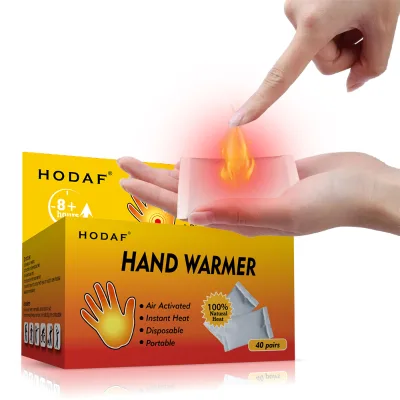


$0.18 - $2.55
MOQ: 1000 Pieces


$0.45 - $0.90
MOQ: 1000 Pieces


$0.40 - $0.90
MOQ: 1000 Pieces


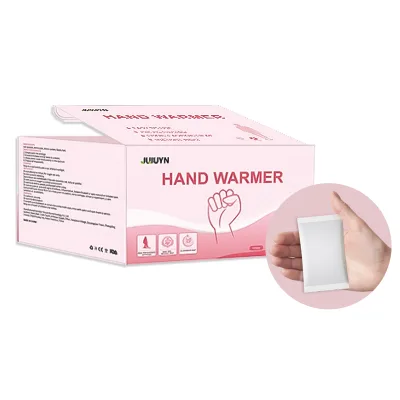
Comprehensive Sourcing Guide
Daily Use Hand Warmer Sourcing Guide
Buyers must first distinguish between disposable chemical pads and reusable thermal packs, as the supply chain for each differs significantly in material composition and manufacturing complexity. The market currently lists items ranging from simple non-woven fabric pads containing iron powder to reusable PVC gel packs designed for hot and cold therapy applications. Understanding this fundamental split is essential before initiating any procurement process, as the operational requirements for inventory management and end-user safety vary drastically between single-use and durable goods.
Procurement teams should also evaluate the specific form factor and application context, noting that observed listings include pad styles sized for hand placement and gel packs suitable for broader rehabilitation therapy. While some products are marketed strictly for indoor use, others are specified for both indoor and outdoor environments, which influences the required durability of the outer casing. This distinction dictates whether the buyer prioritizes lightweight, disposable packaging or robust, foldable designs that can withstand repeated manual activation and temperature cycling without failure.
Product Scope and Observed Listing Signals
When reviewing product listings, buyers should verify the specific item form and material composition to ensure alignment with their intended use case. Observed data indicates a clear divergence between non-woven fabric pads, which rely on iron powder oxidation for heat generation, and high-density PVC gel packs that function as reusable hot therapy devices. Sourcing decisions must be grounded in these material realities, as the performance profile of a disposable pad offering about 5-6 hours of heating differs entirely from a recyclable gel pack capable of temperature retention.
Buyers must also scrutinize the packaging and unit configuration signals provided in listings, which often range from single items per bag to bulk carton shipments containing multiple units. The observed single package size of 15x20x2 cm and gross weight of 0.250 kg provide critical logistics data for calculating freight costs and warehouse storage requirements. Additionally, the availability of customization options for logos and specific sizes, such as 5.5x9 cm or 6.5x9 cm, allows for tailored branding strategies but requires clear communication of these specifications to the manufacturer to avoid fulfillment errors.
Technical Specifications to Verify
Technical verification begins with confirming the heating duration and maximum temperature output, as these are primary performance indicators for user satisfaction. Listings for chemical pads typically cite a heating time of about 5-6 hours with a temperature reaching approximately 65℃, which is sufficient for warming hands in cold conditions. Buyers must ensure that the supplier can consistently maintain these thermal parameters across all production batches, as deviations could lead to product failure or safety concerns regarding excessive heat exposure.
For reusable gel packs, the focus shifts to the structural integrity of the PVC material and the functionality of the hot and cold pack mechanism. Buyers should verify that the product is non-tilted and designed for manual power supply, ensuring it remains stable during use without requiring external energy sources. The specification of the product as a "hot and cold pack" implies a dual-functionality that must be tested for durability, particularly regarding the seal integrity of the gel compartment and the flexibility of the folding design to prevent leakage during transport or use.
Compliance and Safety Documentation
Safety compliance is paramount when sourcing products that generate heat or involve direct skin contact, requiring verification of relevant material safety data sheets and manufacturing standards. While some listings mention ISO certification, buyers must explicitly request documentation proving that the iron powder in disposable pads and the PVC gel in reusable units meet international safety thresholds for toxicity and flammability. Relying on general claims without physical test reports can expose the buyer to liability if the product causes skin irritation or fails to contain heat as advertised.
Buyers should also investigate the shelf life and storage stability of the products, as chemical reactions in disposable pads can degrade over time if not stored correctly. The observed shelf life of two years for these items necessitates a clear understanding of the expiration dating protocols used by the supplier to ensure that inventory remains effective until the point of sale. Additionally, verifying that the product condition is listed as new and that the materials are eco-friendly or recyclable helps align the procurement with corporate sustainability goals and regulatory requirements in target markets.
Cost Drivers and Commercial Terms
Cost structures for hand warmers are heavily influenced by the choice between disposable and reusable models, with material costs and manufacturing complexity driving the final unit price. Disposable non-woven pads generally offer a lower entry price point, with observed ranges starting as low as $0.04, whereas reusable PVC gel packs command higher prices due to the complexity of the molding and sealing processes. Buyers must analyze the total cost of ownership, considering that while reusable units have a higher upfront cost, they may offer long-term savings for frequent users compared to the recurring expense of replenishing disposable pads.
Commercial terms such as Minimum Order Quantity (MOQ) and packaging configurations significantly impact the financial viability of the procurement. The observed MOQ range spans from 40 to 100,000 units, with specific listings citing an MOQ of 1,000 for customized items, requiring buyers to balance inventory risk against unit cost reductions. Furthermore, the packing method, whether 1 pad per bag or bulk cartons, affects shipping efficiency and handling costs, making it essential to negotiate terms that optimize the supply chain flow while maintaining the integrity of the product during transit.
Supplier Qualification and Quality Control
Supplier qualification requires a rigorous assessment of the manufacturing location and production capabilities, with a strong preference for facilities in established industrial hubs like Hebei, China. Buyers should verify that the supplier has a proven track record in producing both non-woven fabric pads and PVC gel packs, as the technical expertise required for each is distinct. Requesting samples from the specific production line intended for the order is crucial to validate that the observed specifications, such as the single gross weight and package dimensions, are consistently met in actual production runs.
Quality control protocols must be established to monitor critical attributes like the main ingredient composition and the final product temperature. Buyers should implement a sampling plan that tests for the consistency of the iron powder content in disposable pads and the leak-proof integrity of the gel seals in reusable units. Additionally, verifying the supplier's ability to handle customization requests, such as logo printing and specific size variations, ensures that the final product meets the buyer's branding and functional requirements without compromising the structural integrity of the item.
Long-Term Procurement Checks
Long-term procurement success depends on establishing a robust framework for monitoring product shelf life and inventory rotation to prevent the sale of degraded goods. Since the observed shelf life is two years, buyers must implement a first-expiry-first-out (FEFO) system to ensure that older stock is sold before newer batches, particularly for chemical pads where the heating efficacy may diminish over time. Regular audits of the supplier's storage conditions are necessary to confirm that the products are kept in environments that preserve their chemical stability and physical properties.
Buyers should also maintain a continuous dialogue with suppliers regarding updates to product standards and material availability to mitigate supply chain disruptions. As the market evolves, new eco-friendly materials or improved heating technologies may emerge, requiring the procurement team to stay informed about potential upgrades to the product line. Establishing a clear feedback loop for end-user performance data allows the buyer to quickly identify any recurring quality issues and work with the supplier to implement corrective actions before they impact the brand reputation.
FAQs
How long does the heating time last for the hand warmer pad?
The heating time lasts about 5-6 hours for the hand warmer pad. This duration is achieved using iron powder as the main ingredient within a non-woven fabric pad. The temperature reaches about 65 degrees Celsius to keep hands warm effectively during use.
What materials are used to make the hand warmer pad?
The hand warmer pad is made from non-woven fabric containing iron powder as the main ingredient. Some reusable versions utilize high-density PVC and gel materials. These materials ensure the product is eco-friendly and recyclable while providing effective heat therapy for hands.
Which sizes are available for the hand warmer pad?
Available sizes for the hand warmer pad include 5.5 by 9 cm and 6.5 by 9 cm. These dimensions are designed to fit comfortably in the hand. Customization is available if specific size requirements are needed for your business needs.
Can the hand warmer pad be customized with a logo?
Yes, the hand warmer pad can be customized with a logo. Printing services are available for branding purposes. This customization option allows buyers to add their own designs or company names to the product packaging or the item itself.
What is the shelf life of the disposable hand warmer pad?
The shelf life of the disposable hand warmer pad is two years. This ensures the product remains effective until the expiration date. Proper storage is required to maintain the integrity of the iron powder and non-woven fabric materials inside the package.
How is the hand warmer pad packaged for shipping?
The hand warmer pad is packaged as one pad per bag or two pads per bag. The single package size is 15 by 20 by 2 cm. Bulk shipping is done in cartons, with some options using OPP bags or PP bags for individual protection.
Where is the hand warmer pad manufactured?
The hand warmer pad is manufactured in Hebei, China. This location is the place of origin for the product. The manufacturing process adheres to standard specifications and utilizes local resources to produce the heating pads efficiently.
What certifications does the hand warmer pad hold?
The hand warmer pad holds ISO certification. This indicates that the manufacturing process meets international quality standards. Buyers can rely on this certification for assurance of product safety and consistency when sourcing these hand warmers for their business.