Find Girls Spandex Ballet Tutu for recitals, practice, and performances
Source 30 verified options for Girls Spandex Ballet Tutu from Chinese manufacturers. Compare prices, sizes, and materials like nylon spandex to find suitable dance wear for various age groups and performance needs.
Key considerations
Products List
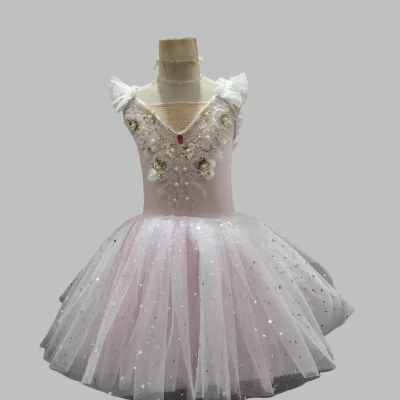
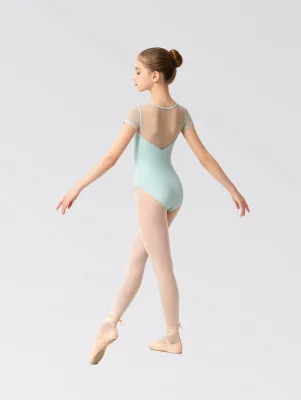
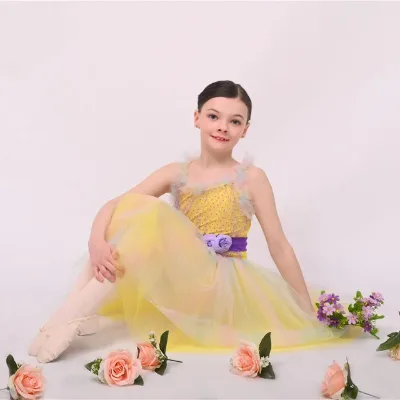
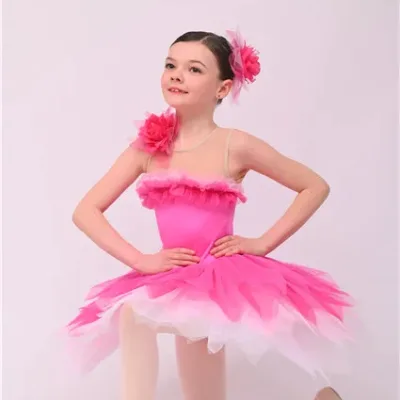
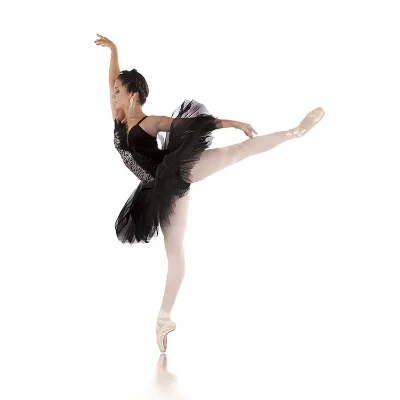


Girls Kids Flower Dance Costume Cute Sparkle Ballet Tutu for Performance
$25.00 - $29.99
MOQ: 2 Pieces

Girls Flower Ballet Tutu Performance Wear Tutu Skirt Ballet Dance Costume
$26.00 - $29.99
MOQ: 2 Pieces


Kids Ballet Dance Costume Ballet Tutu Skirt Recital Costume Performance Dance Wear
$25.00 - $29.00
MOQ: 2 Pieces

Girls Sequin Ballet Tutu for Child Princess Skirt Performance Wear Dance Costume
$24.00 - $31.00
MOQ: 50 Pieces
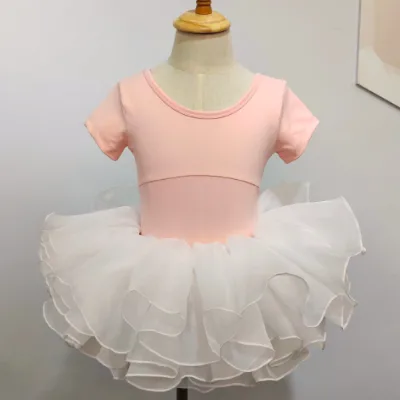
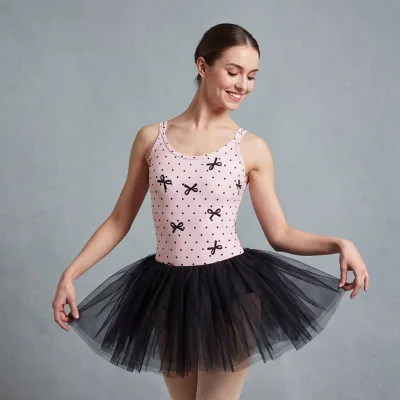
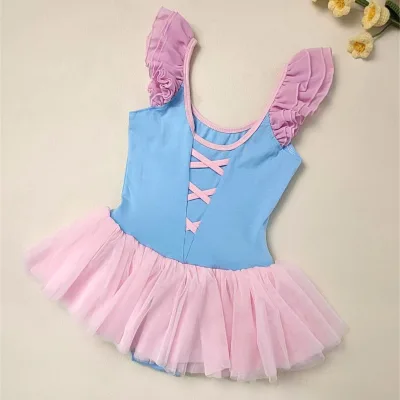
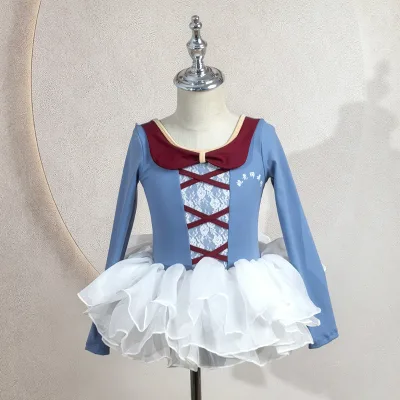
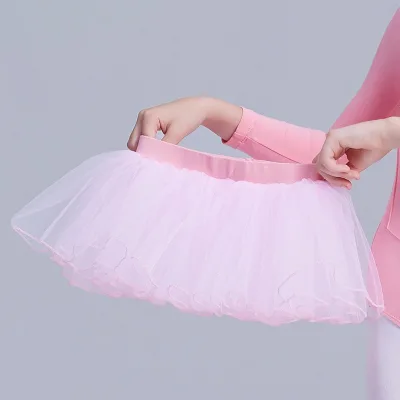
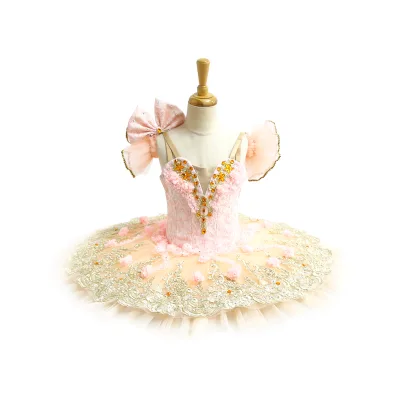
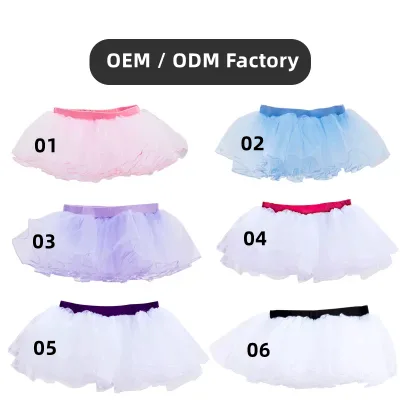
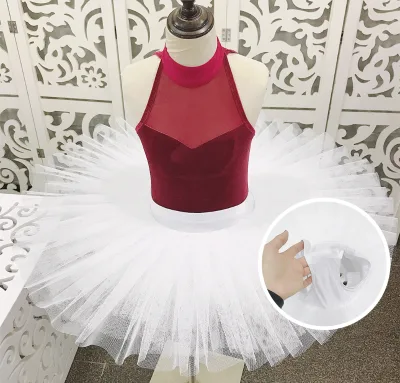
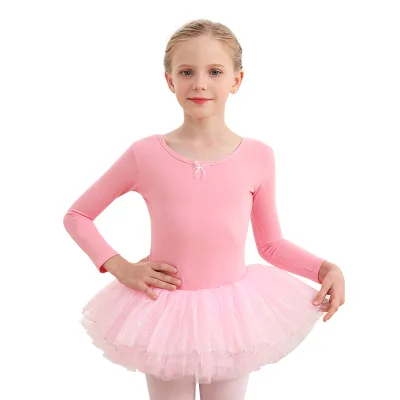
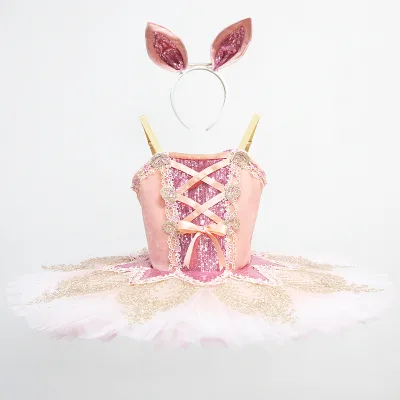
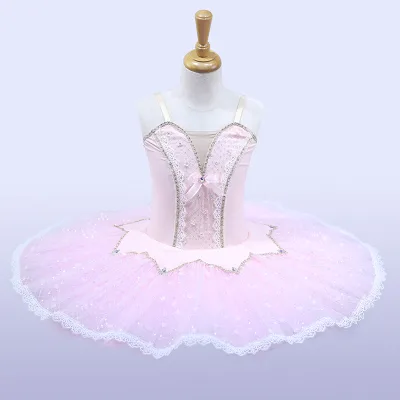
S0009 Women's Ballet Dress Costumes Performance Wear Cotton Spandex Customizable
$98.40 - $128.79
MOQ: 1 Minimum
Comprehensive Sourcing Guide
Strategic Sourcing Guide for Girls Spandex Ballet Tutu
Understanding Product Specifications and Material Composition
When sourcing girls' spandex ballet tutu, the primary focus must be on the technical specifications that define performance, durability, and aesthetic appeal. The core material composition for these garments typically involves a blend of Spandex and Nylon. This combination is critical because it offers the necessary elasticity for a wide range of motion while maintaining the structural integrity required for stage performance. The observed market data indicates that materials are often listed as "Spandex / Nylon" or "Nylon Spandex," confirming that these fibers are the industry standard for this specific category.
The fit and sizing are equally vital. Sourcing guides must account for the variability in size ranges observed in the market. While some listings provide a standard range including XS, S, M, L, and XL, others offer more granular sizing such as XXS through 5XL, or specialized codes like CS, CM, CXS, CL, and CXXS. Buyers must verify that the supplier's size chart aligns with the specific demographic of the target audience, whether for children or adults, as the product attributes explicitly list both age groups. The "Girls" keyword in the search query suggests a focus on the younger demographic, but the availability of adult sizes indicates that suppliers often stock unisex or multi-generational inventory.
The construction style is another key specification. The product type is consistently identified as "Dancerwear" or "Stage & Dancerwear," with a specific style noted as "Dresses." The design often incorporates a tutu silhouette, which requires precise tailoring to ensure the skirt sits correctly and allows for freedom of movement. The single package size varies significantly, ranging from compact dimensions like 20x20x5 cm to larger parcels measuring 40x25x5 cm. This variance suggests differences in packaging density or the inclusion of additional accessories. Buyers should request physical samples to verify that the packaging protects the delicate spandex fabric during transit, as the single gross weight can range from 0.300 kg to 0.5 kg, indicating variations in fabric density or layering.
Compliance, Certification, and Safety Standards
In the realm of children's dancewear, compliance and safety are non-negotiable. While the supplied product facts do not explicitly list specific certification numbers or third-party test results, the "Feature" attribute notes that some items are "Eco-Friendly." This designation requires verification. Buyers should not assume that "Eco-Friendly" implies compliance with specific international standards without documentation. Instead, procurement teams must request proof of compliance with relevant safety regulations for children's textiles, such as restrictions on harmful dyes, formaldehyde levels, and flammability standards.
The origin of the products is a significant factor in compliance. The "Place of Origin" is consistently listed as Zhejiang, China. While this region is a major hub for textile manufacturing, it does not automatically guarantee adherence to the safety standards of the importing country. Buyers must verify that the supplier has the capacity to provide test reports from accredited laboratories that meet the standards of the destination market. For instance, if importing into the European Union, compliance with REACH regulations is essential. If importing into the United States, compliance with the Consumer Product Safety Improvement Act (CPSIA) regarding lead and phthalates is mandatory.
The "Supply Type" attribute reveals a mix of "In-Stock Items" and "Oem Service." This distinction is crucial for compliance. OEM (Original Equipment Manufacturer) services allow for greater control over the supply chain and material sourcing, enabling buyers to specify the exact dyes and finishes used. In contrast, in-stock items may have been produced with different batches of materials, potentially varying in compliance status. Buyers should explicitly ask for a Certificate of Compliance (CoC) for each batch, especially when dealing with OEM orders where the buyer's brand label will be applied. The "Customization: Available" attribute further supports the need for strict quality control, as custom orders often involve unique material blends or printing methods that require specific safety testing.
Cost Drivers and Pricing Dynamics
The pricing structure for girls' spandex ballet tutu is influenced by several dynamic factors, with the observed price range in the market spanning from 2.76 USD to 340.08 USD. This wide disparity indicates that price is not a linear function of the base material but is heavily driven by customization, brand positioning, and order volume. The lower end of the spectrum likely represents standard, off-the-rack items with minimal customization, while the higher end may reflect complex designs, premium branding, or specialized performance features.
The Minimum Order Quantity (MOQ) is a significant cost driver. The observed MOQ range is between 1 and 50 pieces. This flexibility allows small buyers to test the market with low-risk orders, but it often comes with a higher unit cost. As the order volume increases, the unit price typically decreases due to economies of scale in material purchasing and production setup. Buyers should analyze their inventory needs carefully; ordering exactly at the MOQ of 1 piece may be feasible for prototyping but is inefficient for bulk stocking. Conversely, ordering 50 pieces or more may unlock better pricing tiers, though the total capital outlay will be higher.
Material costs and printing methods also impact the final price. The "Printing Methods" attribute lists "Embossed" and "Digital Print." Digital printing allows for complex, multi-color designs without the high setup costs of traditional screen printing, but it may be more expensive per unit for small runs. Embossed techniques add a tactile dimension to the fabric, potentially increasing production time and cost. Additionally, the "Brand Name" attribute shows variations like "ANNA SHI" and "Stage Boutique." Branded items often carry a premium compared to generic or unbranded stock. Buyers must decide whether they are purchasing a generic product to rebrand or a pre-existing branded item, as this decision will significantly affect the cost structure.
Typical Applications and Usage Scenarios
The primary application for girls' spandex ballet tutu is clearly defined as "Dance Wear" with a specific "Performance Wear Type" of "Ballet." However, the "Usage" attribute also broadly categorizes these items under "PERFORMANCE." This suggests that the garments are versatile and suitable for various stage productions, recitals, and competitions. The "Gender" attribute specifies "Female" and "Women," confirming that the design is tailored to the female form, which is standard for ballet attire.
The "Style" is listed as "Dresses," which implies a full-body garment rather than a separate top and skirt. This is typical for ballet costumes where a seamless look is desired. The "Color" options are diverse, ranging from specific single colors like "Pink," "Green," "Yellow," and "Black" to multi-color listings including "White," "Khaki," "Blue," and "Red." This variety allows choreographers and costume designers to match specific themes or character requirements. For example, pink is a traditional ballet color, while green or yellow might be used for fantasy or contemporary pieces.
The "Age Group" attribute lists both "Children" and "Adults," indicating that the same design lines may be available in different sizes to accommodate growing dancers or adult performers. This versatility is beneficial for dance schools that may need to source costumes for students of varying ages. The "Technics" attribute mentions "Handmade" for some items, suggesting that higher-end or custom costumes may involve manual assembly, which adds value but also requires careful quality control to ensure consistency. The "Selling Units" are listed as "Single item," which simplifies the ordering process for individual purchases but requires careful inventory management for bulk orders.
Supplier Evaluation and Sourcing Strategy
Evaluating suppliers for girls' spandex ballet tutu requires a multi-faceted approach that goes beyond price comparison. The "Supply Type" indicates that suppliers offer both "In-Stock Items" and "Oem Service." Buyers should prioritize suppliers who demonstrate flexibility in both areas. A supplier with a robust inventory of in-stock items can provide immediate delivery for urgent needs, while those offering OEM services are essential for buyers seeking custom branding or unique designs.
The "Lead Time" is a critical factor in supplier evaluation. The data shows that some suppliers support a "7 days sample order lead time," while others do not. This discrepancy highlights the importance of clarifying lead times before placing an order. For buyers requiring samples to verify quality, a supplier with a 7-day turnaround is preferable. However, for bulk production, the lead time may extend significantly beyond the sample phase. Buyers must establish clear communication regarding production schedules and ensure that the supplier can meet the required delivery dates for performance seasons or events.
The "Place of Origin" is consistently "China," specifically "Zhejiang." While this is a known manufacturing hub, buyers should verify the specific factory's capabilities. The "Brand Name" variations suggest that some suppliers may be trading companies rather than direct manufacturers. Buyers should request factory audits or virtual tours to confirm production capacity and quality control processes. The "Single package size" and "Single gross weight" data can also be used to evaluate logistics efficiency. Suppliers with smaller, lighter packages may offer better shipping rates, reducing the overall cost of procurement.
Quality Control and Long-Term Procurement Considerations
Quality control is paramount when sourcing dancewear, as the garments must withstand rigorous physical activity. The "Material" composition of Spandex and Nylon provides the necessary stretch, but the quality of the weave and the durability of the seams are critical. Buyers should inspect samples for issues such as pilling, color fading, or seam splitting. The "Feature" attribute noting "Eco-Friendly" materials should be verified through third-party testing to ensure that the environmental claims are accurate and do not compromise the garment's performance.
Long-term procurement considerations involve building a sustainable relationship with suppliers. The "Customization: Available" attribute suggests that buyers can work with suppliers to develop exclusive designs. This partnership can lead to better pricing and priority production scheduling. However, it also requires a clear understanding of intellectual property rights and design ownership. Buyers should ensure that contracts explicitly state who owns the design rights and how the supplier can use the designs in the future.
The "Model Number" variations, such as A-27, DY0058, AL-201120, and JT-009, indicate a wide range of product lines. Buyers should maintain a consistent catalog of model numbers to streamline reordering and inventory management. The "Printing Methods" and "Color" options should be standardized to reduce complexity in the supply chain. For example, limiting the color palette to a core set of popular shades can reduce production time and minimize the risk of color discrepancies between batches.
Finally, buyers should consider the "7 days sample order lead time" as a benchmark for supplier responsiveness. A supplier that can quickly provide samples demonstrates a commitment to customer service and quality assurance. By focusing on these technical and operational details, buyers can ensure a successful sourcing strategy for girls' spandex ballet tutu that balances cost, quality, and reliability.
Comparative Analysis of Product Attributes
| Attribute | Observation 1 | Observation 2 | Observation 3 | Observation 4 |
|---|---|---|---|---|
| Material | Spandex / Nylon | Nylon Spandex | - | - |
| Size Range | Xs, S, M, L, Xl | S | CS, CM, CXS, CL, CXXS | XXS to 5XL |
| Color Options | Pink | Green | Yellow | White, Khaki, Black, Blue, Pink, Red, Yellow |
| Model Number | A-27 | DY0058 | AL-201120 | JT-009, 7014, BT9168, BT3024 |
| Brand Name | ANNA SHI | - | Stage Boutique | - |
| Printing Method | Embossed | - | Digital Print | - |
| Supply Type | In-Stock Items | Oem Service | - | - |
| Sample Lead Time | 7 Days Support | - | - | Not Support |
| Package Size | 25x15x10 cm | 20x20x5 cm | 40x25x5 cm | - |
| Gross Weight | 0.300 kg | 0.5 kg | - | - |
This table summarizes the diverse attributes found in the market. Buyers should use this data to identify suppliers that match their specific requirements. For instance, if a buyer needs a specific size range like "XXS to 5XL," they should focus on suppliers listing model numbers like 7014. If "Digital Print" is required, the search should prioritize suppliers with that specific printing method. The variability in package size and weight also suggests that shipping costs will vary, and buyers should factor this into their total cost of ownership calculations. By carefully analyzing these attributes, buyers can make informed decisions that align with their procurement goals.
FAQs
What materials are used for Girls Spandex Ballet Tutu?
The garments are typically constructed from a blend of Spandex and Nylon. This combination ensures the necessary elasticity for movement while maintaining structural integrity for stage performance, as observed in the product specifications.
Which age groups can wear these dance costumes?
These costumes are available for both Children and Adults. The sizing ranges from XS to 5XL or specialized codes, allowing the same design lines to accommodate growing dancers or adult performers depending on the specific model.
Can I get a sample order within a week?
Some suppliers support a 7-day sample order lead time, while others do not. Buyers must verify the specific lead time capability before ordering, as availability varies between different manufacturers and stock items.
What is the minimum order quantity for these items?
The minimum order quantity ranges from 1 piece to 50 pieces. This flexibility allows small buyers to test the market with low-risk orders, though higher volumes may unlock better pricing tiers through economies of scale.
Where are these ballet tutus manufactured?
The products originate from Zhejiang, China. This region is a major textile hub, but buyers should verify specific factory capabilities and compliance standards regardless of the consistent place of origin listed in the product facts.
Are customization options available for these dresses?
Customization is available for many of these dancerwear items. Buyers can request OEM services to apply their own branding or specify unique designs, though this requires strict quality control and clear intellectual property agreements.