Source Glass and Cement Waste Hammer Crusher for Mining, Stone, and Construction
Compare 30 verified listings for the Glass and Cement Waste Hammer Crusher designed for mining, stone processing, and construction applications. Buyers can evaluate specifications like motor power, output size, and production capacity from suppliers in China.
Key considerations
Products List


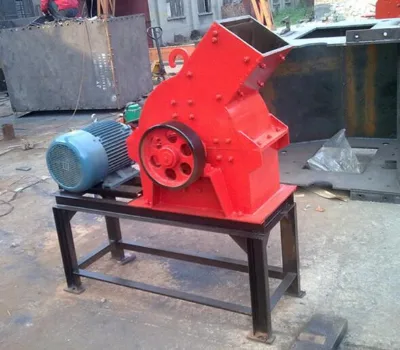


Cost-Effective Hammer Crusher for Crushing Glass, Ceramics, and Refractories
$5000.00 - $30000.00
MOQ: 1 Sets

Advanced Hammer Crusher for Crushing Glass Cullet, Ceramic Tiles, and Bricks
$5000.00 - $30000.00
MOQ: 1 Sets


Hammer Crusher for Construction Waste Treatment: Promote Resource Recycling
$9000.00 - $50000.00
MOQ: 1 Sets


Portable glass breaking construction waste hammer crusher manufacturer
$888.00 - $6999.00
MOQ: 1 Pieces


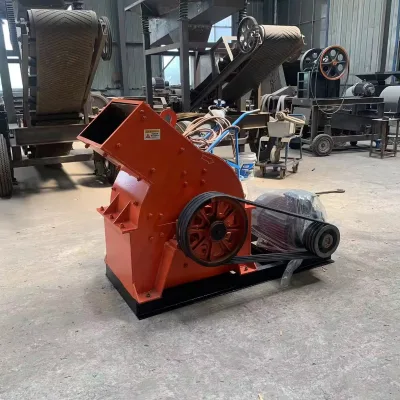

Fyxfer Efficient Hammer Crusher for Glass and Bottle Recycling Crushing
$11950.00 - $12800.00
MOQ: 1 Pieces

Industrial Hammer Crusher and Hammer coal Crusher for Coal Processing
$7000.00 - $50000.00
MOQ: 1 Pieces

Comprehensive Sourcing Guide
Strategic Sourcing Guide for Glass and Cement Waste Hammer Crushers
Understanding the Technical Profile of Hammer Crushers for Waste Processing
When sourcing equipment for the specific application of crushing glass and cement waste, buyers must first distinguish between general-purpose crushing machinery and units engineered for the unique abrasiveness and friability of these materials. The core keyword "Glass and Cement Waste Hammer Crusher" points to a specialized subset of industrial machinery where the crushing mechanism relies on high-speed impact. Based on available market data, the typical configuration for these units involves an AC motor driving a rotor at speeds around 1000 revolutions per minute. This rotational velocity is critical for generating the kinetic energy required to shatter hard, brittle materials like cement clinker and glass bottles without excessive energy consumption.
The mechanical architecture of a standard hammer crusher in this category often features a motor power rating of 22 kilowatts, though variations exist, with some models utilizing 11 kilowatt motors for smaller scale operations. The crushing chamber is designed to handle an input size of up to 250 millimeters, reducing the material to an output size generally not exceeding 30 millimeters, with some high-precision models achieving discharge particle sizes of 10 millimeters or less. The crushing style is defined as a combination of grinding and impact, which is particularly effective for intermediate crushing degrees required in recycling facilities. The machine's ability to process materials with a compressive strength ranging from 250 to 300 megapascals ensures durability against the hardness of cement and the sharp edges of broken glass.
The physical dimensions and weight of these units are significant logistical factors. A typical unit may weigh approximately 1.5 metric tons, with specific model variants like the PC600*400 or HG-809 representing different capacity tiers. The production capacity varies by model, with observed ranges spanning from 5 to 10 tons per hour up to 15 to 30 tons per hour. This variance dictates the suitability of the machine for different facility scales, from small recycling cooperatives to large-scale industrial cement plants. The drive system is universally electric, ensuring a clean operation suitable for environments where dust control is paramount.
Compliance, Certification, and Regulatory Standards
In the B2B procurement of heavy industrial machinery, verifying compliance with international standards is not merely a formality but a critical risk mitigation strategy. For hammer crushers intended for processing glass and cement waste, the presence of specific certifications serves as a proxy for manufacturing quality and safety. The market data indicates that reputable suppliers often provide units that adhere to ISO and CE standards, with some offering SGS certificates as well. These certifications are essential for ensuring that the machinery meets the safety requirements for electrical components, mechanical guarding, and operational stability.
Buyers must verify that the "CE" marking is not just a label but corresponds to actual conformity with European safety directives, particularly regarding noise emissions and vibration levels, which are significant concerns when crushing glass. Similarly, ISO certification implies that the manufacturer operates under a documented quality management system, which is crucial for maintaining consistency in the production of spare parts like hammers and liners. The presence of "SGS" certification further validates the product's compliance with specific international testing protocols.
When evaluating a supplier, procurement teams should request copies of these certificates and verify their validity dates. It is important to note that while many listings mention these standards, the actual scope of certification can vary. For instance, a certificate might cover the electrical motor but not the structural integrity of the crushing chamber. Therefore, buyers should explicitly ask for the scope of the certification to ensure it covers the specific application of crushing abrasive materials like cement waste. The "Production Capacity" and "Origin" of the machine also play a role in compliance; units originating from regions with strict industrial regulations, such as Henan or Shandong in China, often have established pathways to meet these international standards, but this must be confirmed on a case-by-case basis.
Cost Drivers and Pricing Dynamics in the Market
The pricing structure for hammer crushers is influenced by a complex interplay of factors, including motor power, production capacity, material composition, and the level of customization. The observed price range in the current market spans from approximately 303.49 USD to 120,000 USD, a vast disparity that reflects the difference between small-scale, single-item units and large, fully automated industrial systems. The primary cost driver is the motor power; a 22 kilowatt AC motor will inherently cost more than an 11 kilowatt unit due to the raw material costs of copper and steel, as well as the engineering required to handle higher torque loads.
Production capacity is another significant determinant. Machines capable of processing 15 to 30 tons per hour require larger frames, heavier rotors, and more robust bearings, all of which increase the manufacturing cost. Conversely, models with a capacity of 5 to 10 tons per hour are more compact and less expensive but may require higher throughput in terms of unit count to achieve the same total output. The material of construction is also a key factor; while the base material is often limestone or steel, the quality of the steel used for the hammers and liners directly impacts the lifespan of the machine and, consequently, the total cost of ownership.
Customization options add another layer to the pricing model. Buyers seeking specific colors, such as red or other customizable finishes, or those requiring specific input/output dimensions, may incur additional costs. The "Price Advantage" often cited by suppliers, such as "Own Factory Can Offer Factory Price," suggests that direct procurement from the manufacturing hub can reduce intermediate markups. However, buyers must be wary of low prices that may indicate compromised quality or the absence of necessary certifications. The "International Packing Standard" is also a cost factor, as proper packaging for heavy machinery destined for international shipping adds to the overall expense but is essential for preventing damage during transit.
Typical Applications and Material Suitability
The versatility of hammer crushers makes them suitable for a wide array of industries beyond the specific niche of glass and cement waste. The core applications identified in the market data include the stone industry, mineral industry, construction, chemical processing, and machinery and hardware sectors. For glass and cement waste specifically, the machine's ability to handle brittle and abrasive materials is paramount. The crushing degree is classified as "Intermediate," which is ideal for reducing large chunks of waste into a manageable size for further processing or recycling.
In the construction sector, these crushers are used to process demolition waste, including concrete and brick, which share similar hardness characteristics with cement. In the chemical and cement industries, the equipment is utilized to crush raw materials and clinker before they enter the kiln or mixing process. The "Usage" profile explicitly lists ore, rock, and stone, indicating that the machine is robust enough to handle the toughest materials. The "Finished Surface" often involves a thread process, which can be relevant for specific downstream applications where the texture of the crushed material matters.
The "Crushing Style" of grinding and impact is particularly effective for glass, as the high-speed impact shatters the material into fine particles without generating excessive heat that could cause the glass to fuse. For cement waste, the impact force breaks down the hardened clinker into a powder suitable for reuse as a binder or aggregate. The "Application" field also mentions "Mining" and "Metallurgy," suggesting that these machines are often part of a larger processing line that includes screening and sorting equipment. Buyers should ensure that the selected crusher is compatible with their existing downstream processes, particularly regarding the discharge particle size, which can range from 10 to 30 millimeters depending on the model.
Supplier Evaluation and Quality Assurance Protocols
Evaluating a supplier for hammer crushers requires a rigorous assessment of their manufacturing capabilities, quality control processes, and after-sales support. The "Place of Origin" is a critical indicator, with suppliers from Henan and Shandong in China being prominent in this sector. These regions have established industrial clusters for heavy machinery, but the quality can vary significantly between manufacturers. Buyers should verify the "Brand Name" and look for established names like "HG" that have a track record of delivering high-quality products.
Quality assurance should be a central part of the supplier evaluation. The "Video outgoing-inspection" feature is a valuable tool for remote buyers, allowing them to witness the final testing of the machine before shipment. This process helps verify that the "Core Components" such as the gear, engine, and motor are correctly assembled and functioning. Buyers should also inquire about the "Condition" of the product, ensuring that it is listed as "New" and not refurbished, unless explicitly stated otherwise. The "Machine Weight" and "Model Number" should be cross-referenced with the supplier's technical documentation to ensure accuracy.
After-sales service is another critical factor. The "After-Sale Service" typically includes training and technical support, which are essential for ensuring that the operator can run the machine efficiently and safely. The "Installation" process often requires guidance from an engineer, which should be included in the service package. The "Warranty" period, typically one year, provides a safety net for early failures, but buyers should clarify the scope of coverage, particularly regarding wear parts like hammers and liners. The "Production Capacity" of the supplier, such as 5-10t/h or 15-30t/h, should also be verified to ensure they can meet the buyer's volume requirements without compromising quality.
Long-Term Procurement and Operational Considerations
Sourcing a hammer crusher is a long-term investment that requires careful consideration of maintenance, operational efficiency, and total cost of ownership. The "Unique Selling Point" of "Easy Maintenance" is a significant advantage, as it reduces downtime and labor costs. Buyers should verify the accessibility of critical components like the motor and gears to ensure that routine maintenance can be performed quickly. The "Drive" system being electric simplifies the maintenance process, as there are no fuel systems to manage, but it requires a reliable power supply.
The "Delivery Time" of 7 to 15 working days is a standard lead time, but buyers should confirm this with the supplier, as it can vary based on the specific model and customization requirements. The "MOQ" (Minimum Order Quantity) of 1 allows for flexibility, enabling buyers to start with a single unit and scale up as needed. The "Selling Units" being listed as "Single item" further supports this flexibility. However, buyers should consider the "Price Advantage" of buying in bulk if they plan to expand their operations.
Finally, the "Color" and "Packing" of the machine are not just aesthetic choices but functional considerations. The "International Packing Standard" ensures that the machine arrives in good condition, while the color can be customized to match the buyer's facility branding. The "Compressive Strength" of the material being crushed should be matched with the machine's capabilities to prevent premature wear. By carefully evaluating these long-term factors, buyers can ensure that their investment in a Glass and Cement Waste Hammer Crusher delivers consistent performance and value over its operational lifespan.
FAQs
Can I customize the color of the hammer crusher?
Yes, the machine color is available in various options and can be customized to meet your specific branding or site requirements. This flexibility allows you to match the equipment with your facility's aesthetic standards while maintaining the core crushing functionality.
What certifications do these hammer crushers hold?
The equipment typically holds ISO, CE, and SGS certificates to ensure compliance with international safety and quality standards. These certifications verify that the machinery meets necessary regulatory requirements for electrical components and mechanical safety in industrial settings.
How long is the delivery time for this machine?
The standard delivery time ranges from 7 to 15 working days after order confirmation. This lead time applies to the production and packaging phases, ensuring the unit is ready for shipment in international packing standards to prevent transit damage.
What is the production capacity of the PC600*400 model?
The PC600*400 model offers a production capacity of 15 to 30 tons per hour for crushing operations. This capacity range makes it suitable for medium to large-scale mining, stone industry, and construction waste processing applications requiring high throughput.
Which motor power options are available for this crusher?
Available motor power options include 22 kilowatts and 11 kilowatts depending on the specific model configuration. These AC motors drive the rotor at speeds around 1000 revolutions per minute to effectively crush materials like cement and glass waste.
What is the warranty period for the hammer crusher?
The standard warranty period provided is one year from the date of delivery. This coverage includes protection against manufacturing defects, while after-sales services like training and technical support are also available to ensure proper operation.
Can the machine handle materials with high compressive strength?
Yes, the crusher is designed to handle materials with a compressive strength ranging from 250 to 300 megapascals. This durability allows it to effectively process hard substances like ore, rock, stone, and cement clinker without premature wear on the hammers.