Source Glass Beads for Dress Decoration and Road Signs
Compare 30 Glass Beads listings from Zhejiang, China, featuring crystal and glass materials in sizes from 1mm to 18mm. Buyers can review specifications for dress decoration, road signs, and machinery surface grinding applications with customizable options.
Key considerations
Products List
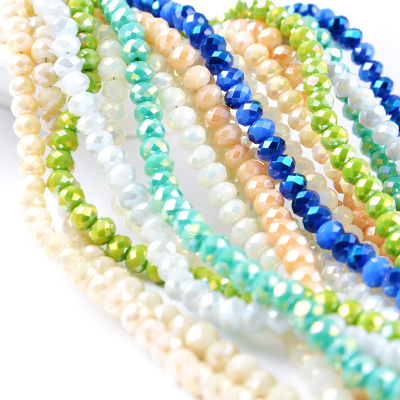


$300.00 - $350.00
MOQ: 1 Tons


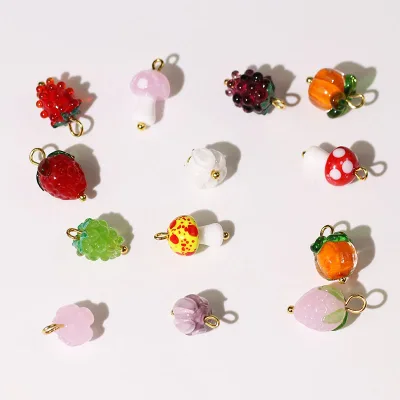
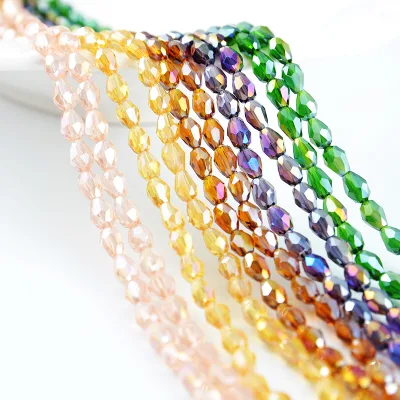
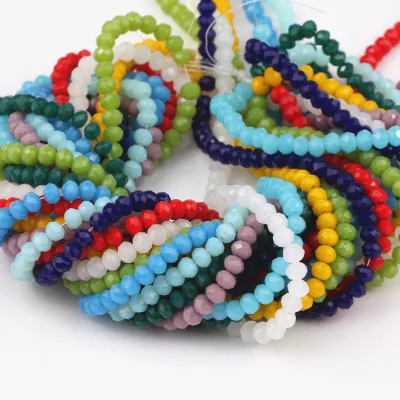


Comprehensive Sourcing Guide
Glass Beads Sourcing Guide
Sourcing Glass Beads requires a clear distinction between decorative craft materials and industrial abrasives, as these categories serve entirely different functional purposes and regulatory environments. The market presents a wide spectrum of products, ranging from small, colorful crystals used for jewelry and dress embellishments to coarse, high-hardness particles designed for surface grinding and road marking. Buyers must first define their end-use to avoid misalignment with supplier capabilities, as a manufacturer specializing in machine-cut crystal beads may not possess the infrastructure to produce silicon carbide abrasives or frosted glass particles for industrial applications. Understanding this fundamental split is the first step in developing a targeted procurement strategy that aligns with specific technical and commercial requirements.
The observed market signals indicate a diverse product landscape with significant variation in material composition, size, and origin. Listings frequently highlight products originating from Zhejiang, China, with brands such as CJ Crystal offering crystal and Glass Beads in various colors and sizes. Simultaneously, other segments focus on industrial utility, featuring products like frosted Glass Beads and silicon carbide abrasives with specific mesh sizes and hardness ratings. This duality means that a single search query can yield results for both aesthetic decoration and heavy-duty machinery maintenance. Procurement teams must therefore filter listings based on precise technical attributes, such as refractive index for optical clarity or roundness percentages for abrasive efficiency, to ensure the selected product meets the intended operational or creative needs.
Product Scope and Observed Listing Signals
The decorative segment of the glass bead market is characterized by a focus on aesthetics, with products designed for female accessories and informal occasions. Listings often specify materials such as crystal, lampwork, and glass, with colors ranging from standard hues like blue, pink, and red to specialized finishes like crystal ab or hematite. Sizes are typically measured in millimeters, with common diameters including 1mm, 2mm, 3mm, and up to 18mm, allowing for fine detail work in jewelry making or dress decoration. These products are often marketed with attributes such as "simple style" and "customized logo" options, indicating a strong emphasis on branding and personalization for retail or promotional use. Buyers in this space should prioritize visual consistency and color accuracy, as these factors directly impact the final appearance of the finished goods.
In contrast, the industrial segment focuses on functional performance, with products designed for surface finishing, road signs, and machinery applications. Here, the scope expands to include frosted Glass Beads and artificial abrasives like silicon carbide, which are evaluated based on particle size, hardness, and roundness. Specifications may include mesh sizes such as 12-14 mesh or micron ranges like 850-1400 um, alongside technical metrics such as a refractive index exceeding 1.5 to 1.8 for optical applications. These products are often packaged in bulk formats, such as knitting plastic bags or pallets, to support large-scale industrial consumption. Procurement in this category requires a rigorous assessment of physical properties, ensuring that the beads meet the specific demands of grinding, polishing, or marking processes without compromising equipment integrity or safety standards.
Technical Specifications to Verify
For decorative Glass Beads, verifying the material composition and dimensional accuracy is critical to ensuring product quality and consistency. Buyers should confirm whether the beads are made from pure crystal, standard glass, or a combination of lampwork and glass, as these materials differ in weight, clarity, and durability. The model number, such as CJE71 or Frosted Glass Beads-063J, serves as a unique identifier for specific product lines, but it is essential to cross-reference this with actual physical samples to verify color fidelity and surface finish. Additionally, the technique used, such as modern machine cutting and polishing, can influence the precision of the bead shape and the smoothness of the edges, which affects both the aesthetic appeal and the ease of handling during assembly.
In the industrial context, technical verification must focus on performance metrics that directly impact operational efficiency. Parameters such as roundness, which may be specified at 90% or higher, are crucial for abrasives to ensure uniform contact and prevent uneven wear on machinery. The particle size distribution, whether defined by mesh size or micron range, must be validated against the application requirements, as deviations can lead to suboptimal surface finishes or clogging in spraying systems. Furthermore, the hardness classification, such as conventional abrasive or silicon carbide, determines the aggressiveness of the grinding process. Buyers should request detailed technical data sheets that outline these specifications, ensuring that the product’s physical properties align with the precise tolerances required for their specific machinery or road marking applications.
Compliance and Safety Documentation
Safety and regulatory compliance are paramount when sourcing Glass Beads, particularly for industrial applications where exposure to fine particles or chemical components may pose health risks. For decorative beads, buyers should verify that the products comply with relevant toy safety or jewelry regulations, depending on the end-use, to ensure they are free from harmful substances like lead or cadmium. Although specific certification statuses such as ISO 9001 or EN 1423 are mentioned in background contexts, buyers must confirm the actual validity and scope of these certifications with the supplier, as they are not universally applied to all glass bead products. Documentation should include material safety data sheets (MSDS) that detail the chemical composition and handling instructions, providing essential information for safe storage and usage in the workplace.
For industrial abrasives and road marking beads, compliance with national and international standards is often mandatory to ensure performance and safety. Standards such as AS2009:2006 Type D, AASHTO Type III, and BS6088A/BS6088B may apply to road signs and marking materials, dictating requirements for reflectivity, durability, and particle size. Buyers must verify that the supplier’s products meet these specific standards, as non-compliant materials can lead to regulatory penalties or safety hazards on roadways. Additionally, the HS code, such as 70181000, plays a critical role in customs clearance and tariff classification, so accurate documentation is necessary to avoid delays or unexpected costs. Procurement teams should work closely with compliance officers to ensure that all imported Glass Beads meet the legal requirements of the destination country, including labeling and packaging regulations.
Cost Drivers and Commercial Terms
The cost of Glass Beads is influenced by a variety of factors, including material quality, production technique, and order volume. For decorative beads, the use of high-clarity crystal or specialized finishes like crystal ab can significantly increase the unit price compared to standard Glass Beads. The size of the beads also plays a role, with smaller diameters often requiring more labor-intensive handling and packaging, potentially leading to higher costs per unit. Additionally, customization options such as logo printing or specific color matching can add to the overall expense, as these processes require additional setup time and resources. Buyers should consider the total cost of ownership, including shipping and handling, when evaluating quotes, as these factors can vary widely depending on the supplier’s location and logistics capabilities.
Commercial terms and payment methods are equally important in shaping the overall procurement cost and risk profile. Suppliers may offer flexible payment options such as T/T, credit card, or Western Union, often accompanied by safe protection services to mitigate financial risk. The minimum order quantity (MOQ) can range from 1 to 100 units, allowing for small-scale testing or large-volume production runs, but higher volumes may qualify for volume discounts. Production lead times, typically around 3-10 days, should be factored into the supply chain planning to avoid stockouts or production delays. Buyers should negotiate clear terms regarding sample availability, as free samples can be provided to verify quality before committing to a larger order, reducing the risk of receiving non-conforming goods.
Supplier Qualification and Quality Control
Evaluating supplier qualification is essential to ensure that the Glass Beads meet the required quality standards and delivery expectations. Buyers should assess the supplier’s production capabilities, including their use of modern machine cutting and polishing techniques, which can impact the consistency and precision of the final product. The place of origin, such as Zhejiang, China, may indicate a concentration of manufacturing expertise, but it is crucial to verify the supplier’s track record and reputation in the market. Requesting references or case studies from previous clients can provide insights into the supplier’s reliability and ability to meet specific requirements. Additionally, suppliers that offer OEM services and customized logos demonstrate flexibility and a commitment to meeting diverse customer needs, which can be a valuable asset for branding and differentiation.
Quality control processes are a critical component of the procurement strategy, ensuring that the Glass Beads conform to the specified standards and performance criteria. Buyers should inquire about the supplier’s quality control measures, such as inspection protocols for color consistency, size accuracy, and surface finish. The claim of "good" or "best" quality should be substantiated by detailed quality reports or third-party testing results, rather than accepted at face value. For industrial applications, verifying the roundness and particle size distribution through sample testing is essential to ensure that the beads perform as expected in the intended application. Establishing a clear quality agreement with the supplier, including acceptance criteria and remediation procedures for non-conforming goods, can help mitigate risks and ensure a smooth procurement process.
Long-Term Procurement Checks
Establishing long-term procurement relationships with glass bead suppliers requires ongoing monitoring and evaluation to ensure sustained quality and value. Buyers should conduct regular audits of the supplier’s production processes and quality control systems to identify any potential issues before they impact the supply chain. This includes verifying that the supplier continues to adhere to the agreed-upon standards and specifications, such as refractive index, hardness, and particle size. Regular communication with the supplier can help address any changes in product formulation or production techniques that may affect the final product. Additionally, monitoring market trends and technological advancements can help buyers stay informed about new materials or processes that may offer improved performance or cost savings.
Risk management is a key aspect of long-term procurement, requiring buyers to diversify their supplier base and maintain contingency plans for supply disruptions. This includes identifying alternative suppliers who can provide similar products in case of primary supplier failures, such as production delays or quality issues. Buyers should also monitor the supplier’s financial stability and operational capacity to ensure they can meet increasing demand or handle complex orders. Regularly reviewing commercial terms and pricing can help buyers negotiate better deals and ensure that they are receiving fair value for their purchases. By maintaining a proactive approach to supplier management, buyers can build a resilient supply chain that supports their long-term business goals and minimizes operational risks.
FAQs
What materials are used for these Glass Beads?
The beads are made from crystal and glass materials. Specific loose bead options include crystal, lampwork, and glass varieties to suit different decorative needs.
Which sizes are available for the Glass Beads?
Available sizes range from 1mm to 18mm including 2mm, 3mm, 4mm, 6mm, 8mm, 10mm, 12mm, 14mm, and 16mm. Specific models may feature diameters like 6mm or 12-14mesh depending on the application.
Can I get samples of the Glass Beads?
Samples are freely provided for potential buyers to evaluate quality. This allows you to verify the crystal and glass materials before placing a larger order.
How long is the production time for orders?
Production time is around 3 to 10 days for most orders. This timeline applies to the manufacturing of Glass Beads using modern machine cutting and polishing techniques.
What colors are available for the Glass Beads?
Colors include blue, pink, purple, silver, orange, red, Montana, blue flar, hematite, and indicolite. These options allow for versatile decoration on dresses and other items.
Is customization available for the Glass Beads?
Customization is available including logo and OEM services. Buyers can request specific sizes or styles to meet their unique decoration requirements.
Where are the Glass Beads manufactured?
The products originate from Zhejiang, China. This location is the primary place of origin for the crystal and Glass Beads listed.