Source Glass Bead Necklace for Female, Children, and Elderly
Find 30 Glass Bead Necklace options suitable for female, children, and elderly users. Compare stainless steel and glass materials with gold or silver plating. Check MOQs of 100 PCS and delivery times of 15-25 days for decoration, health, or religious uses.
Key considerations
Products List
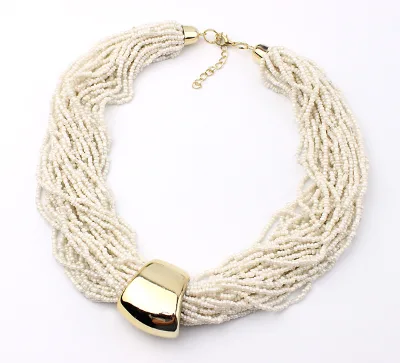
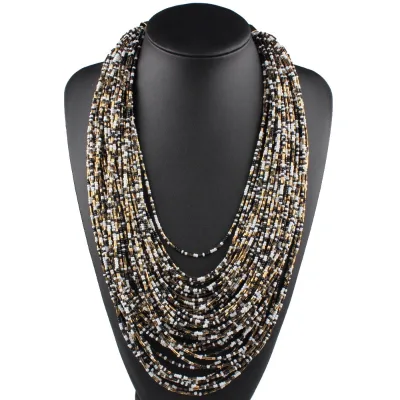
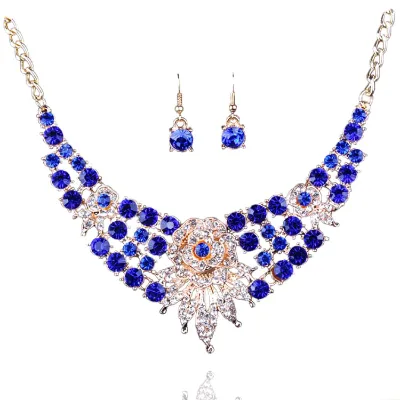
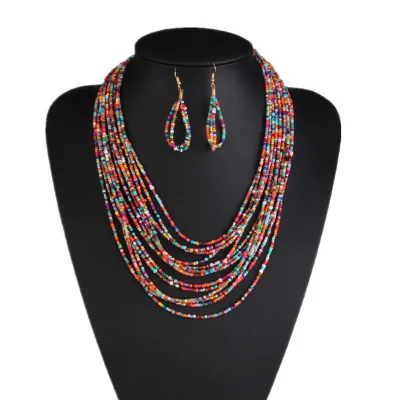


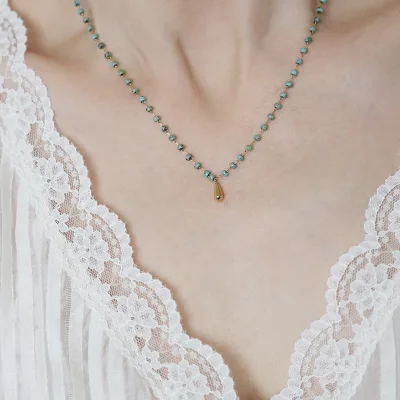
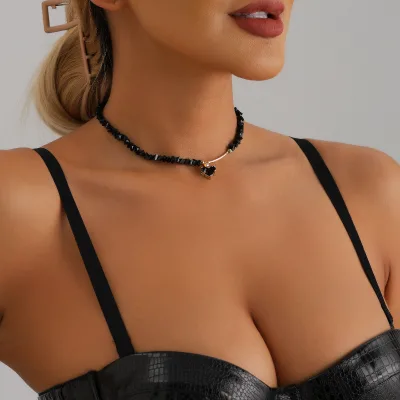
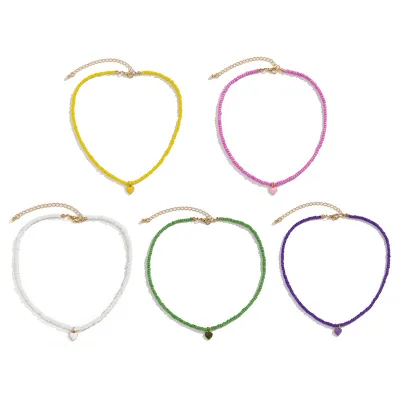
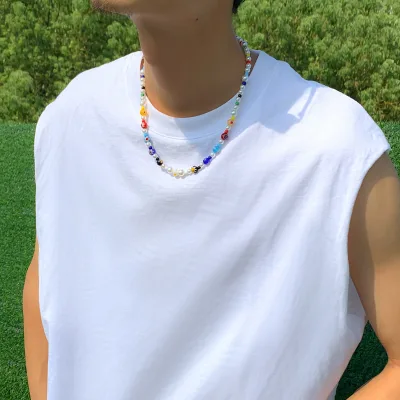
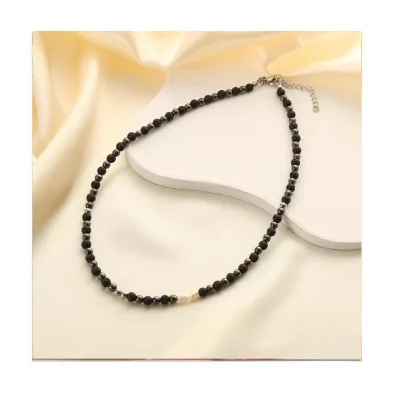
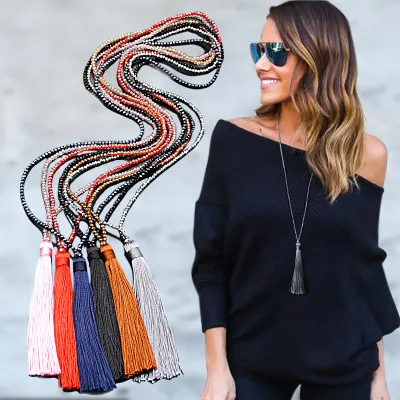


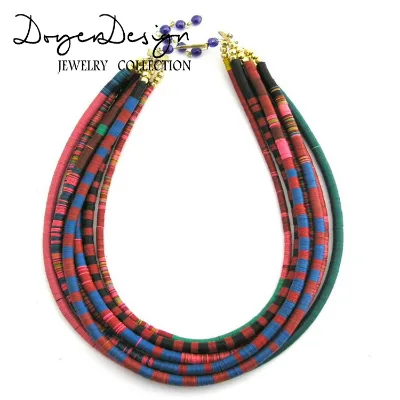
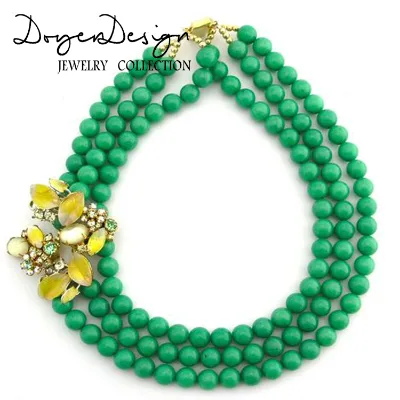


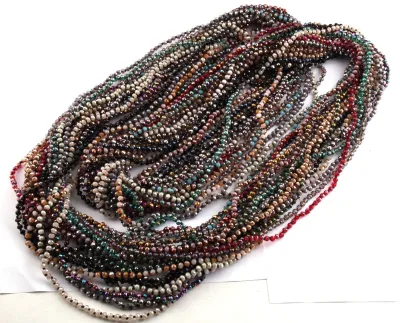
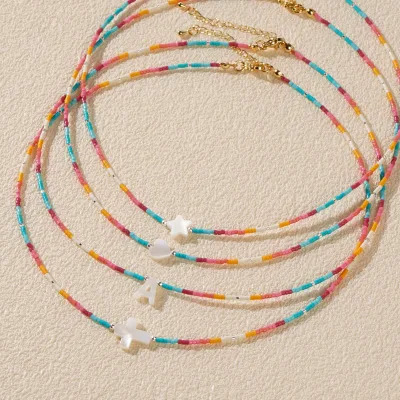
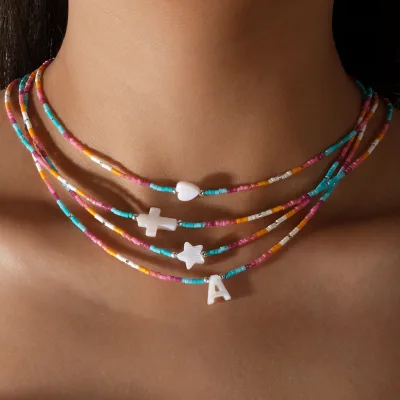
Comprehensive Sourcing Guide
Glass Bead Necklace Sourcing Guide
Buyers evaluating glass bead necklaces must first distinguish between decorative fashion items and those marketed for health or religious purposes, as the supplied data indicates usage varies significantly across listings. While some products feature stainless steel chains with gold or silver plating, others explicitly list glass as the primary material, requiring careful verification of the core component before finalizing a purchase order. This distinction is critical because the durability, weight, and aesthetic finish of a glass bead differ fundamentally from metal-based alternatives, influencing both the target demographic and the intended application of the jewelry.
Procurement teams should also scrutinize the customization options available, as the market data confirms that OEM and ODM services are welcomed by suppliers in this category. The ability to tailor pendant shapes, such as the observed round designs, and adjust chain lengths to specific measurements like 45cm or 60cm allows buyers to align inventory with specific customer preferences. However, since size specifications sometimes require direct communication with customer service, buyers must establish clear protocols for confirming dimensions early in the negotiation process to avoid discrepancies between the sample and the final bulk shipment.
Product Scope and Observed Listing Signals
The observed product range includes necklaces suitable for diverse demographics, specifically targeting females, children, and the elderly, which suggests a broad market appeal that requires careful segmentation during sourcing. Listings indicate a style spectrum ranging from fashion-forward designs to elegant pieces, often featuring plating options like gold or silver to enhance visual appeal. Buyers must verify that the specific glass bead construction aligns with the intended style, as the material properties of glass may limit certain design complexities compared to metal or stone alternatives, necessitating a review of the actual product samples.
Commercial signals in the listings reveal that while some items are individually packed in OPP bags, others utilize independent packaging for logistics and transport, impacting the unboxing experience and retail presentation. The presence of a "Fade-Proof Warranty" ranging from one to two years on certain metal components, alongside a three-year warranty on other items, highlights the variability in quality expectations across different supplier batches. Procurement officers should treat these warranty terms as specific to the listed model rather than a universal guarantee, ensuring that the contract explicitly defines the scope of coverage for the glass beads and any associated hardware.
Technical Specifications to Verify
Length and size specifications present a notable variance in the available data, with some listings citing fixed lengths of 40cm, 45cm, or 60cm, while others direct buyers to communicate directly with customer service for size details. This inconsistency requires buyers to demand precise dimensional drawings or physical samples before placing an order, as the standard box gauge of 25 * 25 * 25CM may not accommodate all variations in necklace length or pendant size. Verifying the exact width of the chain or pendant, such as the observed 1.5cm or 1.7cm measurements, is essential to ensure the product meets the aesthetic and functional requirements of the end-user.
Material composition is another critical technical parameter, as the supply data explicitly lists both stainless steel and glass as primary materials for different models within the same category. Buyers must confirm whether the glass beads are the sole decorative element or if they are integrated with metal chains, as this affects the overall weight, flexibility, and durability of the finished necklace. Additionally, the plating finish, whether gold or silver, should be verified for thickness and adhesion, especially since the product is marketed for health or religious usage where long-term wear and tear are common concerns.
Compliance and Safety Documentation
Safety compliance is paramount when sourcing jewelry intended for children or sensitive skin, and the supplied facts indicate that some products adhere to Nickel and Lead Free standards. Buyers should request specific test reports confirming that the glass beads and any metal components do not contain hazardous substances, as the general "Fashion" and "Elegant" styles may not automatically guarantee compliance with strict international safety regulations. The presence of certifications like ISO9001 and SGS suggests a commitment to quality management, but these should be validated against the specific batch of glass bead necklaces being purchased to ensure they apply to the current production run.
Documentation regarding the origin of the goods is equally important, with listings indicating production in China or specifically in Shen Zhen, a major manufacturing hub. While the BSCI certification is mentioned in the context of social compliance, buyers must ensure that the supplier's factory audits cover the specific handling of glass materials to prevent breakage or contamination during the manufacturing process. It is advisable to verify that the "Health" and "Religious" usage claims are supported by material safety data sheets, ensuring that the glass beads are non-toxic and safe for prolonged contact with the skin or for use in religious rituals.
Cost Drivers and Commercial Terms
The minimum order quantity (MOQ) for glass bead necklaces typically starts at 100 pieces, a threshold that significantly influences the unit cost and the feasibility of small-batch testing. Buyers should be aware that sample fees are often refundable only upon placing a larger order of 100 pieces, which creates a financial commitment before the bulk production begins. Understanding this structure is vital for budgeting, as the initial investment in samples and the subsequent MOQ requirement can impact the cash flow and inventory planning for new product launches.
Lead times and shipping methods are additional cost drivers that vary based on the urgency of the order and the destination market. The observed delivery window of 15 to 25 days suggests a moderate production cycle, but buyers must account for potential delays when selecting shipping carriers like DHL, UPS, FedEx, or EMS. Sea and air shipment options are available, with air freight offering speed at a higher cost, while sea freight provides a more economical solution for large volumes. Procurement teams should calculate the total landed cost by factoring in these logistics expenses to ensure the final retail price remains competitive in the target market.
Supplier Qualification and Quality Control
Supplier qualification should extend beyond the listed certifications to include a thorough assessment of their capacity to handle glass materials, which are prone to breakage during transit and manufacturing. The availability of online technical support for after-sales service indicates a level of engagement, but buyers must verify the supplier's track record in resolving issues related to broken beads or plating defects. Establishing a clear communication channel for size and customization queries is essential, as the data shows that some specifications require direct negotiation rather than being fixed in the product listing.
Quality control protocols must be rigorously defined, particularly regarding the "Fade-Proof Warranty" and the durability of the plating on metal components. Buyers should implement a pre-shipment inspection that specifically checks for glass integrity, ensuring that the beads are free from cracks or chips that could compromise the product's aesthetic or safety. Given the "Customized" nature of many listings, it is crucial to validate that the customization process does not introduce variability in quality, and that the final product consistently meets the agreed-upon standards for length, width, and finish.
Long-Term Procurement Checks
Sustaining a successful supply chain for glass bead necklaces requires regular re-evaluation of supplier performance against the initial quality benchmarks and delivery timelines. Buyers should monitor the consistency of the "Nickel & Lead Free" claims and the durability of the plating over time, as these factors directly impact customer satisfaction and brand reputation. Establishing a feedback loop with end-users can help identify any recurring issues with the glass beads or the chain links, allowing for proactive adjustments to the product specifications or supplier selection.
Long-term partnerships should also consider the flexibility of the supplier to adapt to changing market trends, such as shifts in style from "Fashion" to "Elegant" or changes in the target demographic. The ability to maintain the 100-piece MOQ while offering customization options like different pendant shapes or chain lengths will be a key differentiator for suppliers in this competitive market. Buyers should periodically review the supplier's certification status and production standards to ensure they continue to meet international requirements, thereby mitigating risks associated with regulatory changes or supply chain disruptions.
FAQs
What materials are used for glass bead necklaces?
Glass bead necklaces are crafted from stainless steel and glass materials. These durable components ensure longevity and aesthetic appeal. The combination provides a sturdy structure while allowing for intricate bead designs. Buyers can select based on preferred weight and finish. This material choice supports both fashion and health usage categories effectively.
Can I customize the size of the necklace?
Yes, customization is available for necklace sizes. Customers can communicate specific size requirements to the service team. Standard lengths include 40cm, 45cm, and 60cm options. The product model allows for tailored dimensions to fit individual preferences. This flexibility ensures the final piece meets exact design and comfort needs.
What certifications do the manufacturers hold?
Manufacturers hold ISO9001, SGS, and BSCI certifications. These credentials verify quality management and ethical production standards. The products are also nickel and lead-free, ensuring safety. Such certifications provide assurance for international buyers regarding compliance and reliability. This validates the supplier's commitment to global quality and safety benchmarks.
What is the minimum order quantity for orders?
The minimum order quantity is 100 pieces per jewelry necklace item. This MOQ applies to standard customization requests. Sample fees are refundable upon placing an order for 100 pieces. This structure supports small business testing while ensuring efficient production runs. Buyers should plan inventory accordingly to meet this initial threshold.
How long does delivery take for orders?
Delivery typically takes 15 to 25 days after order confirmation. Shipping options include DHL, UPS, FedEx, and EMS for faster transit. Sea and air shipment methods are also available for larger volumes. The origin is China, specifically Shenzhen, influencing logistics planning. Buyers should account for this timeframe when scheduling product launches.
What plating options are available for the necklaces?
Available plating options include gold and silver finishes. These coatings enhance the visual appeal and durability of the stainless steel base. The plating is designed to be fade-proof with a 1-2 year warranty. Buyers can choose based on style preferences for fashion or religious usage. This variety supports diverse aesthetic requirements for different target demographics.