Source Glass Votive Holder for Home Decor, Gifts, and Events
Explore 30 listings for Glass Votive Holder options from Qingdao and Zibo suppliers. Buyers can compare specifications, packaging, and third-party inspection standards like SGS to find suitable items for daily use, decorative purposes, and collections.
Key considerations
Products List


Wholesale Brown Glass Votive Holder Eco-Friendly High Quality Home Decor
$0.31 - $0.65
MOQ: 1000 Pieces


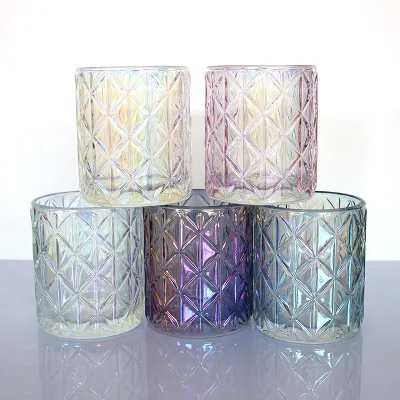


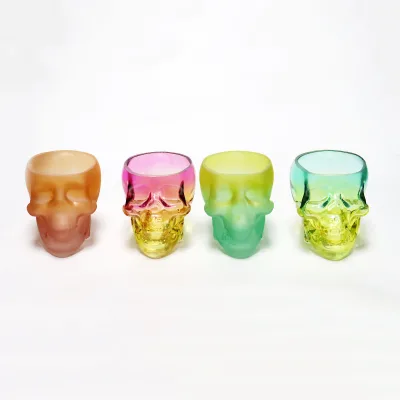

Comprehensive Sourcing Guide
Strategic Sourcing Guide for Glass Votive Holders
Navigating the global market for glass votive holders requires a disciplined approach that balances aesthetic requirements with rigorous supply chain verification. For procurement professionals, the distinction between a generic glass container and a specialized votive holder lies in the precise engineering of the glass, the safety of the materials, and the consistency of the manufacturing process. This guide synthesizes available market data to provide a framework for sourcing these decorative and functional items, focusing on technical specifications, compliance standards, and quality assurance protocols without relying on unverified supplier claims.
Technical Specifications and Material Engineering
The foundation of a successful procurement strategy begins with a clear definition of technical specifications. In the current market, glass votive holders are predominantly manufactured from high-quality glass, often utilizing a blown glass process to achieve specific structural integrity and aesthetic finishes. The material composition is critical, as the glass must withstand thermal variations without cracking, a requirement often highlighted by the presence of thermal shock testing in product descriptions.
Buyers must verify the specific processing methods employed by potential suppliers. While machine-made processes offer consistency for high-volume orders, blown glass techniques are frequently associated with higher-end, fashion-oriented designs. The surface finish is another vital technical parameter. Observed market data indicates a variety of finishes, including color spray, electroplating, and later cut treatments. These finishes not only define the visual appeal but also impact the durability of the product. For instance, a transparent glaze type is common for standard applications, while colored or frosted finishes may require additional quality checks to ensure uniformity.
Dimensions and sizing are equally important. Products in this category often range from medium sizes to specific capacities, such as 6oz or standard height measurements like 8x10 inches. The model numbers associated with these products, such as AFCH-10708 or AFCH-T6062, serve as unique identifiers for specific design iterations. Procurement teams should maintain a strict mapping between these model numbers and the physical dimensions required for their specific use cases, whether for home decor, gift packaging, or commercial collection items.
Compliance, Certification, and Safety Standards
Safety and regulatory compliance are non-negotiable when sourcing glass products intended for candle use or general decoration. The primary concern is ensuring that the glass does not contain harmful substances and that the manufacturing process adheres to international safety standards. Market observations confirm that reputable suppliers often subject their products to third-party inspections by organizations such as SGS, ITS, and BV. These third-party validations are crucial for verifying that the glass meets specific chemical and physical safety thresholds.
Certification status varies by region and application. Some products in the supply chain are noted to carry certifications such as REACH, FDA, and ISO, which are essential for products intended for food-adjacent applications or markets with strict chemical regulations. Additionally, factory-level certifications like BSCI may be present, indicating adherence to social compliance standards. However, buyers must treat these certifications as verified attributes of specific production batches rather than universal guarantees for all listed products. It is imperative to request current, valid certificates for the specific model numbers being ordered, as certification status can change based on production lines or raw material sources.
The origin of the product also plays a role in compliance. Major manufacturing hubs for glass votive holders include Qingdao and Zibo in China. While these regions have established infrastructure for glass production, the specific standards applied by the factory must be verified. Buyers should not assume that all products from these locations automatically meet the highest international standards; instead, they should require proof of testing for each shipment, specifically looking for reports that confirm the absence of lead or other heavy metals that could leach from the glass.
Cost Drivers and Pricing Dynamics
Understanding the cost structure of glass votive holders is essential for budgeting and negotiation. The observed price range in the market spans from approximately $0.06 to $11.49 per unit, a significant variance that reflects differences in design complexity, glass thickness, finishing techniques, and order volume. Several key factors drive these costs. First, the customization level is a primary cost driver. Products offering OEM customized logo designs or unique packaging solutions typically command higher prices due to the additional setup and labor required.
Packaging requirements also significantly influence the final cost. Standard packaging often includes paper boxes or gift boxes, while more elaborate orders may require inner boxes, outer cartons, and palletized shipping configurations. The choice between simple carton packaging and premium gift packaging can alter the unit cost substantially. Furthermore, the production method affects pricing; blown glass items generally cost more than machine-made equivalents due to the labor intensity and skill required.
Order volume is another critical determinant of cost. The market exhibits a wide range of Minimum Order Quantities (MOQ), observed from as low as 2 units to as high as 20,000 units. Typical MOQs for standard models often sit around 500 or 1000 pieces. Buyers with smaller volume needs may face higher per-unit costs or need to consolidate orders to meet supplier thresholds. Conversely, large-volume orders can leverage economies of scale to reduce the unit price, but they require careful planning regarding storage and logistics. Buyers should negotiate based on the total landed cost, including packaging and shipping, rather than focusing solely on the base unit price.
Typical Applications and Usage Scenarios
Glass votive holders are versatile products designed for a broad spectrum of applications. The primary usage categories identified in the market include gifts, decorative items, and collections. Their suitability for home environments is a dominant characteristic, making them ideal for residential decor, hospitality settings, and event planning. The "fashion" style attribute suggests that these products are often used to enhance interior aesthetics, serving as focal points in living rooms, dining areas, or entryways.
The functional application extends beyond simple decoration. Many holders are designed for everyday use, providing a safe and stable base for candles. The "daily use" classification implies that the glass must be durable enough for regular handling and cleaning. In commercial settings, such as hotels or restaurants, these holders are often used for ambient lighting and table centerpieces. The ability to customize the product with logos makes them particularly valuable for corporate gifting and promotional events.
When selecting products for specific applications, buyers should consider the intended environment. For high-traffic areas or outdoor events, the durability of the glass finish and the stability of the base become paramount. For luxury gift markets, the emphasis shifts to the packaging quality and the uniqueness of the design. The "competitive price" attribute noted in the market suggests that these products are often positioned as cost-effective solutions for bulk purchasing, allowing buyers to allocate budget to other aspects of their projects.
Supplier Evaluation and Quality Control Protocols
Evaluating suppliers for glass votive holders requires a multi-faceted approach that goes beyond price comparisons. A critical aspect of supplier evaluation is the verification of their quality control (QC) processes. The market data indicates that many suppliers utilize third-party inspection services like SGS, ITS, and BV. Buyers should insist on seeing the specific QC protocols employed by the supplier, including whether they conduct in-house testing or rely exclusively on external agencies.
Quality control should cover several dimensions, including visual inspection for defects, dimensional accuracy, and thermal shock resistance. The presence of a "thermal shock test" in product attributes highlights the importance of testing the glass's ability to withstand temperature changes without breaking. This is particularly relevant for votive holders, which are exposed to heat from candles. Buyers should also verify the supplier's acceptance of third-party inspections, as this indicates a commitment to transparency and quality assurance.
Packaging standards are another area where supplier evaluation is crucial. Inconsistent packaging can lead to breakage during transit, resulting in financial losses and damaged relationships with end customers. Suppliers offering options like white boxes, PVC boxes, or PDQ (Pre-Packaged Display Quantity) units demonstrate flexibility in meeting different logistical needs. However, buyers must ensure that the packaging materials are robust enough to protect the glass during shipping, especially for international orders involving long transit times.
Long-Term Procurement Considerations
Sourcing glass votive holders is not merely a transactional activity but a strategic partnership that requires long-term planning. One of the primary considerations is the scalability of the supply chain. Suppliers with the capacity to handle MOQs ranging from 500 to 20,000 units offer flexibility for businesses that anticipate growth or seasonal fluctuations in demand. Buyers should assess the supplier's ability to ramp up production quickly without compromising quality, especially during peak seasons.
Sustainability and supply chain transparency are increasingly important factors in long-term procurement. While specific environmental certifications may not be universally present, buyers should inquire about the supplier's practices regarding waste reduction, energy efficiency, and material sourcing. The ability to customize designs and logos allows buyers to adapt their product offerings to changing market trends, ensuring that their inventory remains relevant and competitive.
Finally, maintaining a strong relationship with the supplier is essential for consistent quality and service. Buyers should establish clear communication channels and regular review cycles to address any issues proactively. The "good service" attribute observed in the market suggests that suppliers who prioritize customer support and responsiveness are better positioned to handle complex orders and resolve disputes efficiently. By focusing on these long-term factors, buyers can build a resilient supply chain that supports their business objectives and ensures the consistent delivery of high-quality glass votive holders.
Comparative Analysis of Product Attributes
To assist in the decision-making process, the following table summarizes key attributes observed across different product models in the market. This comparison highlights the variability in specifications, packaging, and compliance standards that buyers must navigate.
| Attribute | Model AFCH-10708 | Model AFCH-T6062 | Model AFCH-R7080 | Model AFGCH07372 | Model JS22379 |
|---|---|---|---|---|---|
| Primary Material | Glass | Glass | Glass | Glass | Glass |
| Processing Method | Machine Made | Machine Made | Machine Made | Blown | Machine Made |
| Standard Certification | SGS, ITS, BV | Third Party | Third Party | SGS, BSCI | REACH, FDA, ISO |
| Typical MOQ | 500 PCS | 1000 PCS | 1000 | 1000 | 2-20000 |
| Packaging Options | Paper Box, Gift Box | Gift Box, Paper Box | PDQ, Carton | White Box, PVC Box | Carton |
| Origin | Qingdao, China | Qingdao, China | Qingdao, China | China | Zibo, China |
| Key Finish | Color Spray, Electroplate | Color Spray, Electroplate | Color Spray, Electroplate | Color Spray, Electroplate | Transparent |
This table illustrates that while the core material remains consistent, the specific certifications, packaging, and processing methods vary significantly. Buyers must align these attributes with their specific project requirements to ensure the selected product meets all functional and regulatory needs.
FAQs
What certifications do glass votive holders typically have?
Products often carry SGS, BSCI, REACH, FDA, and ISO certifications. These verify safety and compliance, but buyers must request valid certificates for specific model numbers rather than assuming universal coverage for all listed items.
Which manufacturing processes are used for glass votive holders?
Both machine-made and blown glass processes are common in the market. Machine-made methods ensure consistency for high volumes, while blown techniques are often used for fashion-oriented designs with specific surface finishes like color spray or electroplate.
How are quality control and testing handled for these products?
Suppliers frequently use third-party inspections by SGS, ITS, or BV to verify quality. Thermal shock testing is also common to ensure the glass withstands heat from candles without cracking, and buyers should confirm acceptance of such inspections.
What are the typical MOQ requirements for glass votive holders?
Minimum Order Quantities range widely from 2 to 20,000 units depending on the supplier. Standard models often require 500 or 1,000 pieces, so buyers with smaller needs may need to consolidate orders or negotiate based on total volume.
Can suppliers customize logos and packaging for these holders?
Yes, OEM customized logo designs and various packaging options like gift boxes or cartons are available. Customization adds to the cost due to setup and labor, so buyers should clarify specific requirements for logos and packaging materials before ordering.
Where are glass votive holders primarily manufactured?
Major production hubs include Qingdao and Zibo in China. While these regions have established glass infrastructure, buyers must verify that specific factories apply international safety standards rather than assuming all products from these locations meet the same criteria.
What is the price range for glass votive holders?
Unit prices typically range from 0.06 to 11.49 USD based on design and volume. Costs vary significantly due to finishing techniques, packaging complexity, and order size, so buyers should negotiate based on the total landed cost including shipping.