Source Glass Roll on Perfume Bottle for Cosmetics, Skincare, and Oils
Explore 30 listings for the Glass Roll on Perfume Bottle, comparing capacities from 5ml to 100ml and features like screw caps or pump sprayers. Buyers can evaluate options for personal care, essential oils, and cosmetic packaging needs.
Key considerations
Products List

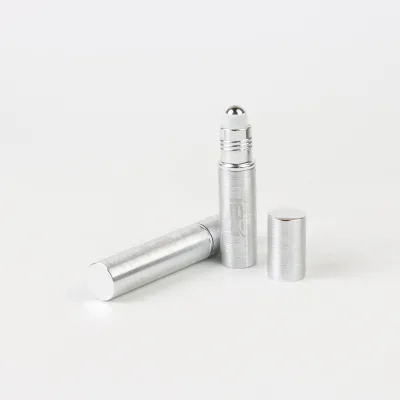
High Quality Empty Glass Roll on Bottle Perfume with Glass Roller Ball
$0.16 - $0.18
MOQ: 10000 pieces

Essential Oil Roller Glass Bottle Clear 3ml 5ml 10ml Glass Roll on Perfume Bottle
$0.18 - $0.30
MOQ: 5000 Pieces

Empty 4ml Round Perfume Bottles Roll-on Glass Bottles with Colorful Caps Plastic
$0.15 - $0.37
MOQ: 1000 Pieces


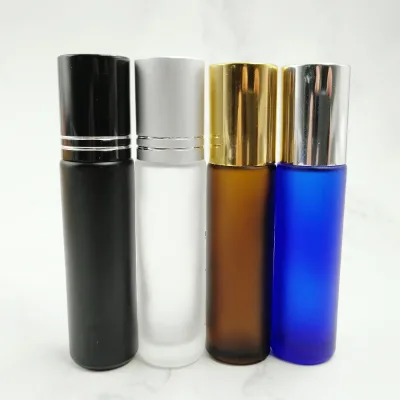
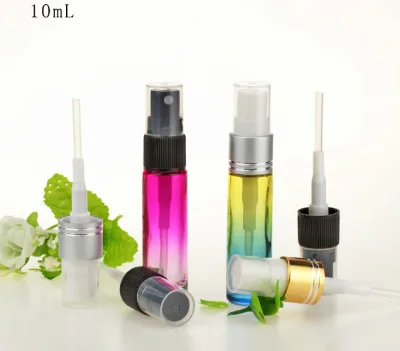
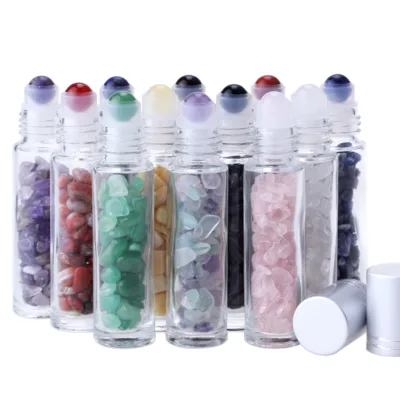


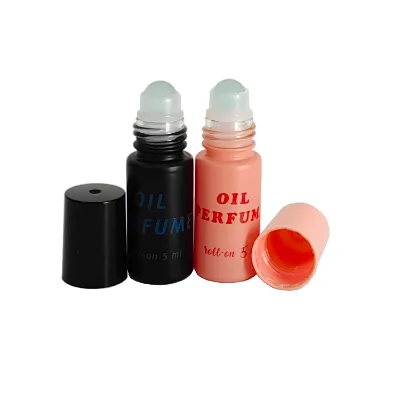


Transparent Glass Roll - on Bottles with White Caps - Ideal for Perfume and Deodorant
$0.10 - $0.11
MOQ: 5000 Pieces


Transparent Glass Roll - on Bottles with Colorful Caps - Ideal for Perfume and Deodorant
$0.10 - $0.11
MOQ: 10000 Pieces

Hot-Selling Fashionable Empty Bottle Essential Oil Glass Cosmetic Perfume Bottle
$0.10 - $0.11
MOQ: 5000 Pieces


3ml, 6ml, 10ml, 12ml, 13ml, 15ml Perfume Glass Bottle with Roll-on/Glass Rod
$0.30 - $0.38
MOQ: 10000 Pieces
Comprehensive Sourcing Guide
Strategic Sourcing Guide for Glass Roll-On Perfume Bottles
The global market for personal care packaging has seen a significant shift toward sustainable, versatile, and aesthetically pleasing containers. Among these, the glass roll-on perfume bottle has emerged as a critical component for essential oil brands, cosmetic formulators, and niche fragrance houses. This guide provides a comprehensive, evidence-based framework for procurement professionals seeking to source high-quality glass roll-on bottles. The analysis relies strictly on observed product attributes, standard industry practices, and verified supply chain data to ensure actionable and compliant decision-making.
Understanding Technical Specifications and Material Composition
The foundation of a successful procurement strategy lies in a precise understanding of the technical specifications inherent to glass roll-on bottles. Based on current market observations, the primary material for these containers is glass, often paired with a plastic cap assembly. This combination offers the chemical inertness required for essential oils and perfumes while providing the mechanical durability needed for the rolling mechanism. The standard capacity range observed in the market spans from 5ml to 100ml, with specific configurations frequently available in 5ml, 10ml, 15ml, 20ml, 30ml, 50ml, and 100ml volumes.
The structural design of the bottle is equally critical. Buyers should verify the bottleneck type, as narrow mouth bottles are standard for roll-on applications to ensure the ball mechanism functions correctly without leakage. The shape of the container can vary, with square profiles being a common aesthetic choice alongside traditional cylindrical forms. Surface handling is another key specification; screen printing is a prevalent method for applying branding directly onto the glass, though customized surface treatments are also available. The thickness of the glass is a specific metric that impacts durability; observed specifications indicate a standard thickness of approximately 1 cm, though this should be verified against the specific supplier's technical data sheet to ensure it meets the rigidity requirements for shipping and handling.
The closure system defines the functionality of the product. While some glass bottles utilize screw caps or pump sprayers, the roll-on bottle specifically requires a "Roll On" sealing type. This mechanism typically consists of a glass or plastic ball housed within a plastic cap, allowing for precise application of liquid products to the skin. The material composition of the cap is often a mix of glass bottle and plastic cap, ensuring the rolling ball is securely held while the glass body protects the contents from UV degradation.
Compliance, Certification, and Regulatory Verification
When sourcing packaging for cosmetic and pharmaceutical applications, compliance is non-negotiable. Buyers must navigate a complex landscape of safety standards and certifications. While general industry knowledge suggests that CE certification is a relevant standard for products entering certain markets, specific claims regarding the certification status of individual suppliers or products must be treated with caution. The provided data indicates that CE is a background consideration, but it does not confirm that every listed product possesses this certification.
Procurement teams should verify that the glass material is compliant with food-grade or cosmetic-grade standards, ensuring it does not leach harmful substances into the essential oils or perfumes. The "Feature" attributes observed in the market, such as "Recyclable" and "Degradable," suggest an environmental focus, but these claims require validation through third-party testing or supplier-provided documentation. Buyers should not assume that a product labeled as recyclable meets specific local recycling infrastructure requirements without confirmation.
Furthermore, the intended use of the bottle dictates the necessary regulatory checks. Since these bottles are used for "Skin Care," "Personal Care," and "Chemical" applications, the packaging must be inert to the specific formulation inside. For products intended for "Chemichospital" or pharmaceutical use, stricter compliance with Good Manufacturing Practices (GMP) and specific material safety data sheets (MSDS) is required. Buyers must request proof of compliance from the supplier rather than relying on generic marketing terms. The "OEM/ODM: Yes" attribute indicates that many suppliers offer design and manufacturing flexibility, but this also means the final product's compliance status may depend on the specific customization requested.
Cost Drivers and Pricing Dynamics
The cost of sourcing glass roll-on perfume bottles is influenced by a complex interplay of factors, including material costs, customization levels, and order volume. The observed price range in the market is broad, spanning from $0.03 to $7.00 per unit. This variance is not arbitrary; it is driven by the specific capacity, the complexity of the rolling mechanism, the quality of the glass, and the extent of customization.
Volume is a primary cost driver. The Minimum Order Quantity (MOQ) observed ranges significantly, from 20 units to 20,000 units, with a specific high-confidence observation noting an MOQ of 10,000 pieces for certain standard models. This suggests that unit costs will decrease substantially as order volumes increase, but small-batch buyers may face higher per-unit prices or limited supplier options. The "Selling Units" attribute indicates that while some suppliers sell in single items for sampling, bulk transactions are the norm.
Customization is another major cost factor. Attributes such as "Customized Packing," "Logo: Can Custom," and "Surface Handling: Customized" imply that adding branding, specific colors, or unique shapes will incur additional charges. The "Sample: Freely" attribute suggests that suppliers may provide samples at no cost to facilitate decision-making, but the cost of shipping and the time required for sampling should be factored into the overall procurement timeline. Buyers should also consider the "prod_packing" specifications, such as "Pallet/Carton," as packaging for shipping can add to the total landed cost.
Typical Applications and Market Segmentation
Glass roll-on bottles serve a diverse range of applications, making them a versatile choice for various industries. The primary use cases observed include "Perfume," "Essential Oils," "Nail Polish Oil," "Eye Cream," and "Shampoo." The "Industrial Use" is predominantly listed as "Personal Care," but the "Application" field expands to include "Gift," "Chemical," and "Pharmaceutical" sectors. This versatility allows buyers to source a single type of container for multiple product lines, streamlining inventory management.
The "Age Group" is specified as "Adult," indicating that these bottles are generally designed for mature skincare and fragrance products rather than children's items. The "Use" attributes further clarify the target market, listing "Erson Care" (likely a typo for Personal Care) and "Essential" oils. The "Feature" of being "Refillable" is particularly valuable for brands focusing on sustainability and long-term customer relationships, as it allows consumers to purchase refill vials rather than new bottles.
The following table summarizes the key application areas and their corresponding requirements based on observed data:
| Application Area | Key Requirements | Observed Attributes |
|---|---|---|
| Perfume & Fragrance | Leak-proof seal, UV protection | Sealing Type: Roll On, Material: Glass |
| Essential Oils | Chemical inertness, precise dosing | Volume: 5ml-30ml, Feature: Recyclable |
| Skincare (Eye Cream) | Hygienic application, sterile cap | Sealing Type: Roll On, Usage: Skin Care |
| Pharmaceutical | High purity, regulatory compliance | Application: Pharmaceutical, Standard: 1ml-100ml |
| Gift Sets | Aesthetic customization, premium feel | Surface Handling: Screen Printing, Color: Customized |
Supplier Evaluation and Sourcing Channels
Evaluating suppliers for glass roll-on bottles requires a rigorous approach to ensure reliability and quality. The "Place of Origin" is a significant indicator of supply chain dynamics. The data highlights "Jiangxi, China" and "Xuzhou, Jiangsu" as key production hubs. These regions are known for their glass manufacturing capabilities, but buyers should verify the specific factory location to assess logistics costs and lead times.
The "Brand Name" attribute, such as "EBI," suggests that some suppliers operate under their own brand, while others may be OEM manufacturers. Buyers should distinguish between trading companies and direct manufacturers. Direct manufacturers often offer better pricing and more control over the production process, especially for "OEM/ODM" projects. The "prod_model" codes, such as "FB 009," "zxkxs05201," and "y3164," serve as unique identifiers for specific product lines. Buyers should use these codes to request exact technical drawings and specifications.
When evaluating a supplier, the "Customization" availability is a critical factor. Suppliers that offer "Customized Packing" and "Logo: Can Custom" are better suited for brands looking to differentiate their products. However, buyers must verify the lead times associated with these customizations. The "Sample: Freely" attribute is a positive sign of supplier confidence, but it should be accompanied by a clear timeline for sample production and delivery.
Quality Control and Inspection Protocols
Quality control is essential to prevent product failures, such as leakage, breakage, or misalignment of the rolling ball. The "Sealing Type: Roll On" requires precise manufacturing tolerances to ensure the ball moves freely without leaking. Buyers should implement a quality control protocol that includes visual inspection for surface defects, such as bubbles or scratches in the glass, which can be identified through the "Surface Handling" process.
The "prod_standard" listing various volumes (1ml, 2ml, 30ml, 5ml, 10ml) indicates that suppliers may have different standards for different sizes. Buyers must verify that the specific volume they order meets the required capacity accuracy. The "Thickness: 1 cm" specification should be measured during the inspection phase to ensure the glass is thick enough to withstand shipping and handling.
For custom orders, the "Surface Handling: Screen Printing" quality must be verified. Buyers should check for ink adhesion, color consistency, and registration accuracy. The "prod_packing" method, whether "Pallet/Carton" or "Customized Packing," must be robust enough to prevent breakage during transit. A comprehensive inspection plan should include a random sampling of units to test the rolling mechanism's smoothness and the seal's integrity under pressure.
Long-Term Procurement and Sustainability Considerations
Long-term procurement strategies should focus on sustainability and supply chain resilience. The "Feature: Recyclable, Degradable" attributes highlight a growing trend toward eco-friendly packaging. Buyers should prioritize suppliers who can provide documentation on the recyclability of their glass and plastic components. The "Customization: Available" attribute allows for future-proofing, enabling brands to adapt their packaging as market trends shift.
The "prod_origin" and "Place of Origin" data suggest that sourcing from China offers competitive pricing and a wide range of options. However, buyers should consider the geopolitical and logistical risks associated with long-distance shipping. Diversifying suppliers or maintaining a buffer stock can mitigate these risks. The "MOQ: 10000pcs" observation indicates that large orders are common, but buyers with smaller needs should seek suppliers with lower MOQs to reduce inventory costs.
Finally, the "Application: Personal Care" and "Use: Cosmetics" sectors are subject to changing regulations. Buyers should maintain a relationship with suppliers who can adapt to new compliance requirements quickly. The ability to offer "OEM/ODM" services ensures that the supply chain can evolve alongside the brand's product line. By focusing on these long-term factors, buyers can build a resilient and sustainable sourcing strategy for glass roll-on perfume bottles.
FAQs
What materials are used for glass roll on perfume bottles?
These bottles are primarily made of glass paired with a plastic cap assembly. This combination ensures chemical inertness for essential oils while providing the mechanical durability needed for the rolling mechanism to function correctly without leakage.
Which capacity sizes are available for these glass bottles?
Standard capacities range from 5ml to 100ml with specific configurations often available in 5ml, 10ml, 15ml, 20ml, 30ml, 50ml, and 100ml volumes. Buyers should verify the exact volume against the supplier's technical data sheet for accuracy.
Can I customize the logo and surface handling on these bottles?
Yes, customization is available for logos and surface handling methods like screen printing. Buyers should note that adding branding or specific colors may incur additional charges and require longer lead times compared to standard stock items.
How does the MOQ vary for glass roll on perfume bottles?
The minimum order quantity observed ranges from 20 units to 20,000 units depending on the supplier and model. Some standard models have a specific high-confidence MOQ of 10,000 pieces, while others may accept smaller trial orders.
What is the typical price range for these glass bottles?
The observed price range in the market spans from 0.03 to 7 USD per unit. This variance is driven by capacity, the complexity of the rolling mechanism, glass quality, and the extent of customization requested by the buyer.
Which sealing type is required for a functional roll-on bottle?
The specific sealing type required is a Roll On mechanism consisting of a ball housed within a plastic cap. This design allows for precise application of liquid products to the skin while preventing leakage during transport and storage.
Where are the main production locations for these glass bottles?
Key production hubs are located in Jiangxi, China and Xuzhou, Jiangsu. Buyers should verify the specific factory location to assess logistics costs and lead times associated with shipping these glass containers from these regions.