Source Glowing LED Headband for Kids For Parties And Raves
Find 30 options for Glowing LED Headband for Kids, featuring LED flashing lights, battery-powered operation, and various shapes like devil horns and bows. Compare specifications, materials, and pricing from suppliers in Guangdong to find the best fit for your event needs.
Key considerations
Products List
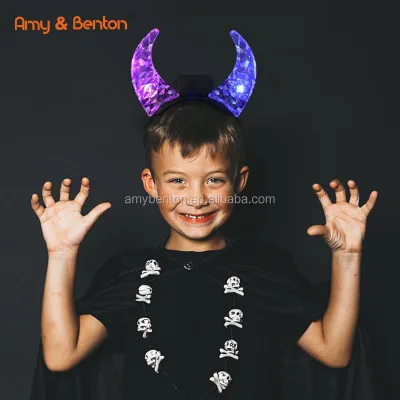
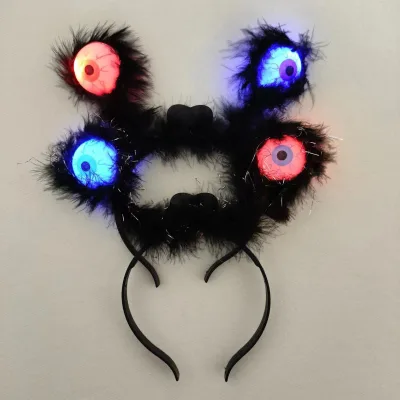
Halloween Headband Flashing Led Glow Devil Horn Headband for Adults and Kids
$0.60 - $0.80
MOQ: 2000 pieces
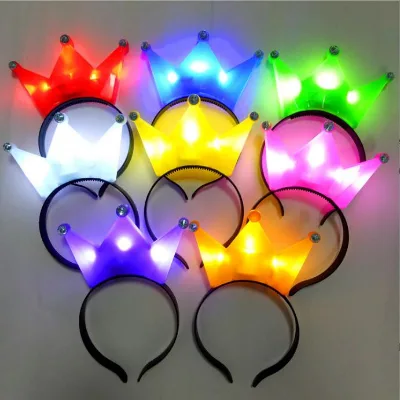
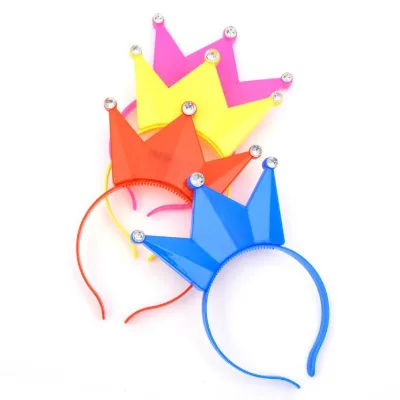
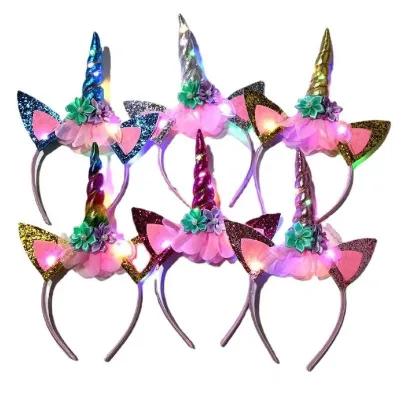
LED Headband Light-Up Bow Headband for Kids' Halloween & Christmas Party Decorations
$0.45 - $0.78
MOQ: 500 pieces
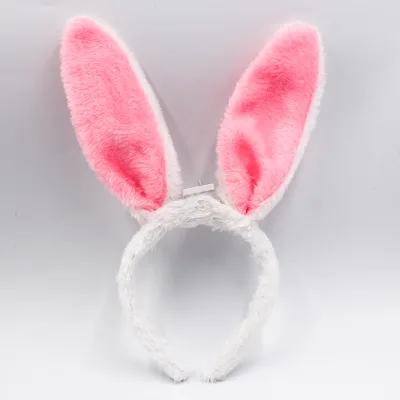
Easter Party Festival Light up Rabbit Headband Bunny Ear Led Headband for Girls
$0.43 - $0.53
MOQ: 500 pieces
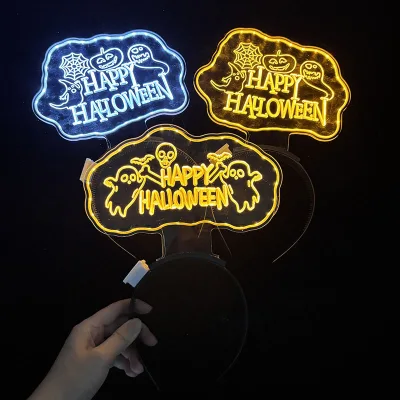
Personalized Light-Up Headband for Halloween Night Pumpkin & Ghost Theme
$4.41 - $4.84
MOQ: 500 pieces
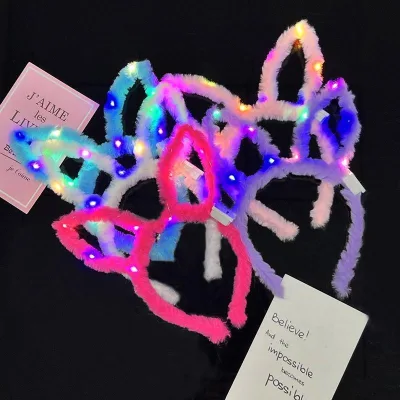

LED Luminous Scrunchies Girls New LED Light Headwear Rubber Band Party Glow Headband
$0.25 - $0.45
MOQ: 200 Pieces


Lighted Christmas LED Flashing Light up Headbands Birthday Party Lovely LED Headband
$0.35 - $0.45
MOQ: 300 Pieces



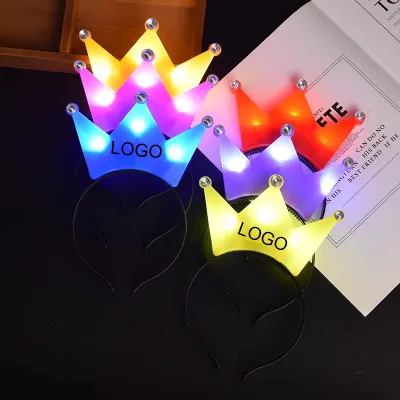
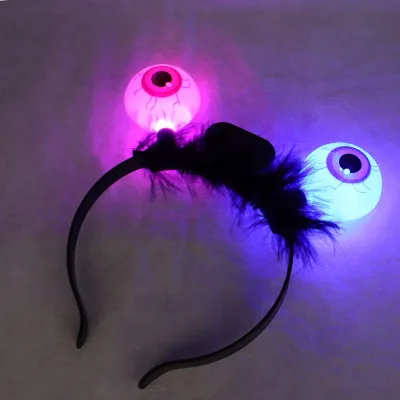
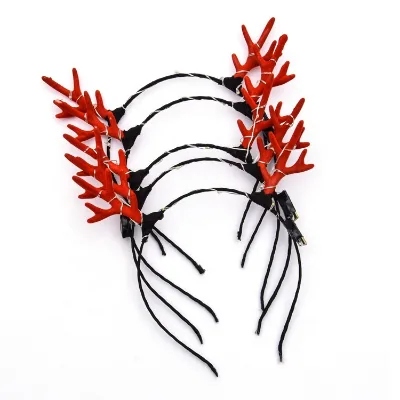


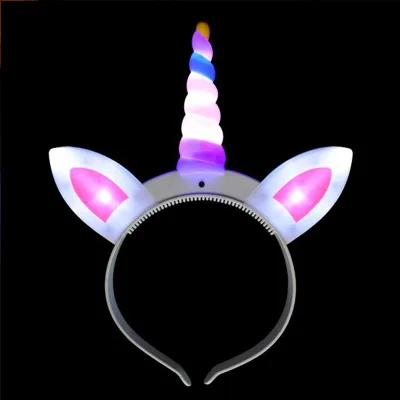
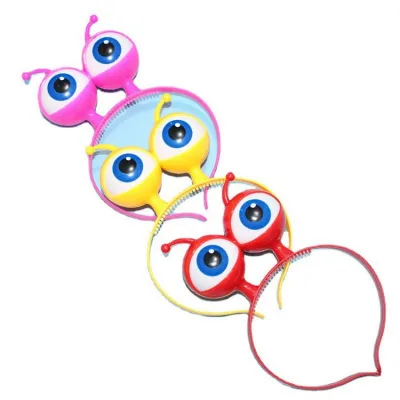
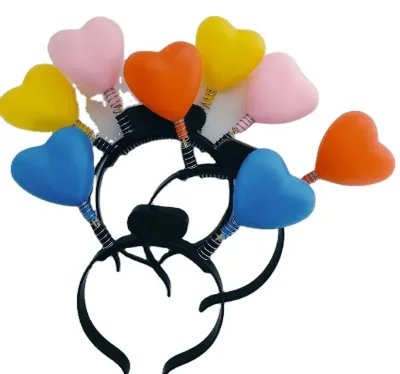
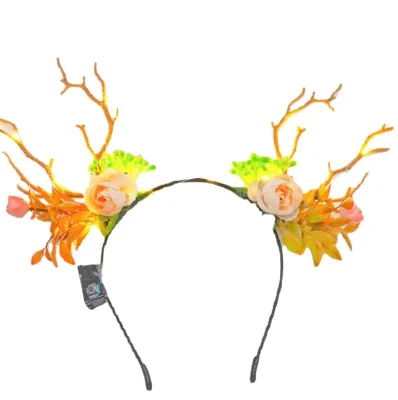
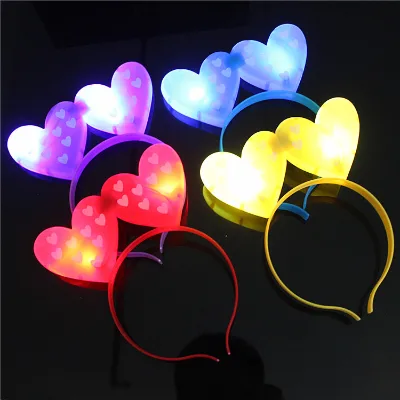



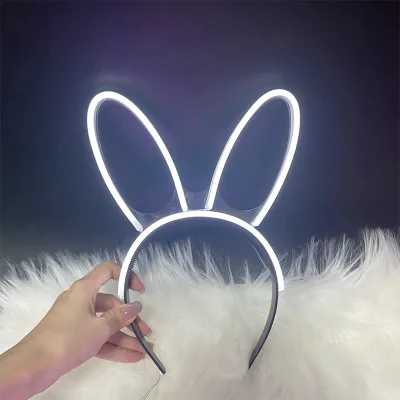
Light up Headbands LED Glowing Headband Luminous Rabbit Ear LED Headbands
$0.28 - $0.32
MOQ: 100 Pieces
Comprehensive Sourcing Guide
Glowing LED Headband for Kids Sourcing Guide
The market for glowing LED headbands for children presents a diverse array of options ranging from novelty devil horns to festive bows and bunny ears, all designed to enhance party atmospheres and event participation. Procurement teams must recognize that these items are primarily categorized as party decorations and event favors, with specific applications in Halloween, Christmas, birthdays, and rave-style gatherings. The observed product landscape includes distinct variations in shape, such as glow devil horns, bows, and rabbit ears, each serving different thematic needs while sharing the core function of providing visual excitement through light-up features.
Buyers should note that the supply chain for these items is concentrated in specific manufacturing hubs, with Guangdong, China, emerging as a primary origin point for these light-up toys. The products typically utilize plastic or fiber-based materials combined with LED technology and are powered by small button cell batteries, such as the AG13 type, which are often included in the package. Understanding these material and power constraints is essential for defining the product scope, as the lightweight nature of the items, often weighing under 70 grams for specific models, influences shipping costs and packaging requirements significantly.
Product Scope and Observed Listing Signals
When evaluating product listings, buyers must distinguish between different design archetypes, as the observed inventory includes specific models like the "Flashing Glow Devil Horn Headband" and "Party Supplies Led Light Up Bow Headband." These items are not generic; they carry specific model numbers such as AB165237 or HJ-LED0084, which indicate distinct manufacturing lines and design specifications. The visual appearance is a critical selection criterion, with colors ranging from white and red to multi-color options like pink, green, blue, and yellow, often described as "as picture" to indicate variable production runs.
The functional scope of these headbands extends beyond simple illumination, offering modes such as fast blinking, slow blinking, and steady on states to suit different event dynamics. Procurement data indicates that the supply ability for these items can reach high volumes, with some suppliers listing capacities of 600,000 pieces per month, suggesting a mature supply chain capable of handling large-scale orders. However, the minimum order quantities (MOQ) vary widely, ranging from single items for sampling up to 2,000 pieces for bulk production, requiring buyers to align their order volume with supplier thresholds to secure optimal pricing.
Technical Specifications to Verify
Technical due diligence must begin with the power system, as the observed products consistently rely on AG13 batteries, with some listings specifying the inclusion of three units per headband. Buyers should verify the battery compartment design to ensure it is secure and child-resistant, preventing accidental ingestion or leakage, which is a critical safety consideration for products intended for children. The physical dimensions of the headbands also vary, with some models specified as adult size while others are tailored for children, and the overall package size can range from compact single units to larger cartons measuring nearly half a meter in length.
Material composition is another vital technical parameter, with listings citing plastic, PS (polystyrene), and fiber as primary construction materials. The weight of the finished product is a key logistical factor, with observed gross weights ranging from approximately 69 grams for individual headbands to 1 kilogram for packaged units, directly impacting freight calculations. Additionally, the light source technology must be confirmed, as some specifications mention laser power ratings, though the primary function for these headbands is typically LED-based blinking or steady illumination, requiring verification of the LED type and battery life expectations.
Compliance and Safety Documentation
Safety compliance is paramount for any product marketed to children, and buyers must ensure that suppliers can provide documentation verifying adherence to relevant international safety standards for toys and electrical accessories. While specific certification names are not universally listed in the provided data, the nature of the product as a "light-up toy" necessitates rigorous testing for electrical safety, battery security, and material toxicity. Procurement teams should request test reports that confirm the absence of hazardous substances and verify that the LED components do not overheat or pose a fire risk during normal use.
The packaging and labeling requirements must also be scrutinized to ensure they meet the regulatory standards of the destination market, particularly regarding age grading and warning labels. Since the target audience includes children, the packaging should clearly indicate the age group suitability, which is often listed as "Child" in product attributes, and include instructions for safe battery replacement. Buyers should verify that the supplier's packaging details, such as the use of OPP bags, do not present choking hazards and that all necessary safety warnings are printed in the local language of the importing country.
Cost Drivers and Commercial Terms
The cost structure for glowing LED headbands is influenced by several variables, including the complexity of the light-up mechanism, the quantity of batteries included, and the specific design features like shape and color customization. The observed price range of 0.21 to 4.91 USD suggests a wide spectrum of value, where lower prices may correspond to simpler designs or smaller order volumes, while higher prices could reflect premium materials, complex blinking patterns, or bundled packaging. Buyers must analyze the unit price in the context of the MOQ, as the minimum order quantity of 500 pieces for some models may be a barrier for small buyers seeking to test the market.
Commercial terms such as the port of dispatch, typically Shenzhen or Shantou, and the supply ability of the manufacturer play a significant role in the total landed cost and delivery timeline. The packaging details, which often involve individual OPP bags and larger carton sizes of 49.524.563 cm, affect the volume efficiency of shipping, meaning that optimizing the number of units per carton can reduce freight expenses. Additionally, the selling units are often listed as single items, but bulk purchasing agreements should clarify whether the price includes the cost of the batteries and the specific packaging configuration required for retail display.
Supplier Qualification and Quality Control
Supplier qualification should focus on verifying the manufacturing location and the consistency of their production capabilities, as the observed data points to specific origins like Guangdong, China, and brands such as Amy & Benton or Hong Jing. Buyers should assess the supplier's ability to maintain quality consistency across large production runs, given the high supply ability figures of 600,000 pieces per month, which implies a need for robust quality control systems to prevent defects in the LED components or battery connections. The presence of advantages like "good quality" and "factory price" in listings should be treated as claims that require validation through sample testing and factory audits.
Quality control protocols must include rigorous testing of the light-up functions, ensuring that the blinking or steady-on modes operate reliably and that the battery life meets the expected duration for party use. Buyers should implement a sampling plan that checks for physical defects in the plastic or fiber materials, such as sharp edges or poor molding, which could pose safety risks to children. Furthermore, the verification of the single package size and gross weight is essential to ensure that the supplier's logistics data matches the actual product, preventing discrepancies that could lead to shipping delays or additional costs.
Long-Term Procurement Checks
Establishing a long-term procurement relationship requires ongoing monitoring of the supplier's ability to maintain product consistency and adapt to changing market demands. Buyers should regularly review the product specifications, such as the model numbers and color options, to ensure they remain aligned with current trends and customer preferences, as the market for party favors is highly dynamic. The verification of the "fast delivery" and "hot selling" claims should be an ongoing process, with buyers tracking lead times and on-time delivery rates to ensure the supply chain remains reliable for future events and seasonal peaks.
Sustainability and regulatory updates are critical factors for long-term planning, as safety standards and environmental regulations for toys and electronics are subject to frequent changes. Procurement teams should maintain open communication with suppliers regarding any updates to material compositions or battery technologies that might affect compliance or performance. Additionally, buyers should periodically reassess the cost drivers and commercial terms to ensure that the pricing remains competitive and that the supplier continues to offer value through efficient packaging and logistics solutions.
FAQs
What battery powers the flashing devil horn headband?
The headband uses three AG13 batteries included in the package. This power source enables the LED lights to blink or stay steady on for party events.
Which materials are used to make the light-up headbands?
These headbands are constructed from plastic and fiber materials combined with LED lights. The design ensures durability while maintaining a lightweight feel for children to wear comfortably.
Can I find these headbands for Halloween and Christmas events?
Yes, the product is suitable for all festivals including Halloween, Christmas, birthdays, and weddings. It serves as a versatile party decoration and favor for various celebrations.
What is the minimum order quantity for these light-up toys?
The minimum order quantity is 500 pieces for this specific product model. Buyers should note that other items may have different MOQs ranging from one to two thousand units.
How large is the single package for the devil horn headband?
The single package size measures 20 by 20 by 3 centimeters for the bow version. The devil horn headband comes in an OPP bag with a gross weight of 69.4 grams.
Where are these LED headbands manufactured and shipped from?
These items originate from Guangdong, China, and are dispatched from Shenzhen or Shantou ports. The supply ability allows for up to 600,000 pieces to be produced monthly.