Source Glow Sticks for parties, events, and safety gear
Find 30 listings for Glow Sticks with customizable sizes and replaceable batteries. Buyers can compare colors, materials like EPE foam, and certifications such as CE RoHS from suppliers in Guangdong, China.
Key considerations
Products List

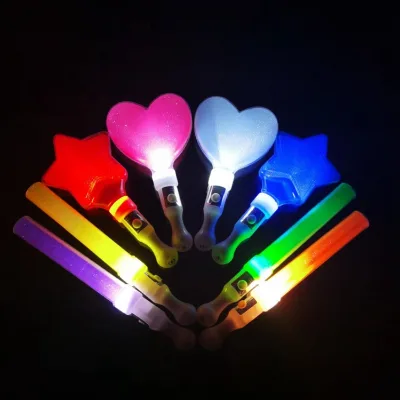


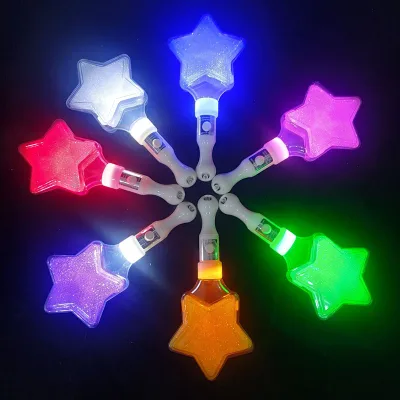
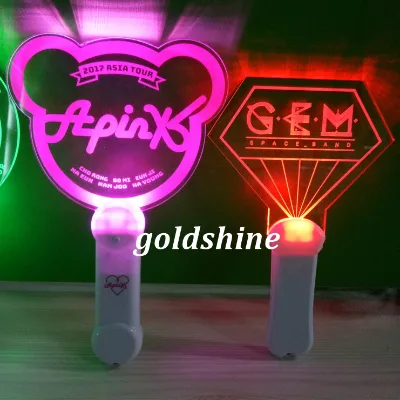
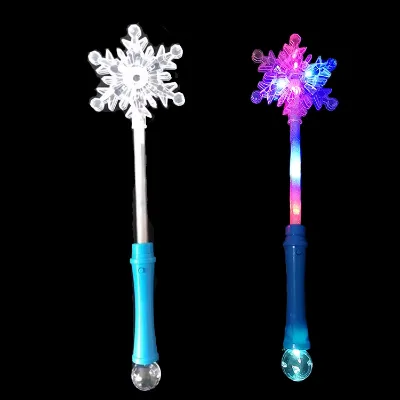




Comprehensive Sourcing Guide
Strategic Sourcing Guide for Glow Stick Procurement
The global market for Glow Sticks and electronic cheering sticks has evolved significantly, transitioning from simple chemical light sources to sophisticated, battery-operated LED devices designed for high-impact visual events. For B2B buyers, understanding the specific technical architecture, material composition, and compliance landscape of these products is essential for successful procurement. The following guide analyzes the current product landscape based on verified market data, focusing on electronic cheering sticks which dominate the modern party and event supply sector.
Technical Specifications and Material Architecture
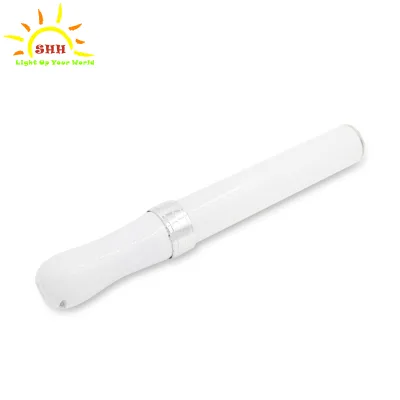
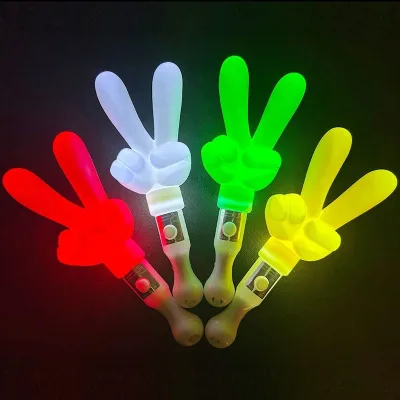
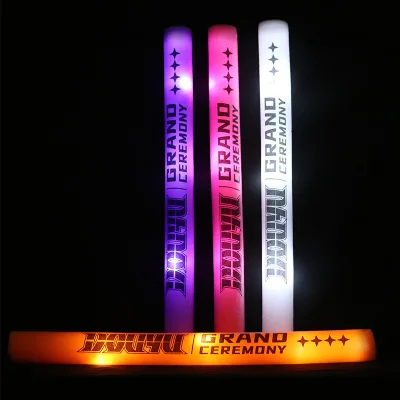
When sourcing Glow Sticks, particularly the electronic variants prevalent in the current market, buyers must distinguish between the structural components and the light-emitting mechanisms. The core product category observed in recent listings includes items explicitly described as "cheering sticks" or "glowing sticks" featuring electronic components rather than purely chemical reactions. The material composition is a critical differentiator. High-quality units typically utilize EPE (Expanded Polyethylene) foam for the handle and shaft, providing a lightweight yet durable structure that absorbs impact. This is often combined with internal electronic parts, including LED arrays and battery compartments.
Dimensions vary significantly based on the intended application. Standard specifications found in the market include a size of approximately 4.5 cm in diameter by 40 cm in length, suitable for handheld use. However, custom sizing is a common requirement for bulk buyers, with some listings indicating "Customized" as a primary specification. For instance, specific models like the SHH-FS 10 and SHH-FS06 adhere to a 404.5 cm footprint, while other variants may feature a pole length of 48 cm with a handle size of 111.5 cm. The single package size can range from compact dimensions of 20x20x35 cm to larger configurations depending on the packaging density.
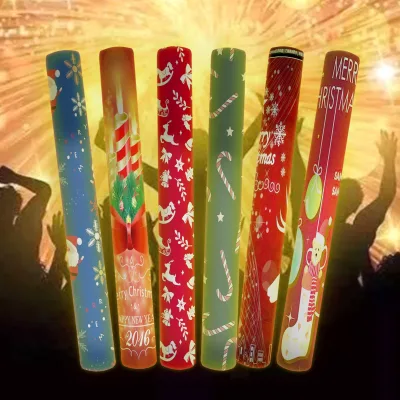
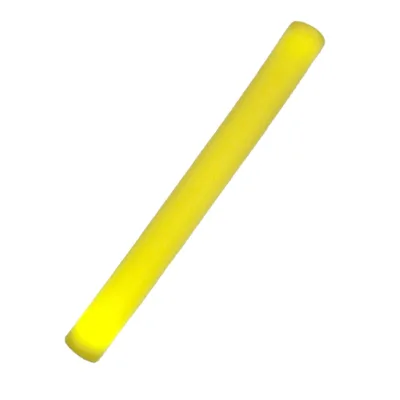
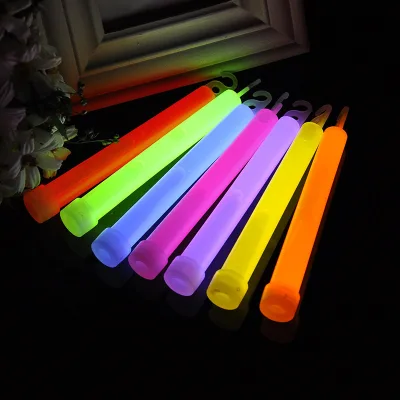
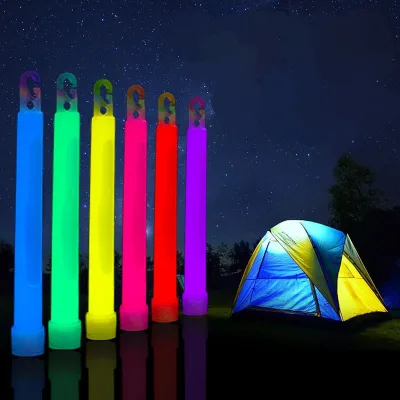
The lighting mechanism is another vital technical parameter. Modern electronic cheering sticks often employ a specific quantity of LEDs, such as 5 pieces per unit, to ensure adequate brightness. The color output is a key feature, with products offering single-color, flashing, or multi-color changing capabilities. The observed color palette is extensive, ranging from standard primary colors like Red, Blue, and Yellow to softer tones like Sky Blue, Light Green, and Purple. Some units are designed to glow continuously, while others feature dynamic color-changing modes to enhance the visual spectacle at events.
Compliance and Certification Verification
In the realm of party supplies and decorations, regulatory compliance is non-negotiable, especially when products are intended for use by diverse age groups, including adults and potentially children in mixed environments. Buyers must verify that suppliers possess valid certifications that align with international safety standards. The most prominent certification observed in the current market data is the CE RoHS combination. CE marking indicates conformity with health, safety, and environmental protection standards for products sold within the European Economic Area, while RoHS (Restriction of Hazardous Substances) ensures the product is free from specific hazardous materials.
While specific test results like EN71 or ASTM F963 are often associated with toy safety, their application to electronic cheering sticks depends on the product's classification and target demographic. If a product is marketed explicitly for "Adults" or general "Party Supplies," the primary focus remains on electrical safety and material toxicity. However, for products intended for broader consumption, verifying adherence to EN71-3 (migration of certain elements) and other relevant standards is prudent. Buyers should not assume that a supplier's general reputation guarantees compliance; instead, they must request current, valid certificates for each specific model number, such as the DL-GS08 or SHH-FS series, before placing an order.
Cost Drivers and Pricing Dynamics
The pricing structure for Glow Sticks is influenced by several variable factors, including material costs, electronic complexity, and order volume. The observed market price range for these items is approximately $0.01 to $6.60 USD per unit. This wide variance is not arbitrary but reflects differences in specifications. A basic single-color, battery-operated stick will sit at the lower end of the spectrum, while a unit with advanced features like color-changing LEDs, custom branding, or specialized packaging will command a higher price point.
Minimum Order Quantity (MOQ) is another significant cost driver. The market data indicates an MOQ range of 2 to 3,000 units. Buyers purchasing small quantities may face a higher per-unit cost due to the fixed costs of production setup and logistics. Conversely, bulk buyers can leverage economies of scale, often negotiating better rates by ordering in full cartons. The standard packing configuration is typically 100 pieces per carton, which simplifies logistics and inventory management. Understanding the relationship between the MOQ and the unit price is crucial for budgeting; for example, an order of 3,000 units might unlock a price tier significantly lower than an order of 500 units.
Typical Applications and Usage Scenarios
The versatility of electronic cheering sticks makes them suitable for a wide array of applications, primarily centered around "Parties and events." These products are designed to be high-visibility tools that enhance the atmosphere of gatherings. The "occasion" attribute in product listings frequently includes "All" or specific mentions of "Events and parties favor," indicating their broad utility. They are commonly used in concerts, sports matches, festivals, and corporate celebrations where crowd engagement is essential.
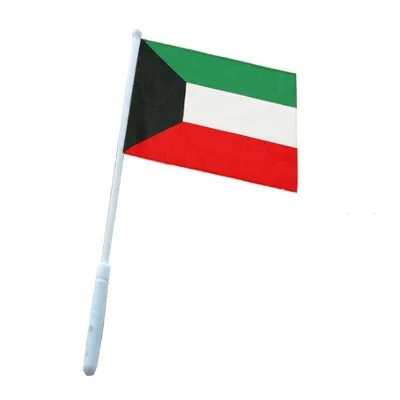
The usage environment is another consideration. While many products are rated for both indoor and outdoor usage, specific models may be optimized for one environment over the other. For instance, some listings specify "outdoor" usage, suggesting weather-resistant properties or brighter LEDs suitable for daylight or night-time events. Others are marked for "Indoor" use, which may imply a focus on aesthetic appeal in controlled lighting conditions. The target end-user is consistently identified as the "Party Supplies & Decorations" sector, serving event planners, party rental companies, and wholesale distributors. The ability to customize colors and sizes allows these products to be tailored to specific themes, such as national flags (e.g., Kuwait) or corporate branding colors.
Supplier Evaluation and Sourcing Strategy
Selecting the right supplier requires a rigorous evaluation process that goes beyond price comparison. Buyers should prioritize suppliers who demonstrate transparency in their product attributes and manufacturing capabilities. The "place of origin" is a key indicator; the majority of the observed supply chain originates from Guangdong, China, a hub known for electronics manufacturing. However, buyers must verify the specific factory capabilities, as "Guangdong, China" is a broad region.
Key evaluation criteria include the supplier's ability to offer OEM (Original Equipment Manufacturer) services. The market data confirms that OEM is acceptable for many suppliers, allowing buyers to customize the product with their own branding, colors, or packaging. This is particularly valuable for companies looking to create unique event favors. Additionally, the battery configuration is a critical point of verification. Some products specify "Replaceable" batteries, while others list "3pcs" or "3pcs cell" as a fixed requirement. Buyers must ensure the battery type aligns with their logistical capabilities and sustainability goals.
When evaluating suppliers, buyers should also assess their packaging standards. The standard packing of 100 pcs/ctn is common, but the single package size and gross weight (e.g., 0.500 kg) impact shipping costs. A supplier that provides clear, consistent packaging data reduces the risk of shipping damage and ensures accurate freight calculations.
Quality Control and Long-Term Procurement
Maintaining quality consistency is paramount in the glow stick industry, where product failure can lead to significant customer dissatisfaction. Quality control measures should focus on the integrity of the electronic components, the durability of the EPE foam, and the reliability of the battery connection. Buyers should request sample testing to verify the "glow" and "flashing" features against the claimed specifications. For instance, verifying that the LED quantity matches the stated 5pcs per unit and that the color-changing functionality operates as advertised is essential.
Long-term procurement considerations involve building a sustainable supply chain. Buyers should look for suppliers who can maintain consistent lead times and offer flexible production schedules. The "Customized" size specification suggests that suppliers should be capable of adapting to changing market demands without significant delays. Furthermore, the "good quality" advantage noted in some listings should be substantiated through performance data and customer feedback.
To mitigate risks, buyers should implement a phased ordering strategy. Start with a small trial order to verify quality, packaging, and delivery times before committing to large-volume purchases. This approach allows for the identification of any potential issues with the product, such as battery leakage or LED failure, before they impact a large customer base. Additionally, maintaining open communication with the supplier regarding any changes in regulations or standards ensures that the product remains compliant throughout the procurement lifecycle.
Summary of Key Product Attributes
The following table summarizes the critical attributes observed in the current market for electronic cheering sticks, providing a quick reference for buyers during the sourcing process.
| Attribute Category | Observed Specifications |
|---|---|
| Brand Names | SHH, XDLTECH |
| Material | EPE foam, Electronics, Plastic |
| Dimensions | 4.540cm, 404.5Cm, 48cm Pole Length |
| Battery | Replaceable, 3pcs, 3pcs cell |
| Lighting | LED (5pcs), Glowing, Color Changing, Flashing |
| Colors | Blue, Green, Orange, Pink, Purple, Red, White, Yellow, Sky Blue, Light Green |
| Certifications | CE RoHS |
| Packaging | 100pcs/ctn, 1 pc/pp |
| Usage | Indoor, Outdoor, Parties, Events |
| Origin | Guangdong, China |
By adhering to these guidelines and focusing on verified data, buyers can navigate the complex landscape of glow stick procurement with confidence, ensuring they source high-quality products that meet the demands of their specific market segments.
FAQs
What materials are used to make electronic cheering sticks?
Electronic cheering sticks typically use EPE foam combined with internal electronic parts for durability and lightweight handling. Some variants may also incorporate plastic components for the handle or pole structure, ensuring the device is robust enough for party and event usage while maintaining safety standards.
Which certifications should I verify for glow stick suppliers?
You should verify that suppliers possess CE and RoHS certifications to ensure compliance with safety and environmental standards. These marks indicate the product meets specific health and safety requirements for the European market, which is critical for electronic items intended for parties and events.
Can I customize the size and color of the Glow Sticks?
Yes, many suppliers offer customized sizes and colors to meet specific event requirements. Standard dimensions often include 40 by 4.5 cm, but custom options are available, and a wide range of colors like blue, green, red, and yellow can be selected for branding or thematic purposes.
What is the typical battery configuration for these products?
Most electronic cheering sticks use three replaceable batteries or cells to power the LED lights. This configuration ensures reliable performance during events, and the battery compartment is designed to be accessible for replacement, allowing for long-term use in various party and event scenarios.
How are these products typically packaged for bulk orders?
Products are commonly packed with 100 pieces per carton to facilitate efficient shipping and inventory management. Individual units may be wrapped in a single poly bag, and the carton dimensions are standardized to optimize logistics, with a gross weight of approximately 0.5 kg per unit.
Where are the primary manufacturing locations for these items?
The majority of electronic cheering sticks are manufactured in Guangdong, China, a major hub for electronics production. This region offers a robust supply chain for sourcing these party favors, ensuring consistent availability and competitive pricing for buyers looking to import these goods.
What is the minimum order quantity for purchasing Glow Sticks?
The minimum order quantity varies, typically ranging from 2 to 3000 units depending on the supplier and customization needs. Buyers can often negotiate better pricing for larger volumes, making it feasible for both small event planners and large wholesale distributors to source these products effectively.