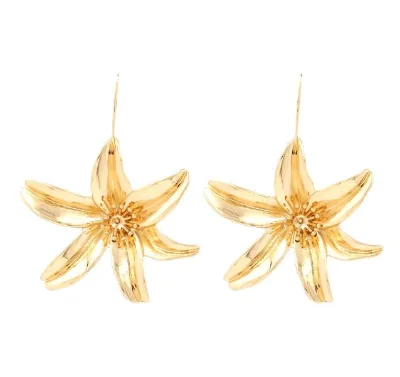
Source Gold Card Setting Drop Earrings for Gifts
Explore 30 listings for Gold Card Setting Drop Earrings suitable for wholesale and custom orders. Compare materials like sterling silver and copper, plating options, and MOQs to find the right supplier for your jewelry business needs; compare the available evidence and request quotations based on your requirements.
Key considerations
Products List


High Quality Silver 925 Brass Women Earrings Drop Earrings Fashion Jewelry
$5.70 - $6.30
MOQ: 20 Pieces


Wholesale Fashion Sterling Silver Jewelry Gold Plated Drop Earrings for Gift
$10.27 - $12.21
MOQ: 6 Pieces


Delicate Fashion Statement 925 Sterling Silver Gold Plated Irregular Drop Earrings
$3.62 - $4.48
MOQ: 30 pair/pairs




Comprehensive Sourcing Guide
Gold Card Setting Drop Earrings Sourcing Guide
Sourcing Gold Card Setting Drop Earrings requires careful attention to the specific metal composition and plating options available in the current market. Buyers should verify that the base material aligns with their brand standards, as observed listings frequently feature 925 sterling silver or copper cores with various plating finishes like rhodium, rose gold, or yellow gold. The distinction between solid gold and plated options is critical for pricing and durability expectations.
Procurement teams must also evaluate the customization capabilities offered by potential suppliers to ensure the final product meets specific design requirements. Many manufacturers provide acceptable customization services, allowing for tailored shapes such as square or oval designs and specific stamping requirements like 925 or customer-defined marks. This flexibility is essential for creating unique inventory that stands out in competitive retail environments.
Product Scope and Observed Listing Signals
The observed product range for Gold Card Setting Drop Earrings includes diverse styles ranging from natural aesthetics to star fashion designs, catering to both middle-aged and youth demographics. Listings indicate that these items are primarily marketed as decorative gifts suitable for various occasions, including anniversaries, engagements, parties, and weddings. Understanding these usage contexts helps buyers align their inventory with seasonal demand and specific customer segments.
Buyers should note that the observed price range spans from approximately 1.13 to 24.83 USD, reflecting significant variation based on material quality and plating thickness. Minimum order quantities also vary widely, with some suppliers requiring as few as 5 pieces while others set thresholds up to 1000 units. This variance necessitates a clear strategy for balancing initial investment costs against the need for sufficient stock depth to meet market demand.
Technical Specifications to Verify
Technical verification must begin with the core material composition, as observed data highlights the use of 925 sterling silver, copper, and various gold karats including 10k, 14k, and 18k. Buyers should explicitly confirm the stamp on the finished product, ensuring it matches the agreed-upon standard, whether it is a standard 925 mark or a custom requirement. This step prevents discrepancies between the ordered specification and the delivered goods.
Processing methods and finishing details are equally critical for ensuring the longevity and aesthetic appeal of the earrings. The fabrication process often involves electroplating and polishing to achieve a flawless appearance with a specific gloss level. Buyers should request samples to verify the pearl diameter if applicable, such as the observed 10mm specification, and confirm that the plating adheres properly to the base metal to prevent premature tarnishing or color loss.
Compliance and Safety Documentation
Compliance documentation is a non-negotiable aspect of sourcing, with suppliers often providing SGS certificates to validate material safety and quality standards. Buyers must ensure that the provided certificates are current and specifically cover the materials used in the Gold Card Setting Drop Earrings, particularly regarding nickel content and heavy metal restrictions. This verification protects the brand from regulatory issues in target markets.
In addition to material safety, buyers should verify the supplier's adherence to international standards for jewelry manufacturing. While some listings mention specific standards like 925 silver, others may reference broader quality assurance protocols. It is vital to confirm that the supplier's quality control processes align with the buyer's internal compliance requirements to avoid receiving non-conforming products that could lead to returns or reputational damage.
Cost Drivers and Commercial Terms
Cost drivers for these earrings are heavily influenced by the choice of base metal, the thickness of the gold plating, and the complexity of the customization requested. Suppliers offering OEM/ODM services may charge differently based on the level of design involvement and the specific fabrication processing required, such as electroplating or polishing. Buyers should analyze the total cost of ownership, including the impact of these variables on the final unit price.
Commercial terms regarding payment and delivery must be clearly defined to manage cash flow and inventory planning effectively. Observed data indicates payment methods such as bank transfer, PayPal, MoneyGram, and Western Union, with lead times ranging from 20 to 45 days depending on order volume. Understanding the sample time, often around 10 days, is also crucial for accelerating the product development cycle before full-scale production begins.
Supplier Qualification and Quality Control
Supplier qualification should focus on their ability to meet specific business needs, such as serving jewelry wholesalers, distributors, or independent makers. Buyers must assess whether the supplier can handle the required order volumes and provide consistent quality across batches, as indicated by their service offerings like OEM/ODM. A supplier's track record in handling custom requirements is a strong indicator of their reliability and operational maturity.
Quality control measures must be rigorous, with a focus on defect prevention and consistency in finishing. Buyers should verify that the supplier has a guarantee period, such as the observed one-year guarantee, and a clear process for handling defects like flaws or plating issues. Establishing a robust quality assurance protocol ensures that the final products meet the high standards expected by end consumers in the jewelry market.
Long-Term Procurement Checks
Long-term procurement success depends on maintaining a stable supply chain that can adapt to changing market trends and customer preferences. Buyers should regularly review supplier performance against key metrics such as delivery time, defect rates, and adherence to customization requests. Continuous monitoring ensures that the partnership remains productive and that the supply of Gold Card Setting Drop Earrings remains uninterrupted.
It is also essential to periodically re-evaluate the product specifications and market positioning to ensure continued relevance. As styles evolve from natural to star fashion or other trends, buyers must work closely with suppliers to update designs and materials accordingly. This proactive approach helps maintain a competitive edge and ensures that the inventory remains aligned with current consumer demands and aesthetic preferences.
FAQs
What materials are used for Gold Card Setting Drop Earrings?
These earrings are crafted from 925 sterling silver, copper, or gold options like 10k, 14k, and 18k. The base material ensures durability and a premium finish. Plating options include rhodium, rose gold, yellow gold, and black gold to achieve the desired aesthetic. Buyers can select the specific metal composition that best fits their design requirements and budget constraints.
Can these earrings be customized for specific brands?
Yes, customization is available and acceptable for various brand requirements. Buyers can request specific stamps such as 925 or custom markings. OEM and ODM services are supported to accommodate unique design needs. This flexibility allows businesses to create distinct products that align with their brand identity while maintaining high-quality standards and professional finishing for the final jewelry pieces.
What is the typical lead time for production?
The standard lead time for production is approximately 20 to 30 days. Sample preparation typically takes around 10 days. For larger orders or complex customizations, the lead time may extend to 45 days. Buyers should plan their inventory accordingly to ensure timely delivery. These timelines help manage expectations and coordinate logistics effectively for bulk jewelry orders.
What certifications are provided for these earrings?
Products are certified with SGS standards to ensure quality and compliance. The materials meet 925 silver standards, and gold options follow respective karat specifications. Certifications verify the authenticity of the metals used. This documentation provides assurance to buyers regarding material integrity and manufacturing standards, supporting trust in the supply chain and ensuring that the jewelry meets international quality benchmarks for wholesale distribution.
What is the minimum order quantity for these earrings?
The minimum order quantity ranges from 5 to 1000 pieces depending on the specific product model. Some items have an MOQ of 30 pieces. This flexibility accommodates both small boutique orders and large wholesale purchases. Buyers can choose quantities that suit their inventory needs. The varied MOQ options allow businesses to test market demand before committing to larger production runs.
Where are these earrings manufactured?
These earrings are manufactured in China, specifically in Guangzhou. This region is known for its robust jewelry manufacturing infrastructure and supply chain efficiency. The origin ensures access to skilled labor and quality materials. Buyers benefit from established production capabilities and logistical advantages. The location supports consistent output and reliable delivery schedules for international wholesale orders and distribution networks.