Source Halal Fresh Sheep Tail Fat for Cooking, Baking, and Rendering
Compare 25 listings for Halal Fresh Sheep Tail Fat from verified Chinese manufacturers. Buyers can review specifications, pricing, and shipping terms for this animal oil used in cooking and industrial rendering.
Key considerations
Products List


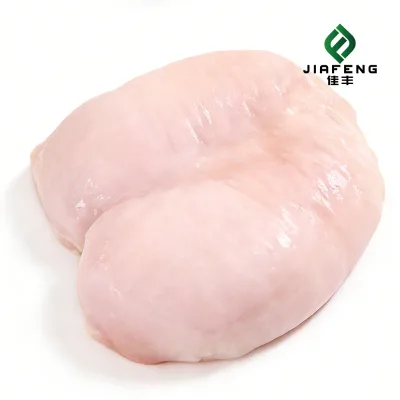
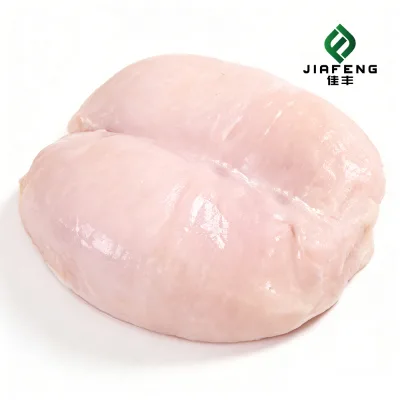


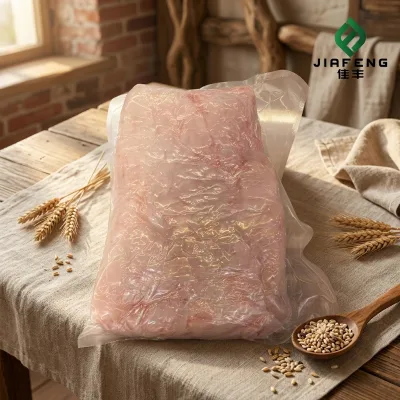
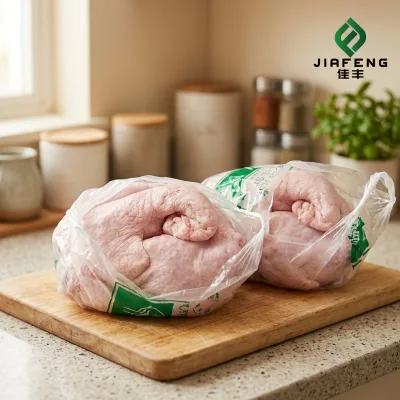
Halal Grade Frozen Sheep Tail Fat, Premium Quality Bulk Packaging Lamb Tail Fat
$1522.00 - $2071.00
MOQ: 10 Tons


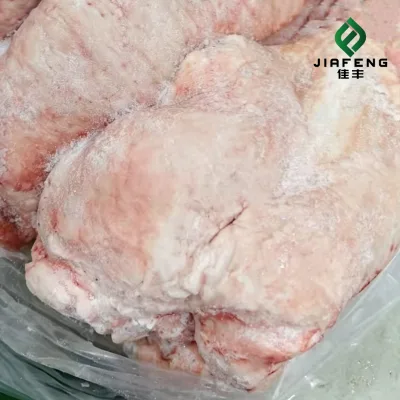
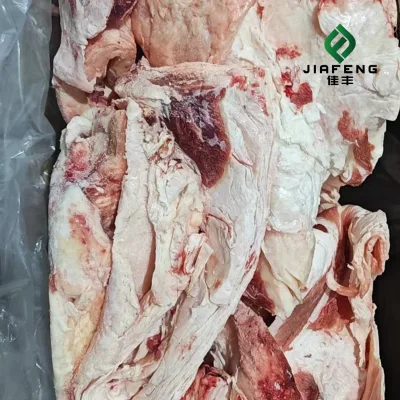
Comprehensive Sourcing Guide
Strategic Sourcing Guide for Halal Fresh Sheep Tail Fat
Understanding Product Specifications and Variants
Sourcing high-quality sheep tail fat, often categorized under animal oils or rendered fats, requires a precise understanding of the product's physical and chemical characteristics. In the global market, this commodity is frequently listed under specific designations such as "Lamb Tail Fat Halal" or "Frozen Sheep Tail Oil." The primary form available for international trade is frozen, necessitating strict adherence to cold chain logistics. The standard storage temperature for these products is consistently maintained below -18°C to preserve structural integrity and prevent oxidation. Some suppliers may specify storage conditions simply as "frozen" or "-18°C," but the operational requirement remains the same: the product must remain solid and free from thaw-refreeze cycles that could degrade quality.
The physical presentation of the fat varies based on processing methods. Buyers often encounter the product in "Whole" style, where the tail is processed as a complete unit, or in cut forms suitable for rendering. The processing method is a critical differentiator; options include "Cleaned Frozen" or specialized treatments like "Bqf" (though specific definitions of this acronym should be verified against the supplier's technical data sheet). The grade of the product is another vital specification, with "Grade A" being a common designation for premium quality. This grade implies a high purity level, often tailored to customer requirements, ensuring minimal impurities and consistent fat content. The product is typically packed in cartons or containers, with standard packaging weights ranging from 1.5kg up to larger bulk configurations like 10kg per carton. Understanding these baseline specifications is the first step in defining a clear Request for Quotation (RFQ).
Compliance and Certification Verification
For buyers in the global market, particularly those targeting regions with strict dietary laws, certification is not merely a formality but a prerequisite for market access. The core keyword "halal" indicates that the product must comply with Islamic dietary laws. In the supplied data, specific documentation is listed as "Halal," alongside international food safety standards such as "ISO," "BRC," and "Sanitary Certificate." The presence of HACCP (Hazard Analysis and Critical Control Points) certification is also noted, which is a systematic preventive approach to food safety. When evaluating potential suppliers, buyers must verify that these certifications are current and issued by recognized bodies.
The "Halal" status is often supported by specific key words in product listings, such as "100% Halal Sheep Tail Fat." However, buyers should not rely solely on marketing text. It is essential to request copies of the actual certificates to confirm the scope of coverage and the issuing authority. Furthermore, the product origin plays a significant role in compliance perception. Many suppliers in this sector are located in regions like Shandong, China, which is a major hub for animal by-product processing. While the origin is a factual attribute, the buyer must ensure that the export documentation aligns with the import regulations of the destination country. The combination of Halal, ISO, and BRC certifications creates a robust compliance framework, but the verification process must be rigorous to avoid supply chain disruptions at customs.
Cost Drivers and Pricing Dynamics
The pricing of sheep tail fat is influenced by a complex matrix of factors, including raw material availability, processing costs, and logistics. The observed price range in the market for this product spans from $500 to $2,500 USD, though this is a broad spectrum that likely reflects variations in packaging, quantity, and specific grade. The Minimum Order Quantity (MOQ) is another significant cost driver, ranging widely from as low as 1 unit to as high as 10,000 units. This variance suggests that buyers can access the product through different channels, from small trial orders to massive bulk contracts.
Logistics costs are particularly high for frozen animal fats due to the requirement for reefer containers. The standard loading quantity for a 40-foot reefer container is approximately 28 tons, which directly impacts the per-unit cost calculation. Buyers must consider the "Price Term," which is often quoted as FOB (Free on Board) or CIF (Cost, Insurance, and Freight). The choice between these terms determines who bears the risk and cost of shipping. Additionally, the "Supply Period" is noted as "All Year Round," which suggests a stable supply base, potentially mitigating seasonal price spikes. However, the "Supply Time" or delivery lead time can vary, with some suppliers offering 10-15 days and others stating delivery within 20 days. These lead times must be factored into the total landed cost, especially for time-sensitive production schedules.
Typical Applications and Usage Scenarios
Sheep tail fat is a versatile ingredient with applications spanning culinary, industrial, and pharmaceutical sectors. In the culinary world, it is prized for its unique flavor profile and high smoke point, making it ideal for traditional cooking methods. The product is explicitly listed for "Cooking" use, where it serves as a primary fat source in various regional cuisines. Its "Low-Fat" and "Nutritious" features, as highlighted in some product attributes, may appeal to health-conscious consumers or specific dietary formulations, although the nutritional profile should be verified against the specific rendering process.
Beyond direct food consumption, the product is classified as "Animal Oil," indicating its potential use in the manufacturing of soaps, cosmetics, and biofuels. The "Purity (%)" being "As customer requirement" suggests that the product can be customized for specific industrial applications requiring high-grade rendered oil. The "Whole" style of the product is often preferred for rendering processes where the buyer has their own processing facilities, while processed forms are suitable for direct food service. The ability to accept "Private Label" and "OEM/ODM" services further expands the utility of this product for brands looking to create their own line of cooking fats or specialty oils. Understanding these diverse applications allows buyers to position the product effectively within their supply chain, whether for direct retail, food service, or industrial manufacturing.
Supplier Evaluation and Capability Assessment
Selecting the right supplier requires a deep dive into their operational capabilities and production capacity. The market data indicates that some manufacturers boast a production capacity of up to 3,000,000 tons per year, while others may have a monthly capacity of 100 tons. This disparity highlights the importance of matching the supplier's scale with the buyer's volume requirements. A supplier with a capacity of 100 tons per month may be suitable for smaller, specialized orders, whereas a supplier with multi-million ton capacity is better suited for large-scale global distribution.
The "Manufacturer" name, such as "Jiafeng," appears in the data, but buyers should avoid relying on a single name. Instead, the focus should be on the supplier's ability to provide "OEM ODM" services and accept "Private Label" requests. This flexibility is crucial for buyers who need to customize the product for their specific market. The "Quality" attribute is often listed as "High Quality" or "Grade A," but these are subjective terms. Buyers must verify these claims through third-party testing or by reviewing the supplier's quality control protocols. The "Address" and "Location" details, such as "Shandong," provide a geographical context, but the buyer must ensure that the supplier has the logistical infrastructure to handle "Reefer Container" shipments reliably. A supplier's ability to maintain the cold chain from the factory gate to the port is as critical as their production capacity.
Quality Control and Long-Term Procurement Strategy
Maintaining consistent quality in frozen animal fats requires a robust quality control (QC) framework. The "Shelf Life" of the product is a critical parameter, with observed ranges exceeding 12 months and some listings specifying up to 24 months. This longevity is contingent upon maintaining the correct storage temperature of -18°C throughout the supply chain. Buyers should implement strict QC measures that include temperature monitoring during transit and regular sampling upon arrival. The "Document" requirements, including Halal, ISO, and BRC certificates, should be part of the initial quality audit.
For long-term procurement, establishing a reliable supply chain is paramount. The "Supply Period" being "All Year Round" is a positive indicator, but buyers should also consider the "Payment Term," which is typically T/T (Telegraphic Transfer) or L/C (Letter of Credit). These terms affect cash flow and risk management. A strategy that includes diversifying suppliers across different regions can mitigate risks associated with geopolitical instability or local production issues. Additionally, the "Feature" of the product, such as being "Low-Fat" or "Nutritious," should be aligned with market trends to ensure long-term demand. Buyers should also verify the "Loading Quantity" and container specifications to optimize logistics costs. By focusing on these strategic elements, buyers can build a resilient procurement pipeline that ensures a steady supply of high-quality sheep tail fat while managing costs and compliance risks effectively.
Comparative Analysis of Product Attributes
To facilitate decision-making, it is helpful to compare key attributes across different potential product listings. The following table summarizes the variations observed in the market data, highlighting the range of specifications buyers might encounter.
| Attribute | Common Observation | Range / Variability |
|---|---|---|
| Storage Temperature | Frozen | < -18°C or -18°C |
| Shelf Life | Long-term | > 12 Months to 24 Months |
| Packaging Material | Plastic / Carton | Carton, Container |
| Processing Method | Cleaned Frozen | Bqf, Cleaned Frozen |
| Certification | Halal / ISO / BRC | HACCP, Sanitary Certificate |
| Origin | China | Shandong, China |
| MOQ | Flexible | 1 to 10,000 Units |
| Price Range (USD) | Variable | $500 - $2,500 |
| Grade | Premium | Grade A |
| Delivery Time | Standard | 10-15 Days to 20 Days |
This comparison underscores the need for buyers to specify their exact requirements in the RFQ. For instance, if a buyer requires a specific shelf life of 24 months, they must explicitly state this, as some listings may only guarantee 12 months. Similarly, the packaging type (Carton vs. Container) and the processing method (Bqf vs. Cleaned) can significantly impact the final product's suitability for the buyer's intended use. By carefully reviewing these attributes, buyers can ensure that the sourced product meets their technical and operational needs without ambiguity.
FAQs
What certifications does Halal Fresh Sheep Tail Fat have?
The product holds HACCP, Halal, ISO, BRC, and Sanitary Certificates. These documents verify compliance with international food safety standards and Islamic dietary laws for global trade acceptance.
How is the product stored and transported?
Storage requires temperatures below -18°C to maintain frozen integrity. Transportation uses reefer containers with a standard loading capacity of 28 tons per 40-foot unit.
Can suppliers provide private labeling services?
Yes, private labeling is acceptable for this product. Manufacturers also offer OEM and ODM services to customize branding and packaging according to specific buyer requirements.
What is the minimum order quantity for this item?
The minimum order quantity ranges from 1 unit up to 10,000 units depending on the supplier. Some vendors require a full 20-foot container as the baseline purchase volume.
Where is the product origin and how long is the shelf life?
The product originates from Shandong, China, and has a shelf life exceeding 12 months, with some listings specifying up to 24 months. Supply is available all year round.
What are the available packaging options for this fat?
Packaging typically includes cartons or containers with materials like plastic. Standard specifications vary from 1.5kg up to bulk configurations such as 10kg per carton.