Source Halal Frozen IQF Spinach Balls for Soups, Smoothies, and Sauces
Compare 30 listings for Halal Frozen IQF Spinach Balls sourced from Shandong, China. Buyers can evaluate specifications like 10kg packaging, IQF processing, and certifications including BRC, FDA, and HACCP to find suitable suppliers for food manufacturing.
Key considerations
Products List
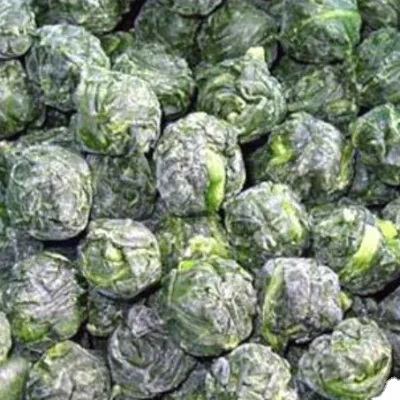
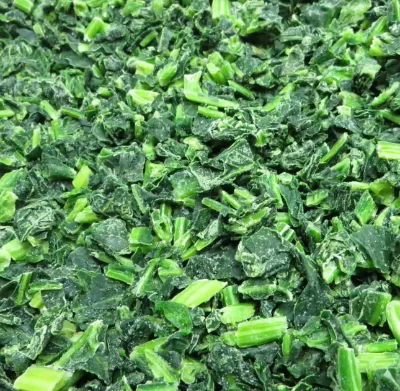
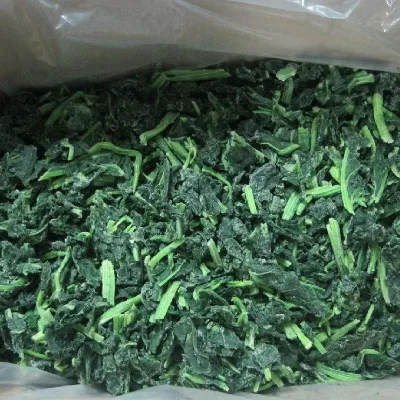


Sinocharm Brc a Approved Organic IQF Spinach Chopped Ball Frozen Spinach Chopped Ball
$770.00 - $800.00
MOQ: 23 Tons


Comprehensive Sourcing Guide
Strategic Sourcing Guide for Halal Frozen IQF Spinach Balls
Navigating the global market for Halal frozen IQF (Individual Quick Frozen) spinach balls requires a disciplined approach that balances technical specifications with rigorous compliance verification. The core product, often identified by its distinct spherical shape and specific freezing process, serves as a critical ingredient in food service, institutional catering, and retail frozen food sectors. Buyers must distinguish between generic frozen spinach and specialized ball-shaped varieties that offer consistent portioning and texture retention. This guide synthesizes observed market data and technical attributes to provide a framework for evaluating potential supply chains without relying on unverified claims or specific vendor recommendations.
Technical Specifications and Processing Standards
The defining characteristic of the target product is the "IQF" processing method, which ensures that individual spinach balls remain separate and do not clump together during storage and transport. This contrasts with block-frozen products where the contents are fused. The observed market data indicates that the freezing process is a critical differentiator, with specific references to LQF (Liquid Quick Freezing) and IQF technologies. For buyers seeking the specific "ball" morphology, the product specification must explicitly state a shape of "Ball" or "Frozen Spinach Ball," distinct from chopped, whole leaf, or pureed varieties.
Size consistency is paramount for industrial applications. While some listings suggest specifications ranging from 25-35g to 35-45g per unit, others indicate a broader range of 30-50g. Buyers must verify the exact weight tolerance required for their production lines, as the "Selling Units" are often structured as multiples of 10kg. The physical form is further defined by the "Part" attribute, which in this context is "Non-Peeled," indicating that the spinach retains its natural outer structure. The color should be a vibrant "Green," and the flavor profile is typically described as "Original," preserving the natural taste without added seasonings. The shelf life is consistently noted as 24 months when stored at temperatures below -18°C, a standard requirement for maintaining quality in frozen vegetables.
Compliance, Certification, and Halal Verification
For a product labeled as "Halal," the certification landscape is complex and requires meticulous verification. The observed data lists a wide array of certifications, including BRC, FDA, HACCP, ISO, Halal, and Kosher. However, the presence of a certification label on a product page does not guarantee that every specific SKU or batch holds that status. Buyers must treat these attributes as observations of the supplier's general capability rather than automatic guarantees for the specific order.
The "Halal" certification is particularly sensitive to the supply chain's integrity. While the data mentions "Halal" certificates, the buyer must request the specific Halal certificate number and the issuing authority for the current production batch. It is essential to confirm that the Halal status covers the entire process, from the "Cultivation Type" (noted as Common or Open Air) to the final packaging. The "Processing Type" is listed as "Chopped" in some contexts, yet the product shape is "Ball," suggesting a specific forming process that must also be Halal-compliant. Furthermore, the "Grade" is listed as "A," which implies a high-quality standard, but this grading must be cross-referenced with the specific Halal and food safety standards required by the destination market.
Cost Drivers and Pricing Dynamics
The pricing structure for frozen spinach balls is influenced by several volatile factors, including raw material costs, energy prices for freezing, and logistics. The observed price range in the market is extremely wide, spanning from $0.60 to over $1,200.00 USD. This variance is not indicative of a single product tier but rather reflects differences in packaging formats, order volumes, and the inclusion of value-added services. A unit price of $0.60 likely corresponds to bulk raw material pricing for very large container loads, whereas higher figures may include premium packaging, specific certification fees, or smaller order quantities.
The Minimum Order Quantity (MOQ) is a significant cost driver. Data indicates an MOQ range from 1 unit up to 10,000 units, with specific high-volume requirements such as "1*20FCL" (one 20-foot container load). For buyers requiring smaller quantities, the unit cost will naturally be higher due to the fixed costs of containerization and handling. The "Supplying Period" is noted as "All The Year Throughout," which suggests that seasonal price fluctuations might be less severe than for fresh produce, but buyers should still monitor global commodity trends. Payment terms like T/T, L/C, and D/P also impact the final landed cost, as financing charges and bank fees vary by region and creditworthiness.
Typical Applications and Product Utilization
The specific morphology of frozen spinach balls makes them ideal for applications requiring precise portion control and ease of handling. Unlike loose chopped spinach, which can be difficult to measure and distribute evenly, the ball shape allows for automated dispensing in food service environments. The "Instruction for use" advises thawing before serving, a standard procedure that ensures the product integrates smoothly into sauces, soups, and fillings without releasing excessive water that could dilute the dish.
The "Packaging" options, ranging from "Box" to "Bulk" and "Carton," offer flexibility for different distribution channels. For retail, the "2kg/Bag" or "1kg/Bag" configurations within a "Carton" are common, while institutional buyers may prefer "10kg" bulk packs. The "Transportation" method is primarily "by Sea," which aligns with the heavy weight of frozen goods and the long lead times associated with international trade. The "Storage Type" is strictly "Frozen," and the "Storage Temperature" must remain below -18°C throughout the supply chain to prevent quality degradation. The "Feature" of being "Delicious" and having an "Original" flavor makes it suitable for a wide range of cuisines, from Asian stir-fries to Western pasta dishes.
Supplier Evaluation and Origin Verification
Evaluating suppliers requires a focus on the "Place of Origin" and the "Address" provided. The data consistently points to "Shandong, China" as the primary production hub, with "Qingdao" as a specific address. Shandong is a major agricultural region in China, known for its extensive vegetable farming and processing infrastructure. Buyers should verify that the supplier's physical location matches the stated origin to ensure logistical feasibility and reduce the risk of fraud.
The "Customization" attribute is listed as "Available," indicating that suppliers may offer tailored solutions regarding size, packaging, or branding. However, buyers must clarify the scope of this customization. Does it apply to the "Specification" (e.g., 10kg, 15kg/carton) or the "Packaging Material" (Plastic, Paper)? The "Standard" production sizes are often 10kg or 15kg per carton, but "customized" options may incur additional costs or longer lead times. When evaluating a supplier, buyers should request samples to verify the "Shape," "Color," and "Flavor" against the stated specifications. The "Grade A" classification should be confirmed through third-party inspection reports, as this grade implies strict adherence to visual and quality standards.
Quality Control and Long-Term Procurement Considerations
Maintaining quality over the long term requires a robust Quality Control (QC) protocol. The "Shelf Life" of 24 months is contingent upon maintaining the "Storage Temperature" below -18°C. Any deviation in the cold chain can lead to freezer burn, discoloration, or texture loss. Buyers should insist on temperature monitoring logs during transportation and verify that the "Freezing Process" (IQF or LQF) was executed correctly to prevent ice crystal formation that damages cell walls.
The "Instruction for use" to "Do not refreeze after thawing" is a critical quality control point. Refreezing can compromise the texture and safety of the product, leading to potential rejection by end consumers. Procurement contracts should explicitly state the consequences of temperature abuse and the protocols for handling rejected shipments. Additionally, the "Part" being "Non-Peeled" means that the spinach retains its natural fibers, which can affect the final texture of the dish. Buyers should test the product in their specific application to ensure the "Non-Peeled" nature meets their culinary requirements.
| Attribute | Observed Value | Verification Requirement |
|---|---|---|
| Product Name | Frozen Spinach Ball | Confirm "Ball" shape vs. chopped/whole |
| Processing | IQF / LQF | Verify freezing method on batch certificate |
| Certification | Halal, FDA, HACCP, ISO | Request specific certificate numbers |
| Origin | Shandong, China | Verify facility address and audit reports |
| Packaging | Carton, Box, Bulk | Confirm material (Plastic/Paper) and weight |
| Shelf Life | 24 Months | Check storage temperature logs |
| MOQ | 1-10,000 / 1*20FCL | Negotiate based on volume and cost |
Long-term procurement success depends on building a relationship with suppliers who can consistently meet these technical and compliance standards. The "Supplying Period" being year-round is a positive indicator of supply stability, but buyers must remain vigilant about the "Trade Terms" (FOB, CIF, CNF) and ensure that the Incoterms clearly define responsibility for quality and loss during transit. By focusing on these evidence-based factors, buyers can secure a reliable supply of high-quality Halal Frozen IQF Spinach Balls that meet their operational and regulatory needs.
FAQs
What is the shelf life of frozen spinach balls?
The shelf life is 24 months when stored at temperatures below -18°C. This duration applies to the product provided it remains frozen and is not subjected to refreezing after thawing.
Can I customize the packaging specifications?
Yes, customization is available for packaging and specifications. Buyers can request specific carton weights like 10kg or 15kg, or alternative bag configurations such as 2kg per bag.
Which certifications do the suppliers typically hold?
Suppliers typically hold certifications including BRC, FDA, HACCP, ISO, Halal, and Kosher. Buyers must verify specific certificate numbers for each batch to ensure compliance with Halal standards.
How should the product be stored during transport?
The product must be stored frozen at temperatures below -18°C throughout the entire supply chain. Transportation is primarily conducted by sea to maintain the required cold chain integrity.
What is the minimum order quantity for bulk purchases?
The minimum order quantity can range from 1 unit up to 10,000 units depending on the agreement. Some high-volume transactions may require a full 20-foot container load.
Which processing method ensures individual quick freezing?
The IQF (Individual Quick Frozen) process ensures that spinach balls remain separate and do not clump. Some listings also mention LQF technology for specific freezing applications.
What is the origin of the frozen spinach balls?
The products originate from Shandong, China, with specific addresses in Qingdao. This region is a major hub for vegetable farming and processing infrastructure.
Can the product be refrozen after thawing?
No, the product must not be refrozen after thawing. Refreezing can compromise the texture and safety, so it should be thawed only once before serving.