Source Halal Grade A Duck Wings for snacks, meals, and catering
Find and compare 28 listings for Halal Grade A Duck Wings sourced from Shandong, China. Evaluate options ranging from spicy fried snacks to bulk braised products, noting variations in packaging, weight, and shelf life to select the best fit for your supply chain needs.
Key considerations
Products List


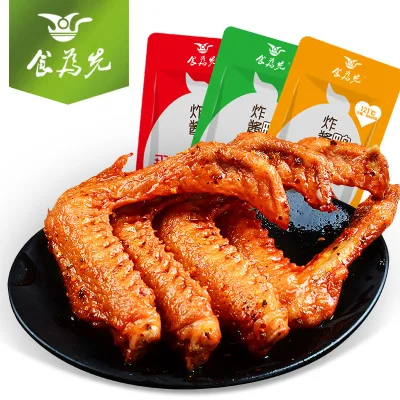
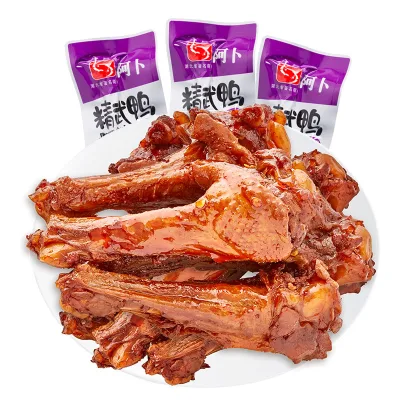


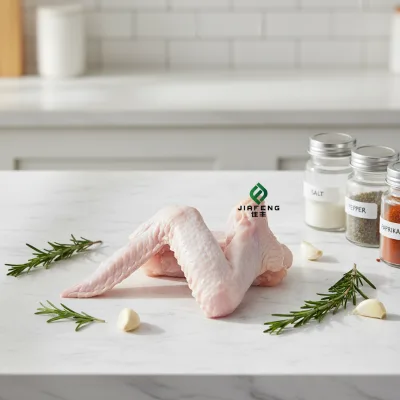


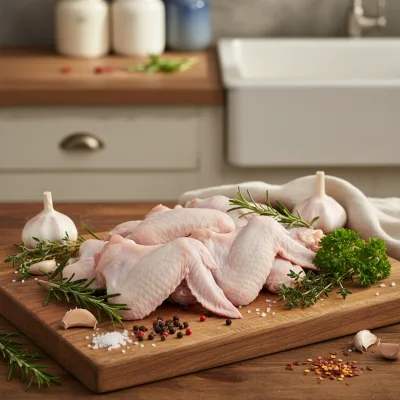
Comprehensive Sourcing Guide
Halal Grade A Duck Wings Sourcing Guide
Sourcing high-quality duck wings requires a disciplined approach to verifying both the biological grade and the religious compliance of the supply chain. The term "halal" indicates that the product adheres to Islamic dietary laws, which involves specific slaughter methods and processing conditions free from prohibited substances. Simultaneously, "Grade A" typically denotes superior physical quality, such as intact skin, uniform size, and minimal defects, which is critical for premium retail or food service applications. Buyers must understand that these two attributes—religious compliance and physical grading—are distinct verification points that require separate documentation and inspection protocols.
The market for marinated and processed duck products, including spicy and braised varieties, offers a wide range of options that may or may not meet strict halal standards. While many suppliers offer duck wings in various forms, such as fried, braised, or raw, the presence of flavorings like spicy sauces or beef jerky-style seasonings introduces complexity regarding ingredient sourcing and cross-contamination risks. Procurement teams must carefully distinguish between products that are inherently halal-compliant and those that may contain non-compliant additives or be processed in facilities that handle prohibited ingredients. This distinction is vital for maintaining brand integrity and ensuring that the final product meets the expectations of end consumers who adhere to dietary restrictions.
Product Scope and Observed Listing Signals
The current market landscape for duck wings includes a diverse array of processed and unprocessed items, ranging from raw frozen wings to ready-to-eat snacks. Observed listings indicate a significant presence of marinated duck products, including spicy-flavored wings and braised varieties, which are often packaged in boxes or bags for retail distribution. These products frequently feature specific model numbers and packaging specifications, such as 1kg boxes or 2kg cartons, and may include additional details like single package sizes and gross weights. Buyers should note that some listings may contain conflicting information, such as references to beef jerky or chicken wings, which necessitates careful verification of the actual product content before placing orders.
Price and minimum order quantity (MOQ) ranges vary widely, reflecting the diversity of product types and supplier capabilities. Prices can range from low-cost bulk items to premium packaged goods, while MOQs may start as low as one unit for sampling or rise to thousands for full container loads. This variability suggests that buyers can access both small-batch specialty items and large-scale commodity supplies, depending on their volume requirements. However, the wide range of offerings also implies that not all suppliers provide the same level of quality or compliance. It is essential for buyers to correlate price points with the specific grade and certification claims to avoid overpaying for lower-quality goods or underestimating the costs associated with verified halal and Grade A products.
Technical Specifications to Verify
Technical verification begins with confirming the physical attributes of the duck wings, including size, weight, and packaging integrity. Buyers should request detailed specifications regarding the number of pieces per kilogram, as this directly impacts portion control and cost efficiency. For instance, some suppliers may offer wings with specific counts per 2kg carton, while others may provide bulk packages with varying weights. Additionally, the texture and flavor profile, such as spicy or braised, must be clearly defined to ensure they align with the buyer’s product requirements. It is crucial to verify that the product description matches the actual item, as some listings may contain inaccuracies regarding the material type or processing method.
Packaging and storage requirements are equally important for maintaining product quality and safety. Buyers should confirm the packaging material, such as trays, cartons, or bags, and ensure that it provides adequate protection during transit and storage. The shelf life of the product, typically around 12 months for many processed duck items, should be clearly stated and verified against the production date. Furthermore, storage conditions, such as dry and cool environments or frozen states, must be specified to prevent spoilage and maintain the Grade A quality. Buyers should also inquire about the single gross weight and net weight to accurately calculate logistics costs and inventory management requirements.
Compliance and Safety Documentation
Halal certification is a non-negotiable requirement for buyers targeting Muslim markets or consumers who adhere to Islamic dietary laws. Buyers must request valid halal certificates from recognized certification bodies, ensuring that the certificate covers the specific product line and manufacturing facility. It is essential to verify that the certification is current and that the supplier has a robust internal control system to maintain compliance throughout the production process. This includes verifying that the slaughter method, ingredient sourcing, and processing equipment are all compliant with halal standards. Buyers should also be aware that some products may be labeled as halal but lack proper documentation, which poses a significant risk to brand reputation and legal compliance.
In addition to halal certification, buyers should seek other relevant safety and quality certifications, such as ISO, to ensure that the supplier adheres to international quality management standards. These certifications indicate that the supplier has implemented systematic processes for quality control, hazard analysis, and continuous improvement. Buyers should also request product test reports, including microbiological and chemical analysis, to verify that the duck wings meet safety standards for contaminants and pathogens. It is crucial to ensure that the supplier provides transparent and accurate documentation, as any discrepancies can lead to regulatory issues and product recalls. Buyers should also verify that the supplier complies with local and international food safety regulations, such as HACCP or GMP, to further mitigate risks.
Cost Drivers and Commercial Terms
The cost of Halal Grade A Duck Wings is influenced by several factors, including the quality of the raw material, processing methods, and packaging requirements. Grade A wings, which are free from defects and have uniform size, typically command a higher price than lower-grade alternatives. Additionally, processed products, such as marinated or fried wings, incur higher costs due to the added value of flavoring and cooking. Buyers should also consider the cost of halal certification, which may be passed on to the buyer or absorbed by the supplier depending on the commercial agreement. Understanding these cost drivers is essential for accurate budgeting and negotiating favorable terms with suppliers.
Commercial terms, including payment methods, delivery schedules, and return policies, play a significant role in the overall procurement strategy. Buyers should negotiate clear terms regarding payment, such as letters of credit or advance payments, to manage financial risk. Delivery schedules should be aligned with the buyer’s inventory needs, taking into account lead times and potential delays. It is also important to establish clear return policies for products that do not meet the agreed-upon quality or compliance standards. Buyers should ensure that the contract includes provisions for dispute resolution and liability in case of non-compliance or quality issues, providing a safety net for potential problems.
Supplier Qualification and Quality Control
Supplier qualification is a critical step in ensuring the reliability and consistency of the supply chain. Buyers should conduct thorough due diligence on potential suppliers, including site visits and audits, to verify their production capabilities, quality control systems, and compliance with halal standards. It is essential to assess the supplier’s track record, including their history of delivering on time and meeting quality expectations. Buyers should also evaluate the supplier’s ability to scale production to meet increasing demand without compromising quality or compliance. This assessment helps to identify suppliers who are capable of long-term partnership and consistent performance.
Quality control measures should be implemented throughout the production and delivery process to ensure that the duck wings meet the specified Grade A standards. Buyers should request regular quality reports and conduct independent inspections, particularly for high-volume orders. It is important to establish clear acceptance criteria for product quality, including visual inspection, weight verification, and packaging integrity. Buyers should also implement a system for tracking and addressing any quality issues, such as defects or contamination, to prevent recurrence. By maintaining rigorous quality control standards, buyers can ensure that the final product meets the expectations of end consumers and maintains brand integrity.
Long-Term Procurement Checks
Long-term procurement success depends on continuous monitoring and evaluation of supplier performance. Buyers should establish key performance indicators (KPIs) to track supplier reliability, quality consistency, and compliance with halal standards. Regular reviews of supplier performance, including on-time delivery rates and defect rates, help to identify areas for improvement and address potential issues proactively. Buyers should also maintain open communication with suppliers to foster a collaborative relationship and address any concerns promptly. This ongoing engagement helps to build trust and ensures that both parties are aligned on quality and compliance expectations.
As market conditions and regulatory requirements evolve, buyers must stay informed about changes that may impact their procurement strategy. This includes monitoring updates to halal certification standards, food safety regulations, and industry best practices. Buyers should also assess the impact of external factors, such as supply chain disruptions or price fluctuations, on their sourcing decisions. By staying agile and responsive to changes, buyers can mitigate risks and maintain a competitive advantage in the market. Continuous improvement and adaptation are essential for long-term success in sourcing Halal Grade A Duck Wings, ensuring that the supply chain remains robust, compliant, and cost-effective.
FAQs
What is the shelf life of these marinated duck wings?
The shelf life is 12 months when stored correctly. You must keep the product in a dry and cool environment to maintain quality. This ensures the spicy flavor and semi-soft texture remain intact until consumption. Always check the packaging date for freshness assurance.
Can I customize the packaging for bulk orders?
Customization is available for bulk purchases. The standard packing is a box, but you can request specific arrangements. This flexibility supports various distribution needs. Contact the supplier to discuss your specific packaging requirements and ensure the product arrives safely.
What is the minimum order quantity for these snacks?
The minimum order quantity ranges from 1 to 3000 units. This wide range accommodates both small trial orders and large commercial shipments. You can select the quantity that best fits your inventory needs. Check with the supplier for exact MOQs based on your chosen specification.
Where are these duck wings manufactured?
These products originate from Linqu County, Weifang City, Shandong Province, China. This region is known for its poultry processing capabilities. The origin ensures traceability and quality control. Buyers can verify the source to align with their sourcing preferences and logistical planning.
What certifications do these duck wing products hold?
The products hold ISO certification. This indicates adherence to international quality management standards. Grade A quality is also specified, ensuring high standards. These credentials provide assurance of safety and consistency for B2B buyers sourcing reliable meat snacks.
How should I store the marinated duck wings?
Store the product in a dry and cool place. This storage type preserves the spicy flavor and texture. Avoid exposure to moisture or high temperatures. Proper storage extends the 12-month shelf life and maintains the product's integrity for immediate consumption or later use.