Source Hand Carved Solid Human Statue for Garden Church Home
Compare 30 listings of Hand Carved Solid Human Statue from verified Chinese manufacturers. Options include white and gray marble figures with polished finishes, customized sizes, and seaworthy wooden crate packaging for global delivery.
Key considerations
Products List


Natural Stone White Marble Monument Sculpture Angel Sculpture Statue
$1000.00 - $3000.00
MOQ: 1 Pieces
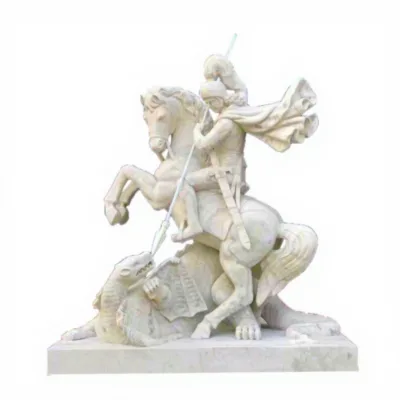
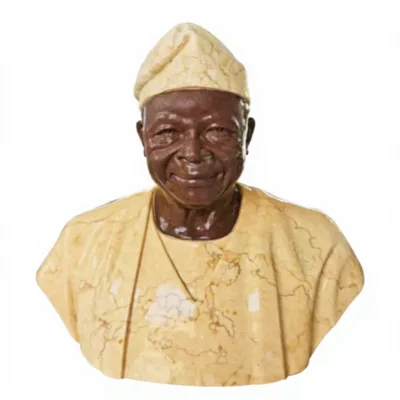

Hand Carved Natural Stone Marble Sculpture Angel Statue for Decoration
$1200.00 - $4500.00
MOQ: 1 Pieces


Hand Carved Angel Statue with Cross Headstone Marble Angel Tombstone
$1200.00 - $5800.00
MOQ: 1 Pieces


Life Size Hand Carved Natural Stone Carving White Marble Bag Sculpture Statue
$300.00 - $500.00
MOQ: 1 Pieces


Natural Stone Carving Beautiful Figure Statue for Home/Garden Decoration
$1000.00 - $2000.00
MOQ: 1 Pieces


Comprehensive Sourcing Guide
Sourcing Guide for Hand Carved Solid Human Statues
Procuring hand-carved solid human statues requires a nuanced understanding of artisanal craftsmanship, material science, and supply chain logistics. Unlike mass-produced replicas, these items represent a convergence of artistic heritage and industrial precision. The market for such artifacts is diverse, ranging from religious icons and garden ornaments to high-end interior design pieces. Buyers must navigate a landscape where "hand-carved" is a critical descriptor that dictates both the aesthetic value and the operational complexity of the procurement process. This guide outlines the essential factors for sourcing these items, focusing on technical specifications, material integrity, and supplier reliability without relying on unverified claims.
Technical Specifications and Material Integrity
The foundation of any hand-carved statue lies in its material composition and the specific techniques employed during its creation. In the context of the current market, marble is a dominant material, often cited alongside granite and other stone varieties. The specific product attributes observed indicate that "Marble" is a primary material, though suppliers frequently offer options including "Marble stone granite etc." This variability necessitates a clear definition of the stone type before ordering, as the density, porosity, and workability of marble differ significantly from granite.
The craftsmanship is a defining technical specification. The term "Hand-Made" and "Hand Carved" appear repeatedly in product data, suggesting that the primary shaping process involves manual tools rather than CNC machining. This distinction is vital for buyers seeking authentic artisanal value. The finishing process is equally critical; observed data points to "Polished," "Honed," and "Polishing + Honed" as standard surface treatments. A polished surface offers a high-gloss, reflective finish that highlights the stone's grain, while a honed finish provides a softer, matte texture. Buyers should verify which specific finish is applied to the final product, as this affects both the visual appeal and the maintenance requirements.
Furthermore, the dimensional specifications are often flexible. The data indicates "Customized Size" and "Model Number: custom" as standard offerings. This implies that the procurement process involves a design phase where the buyer provides dimensions or a 3D model, which the supplier then translates into a physical object. The "Single package size" varies significantly, with observed ranges from 60x30x80 cm to 150x80x150 cm, reflecting the scale of the statues. Weight is another critical technical parameter, with observed single gross weights ranging from 40 kg to 150 kg. These figures are essential for calculating shipping costs and determining the structural requirements of the installation site.
Compliance, Certification, and Safety Standards
While the provided product data does not list specific third-party certifications, the procurement of stone statues involves several implicit compliance areas. The "Place of Origin" is identified as Hebei, China, a region known for its stone processing industry. Buyers must verify that the sourcing process adheres to international labor standards, particularly regarding the safety of the artisans involved in the hand-carving process. Although specific certification names are not provided in the source data, the presence of "Online Technical Support" and "Onsite Installation" suggests a level of corporate structure that should align with standard business compliance.
Safety compliance is paramount for statues intended for public or commercial spaces. The "Application" list includes "Outdoor," "Hotel," "School," "Mall," and "Cemetery." For outdoor applications, the stone must demonstrate resistance to weathering, freeze-thaw cycles, and pollution. Buyers should request technical data sheets that confirm the stone's durability ratings, specifically regarding water absorption and compressive strength. For indoor applications, particularly in schools or hospitals, the surface finish must be non-toxic and free from harmful dust or particulates. The "Feature: Eco-friendly" attribute mentioned in the data suggests that some suppliers may adhere to environmental standards, but buyers should verify this through specific environmental management system certifications rather than relying on general marketing claims.
Cost Drivers and Pricing Dynamics
The pricing of hand-carved solid human statues is influenced by a complex interplay of factors. The observed price range in the market spans from 100 to 10,000 USD, a wide spectrum that reflects differences in size, material quality, and the intricacy of the carving. The primary cost driver is the labor intensity of the "Hand Carved" process. Unlike machine-cut stones, hand-carved statues require skilled artisans to spend days or weeks on a single piece. The "Technical: 100% Hand Carved" attribute reinforces that the labor cost is a significant portion of the final price.
Material costs also play a substantial role. High-quality marble, particularly in specific colors like "White," "Beige," or "Deep Red," commands a premium. The "Color" options listed include a wide variety such as "Gray, Black, Copper, Golden," and "Gun Metal," indicating that the availability of specific stone hues can impact pricing. Additionally, the "Customized" nature of the product means that unique designs require additional engineering and design time, which is often factored into the cost.
The "MOQ: 1 Set" indicates a low barrier to entry for individual buyers, yet the logistics of shipping a 150 kg item can significantly affect the total landed cost. The "Package: Seaworthy Strong Wooden Crates" is a necessary but costly component of the supply chain. Buyers should factor in the cost of custom crating, which is designed to protect the fragile stone during transit, especially given the "Single gross weight" of up to 150 kg. The "Warranty: 1 Year" suggests that the supplier assumes some risk, which may be reflected in the pricing structure to cover potential returns or replacements.
Typical Applications and Design Styles
The versatility of hand-carved human statues allows them to serve a vast array of applications. The data highlights usage in "Home Decoration," "Garden Decoration," "Indoor," and "Outdoor" settings. Specific locations mentioned include "Living Room," "Hotel," "Villa," "Church," "Temple," and "Cemetery." This broad applicability means that the design style must be carefully selected to match the intended environment.
The "Style" attribute includes "Antique" and "Modern," indicating that buyers can source statues that fit either traditional or contemporary aesthetics. The "Design Style: Modern" and "Product: Marble Figure Statue Angels Design" suggest that religious and figurative themes are common. The "Statue Type" list further expands this to include "Animal Statue," "Buddha Statue," "Figure Statue," and "Head Sculpture." For commercial applications like hotels or malls, the "Feature: Lifelike" attribute is crucial, as these statues often serve as focal points for art collectibles. In religious contexts, the "Application: TEMPLE, Church" requires a level of reverence and precision that often demands a higher degree of craftsmanship.
The "Project Solution Capability" listed includes "graphic design," "3D model design," and "total solution for projects." This suggests that for large-scale installations, such as in a "Park" or "Courtyard," suppliers can provide comprehensive services from concept to installation. This is particularly relevant for "Cross Categories Consolidation," where a buyer might need multiple statues for a single project, requiring a unified design language.
Supplier Evaluation and Verification
Selecting a reliable supplier is the most critical step in the procurement process. The "Brand Name: cnbdglory" is observed in the data, but buyers should not limit their search to a single entity. Instead, they should evaluate suppliers based on their "Project Solution Capability" and "After-sale Service." The latter includes "Onsite Installation," "Onsite Training," and "Onsite Inspection," which are strong indicators of a supplier's confidence in their product and their commitment to customer satisfaction.
Buyers should verify the "Craft: Hand carving" claim by requesting video evidence or detailed photographs of the production process. The distinction between "Hand-Made" and "Machine-Assisted" is often blurred in marketing, so visual verification is essential. The "Single package size" and "Single gross weight" data should be cross-referenced with the supplier's logistics capabilities to ensure they can handle the specific dimensions and weight of the order.
Furthermore, the "After-sale Service" options such as "Free Spare Parts" and "Return and Replacement" provide a safety net for buyers. However, the "N/A" entries in some service categories suggest that not all suppliers offer the full range of support. Buyers must clarify these limitations before finalizing a contract. The "Place of Origin: Hebei, China" is a common source, but buyers should verify the specific factory location to ensure it aligns with their ethical sourcing requirements.
Quality Control and Long-Term Procurement
Quality control for hand-carved statues involves rigorous inspection at multiple stages. The "Surface Treatment: Polished" and "Finishing: Polished + Honed" must be inspected for consistency, ensuring there are no tool marks, uneven gloss, or structural flaws. The "Feature: Lifelike" attribute requires a visual assessment of the anatomical accuracy and the emotional expression of the figure. For "Marble" statues, checking for natural fissures or discoloration is part of the quality assurance process.
Long-term procurement considerations include the durability of the finish and the maintenance requirements. The "Usage: Decoration" implies that the statues may be exposed to environmental factors, especially in "Outdoor" settings. Buyers should inquire about the specific sealing treatments applied to the stone to protect against staining and weathering. The "Warranty: 1 Year" is a standard period, but buyers should negotiate extended terms for high-value projects.
The "Customized" nature of the product means that the procurement cycle is longer than for off-the-shelf items. The "Lead time" is not explicitly stated in the data, but the complexity of "Hand Carving" suggests a significant production duration. Buyers should plan for this timeline and include buffer periods for shipping and installation. The "Project Solution Capability" indicates that suppliers can manage the entire process, but the buyer must maintain clear communication to ensure the final product meets the "Customized Size" and design expectations.
Summary of Key Procurement Parameters
To facilitate a streamlined decision-making process, the following table summarizes the critical parameters observed in the market for hand-carved solid human statues.
| Parameter | Observed Range/Options | Procurement Verification Requirement |
|---|---|---|
| Material | Marble, Granite, Stone | Verify stone type and origin; request density specs. |
| Craftsmanship | Hand-Made, Hand Carved, 100% Hand Carved | Request video proof of manual carving process. |
| Surface Finish | Polished, Honed, Polished + Honed | Inspect sample for gloss consistency and texture. |
| Size | Customized, 60x30x80 cm to 150x80x150 cm | Confirm exact dimensions and weight (40-150 kg). |
| Packaging | Seaworthy Strong Wooden Crates | Verify crate dimensions and weight limits for shipping. |
| MOQ | 1 Set | Confirm if bulk discounts apply for multiple units. |
| Warranty | 1 Year | Clarify coverage for shipping damage and structural defects. |
| Application | Indoor, Outdoor, Religious, Commercial | Ensure stone durability matches the intended environment. |
By adhering to these guidelines and verifying the specific attributes against the supplier's capabilities, buyers can secure high-quality hand-carved solid human statues that meet their aesthetic and functional requirements. The focus on "Hand Carved" techniques and "Customized" specifications ensures that the final product is a unique piece of art, rather than a generic commodity.
FAQs
What material is used for hand carved solid human statues?
Marble is the primary material used, though granite and other stone varieties are also available. Buyers must specify the exact stone type as density and workability differ significantly between marble and granite.
How are these statues finished and what surface treatments apply?
Statues undergo polishing and honing processes to achieve the desired surface texture. A polished finish offers a high-gloss look while a honed finish provides a softer, matte appearance suitable for various applications.
Can I order custom sizes for these hand carved statues?
Yes, customized sizes and model numbers are standard offerings for these products. The procurement process involves a design phase where buyers provide dimensions or 3D models for the supplier to execute.
What is the typical packaging and weight for shipping?
Items are packed in strong wooden crates to ensure seaworthy protection during transit. Single gross weights range from 40 kg to 150 kg depending on the specific statue dimensions and material density.
Which locations are suitable for installing these stone statues?
These statues are suitable for both indoor and outdoor locations including hotels, gardens, churches, and cemeteries. Buyers should verify weather resistance ratings for outdoor installations to ensure long-term durability.
What is the minimum order quantity for these statues?
The minimum order quantity is one set, allowing for individual purchases. This low barrier to entry facilitates sourcing for single projects or small-scale decorative installations without bulk requirements.
How is the hand carving technique verified for authenticity?
Authenticity is confirmed through the 100% hand-carved attribute and visual inspection of the production process. Buyers should request video evidence or detailed photos to distinguish manual carving from machine-assisted methods.