Source Hand Cream for Moisturizing, Whitening, and Nourishing
Find 30 Hand Cream options from Chinese manufacturers offering OEM and private label services. Compare specifications including sizes from 30ML to 200ML, certifications like FDA and GMP, and customization features for adult and all-age demographics.
Key considerations
Products List


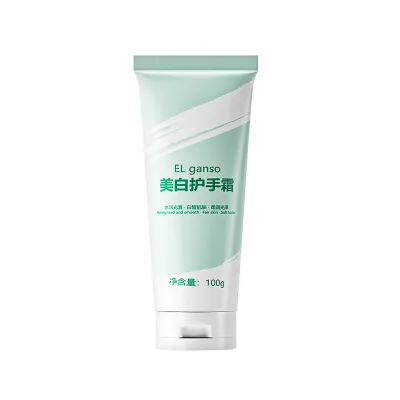
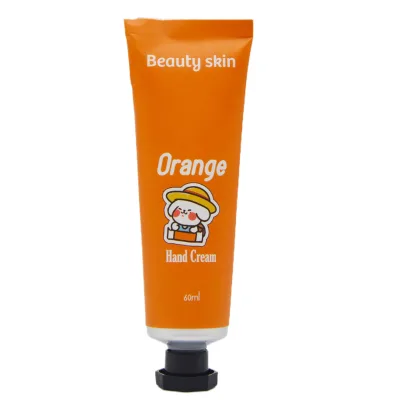


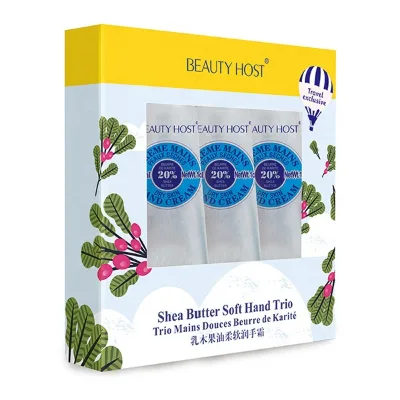
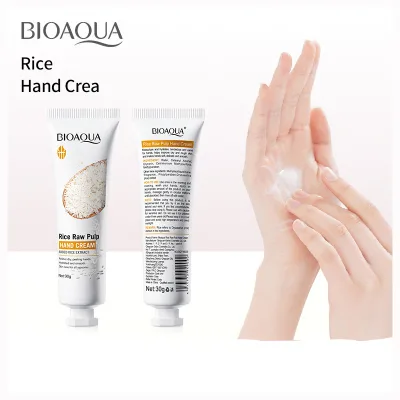


Comprehensive Sourcing Guide
Strategic Sourcing Guide for Hand Cream Procurement
Navigating the global market for Hand Cream requires a disciplined approach that balances technical specifications, regulatory compliance, and supply chain reliability. For procurement professionals, the category presents a diverse landscape ranging from basic moisturizers to specialized formulations with active ingredients. The following guide synthesizes available market data to help buyers evaluate potential suppliers and define precise product requirements without relying on unverified claims.
Defining Technical Specifications and Formulation
The foundation of a successful Hand Cream procurement begins with clearly defined technical specifications. The market data indicates a wide variance in product models and standard capacities, suggesting that buyers must specify their needs with precision to avoid mismatched expectations. Observed product standards include specific volume measurements such as 30ML, 35ML, 50ML, and 200ML, alongside weight-based standards like 30g, 100g, 200g, and 300g. This diversity implies that the supply chain supports both travel-sized units and bulk retail packaging.
When evaluating product models, buyers should note that identifiers such as HC051, HC101, and HC287 exist within the current inventory. However, these model numbers are not universal; they often correspond to specific supplier SKUs or private label configurations. Furthermore, the "OEM or ODM" designation appears as a model specification in some listings, indicating that the product structure itself may be flexible based on the manufacturing agreement.
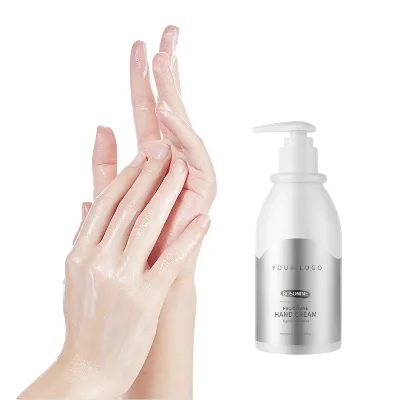
The physical attributes of the Hand Cream are equally critical. The primary container material observed is the plastic bottle, which offers durability and cost-efficiency. Packaging configurations vary significantly, with options including standard cartons, boxes, and bulk units defined as 48 pieces per carton. For buyers concerned with logistics, the single package size is recorded at 11.5 x 16.5 x 2.3 cm, a dimension that is essential for calculating container loading and shipping volume.
Ingredient profiles also play a pivotal role in product differentiation. Common ingredients identified in the market include hyaluronic acid, mineral components, and other unspecified additives. The functional claims associated with these formulations focus on nourishing and moisturizing properties, with some products specifically highlighting whitening capabilities. Fragrance profiles range from natural scents to distinct floral notes, and the age group targeted can be either adults or all ages, necessitating careful selection based on the intended demographic.
Compliance and Certification Verification
In the cosmetics and personal care sector, regulatory compliance is non-negotiable. The supply data reveals a complex matrix of certifications that suppliers may or may not hold. Buyers must verify that their chosen supplier possesses the specific certifications required for their target market. The observed certifications include FDA, GMP, MSDS, SGS, FSC, SASO, CE, ISO, RoHS, CCC, and QS.
It is crucial to understand that the presence of a certification in a general product listing does not guarantee that every SKU from that supplier holds that status. For instance, while FDA and GMP are frequently cited, other listings mention certifications like CE, ISO, and RoHS, which are more common in industrial or electronic contexts but may appear in broader supplier profiles. The MSDS (Material Safety Data Sheet) is a recurring requirement, essential for shipping safety and regulatory compliance in many jurisdictions.
Buyers should prioritize suppliers who can provide up-to-date documentation for the specific batch they intend to purchase. The "Without Disinfection" attribute observed in some product descriptions suggests that certain hand creams are not marketed as medical-grade disinfectants, which impacts their regulatory classification. Consequently, procurement teams must ensure that the product's intended use aligns with its certification status to avoid legal or customs issues.
Cost Drivers and Pricing Dynamics
Understanding the cost structure of Hand Cream procurement requires an analysis of the observed price ranges and minimum order quantities (MOQ). The market data indicates a listed price range of $0.07 to $2.99 USD. This wide variance is likely driven by factors such as ingredient quality, packaging complexity, certification costs, and order volume.
MOQs are a significant determinant of unit cost. The observed MOQ range spans from 1 to 30,000 units. Some suppliers may offer low MOQs, such as 5000 pieces, while others might have higher thresholds or, conversely, accept small orders as a competitive advantage. The "Accept Small Orders" attribute suggests that flexibility in order size is a viable negotiation point for buyers who are testing the market or have limited storage capacity.
Additional cost factors include customization and OEM services. The availability of OEM and ODM services allows for branding and formulation changes, which typically incur setup fees or higher unit costs compared to standard off-the-shelf products. The "Sample" availability, often listed as free or available, is a standard practice that allows buyers to verify quality before committing to a large order, though shipping costs for samples may apply.
Typical Applications and Market Segmentation
Hand creams serve a broad spectrum of applications, from daily personal care to professional use in healthcare and hospitality. The product attributes indicate segmentation by gender and age. While some products are explicitly targeted at females, others are designed for "All Ages," making them suitable for unisex marketing or family-oriented product lines.
The functional claims of "Nourishing" and "Moisturizing" align with general skincare needs, while "Whitening" targets specific aesthetic concerns prevalent in certain regional markets. The "Floral" and "Natural" fragrance options cater to consumer preferences for sensory experiences, which can be a key differentiator in competitive retail environments.
In a B2B context, hand creams are often procured for private labeling, where the supplier manufactures the product under the buyer's brand. The "Hand Cream Private Label" designation confirms this capability. Additionally, the "OEM Moisturizing Hand Cream" and "OEM or ODM" model specifications suggest that the supply chain is robust enough to support custom branding, packaging, and formulation adjustments for corporate gifting, hotel amenities, or retail distribution.
Supplier Evaluation and Origin Analysis
Geographic origin is a critical factor in supplier evaluation, as it influences lead times, shipping costs, and regulatory familiarity. The data points to China as the primary origin, with specific provinces mentioned including Zhejiang, Hangzhou, and Guangdong. These regions are known for their manufacturing clusters in the cosmetics and packaging industries.
When evaluating suppliers, buyers should look for evidence of "Supply Type: OEM/ODM" to ensure the manufacturer has the infrastructure for custom production. The "Customization: Available" attribute further supports the ability to tailor products to specific brand requirements. However, buyers must verify the specific capabilities of the supplier rather than assuming all listed attributes apply to every product.
The lead time for mass production is a vital operational metric. The observed delivery time is 20-25 days, which should be factored into inventory planning. Buyers should also consider the shelf life, which is recorded as two years, ensuring that the product remains viable for distribution and retail sale upon arrival.
Quality Control and Long-Term Procurement
Quality control (QC) is paramount in the cosmetics industry to ensure product safety and consistency. The presence of certifications like GMP (Good Manufacturing Practice) and SGS (Société Générale de Surveillance) indicates that the supplier adheres to certain quality standards. However, buyers should not rely solely on these labels; they must implement their own QC protocols, including pre-shipment inspections and batch testing.
The "Shelf Life: Two Years" attribute provides a baseline for product longevity, but buyers should verify the expiration date on the specific batch received. Proper storage conditions are essential to maintain the integrity of the moisturizing and nourishing properties.
For long-term procurement, establishing a relationship with a supplier that offers "Free Sample" availability and "Accept Small Orders" can mitigate risk. This flexibility allows for iterative testing and scaling. The "Carton" and "Box" packaging options offer versatility in how the product is presented to the end consumer, which can be adjusted based on market feedback.
Comparative Analysis of Product Attributes
To facilitate decision-making, the following table summarizes the key attributes observed in the Hand Cream market, highlighting the variability that buyers must navigate.
| Attribute Category | Observed Values | Procurement Consideration |
|---|---|---|
| Standard Capacity | 30ML, 35ML, 50ML, 200ML, 30g, 100g, 200g, 300g | Define exact volume/weight requirements to match logistics and pricing. |
| Certifications | FDA, GMP, MSDS, SGS, CE, ISO, RoHS, CCC, QS, FSC, SASO | Verify specific certs for target market; do not assume all apply to all SKUs. |
| Packaging | Plastic Bottle, Carton, Box, 48PCS/CTN | Check compatibility with existing distribution channels and shelf display. |
| MOQ | 1 to 30,000 units (e.g., 5000PCS) | Negotiate based on volume; low MOQs may carry higher unit costs. |
| Origin | China (Zhejiang, Hangzhou, Guangdong) | Factor in lead times (20-25 days) and shipping logistics. |
| Function | Nourishing, Moisturizing, Whitening | Align with brand positioning and consumer demand. |
| Ingredients | Hyaluronic acid, Mineral, Other | Confirm ingredient safety and allergen information for target demographics. |
| Fragrance | Floral, Natural | Ensure scent profile matches brand identity and regional preferences. |
| Lead Time | 20-25 Days (Mass Production) | Plan inventory replenishment cycles accordingly. |
| Shelf Life | Two Years | Calculate sell-through rates to avoid expiration issues. |
Conclusion
Sourcing Hand Cream effectively requires a meticulous approach that respects the complexity of the supply chain. Buyers must move beyond generic product descriptions and engage in detailed verification of specifications, certifications, and supplier capabilities. The observed data provides a framework for understanding the market's diversity, from the 30ML to 300g capacity range and the spectrum of certifications from FDA to ISO. By focusing on technical alignment, regulatory compliance, and clear communication with suppliers in China, procurement professionals can secure high-quality Hand Cream products that meet their specific business needs while managing risk and cost effectively. The flexibility of OEM/ODM services and the availability of samples further empower buyers to make informed decisions that support long-term growth and brand integrity.
FAQs
What certifications are available for Hand Cream suppliers?
Suppliers offer various certifications including FDA, GMP, MSDS, SGS, and CE. Buyers must verify specific certifications for their target market as not every SKU holds all listed statuses.
How much does Hand Cream cost per unit?
The observed price range is between 0.07 and 2.99 USD. Costs vary based on ingredient quality, packaging complexity, and order volume negotiated with the manufacturer.
Can I order Hand Cream with custom branding?
Yes, OEM and ODM services are available for custom branding and formulation. Buyers should confirm customization details and potential setup fees before placing an order.
What is the minimum order quantity for Hand Cream?
MOQs range from 1 to 30,000 units depending on the supplier. Some vendors accept small orders while others require quantities like 5000 pieces for production runs.
Where are Hand Cream manufacturers located?
Most manufacturers are located in China, specifically in Zhejiang, Hangzhou, and Guangdong. These regions offer established clusters for cosmetics and packaging manufacturing.
How long does production take for Hand Cream?
Mass production typically requires 20 to 25 days for delivery. Buyers should factor this lead time into their inventory planning and shipping schedules.
What specifications are available for Hand Cream capacity?
Available standards include volumes like 30ML, 50ML, and 200ML, or weights like 30g and 300g. Buyers must specify exact capacity to ensure product alignment.