Source Modern Luxury Ceramic Vase for Home Decor, Gifts, and Centerpieces
Explore 30 listings for the Modern Luxury Ceramic Vase, comparing styles like simple and creative designs suitable for desktop use. Buyers can evaluate transparent and multicolor options with customizable logos and various sizes for home furnishing applications.
Key considerations
Products List


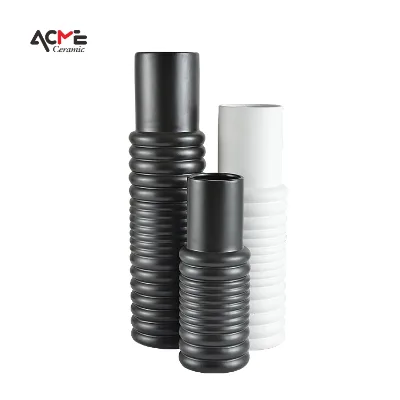
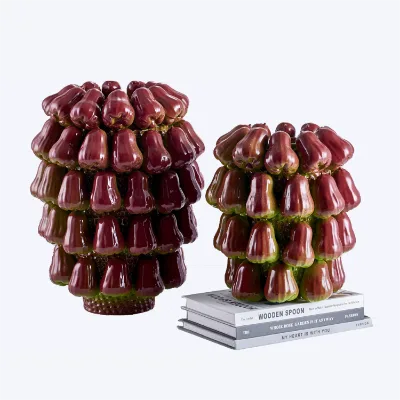
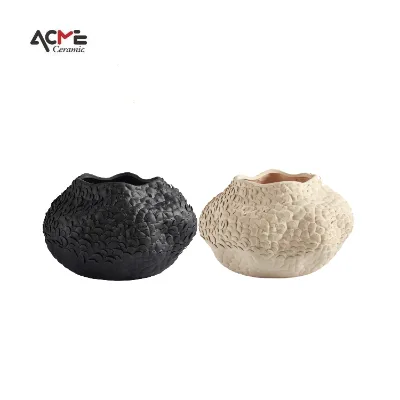


Round Ceramic Decorative Vase Custom Gift Flower Vase Modern Ceramic Vase
$1.00 - $3.00
MOQ: 3000 Pieces

Modern Ceramic Art Vase Ceramic Hand Flower Vase Unique Gift Porcelain Vase
$1.00 - $3.00
MOQ: 3000 Pieces

Luxury Decoration Ceramic Vase Custom Hand Painted Vase High Quality Flower Vase
$1.50 - $3.00
MOQ: 3000 Pieces


Black Decorative Vase Custom Color Ceramic Tall Vase Modern Flower Vase
$1.00 - $3.00
MOQ: 3000 Pieces

High Quality Modern Ceramic Vase Custom Decorative Ceramic Vase Minimalist Ceramic Flower Vase
$1.50 - $3.00
MOQ: 3000 Pieces

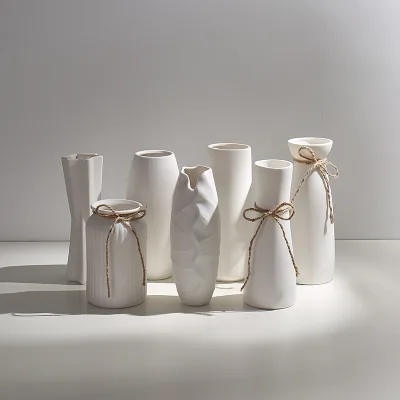


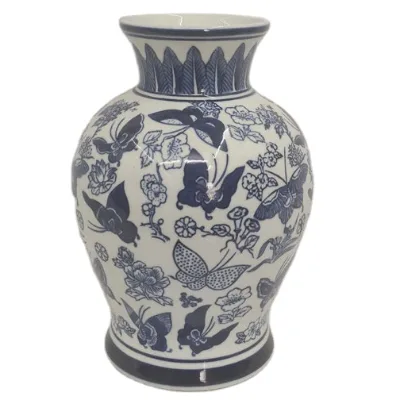
Flower Vase Blue and White Ceramic, New, Vintage, Chinese, Decorative Home
$9.01 - $33.48
MOQ: 300 Minimum


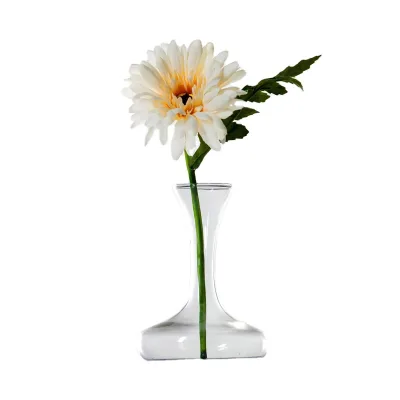


Ceramic Vase Set Simple White Unglazed Ceramic Vase Crafts Decoration Ornaments
$2.70 - $2.80
MOQ: 100 Pieces
Comprehensive Sourcing Guide
Modern Luxury Ceramic Vase Sourcing Guide
Sourcing high-end ceramic vases requires a nuanced understanding of material properties, aesthetic trends, and manufacturing capabilities. The modern luxury segment is defined by a blend of minimalist design, premium finishes, and structural integrity that distinguishes it from mass-market decorative items. Buyers must navigate a landscape where "luxury" is often a marketing term, necessitating rigorous verification of material composition, glaze quality, and production methods to ensure the final product meets premium expectations. This guide provides a structured approach to evaluating suppliers and products in this category, focusing on evidence-based decision-making rather than subjective aesthetic preferences.
The procurement process for these items involves balancing artistic expression with industrial scalability. While many suppliers offer OEM and ODM services, allowing for significant customization, the core challenge lies in maintaining consistency across large orders. Buyers need to establish clear specifications regarding dimensions, color fidelity, and surface texture before initiating production. This guide outlines the critical steps for verifying product scope, technical specifications, compliance requirements, cost structures, supplier qualifications, and long-term quality assurance protocols.
Product Scope and Observed Listing Signals
The observed product landscape for modern luxury ceramic vases reveals a diverse range of styles, from simple geometric forms to creative, irregular shapes. Listings frequently highlight attributes such as "Hand Made" or "Creative" styles, indicating a focus on artisanal quality and unique design elements. However, it is crucial to distinguish between truly handcrafted pieces and those produced via mechanical methods with hand-finished details. The presence of both "Simple" and "Creative" style tags suggests that the market caters to varying interior design trends, requiring buyers to clearly define their target aesthetic to avoid misalignment with supplier capabilities.
Material composition is a primary differentiator in this category, with glass and ceramic being the most commonly observed materials. While the core keyword specifies ceramic, many listings include glass vases, which may indicate that suppliers offer a broader range of decorative home furnishings. Buyers should verify that the supplier specializes in ceramic production if that is their specific requirement, as the manufacturing processes, glazing techniques, and quality control metrics for glass and ceramic differ significantly. The observed use of "Transparent" glaze types and "Multicolor" options further expands the scope, suggesting that suppliers are equipped to handle complex visual requirements.
Technical Specifications to Verify
Dimensional accuracy is a critical technical specification that must be verified through detailed engineering drawings or physical samples. Observed standards include specific measurements such as 14x21.5cm H, 8.81311.5 cm, and Top Dia. 2xW7.5xH13.5cm, among others. These variations highlight the importance of defining precise tolerances for top diameter, bottom diameter, and height. Buyers should request detailed dimension charts for each SKU and confirm that the supplier has the capability to maintain these tolerances consistently across the production run, especially for irregular or creative shapes that may be more challenging to manufacture uniformly.
Surface finish and color consistency are equally important technical aspects. The observed attributes include "Not Coated" finishes and specific color options like White, Black, Chocolate, and Pink. Buyers must verify the glaze type and application method to ensure the desired aesthetic is achieved. For instance, a "Transparent" glaze may reveal the underlying clay body, making the quality of the raw material more visible. Additionally, the "Solid" pattern attribute suggests a focus on uniform coloration, which requires strict control over pigment mixing and firing temperatures. Buyers should request color swatches and finish samples to validate these attributes before placing bulk orders.
Compliance and Safety Documentation
While specific certification statuses for ceramic vases are not universally mandated, buyers should verify any relevant safety and quality certifications provided by suppliers. Observed factory audits include BSCI and FSC, which indicate a commitment to social responsibility and sustainable sourcing practices, respectively. Although FSC is typically associated with wood products, its presence in ceramic supplier audits may suggest a broader commitment to environmental standards or the use of sustainable packaging materials. Buyers should request copies of these audit reports to verify the supplier’s compliance with international labor and environmental standards.
For products intended for specific markets, such as the European Union, buyers may need to verify compliance with REACH regulations regarding chemical substances. Although the confidence level for REACH certification in the observed data is low, it remains a critical consideration for luxury goods sold in regulated markets. Buyers should inquire about the supplier’s ability to provide material safety data sheets (MSDS) and test reports for glazes and pigments to ensure they are free from harmful heavy metals like lead and cadmium. This verification is essential for maintaining brand reputation and avoiding legal liabilities.
Cost Drivers and Commercial Terms
The cost of modern luxury ceramic vases is influenced by several factors, including material quality, production method, and customization level. Observed price ranges vary significantly, reflecting differences in complexity and volume. Buyers should understand that "Hand Made" or "Creative" styles often command higher prices due to the labor-intensive nature of their production. Conversely, mechanically produced items with simple shapes may offer more competitive pricing. It is essential to request detailed cost breakdowns to identify the specific drivers of price, such as raw material costs, glazing expenses, and packaging requirements.
Minimum Order Quantities (MOQs) and payment terms are key commercial considerations. Observed MOQs range from 2 to 5000 units, indicating flexibility for both small boutique orders and large-scale retail purchases. Buyers should negotiate MOQs based on their sales forecast and storage capacity, keeping in mind that lower MOQs may result in higher per-unit costs. Additionally, packaging options such as "Carton," "Brown Box," and "Individual Box" can impact shipping costs and product protection. Buyers should evaluate the trade-off between packaging quality and cost, ensuring that the chosen option provides adequate protection during transit without excessive expense.
Supplier Qualification and Quality Control
Supplier qualification is a critical step in ensuring the reliability and consistency of Modern Luxury Ceramic Vase production. Buyers should verify the supplier’s type of manufacturer, with many observed listings indicating OEM and ODM capabilities. This suggests that the supplier can handle custom designs and branding requirements, which is essential for luxury brands seeking unique products. Buyers should assess the supplier’s design team and production facilities to ensure they have the expertise and equipment necessary to meet specific quality standards.
Quality control processes should be clearly defined and agreed upon before production begins. Observed quality standards include "a-B Grade" or customization according to buyer requirements. Buyers should establish clear acceptance criteria for defects, such as cracks, glaze imperfections, or dimensional deviations. It is recommended to implement a pre-production sample approval process and conduct random inspections during and after production. Additionally, buyers should verify the supplier’s packaging procedures to ensure that products are protected against damage during shipping, given the fragile nature of ceramic items.
Long-Term Procurement Checks
Long-term procurement success depends on establishing a robust relationship with suppliers and implementing continuous improvement processes. Buyers should conduct regular performance reviews to assess supplier reliability, quality consistency, and responsiveness to issues. This includes monitoring on-time delivery rates, defect rates, and communication effectiveness. By maintaining open lines of communication and providing constructive feedback, buyers can foster a collaborative partnership that leads to better product quality and service over time.
Sustainability and ethical sourcing are increasingly important factors in long-term procurement strategies. Buyers should periodically review the supplier’s compliance with social and environmental standards, such as those indicated by BSCI and FSC audits. This not only mitigates risk but also aligns with the values of modern consumers who prioritize ethical production practices. Additionally, buyers should stay informed about emerging trends in ceramic design and manufacturing to ensure their product offerings remain competitive and relevant in the luxury market.
FAQs
What customization options are available for these vases?
Customization is available for these vases, allowing buyers to request specific designs or logos. The products support OEM and ODM development technologies, enabling tailored solutions for home furnishing or decorative purposes without requiring standard inventory constraints.
Which materials are used to manufacture these decorative vases?
The vases are primarily manufactured from glass and ceramic materials. These materials are processed using blown or mechanical methods to achieve various shapes, including round and irregular forms, suitable for everyday home decoration and table centerpieces.
Can I find vases with specific size standards like 25x28cm?
Yes, specific size standards such as 25x28cm H and 14x21.5cm H are available in the product range. These dimensions cater to different storage needs and display requirements, ensuring the vases fit various interior design styles and spatial constraints effectively.
What certifications do the manufacturers hold for these products?
Manufacturers hold BSCI and FSC factory audit certifications for these products. These standards ensure ethical production practices and sustainable sourcing, providing buyers with confidence in the supply chain integrity and quality management systems of the suppliers.
How are these vases packaged for shipping and protection?
The vases are packaged in cartons, brown boxes, or individual boxes depending on the specific order requirements. This packaging ensures safe transport and protection during shipping, maintaining the integrity of the glass or ceramic items until they reach the destination.
What is the typical MOQ for ordering these decorative vases?
The minimum order quantity ranges from 2 to 5000 units based on the specific product and customization needs. This flexible MOQ allows buyers to start with small test orders or scale up to large volume purchases for home furnishing or promotional events.
Which colors are available for the ceramic and glass vases?
Available colors include white, black, chocolate, pink, and multicolor options. These color variations allow buyers to select styles that match their specific interior design themes, ranging from simple solid patterns to creative and hand-made artistic finishes.