Source Handcraft Blow Wedding Flower Vase for Home Decor, Events, and Tabletop Use
Compare 30 Handcraft Blow Wedding Flower Vase options from Chinese manufacturers. These glass vases feature blown processing, various sizes, and customizable designs suitable for home decor, weddings, and everyday tabletop arrangements.
Key considerations
Products List


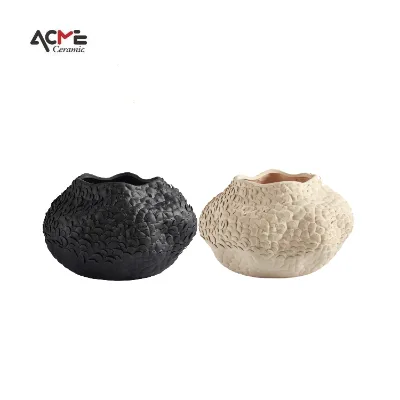
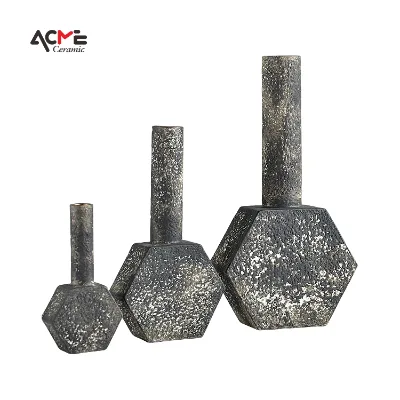


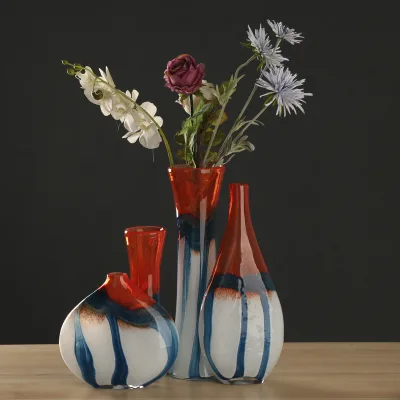


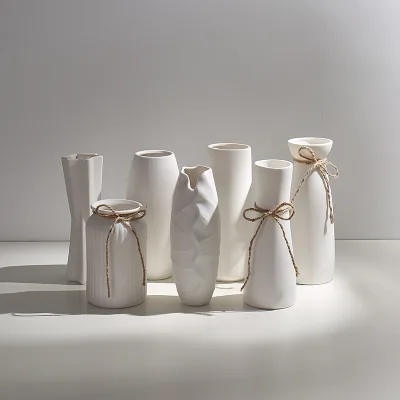
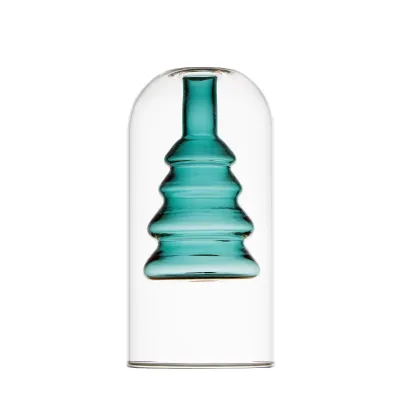


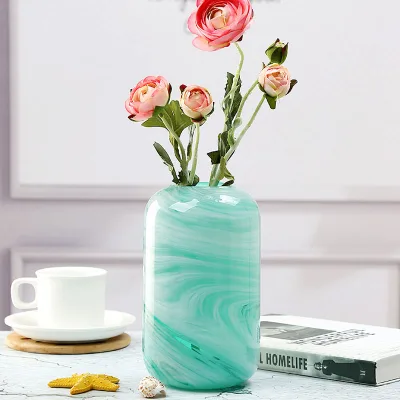


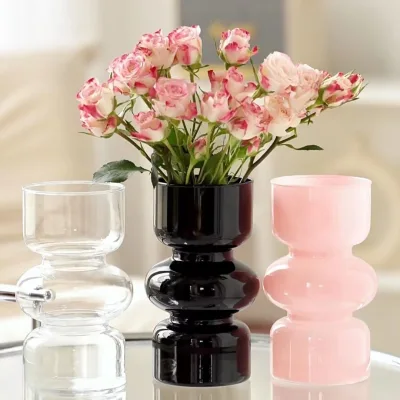
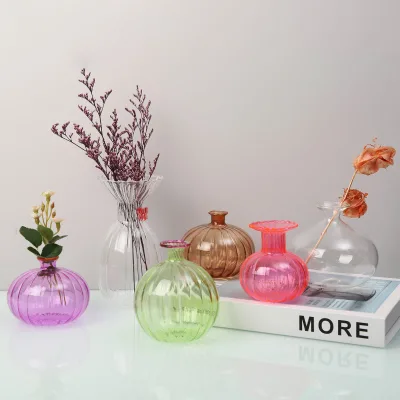
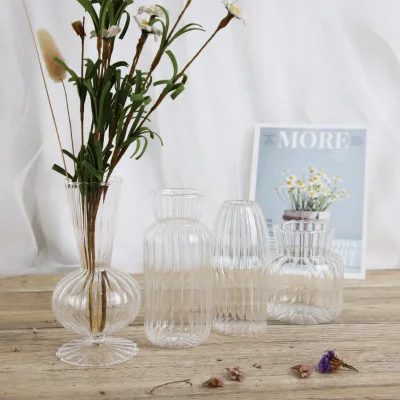
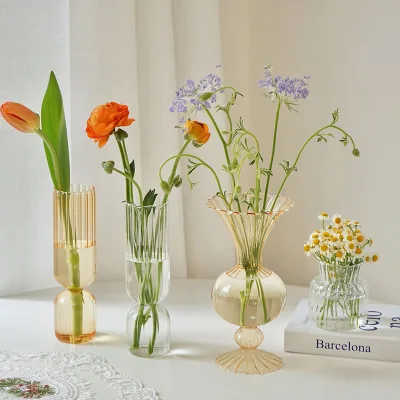
Comprehensive Sourcing Guide
Strategic Sourcing Guide for Handcrafted Blow Wedding Flower Vases
The global market for decorative glassware has seen a sustained surge in demand, particularly for items designated for high-profile events such as weddings. When sourcing a "Handcraft Blow Wedding Flower Vase," buyers must navigate a complex landscape of manufacturing techniques, material specifications, and compliance standards. The following guide synthesizes available product data and industry knowledge to provide a disciplined framework for procurement professionals. This analysis focuses on the specific attributes of blown glass vases, their suitability for ceremonial use, and the critical verification steps required to ensure supply chain reliability.
Technical Specifications and Material Integrity
The core of the product offering lies in the manufacturing process and the resulting physical characteristics. The primary production method identified for this category is "Blown" glass processing. This technique involves inflating molten glass into a mold or shaping it by hand, a process that inherently creates unique variations in thickness and form, distinguishing handcrafted items from mass-produced molded alternatives. The material composition is consistently identified as "Glass," with specific references to "Normal Glass" and "Transparent" glaze types. This transparency is a critical aesthetic requirement for wedding floristry, as it allows the stems of the floral arrangements to be visible, creating a seamless visual transition from the flowers to the base.
Size and dimensionality are paramount for wedding logistics. The observed product data indicates a wide range of sizing options, categorized as "Small," "Medium," "Large," and "Customized." Specific dimensional standards have been noted, such as heights ranging from 15.5cm to 37cm, with widths varying from 7.5cm to 30.3cm. For instance, one model specification lists a height of 1830.3cm, while another is recorded at 1537cm. Buyers must verify that the selected size aligns with the intended floral arrangement scale; a "Small" vase may be insufficient for large bouquet displays, whereas a "Large" unit might overwhelm a compact table setting. The "Three Sizes" classification suggests a modular approach to inventory, allowing buyers to curate a cohesive look across different venue zones.
Color options are equally diverse, with "White," "Black," "Pink," and "Clear" (or "Transparent") being the most frequently observed attributes. The glaze type is described as "Transparent" or "as Shown in The Picture," indicating that the finish can range from clear to colored tints. The "Color" attribute also notes "Clear Grav Amhargroondainhow," which suggests specific textural or etched finishes that may be available. When evaluating technical specifications, procurement teams should request physical samples to confirm that the "Glaze Type" matches the visual expectations for the wedding theme, as digital representations can sometimes misrepresent the depth of color or the clarity of the glass.
Compliance, Certification, and Ethical Standards
In the B2B sector, particularly for events involving large gatherings, compliance with international standards is non-negotiable. The product data explicitly lists "ISO" as a relevant certification, alongside "BSCI" (Business Social Compliance Initiative) and "FSC" (Forest Stewardship Council) for factory audits. The presence of BSCI certification is particularly significant for wedding suppliers, as it verifies that the manufacturing facility adheres to strict labor standards, ensuring ethical production practices. FSC certification, while often associated with paper and wood, in this context may relate to the packaging materials, specifically the "Carton" or "Brown Box" packaging mentioned in the data.
Buyers must verify the scope of these certifications. An ISO certification typically refers to quality management systems (ISO 9001), ensuring consistent production quality, but the specific standard number should be confirmed. Similarly, BSCI audits focus on social compliance, including worker safety and fair wages, which is increasingly a requirement for corporate and high-end wedding planners. The data also mentions "Factory Audit" standards, implying that third-party verification is conducted. Procurement teams should request current audit reports to ensure that the certifications are active and not expired. Additionally, the "Glass" standard mentioned in the data should be cross-referenced with local safety regulations regarding lead content and thermal shock resistance, especially if the vases are intended for use with warm water or heated floral foam.
Cost Drivers and Economic Factors
The economic landscape for sourcing blown glass vases is influenced by several key variables. The observed price range in the market spans from $0.32 to $27.50 USD. This wide disparity is driven by factors such as the complexity of the "Blown" process, the size of the unit, the coloration, and the level of customization. The lower end of the spectrum likely corresponds to mass-produced, smaller, or simpler designs, while the higher end reflects larger, custom-shaped, or intricately finished pieces.
Minimum Order Quantity (MOQ) is another critical cost driver. The data indicates an MOQ range of 5 to 10,000 units. This flexibility allows buyers to tailor their procurement strategy based on budget and event scale. For a single wedding event, an MOQ of 5 pieces may be sufficient, whereas a wedding rental company or a large-scale event planner might require bulk orders closer to the 10,000-unit threshold to achieve economies of scale. The "Selling Units" are listed as "Single Item," suggesting that the pricing structure is per unit rather than per set, which simplifies cost calculations.
Customization is a significant value-add that impacts cost. The data confirms that "Customization" is available, with the "Type of Manufacturer" listed as "OEM" (Original Equipment Manufacturer) and "Development Tech" as "ODM" (Original Design Manufacturer). This means buyers can request specific dimensions, colors, or branding. However, the "Sample Time" is noted as 10 days, which adds a time cost to the project. Buyers must factor in the lead time for sample approval before mass production begins. The "Carton" and "Brown Box" packing options also influence shipping costs, as the volume and weight of the packaging will determine freight charges.
Typical Applications and Design Versatility
The primary application for these vases is "Decorative" use, specifically tailored for "Home" and "Wedding" occasions. The "Function" is explicitly defined as a "Tabletop Vase," indicating that they are designed for display on flat surfaces such as dining tables, reception centers, or entryway consoles. The "Age" category is listed as "Modern" and "Everyday," suggesting a design aesthetic that bridges contemporary trends with timeless utility. This versatility makes them suitable not only for the wedding ceremony and reception but also for post-event home decor, extending the product's lifecycle and value for the end consumer.
The "Keywords" associated with the product include "Modern Shaped Flower Glass Vase," reinforcing the design intent. The "Occasion" is specifically highlighted as "Wedding," which implies that the vases are often used to hold bridal bouquets, centerpieces, or aisle decorations. The "Customized" size option allows for bespoke arrangements that match specific venue themes. For example, a "Large" vase might be used for a grand entrance display, while "Small" vases could be arranged in clusters for individual table settings. The "Color" options, including "White," "Black," and "Pink," allow for coordination with various wedding color palettes, from classic monochromatic schemes to vibrant, multi-colored themes.
Supplier Evaluation and Manufacturing Capabilities
When evaluating potential suppliers, buyers should prioritize those with verified "OEM" and "ODM" capabilities. The data indicates that the "Type of Manufacturer" is "OEM" and the "Development Tech" is "ODM," suggesting that suppliers are equipped to handle both private labeling and custom design requests. This dual capability is essential for buyers who may want to brand the vases with their own logo or create unique shapes for specific events.
The "prod_origin" is listed as "China," with a specific mention of "Guangdongchina." Guangdong is a major manufacturing hub for glassware, known for its advanced infrastructure and skilled labor force. However, buyers should verify the specific factory location within the region to assess logistics and potential supply chain risks. The "Factory Audit" standards of "BSCI" and "FSC" provide a baseline for supplier reliability, but buyers should also conduct their own due diligence. This includes reviewing the supplier's history, financial stability, and capacity to meet the "Sample Time" of 10 days.
The "prod_model" numbers, such as "10628," "2135-23," and "RN0061G00142," serve as unique identifiers for specific product lines. Buyers should request a catalog or a detailed specification sheet that maps these model numbers to their corresponding dimensions and features. This ensures that the correct items are ordered and reduces the risk of errors in the procurement process. Additionally, the "Custom" attribute confirms that the supplier is open to bespoke requests, which is a key differentiator in the market.
Quality Control and Long-Term Procurement Strategy
Quality control is paramount when dealing with fragile items like glass vases. The "Blown" process, while offering unique aesthetics, can introduce inconsistencies in wall thickness and structural integrity. Buyers should implement a rigorous quality control protocol that includes visual inspections for bubbles, cracks, and uneven glazing. The "Glaze Type" should be checked for uniformity, and the "Color" should be verified against the approved sample. The "prod_packing" of "Carton" or "Brown Box" must be evaluated for its ability to protect the glass during transit. Adequate cushioning and secure stacking are essential to prevent breakage.
For long-term procurement, buyers should consider the scalability of the supplier. The "MOQ" range of 5 to 10,000 units suggests that the supplier can accommodate both small and large orders. However, buyers should establish a relationship that allows for flexible reordering and consistent quality over time. The "Sample Time" of 10 days should be factored into the overall project timeline, especially for time-sensitive wedding events. Buyers should also consider the "Standard" of the product, ensuring that it meets the specific requirements of the event venue and the client's expectations.
In conclusion, sourcing handcrafted blow wedding flower vases requires a meticulous approach that balances aesthetic requirements with technical and compliance standards. By leveraging the available data on materials, dimensions, and certifications, buyers can make informed decisions that ensure the success of their procurement strategy. The focus on "Modern" design, "Transparent" finishes, and "Customized" options provides a robust foundation for creating memorable wedding experiences.
FAQs
What is the minimum order quantity for these vases?
The minimum order quantity starts at 5 pieces for single items. Buyers can also place larger orders up to 10,000 units depending on their specific event scale and budget requirements.
Which certifications do the factories hold for production?
Factories hold ISO certification for quality management and BSCI for social compliance. FSC certification is also available, often relating to the carton or brown box packaging materials used for shipping.
Can I request custom sizes and colors for my event?
Yes, customization is available including specific sizes like small, medium, large, or custom dimensions. Colors such as white, black, pink, and clear transparent glaze can be selected to match your theme.
How long does it take to receive a production sample?
The sample time is approximately 10 days for approval before mass production begins. This timeline allows buyers to verify the blown glass quality and glaze finish before committing to a full order.
What is the typical price range for these glass vases?
Prices range from 0.32 to 27.5 USD per unit depending on size and complexity. The variation reflects differences in the blown processing technique, specific dimensions, and the level of customization requested.
Where are these glass vases manufactured and shipped from?
Products originate from China, specifically the Guangdong region which is a major manufacturing hub. Factories utilize carton or brown box packing to ensure safe transport of the fragile glass items.
What manufacturing process is used to create these vases?
The primary process is blown glass, which creates unique variations in thickness and form. This technique distinguishes handcrafted items from mass-produced alternatives and is ideal for modern decorative wedding designs.