Source Handcrafted Acacia Wood Salt Box with Magnetic Lid for Kitchen Storage, Spice Organization, and Dining Tables
Compare 30 listings of the Handcrafted Acacia Wood Salt Box with Magnetic Lid from verified Chinese manufacturers. Buyers can evaluate eco-friendly designs, customized logos, and varying capacities for kitchen storage and dining table organization.
Key considerations
Products List
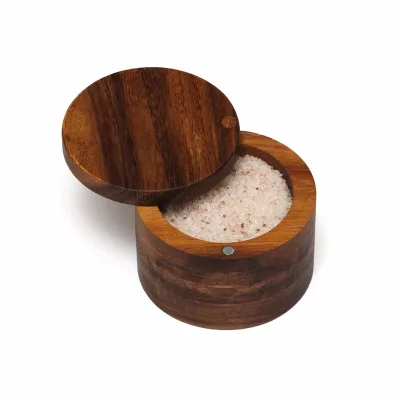
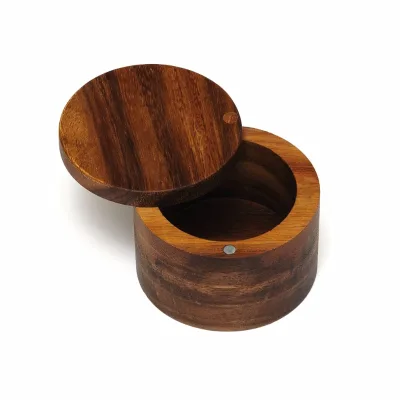
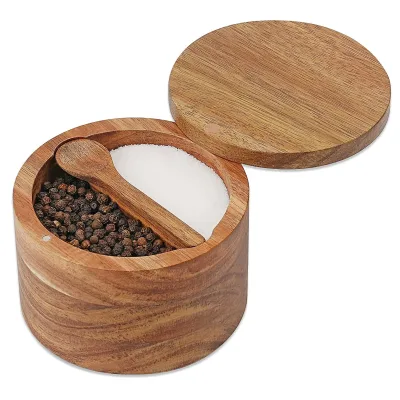

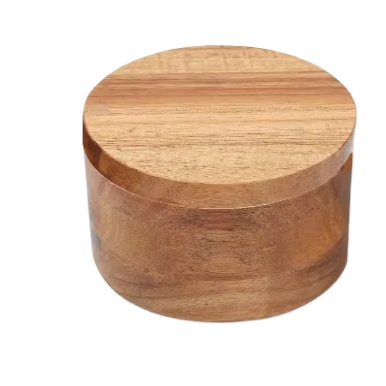
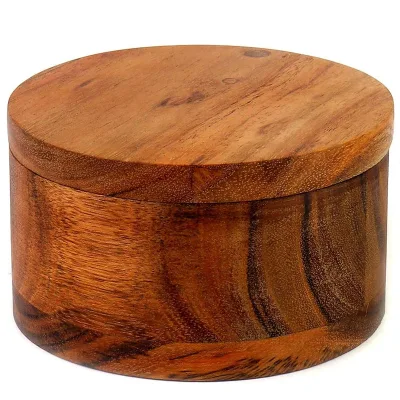
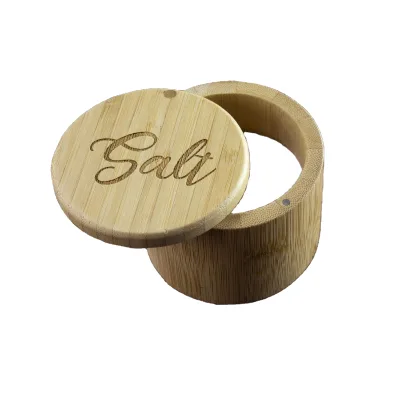
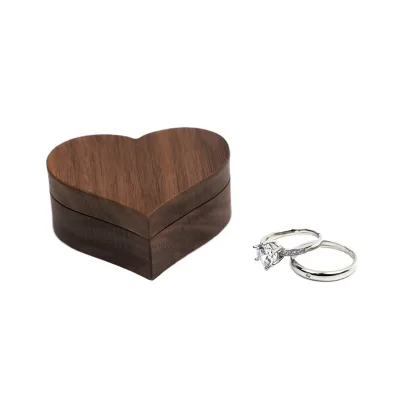


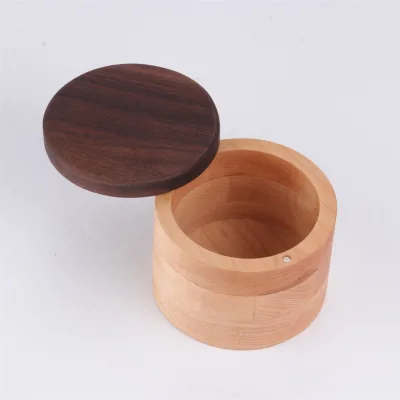
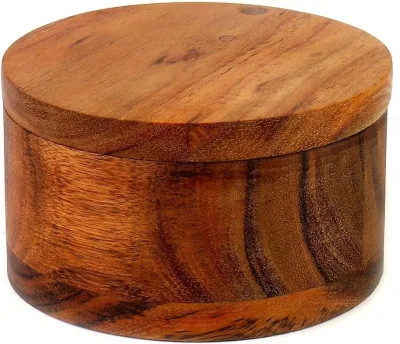
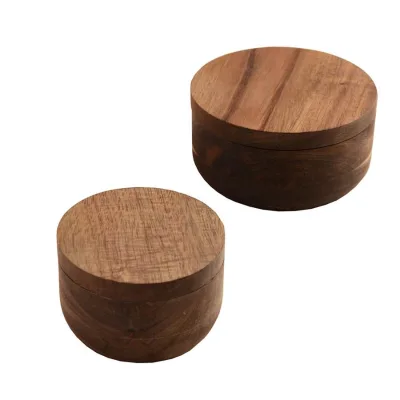
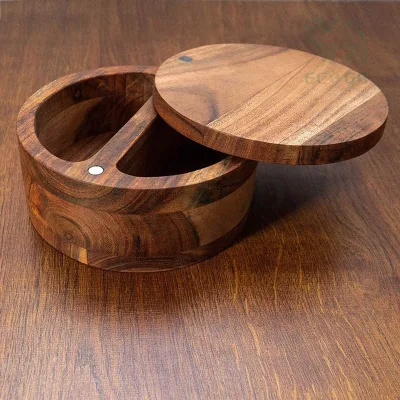
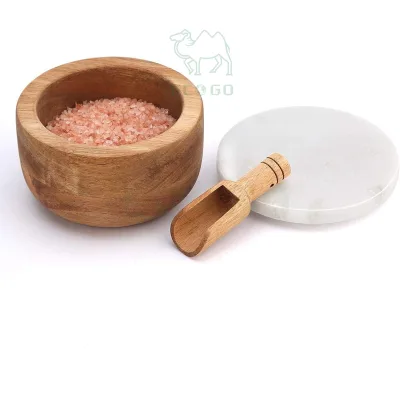
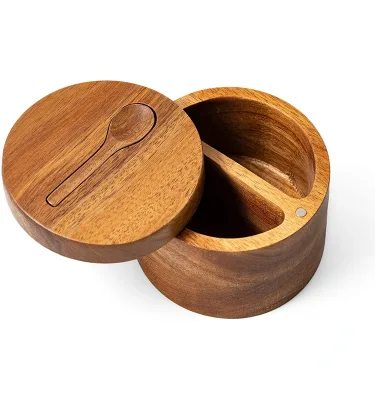
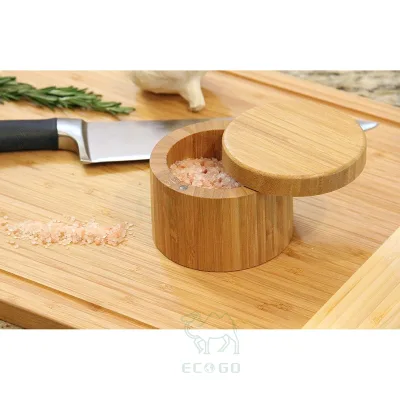
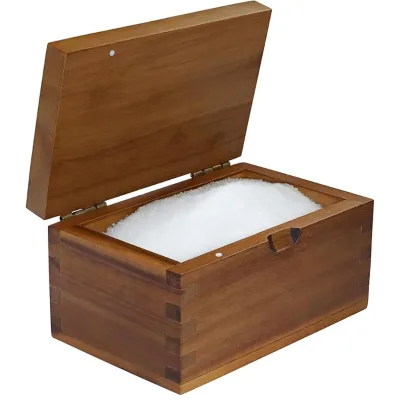
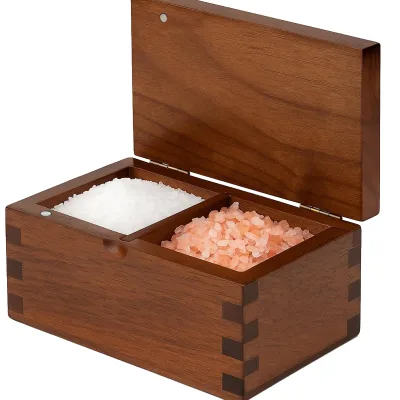


Customization Wooden Box Different Shape Solid Wooden Storage Box with Sliding Lid
$4.69 - $5.82
MOQ: 500 Pieces

Comprehensive Sourcing Guide
Strategic Sourcing Guide for Handcrafted Acacia Wood Salt Boxes with Magnetic Lids
Understanding Product Specifications and Material Integrity
When sourcing a handcrafted acacia wood salt box with a magnetic lid, the primary focus must be on the intersection of material authenticity, dimensional precision, and functional design. The core product category falls under kitchen tools and food containers, specifically designed for the storage of salt, spices, or herbs. Based on available market data, the material composition is frequently listed as wood, with specific references to acacia wood, though some listings may also indicate bamboo as a material alternative. Buyers must verify that the "acacia" designation is accurate, as this wood type is prized for its durability, natural resistance to moisture, and aesthetic grain patterns. The product is typically characterized by a natural color profile, preserving the organic look of the timber without heavy artificial dyeing.
The physical dimensions of these units vary significantly depending on the specific model and intended capacity. Observed specifications indicate a range of sizes, with some standard units measuring approximately 9x9x6.5 cm, while others are offered in customized dimensions to meet specific branding or volume requirements. The magnetic lid is a critical functional component, ensuring an airtight seal that prevents moisture ingress, which is essential for maintaining the quality of hygroscopic substances like salt. The magnetic mechanism must be robust enough to stay closed during handling yet easy to open for dispensing.
Dimensional tolerances are a key metric for quality assurance. In the current market, acceptable dimensional tolerance for such wooden items is often cited as less than ±5mm, inclusive. This tolerance level accounts for the natural expansion and contraction of wood due to humidity changes, ensuring that the lid fits snugly without being too tight or too loose. The single package size for shipping often differs from the product dimensions, typically ranging from 6.5x6.5x5 cm to 15x10x10 cm, depending on whether the packaging includes a color box or kraft paper. The gross weight of a single unit can vary from 0.300 kg for smaller containers to 2.000 kg for larger or heavily packaged sets, necessitating careful logistics planning.
Compliance, Certification, and Regulatory Standards
For any food-contact product, particularly those made from wood, compliance with international safety standards is non-negotiable. The Harmonized System (HS) code for these items is typically classified under 4419909090, which covers wooden tableware and kitchen utensils. This classification is vital for determining import duties and ensuring that the product meets the regulatory requirements of the destination country. Buyers must verify that the supplier has the necessary documentation to support this classification and that the wood used is sourced sustainably.
While specific certification names are not universally mandated for all listings, the "Eco-Friendly" attribute is frequently observed in product descriptions. This suggests that the manufacturing process may adhere to environmental standards, but buyers should request specific proof of such claims, such as FSC (Forest Stewardship Council) certification or local environmental compliance certificates. The lacquer finish applied to the wood is another area requiring scrutiny. The finish must be food-safe, non-toxic, and free from harmful chemicals like lead or excessive formaldehyde. Since the product is used for food storage, the coating must not leach into the salt or spices.
Buyers should also verify the origin of the wood. The supply chain for acacia wood often originates from regions like Jiangsu or Fujian in China. Understanding the place of origin is crucial for assessing the risk of supply chain disruptions and for ensuring that the wood complies with phytosanitary regulations. The product is generally categorized under "Herb & Spice Tools" or "Kitchen Spice Salt Grinder" types, which may trigger specific labeling requirements in the European Union or North America regarding material composition and country of origin.
Cost Drivers and Pricing Dynamics
The pricing of handcrafted acacia wood salt boxes with magnetic lids is influenced by several variable factors. The observed price range in the market spans from 1.8 USD to 5.82 USD per unit. This variance is driven by the complexity of the design, the quality of the wood, the type of magnetic mechanism used, and the level of customization required. Simple, round, natural-colored boxes with standard dimensions tend to fall at the lower end of the spectrum, while divided spice boxes with swivel covers, custom logos, or specialized packaging command higher prices.
The Minimum Order Quantity (MOQ) is another significant cost driver. The market shows an MOQ range between 99 and 1000 pieces. Orders placed at the lower end of this range may incur higher per-unit costs due to the fixed costs of setup and production runs. Conversely, larger orders often benefit from economies of scale, reducing the unit price. Buyers should also consider the cost of customization, such as adding a customer logo or specific color boxes. While "Customized Logo" and "Customized Color Box" are standard offerings, these add-ons can impact the final landed cost.
Payment terms also play a role in the financial planning of the procurement. Standard terms often include a 30% T/T (Telegraphic Transfer) deposit, which is common in B2B transactions for custom manufacturing. This upfront payment helps secure raw materials and production slots. Buyers must factor in the lead time, which can range from 1-7 days for samples to longer periods for bulk production, into their overall budget and cash flow projections. The weight of the product, with a single gross weight ranging from 0.3 kg to 2.0 kg, also affects shipping costs, particularly for air freight, making sea freight a more economical choice for larger volumes.
Typical Applications and Usage Scenarios
The primary application of the acacia wood salt box with a magnetic lid is in the culinary and hospitality sectors. These containers are designed for the storage and dispensing of salt, spices, herbs, and other dry food ingredients. The magnetic lid ensures that the contents remain fresh by preventing moisture and contaminants from entering the container. This makes them ideal for use in professional kitchens, where hygiene and organization are paramount, as well as in home kitchens, where aesthetics and functionality are equally important.
The product is often marketed as a "Food container" or "Tools" for the kitchen. The specific design, such as a divided spice box with a swivel cover, allows for the separation of different spices, preventing cross-contamination of flavors. This feature is particularly valuable in restaurants and catering services where multiple spices are used frequently. The natural wood finish and "American Style" design appeal to consumers looking for rustic, eco-friendly, and aesthetically pleasing kitchenware.
Beyond the kitchen, these products are frequently used as promotional items or corporate gifts. The ability to customize the logo and packaging makes them attractive for branding purposes. Companies may order these boxes with their logo to distribute to clients or employees, leveraging the "Eco-Friendly" attribute to align with corporate sustainability goals. The capacity of these units, typically ranging from 0 to 1 liter, makes them suitable for a wide variety of storage needs, from small amounts of premium spices to larger quantities of table salt.
Supplier Evaluation and Selection Criteria
Selecting the right supplier for handcrafted acacia wood salt boxes requires a rigorous evaluation process. Buyers should prioritize suppliers who demonstrate transparency in their material sourcing and manufacturing processes. The place of origin, such as Jiangsu or Fujian, should be verified to ensure that the supplier has a established track record in wooden product manufacturing. The "brand name" associated with the product, whether it is "Aoniehouse" or "Hoyee Bright," can provide insight into the supplier's market positioning and quality standards, though buyers should not rely solely on brand reputation without verifying the actual product specifications.
Key evaluation criteria include the supplier's ability to meet the specified dimensional tolerances of less than ±5mm and their capacity to handle customized orders. The availability of "Customized Logo" and "Customized Color Box" options indicates a supplier's flexibility and willingness to collaborate on branding. Buyers should also assess the supplier's sample time, which typically ranges from 1-7 days, to ensure they can meet project deadlines. The "Sample Time" for initial prototypes is a critical indicator of the supplier's responsiveness and efficiency.
Furthermore, the supplier's adherence to quality control measures is paramount. Buyers should request information on the "technics" used, such as lacquer application, and verify that the finish is food-safe. The "weight tolerance" of less than ±5% is another metric to check, ensuring consistency across the production batch. Suppliers who offer "OEM" (Original Equipment Manufacturer) services and accept "Customized" orders are generally better equipped to handle specific buyer requirements. It is essential to avoid suppliers who make unverified claims about certifications or performance without providing supporting documentation.
Quality Control and Long-Term Procurement Considerations
Implementing a robust quality control (QC) strategy is essential for maintaining the integrity of the supply chain. Buyers should establish clear acceptance criteria based on the observed specifications, including the material (acacia wood), finish (lacquer), and dimensions (9x9x6.5 cm or customized). Regular inspections should be conducted to verify that the magnetic lids function correctly and that the wood is free from defects such as cracks, warping, or excessive splintering. The "dimensional tolerance" of <±5mm should be strictly enforced to ensure that the lids fit properly and the products are uniform.
Long-term procurement considerations involve building a sustainable relationship with the supplier. This includes negotiating favorable payment terms, such as the standard 30% T/T, and ensuring that the supplier can scale production as demand grows. The "MOQ" of 1000 pieces or lower should be balanced against the buyer's inventory needs to avoid overstocking or stockouts. Buyers should also monitor the market for changes in raw material costs, which can affect the price of acacia wood and the final product cost.
Sustainability is a growing concern in the procurement of wooden products. Buyers should encourage suppliers to adopt eco-friendly practices and verify the "Eco-Friendly" claims through third-party audits or certifications. The "Single gross weight" and "Single package size" data should be used to optimize packaging and reduce shipping waste. By focusing on these long-term factors, buyers can ensure a reliable supply of high-quality acacia wood salt boxes that meet both functional and aesthetic requirements while adhering to environmental standards.
Comparative Analysis of Product Variants
To facilitate informed decision-making, it is helpful to compare the different variants of acacia wood salt boxes available in the market. The following table summarizes the key differences based on the observed data.
| Feature | Variant A (Standard) | Variant B (Customized) | Variant C (Divided/Swivel) |
|---|---|---|---|
| Material | Acacia Wood / Bamboo | Acacia Wood | Acacia Wood |
| Shape | Round | Customized | Round / Divided |
| Size | 9x9x6.5 cm | Customized Size | 6.5x6.5x5 cm |
| Lid Type | Magnetic | Magnetic | Swivel Cover |
| Capacity | 0-1L | Customized | 0-1L |
| Packaging | Kraft Paper / Color Box | Customized Color Box | Kraft Paper / Customized |
| MOQ | 99 - 1000 pcs | 1000 pcs | 1000 pcs |
| Sample Time | 1-7 Days | 3-5 Days | 3-5 Days |
| Weight | 0.300 kg | Varies | 2.000 kg (Gross) |
| Origin | Jiangsu, China | Fujian, China | Fujian, China |
This comparison highlights the trade-offs between standardization and customization. Variant A offers a lower entry point with a smaller MOQ, making it suitable for testing the market. Variant B provides maximum flexibility for branding but requires a higher commitment in terms of order volume. Variant C, with its divided design and swivel cover, offers enhanced functionality for complex storage needs but comes with a higher weight and potentially higher cost. Buyers should select the variant that best aligns with their specific operational requirements and budget constraints.
FAQs
What material is used for the Handcrafted Acacia Wood Salt Box with Magnetic Lid?
The product is primarily made from wood, specifically acacia wood, though some listings indicate bamboo. This material choice ensures durability and a natural aesthetic suitable for kitchen storage applications.
How large is the standard single package size for this salt box?
The single package size varies by model, ranging from 6.5x6.5x5 cm to 15x10x10 cm. This variation depends on whether the packaging includes a color box or kraft paper for protection during shipping.
Can I request a customized logo on the Handcrafted Acacia Wood Salt Box with Magnetic Lid?
Yes, customized logos are available and acceptable for most models. Suppliers typically offer this service to support branding efforts, allowing buyers to add their specific design to the natural wood surface.
What is the typical MOQ for ordering these wooden salt boxes?
The minimum order quantity ranges from 99 to 1000 pieces depending on the supplier and customization level. Orders at the lower end may have higher per-unit costs compared to bulk purchases.
How accurate are the dimensions of the Handcrafted Acacia Wood Salt Box with Magnetic Lid?
The dimensional tolerance is typically less than ±5mm, inclusive. This standard accounts for natural wood expansion and contraction while ensuring the magnetic lid fits snugly without being too tight.
Which payment terms are standard for purchasing these kitchen spice tools?
The standard payment term is a 30% T/T deposit before production begins. This common B2B practice helps secure raw materials and production slots for the custom wooden containers.
What is the capacity range for the Handcrafted Acacia Wood Salt Box with Magnetic Lid?
The capacity typically ranges from 0 to 1 liter, suitable for storing various amounts of salt or spices. This volume accommodates both small premium spice needs and larger table salt requirements.