Source Handicraft Painted Resin Candlestick for Home, Gift, and Holiday
Compare 30 listings of the Handicraft Painted Resin Candlestick from suppliers in Fujian, China. Buyers can evaluate options based on size, customization, and production time for home decoration, business gifts, and holiday collections.
Key considerations
Products List
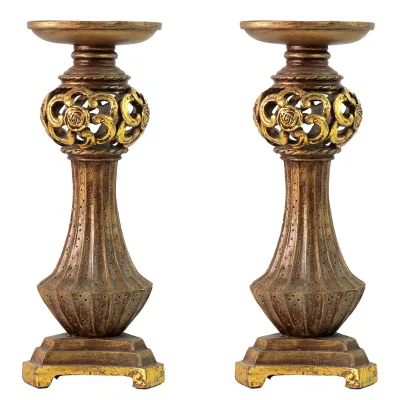


Home Decoration Angel Candlestick Resin Candle Holder Ornaments Girly Gifts
$0.10 - $5.00
MOQ: 500 Pieces

Wholesale Resin Wings Candlestick Angel Candle Holder Home Decoration Gift
$1.82 - $4.34
MOQ: 500 Pieces


Hand Painted Resin Candle Holder for Home Decoration and Promotional Gift
$1.27 - $1.45
MOQ: 800 Pieces


Modern Banana Candle Holder Resin Decorative Candlestick for Home Decoration
$4.50 - $6.50
MOQ: 100 Pieces


Hand-Painted Painted Glass Candlestick/Glass Candle Holder with Pattern
$0.30 - $1.00
MOQ: 5000 Pieces


Comprehensive Sourcing Guide
Handicraft Painted Resin Candlestick Sourcing Guide
Sourcing decorative resin candlesticks requires a nuanced understanding of the intersection between artisanal craftsmanship and industrial manufacturing capabilities. These items are frequently categorized under holiday decorations, home accents, and art collections, serving as versatile elements for both residential interiors and commercial hospitality settings. Buyers must recognize that while the core material is synthetic resin, the final aesthetic is heavily dependent on surface treatments, painting techniques, and finishing quality. The market offers a wide spectrum of options, ranging from mass-produced, uniform pieces to limited-run, hand-painted sculptures that emphasize unique artistic expression. Understanding this distinction is critical for aligning procurement strategies with brand positioning, whether the goal is high-volume retail distribution or boutique luxury gifting.
The procurement landscape for resin candlesticks is characterized by significant variability in design complexity, packaging requirements, and minimum order quantities. Suppliers often operate from manufacturing hubs in regions like Fujian, China, leveraging established supply chains for raw materials and skilled labor. Buyers should anticipate a diverse range of product attributes, including irregular shapes, natural or antique styles, and various color palettes that may be standardized or fully customizable. This diversity allows for tailored sourcing but introduces complexity in quality control and specification verification. Successful sourcing depends on the buyer’s ability to clearly define these parameters early in the engagement process to avoid misalignment between sample expectations and bulk production outcomes.
Product Scope and Observed Listing Signals
The observed market signals indicate a broad product scope that extends beyond simple candle holders to include decorative statues, columns, and abstract sculptures. Listings frequently highlight attributes such as "hand-painted" techniques, "natural" or "antique" styles, and "eco-friendly" material claims, suggesting a focus on aesthetic appeal and perceived safety. The presence of multiple model numbers, such as WT-230736 and WT-B0049, alongside generic OEM designations, reflects a supply chain that supports both branded private-label opportunities and white-label distribution. Buyers should interpret these signals as evidence of a mature market capable of fulfilling diverse design requests, from small-scale decorative accents to larger, statement-piece installations.
Packaging and logistical data provide further insight into the product’s fragility and intended use. Standard packing configurations often include protective layers such as PP bags, polyfoam, inner boxes, and export cartons, indicating that the resin components are susceptible to damage during transit. Single package dimensions and gross weights vary significantly, with some items measuring approximately 26x13.5x29.5 cm and weighing around 0.783 kg, while others are much smaller, such as 11x8.5 cm or 6x4x5.5 cm. This variance suggests that buyers must carefully evaluate shipping costs and storage requirements relative to the product’s size and weight. The emphasis on "fashion" and "holiday decoration" applications further underscores the seasonal and trend-driven nature of this category, requiring agile inventory management.
Technical Specifications to Verify
Verifying technical specifications is paramount to ensuring that the final product meets functional and aesthetic expectations. Buyers must confirm the exact material composition, ensuring that the resin used is suitable for its intended application, whether it involves holding real flame candles or serving as a purely decorative object. The surface treatment process, often described as "honed" or "painted," requires close inspection to assess durability and finish quality. Hand-painted details, in particular, should be evaluated for consistency, color accuracy, and adherence to the approved sample. Any discrepancies in the carving technique, such as engraving depth or edge smoothness, can significantly impact the perceived value of the product.
Dimensional accuracy and structural integrity are other critical verification points. The listed sizes, ranging from "small" to "one size," must be cross-referenced with physical samples to ensure they fit the intended display spaces or packaging constraints. Buyers should also verify the stability of the candlestick base, especially for irregular or antique-style designs that may have uneven weight distribution. Additionally, the customization options available, such as color matching to specific brand guidelines or logo integration, must be technically feasible within the manufacturing process. Clear communication of these specifications in the purchase order is essential to prevent production errors and ensure that the delivered goods align with the buyer’s design intent.
Compliance and Safety Documentation
Safety and regulatory compliance are non-negotiable aspects of sourcing resin products, particularly those intended for use with open flames or in residential environments. Buyers must request and verify relevant certifications, such as SGS, CE, or other recognized standards, to ensure that the materials used are free from harmful substances like lead or phthalates. The claim of "eco-friendly" materials should be substantiated with technical data sheets or third-party test reports, as this term is often used loosely in marketing. Understanding the specific regulatory requirements of the target market, whether it is the European Union, North America, or Asia, is crucial for avoiding customs delays or product recalls.
Documentation should also cover the flammability and heat resistance of the resin, especially if the candlesticks are designed to hold lit candles. Buyers should inquire about the thermal stability of the material and whether any additional safety features, such as heat-resistant coatings or stable bases, are incorporated. It is advisable to request sample testing results for fire safety and chemical migration to ensure compliance with local consumer protection laws. Maintaining a clear paper trail of these compliance documents not only mitigates legal risks but also enhances brand credibility by demonstrating a commitment to product safety and environmental responsibility.
Cost Drivers and Commercial Terms
The cost structure for handicraft painted resin candlesticks is influenced by several key factors, including material costs, labor intensity, and customization complexity. Hand-painted finishes and intricate carving techniques significantly increase production time and labor costs compared to mass-produced, uniform items. Buyers should anticipate higher unit prices for products with detailed artistic elements or unique shapes, such as irregular or antique styles. Additionally, the minimum order quantity (MOQ) requirements, which can range from 500 to 10,000 pieces, impact the overall cost per unit due to economies of scale. Smaller orders may incur higher per-unit costs due to setup and tooling expenses.
Commercial terms, including production lead times and payment conditions, also play a significant role in the total cost of ownership. Production times can vary widely, with some items requiring 30-35 days and others up to 50 days, depending on the complexity and order volume. Buyers must factor in these lead times when planning inventory replenishment to avoid stockouts during peak seasons. Sample times, typically ranging from 10 to 15 days, should also be considered in the procurement timeline. Negotiating favorable payment terms and clarifying responsibilities for shipping and insurance can further optimize the financial outcome of the sourcing project.
Supplier Qualification and Quality Control
Selecting a reliable supplier involves rigorous qualification and ongoing quality control measures. Buyers should assess the supplier’s manufacturing capabilities, including their facility size, equipment, and workforce expertise, particularly in hand-painting and carving techniques. Requesting references or case studies from previous clients can provide insight into the supplier’s reliability and consistency. It is also important to verify the supplier’s ability to handle customization requests, as this requires flexibility and attention to detail. A supplier with a strong track record in producing high-quality resin decor is more likely to deliver products that meet stringent aesthetic and functional standards.
Quality control protocols must be clearly defined and enforced throughout the production process. Buyers should implement pre-production sample approvals, in-line inspections during manufacturing, and final random inspections before shipment. These inspections should focus on critical quality attributes such as surface finish, color accuracy, dimensional accuracy, and packaging integrity. Establishing clear acceptance criteria and defect tolerance levels helps minimize the risk of receiving substandard goods. Regular communication with the supplier and timely feedback on any issues can foster a collaborative relationship and ensure continuous improvement in product quality.
Long-Term Procurement Checks
Long-term procurement success depends on continuous monitoring and adaptation to market changes. Buyers should regularly review supplier performance metrics, including on-time delivery rates, defect rates, and responsiveness to issues. Building a diversified supplier base can mitigate risks associated with single-source dependencies and provide flexibility in responding to demand fluctuations. Additionally, staying informed about emerging trends in home decor and holiday gifts can help buyers anticipate shifts in consumer preferences and adjust their product offerings accordingly. Engaging in strategic partnerships with suppliers who share a commitment to innovation and quality can lead to mutually beneficial long-term relationships.
Sustainability and ethical sourcing practices are increasingly important considerations for modern buyers. Evaluating suppliers’ environmental policies, waste management practices, and labor standards can enhance brand reputation and align with consumer values. Buyers should also consider the lifecycle of the product, including its recyclability and end-of-life disposal options. By integrating these long-term checks into their procurement strategy, buyers can ensure that their sourcing activities remain compliant, competitive, and aligned with broader corporate social responsibility goals. This holistic approach not only secures a steady supply of high-quality products but also contributes to the overall resilience and sustainability of the supply chain.
FAQs
What is the material and technique used for the resin statue?
The product is made of resin with a hand-painted technique. It features a natural style and irregular shape suitable for home decoration. The surface treatment is painted, and the item is processed by hand to ensure quality.
Can I customize the color and design of the candlestick?
Yes, customization is available for this resin statue. Buyers can choose colors as shown in the picture or request custom options. The product standard allows for customization to meet specific buyer requirements for business gifts or holiday decorations.
What is the minimum order quantity for this resin product?
The minimum order quantity is 500 pieces for this item. This MOQ applies to the resin statue used for holiday gifts and art collection. Buyers should note that the production time is typically 30 to 50 days depending on the order specifics.
How long does it take to produce and ship the order?
Production time ranges from 30 to 50 days for this resin statue. Sample time is estimated at 10 to 15 days before full production begins. The single package size is 26 by 13.5 by 29.5 cm with a gross weight of 0.783 kg.
Which certifications are available for the resin candlestick?
The product holds certifications such as SGS, CE, and Sct. These standards ensure the resin statue meets safety and quality requirements. The item is also described as eco-friendly, making it suitable for various applications including home decoration and business gifts.
Where is the origin of this hand-painted resin statue?
The place of origin is Fujian, China. This location is known for producing high-quality resin crafts. The product is sourced from this region and is available for export with standard packaging including PP bags and polyfoam protection.