Source Handmade Colorful Cotton Pompoms for Crafts
Find 30 listings for Handmade Colorful Cotton Pompoms suitable for DIY decoration, Christmas tree ornaments, and bag accessories. Compare specifications, materials, and pricing from verified suppliers to streamline your sourcing process; compare the available evidence and request quotations based on your requirements.
Key considerations
Products List


Perfect for Party Wedding Home Outdoor Decoration Solid Color Paper Pompom
$0.50 - $0.60
MOQ: 1000 Pieces


Comprehensive Sourcing Guide
Handmade Colorful Cotton Pompoms Sourcing Guide
The market for handmade decorative items often features products labeled as cotton pompoms, yet current listings frequently indicate polyester or paper compositions rather than pure cotton. Buyers must carefully distinguish between marketing terms and actual material composition, as observed data shows significant variation in materials ranging from polyester blends to paper and felt. This discrepancy requires rigorous verification of the raw material certificate before finalizing any purchase order to ensure the product matches the intended craft application.
Procurement strategies should prioritize suppliers who explicitly define their material composition in technical datasheets rather than relying on generic product titles. While the core keyword suggests cotton, the available supply chain data highlights a prevalence of synthetic fibers and paper-based alternatives that serve similar decorative functions. Sourcing teams must align their material specifications with the actual inventory available to avoid receiving non-compliant goods that fail to meet the aesthetic or functional requirements of the final craft project.
Product Scope and Observed Listing Signals
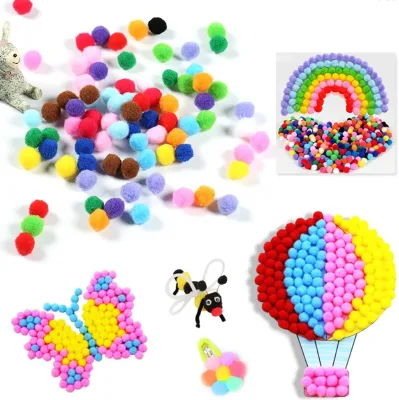
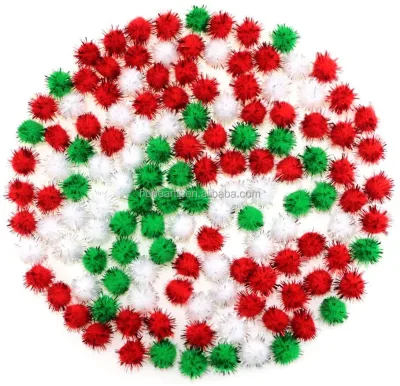
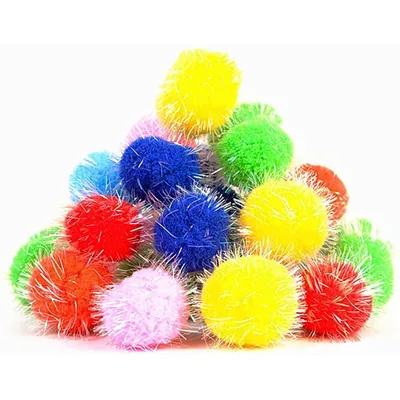
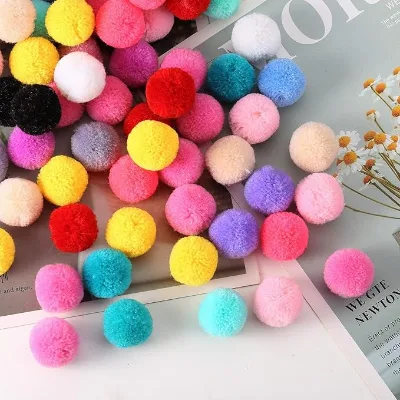
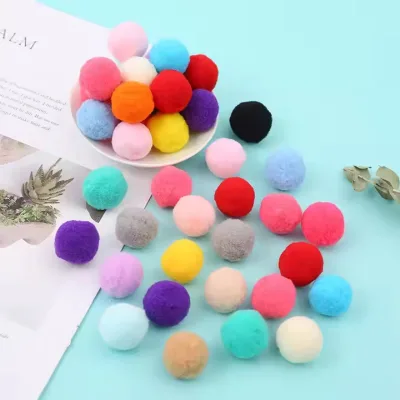
Current market listings reveal a diverse range of product types including Christmas tree ornaments, DIY craft decorations, and general decorative items that may be confused with traditional cotton pompoms. The observed product scope encompasses various styles such as glitter, dyed, and plain patterns, with applications extending to bag decorations and indoor festive displays. Buyers should verify that the specific item selected matches the intended usage, as the supply chain offers both general decoration pieces and specialized craft components.
Listing signals indicate a wide spectrum of customization options, with many suppliers offering make-to-order services and custom packaging solutions. The observed data suggests that while some items are available in standard sizes, others support custom dimensions and shapes to fit specific design needs. Procurement teams must evaluate whether the supplier's standard offerings align with their project requirements or if they need to engage in a custom development process to achieve the desired product specifications.
Technical Specifications to Verify
Dimensional accuracy is a critical verification point, as observed listings show sizes ranging from small diameters of 3mm to larger formats up to 120mm depending on the specific product model. Buyers must confirm the exact diameter and weight specifications, as the data indicates weights can vary significantly from 2g to 40g or even higher for felt-based applications. Ensuring the physical dimensions match the design blueprint is essential for maintaining consistency in large-scale craft projects or mass-produced decorative assemblies.
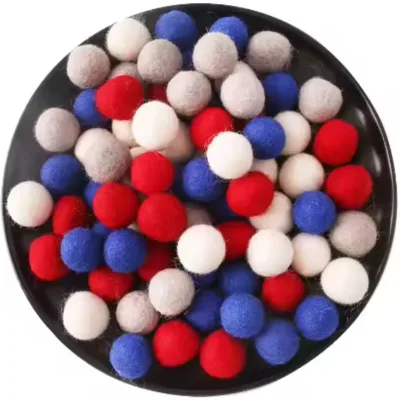
Material composition and technical features require detailed scrutiny, particularly regarding the distinction between polyester, paper, and felt-based products. The supply data highlights features such as anti-static, breathable, and eco-friendly properties for certain fabric-based items, while others are defined by their glitter or dyed finishes. Procurement specialists should request material test reports to confirm the presence of claimed features like anti-bacterial properties or specific GSM weights, ensuring the technical attributes meet the performance standards required for the end application.
Compliance and Safety Documentation
Safety compliance is paramount for decorative items intended for children or festive environments, with observed listings citing standards such as SGS, ISO9001, and RoHS for certain product lines. Buyers must verify that the specific batch of products carries valid testing reports confirming compliance with these international safety standards, particularly regarding chemical content and physical safety. Relying on general supplier claims without requesting specific test certificates for the ordered SKU poses a significant risk of non-compliance in regulated markets.
Documentation requirements extend to material safety and environmental certifications, especially for products marketed as eco-friendly or suitable for indoor use. The observed data suggests that while some suppliers provide comprehensive testing reports, others may only offer general quality assurances. Procurement teams should mandate the submission of third-party laboratory reports for every production run to validate claims regarding material safety, ensuring that the finished goods do not contain hazardous substances that could violate import regulations or consumer safety laws.
Cost Drivers and Commercial Terms
Pricing structures in this category are influenced by material costs, customization levels, and order volume, with observed price ranges spanning from $0.05 to $4.95 per unit depending on complexity and size. Buyers should anticipate that custom sizes, specialized finishes like glitter, or specific packaging requirements will drive costs higher than standard off-the-shelf items. Understanding the cost drivers associated with material selection and production techniques is essential for accurate budgeting and negotiating favorable terms with potential suppliers.
Minimum Order Quantities (MOQs) and lead times vary significantly across the supply base, with observed ranges extending from 100 to 10,000 units per order. The make-to-order nature of many listings implies that lead times may be longer for customized products compared to standard inventory items. Procurement planners must align their order quantities with the supplier's MOQ thresholds to avoid excessive per-unit costs while ensuring sufficient stock to meet production schedules without incurring unnecessary delays.
Supplier Qualification and Quality Control
Supplier qualification should focus on verifying their capacity for OEM and ODM services, as the observed data indicates many manufacturers offer flexible production models to meet diverse client needs. Buyers must assess the supplier's ability to maintain consistent quality across different production runs, particularly when dealing with custom sizes and specialized material blends. Establishing a clear communication channel for quality expectations is vital to ensure that the final product adheres to the agreed-upon specifications and design standards.
Quality control protocols must be established to monitor critical attributes such as color consistency, weight uniformity, and material integrity throughout the production process. The observed variation in product models and sizes suggests that a robust inspection plan is necessary to catch defects before shipment. Implementing pre-shipment inspections and defining clear acceptance criteria for color, texture, and dimensional accuracy will help mitigate the risk of receiving substandard goods that could compromise the final craft project.
Long-Term Procurement Checks
Sustaining a reliable supply chain requires regular audits of supplier performance regarding delivery reliability, quality consistency, and responsiveness to change requests. Buyers should establish a periodic review process to evaluate whether the supplier continues to meet the evolving needs of the business, particularly regarding material availability and production capacity. Maintaining a relationship based on transparent communication and mutual performance metrics ensures that the supply chain remains resilient against market fluctuations and production disruptions.
Continuous monitoring of market trends and technological advancements in decorative materials is essential for maintaining a competitive edge in the craft sector. Procurement teams should stay informed about new material innovations, such as improved eco-friendly alternatives or advanced finishing techniques, to ensure their product offerings remain relevant. By proactively engaging with suppliers on future developments, buyers can secure access to cutting-edge products and maintain a strategic advantage in the marketplace.
FAQs
What materials are used for these colorful pompoms?
The products are primarily made from polyester, with some variants using a blend of polyester and viscose. These materials ensure durability and a soft texture suitable for various decoration and DIY craft applications. The selection allows for vibrant color retention and consistent quality across different production batches.
Can I customize the size and packaging of the pompoms?
Yes, customization is available for both size and packaging. You can request specific dimensions ranging from 3mm to 120mm, or standard sizes like 1cm and 3cm. Packaging options include OPP bags, PE bags, or custom carton requests to meet your specific logistical and branding requirements.
What certifications do the manufacturers hold?
Manufacturers typically hold SGS, ISO9001, and RoHS certifications. These standards ensure that the production processes and final products meet international quality and safety requirements. This documentation is crucial for buyers who need to verify compliance for import regulations and specific industry standards in their target markets.
What is the typical MOQ for these items?
The minimum order quantity typically ranges from 100 to 10,000 pieces, depending on the specific product model and customization level. Lower MOQs may apply for standard items, while higher volumes are required for custom sizes or specialized packaging. This flexibility supports both small-scale testing and large-scale production needs.
Where are these products manufactured?
These products are manufactured in Dongguan City, Guangdong Province, China. This region is known for its robust manufacturing infrastructure and expertise in textile and craft production. Buyers can expect efficient supply chain operations and access to a wide variety of material options due to the local industrial ecosystem.
Are these pompoms suitable for Christmas decorations?
Yes, they are explicitly designed for Christmas tree ornaments and indoor decorations. The colorful and glitter styles add festive appeal to holiday displays. Their lightweight nature and secure attachment points make them ideal for hanging on trees, wreaths, or other seasonal decor items without causing damage.