Source Handmade Cotton Scented Incense Sticks for Home, Yoga, Meditation
Explore 30 listings of Handmade Cotton Scented Incense Sticks from global suppliers. Buyers can compare regional styles, scents, and packaging options for aromatherapy, home fragrance, and spiritual practices.
Key considerations
Products List
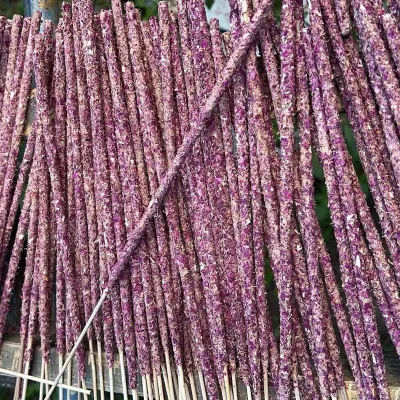
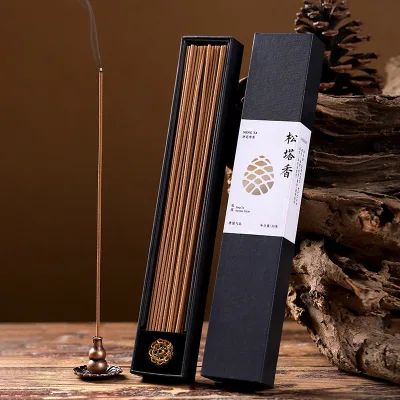
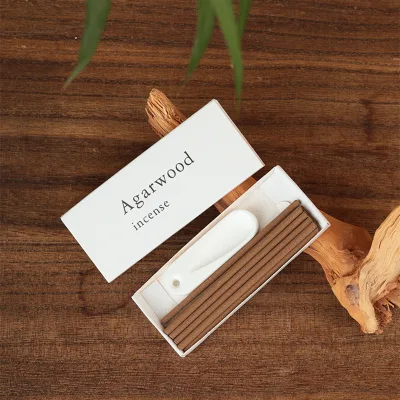
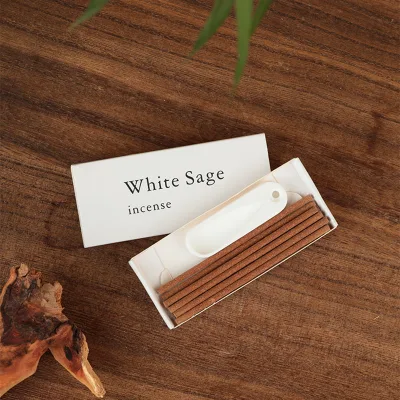
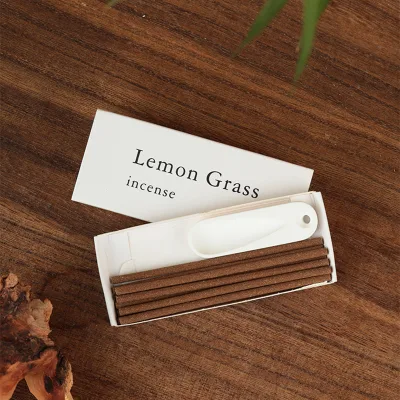
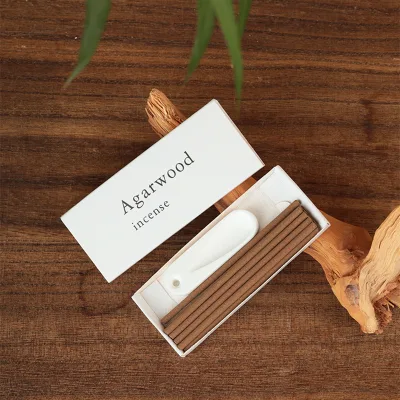
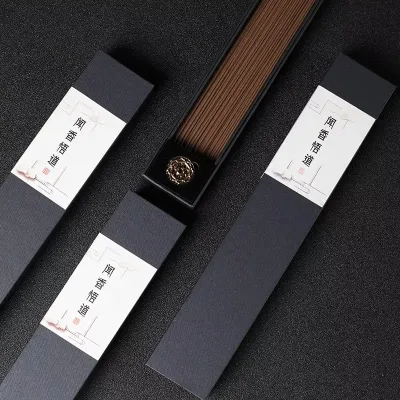
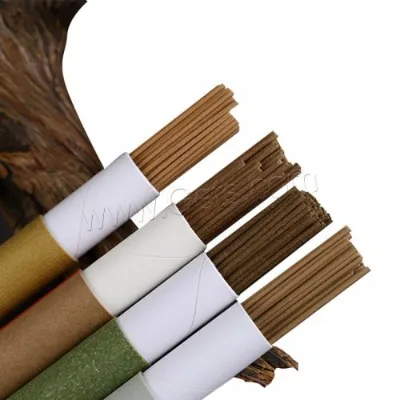
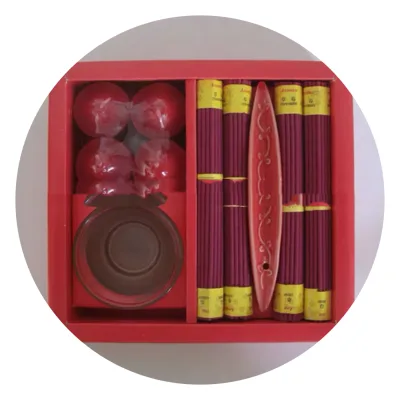
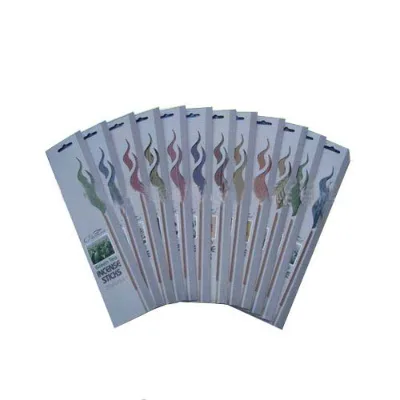
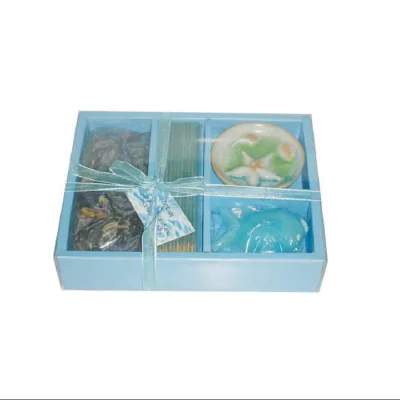
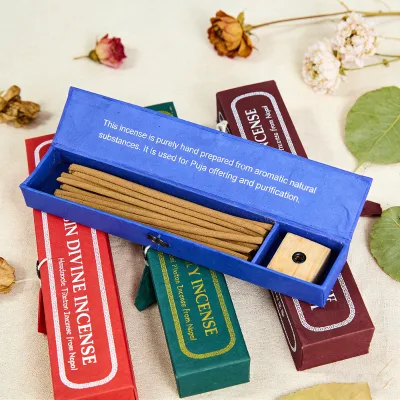
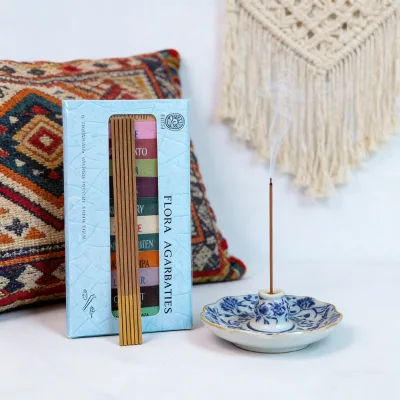
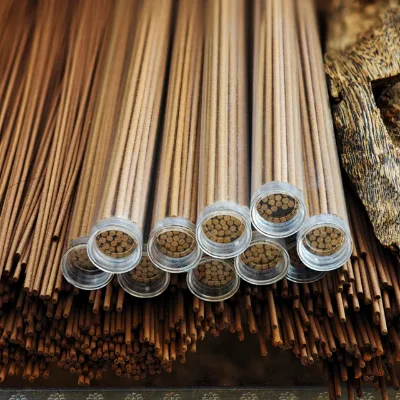
Agarwood Incense Stick Scented Bamboo Stick Religious Use Wood Material
$98.00 - $115.00
MOQ: 10 kilograms
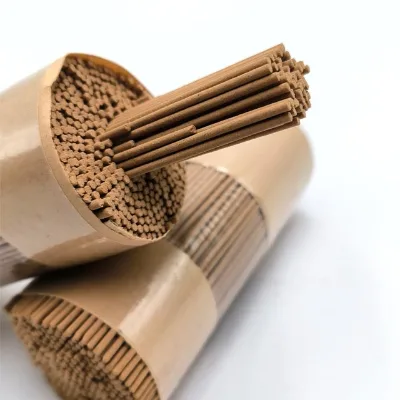
High Quality Sandalwood Incense Sticks Bundle Aromatic Herb Incense for Meditation Packed in Carton
$45.49 - $53.48
MOQ: 1 kilograms


Comprehensive Sourcing Guide
Strategic Sourcing Guide for Handmade Cotton Scented Incense Sticks
Understanding Product Definitions and Material Composition
The core keyword "Handmade Cotton Scented Incense Sticks" requires a precise understanding of material composition, as the supplied product data reveals a market dominated by wood and bamboo substrates rather than cotton. In the current B2B landscape, incense sticks are typically constructed using a bamboo or wood core (such as sandalwood or agarwood) coated with a paste of natural fibers, essential oils, and binders. The provided data explicitly lists "Bamboo" and "Wood" as the primary materials for products like the "ACASA ARTO" incense sticks and "56Healing" wooden incense variants. While the search term specifies "cotton," buyers must verify if the "cotton" refers to the binding agent within the paste or if it is a misnomer for the fibrous texture of the finished stick.
The observed product attributes indicate that "Hand-made" is a significant feature, with suppliers claiming the production process involves manual assembly. This manual intervention often correlates with the "Modern Art Antique" style and "Long-lasting" performance claims found in the data. However, the material specification "Wood Incense" and "Agarwood Incense Stick" suggests that the core structural element is lignocellulosic. When sourcing, buyers should clarify whether the "cotton" designation implies a specific type of natural fiber binder or if the product is actually a wood-bamboo composite. The regional features listed, including "Indian Incense," "Chinese Incense," "Tibetan Incense," "Japanese Incense," and "Cambodian Incense," highlight that the sourcing strategy must account for distinct regional formulations. Indian and Tibetan varieties often utilize different binding agents compared to Chinese or Japanese styles, which may influence the texture and burn rate.
Technical Specifications and Physical Attributes
When evaluating technical specifications, the physical dimensions and packaging data provide critical benchmarks for logistics and storage. The supplied facts show a wide variance in product sizes, ranging from "221cm" for standard sticks to "83cm" for holders or specific variants. The "Single package size" varies significantly, with observations of "20X15X10 cm" for smaller units and "30X22X18 cm" for larger batches. Buyers must note that the "Single gross weight" can range from 1.5 kg to 3.000 kg depending on the specific model and packaging density.
The packaging standards are equally diverse. Some products utilize a "Box Package" or "Box" format, while others adhere to "Safe International Standard Packing." The "Package size per batch" is listed as "35X28X30 cm," which is essential for calculating container load optimization. For a procurement strategy, understanding these dimensions is vital to prevent damage during transit, especially for handmade items that may be more fragile than machine-pressed alternatives. The "Model number" system, such as "LP260701" or "56H-GS-2035," serves as a unique identifier for tracking specific formulations and sizes. Buyers should cross-reference these model numbers with the "Size" and "Material" attributes to ensure the ordered item matches the intended application.
Compliance, Certification, and Safety Verification
Compliance and certification checks are paramount when importing incense products, particularly given the "100% Natural" claims often associated with handmade varieties. The supplied data mentions "factory direct" and "factory wholesale price," which implies a direct supply chain, but it does not explicitly list third-party certifications like ISO, FDA, or REACH. Buyers must independently verify that the "High Quality" assertion is backed by safety data sheets (SDS) and combustion safety reports. The "Usage" categories, such as "Aromatherapy" and "Incense," imply inhalation exposure, necessitating strict adherence to volatile organic compound (VOC) limits in the destination market.
Since the data lists "Indian Incense" and "Chinese Incense" as regional features, buyers should be aware that different countries have varying regulatory frameworks for aromatic products. For instance, the European Union has stringent regulations regarding the release of certain substances during combustion. The "Feature" attribute mentions "100% Natural," which requires verification to ensure no synthetic fillers or harmful chemicals are used in the binding paste. Buyers should request test results for heavy metals, specifically lead and mercury, which can be present in natural dyes or soil contaminants. Additionally, the "OEM /ODM: Customization Service Provided" note suggests that suppliers can alter formulations, which introduces a risk of introducing non-compliant ingredients if the customization process is not strictly monitored.
Cost Drivers and Pricing Structures
The cost structure for handmade incense sticks is influenced by several factors, including labor intensity, raw material sourcing, and packaging complexity. The observed "MOQ" (Minimum Order Quantity) ranges from 1 to 3000, with specific instances of "2 KG" and "100pcs" listed. This wide range indicates that buyers can source small batches for sampling or large volumes for distribution, but the unit price will likely fluctuate based on the order volume. The "Selling Units" are listed as "Single item" or "Multiple of 1 items," which affects how pricing is calculated per unit versus per batch.
The "Factory wholesale price" feature suggests that costs are competitive, but the "Hand-made" attribute implies a higher labor cost compared to mass-produced alternatives. The "Gross weight per batch" of 2.0 kg and 3.000 kg indicates that shipping costs will be a significant portion of the total landed cost, especially for international orders. Buyers should analyze the "Single gross weight" of 1.5 kg to 3.0 kg to estimate freight charges accurately. Furthermore, the "Regional feature" diversity means that sourcing from India, China, or Japan may incur different tariffs and duties. The "Optional" scent selection allows for customization, which can add to the cost if specific rare essential oils like "Oud" or "Lotus" are requested.
Typical Applications and Market Segmentation
The applications for these incense sticks are diverse, spanning "Aromatherapy," "Aromatic" use, and general "Incense" consumption. The "Scent" profiles listed include "Lavender," "Rose," "osmanthus," "Lotus," and "Oud," catering to different consumer preferences and cultural contexts. The "Season: All-Season" attribute indicates that these products are suitable for year-round use, making them versatile for retail and hospitality sectors. The "Style: Modern Art Antique" suggests a dual market appeal: one for traditional religious or spiritual practices and another for modern home decor and wellness trends.
The "Usage" as "Agarwood Incense Stick" points to a premium segment where the scent and material value are high. Agarwood is a luxury material, and products featuring it often target high-end markets. Conversely, "Wood Incense" with scents like "Lavender" and "Rose" may target the mass market for home fragrance. The "Product name" variations, such as "Incense Sticks" and "Wooden Incense Holder," indicate that buyers can source complementary products to create a complete product line. The "Regional feature" diversity allows buyers to curate a collection that appeals to specific cultural demographics, such as offering Tibetan incense for spiritual markets and Japanese incense for aesthetic-focused consumers.
Supplier Evaluation and Quality Control Protocols
Evaluating suppliers requires a focus on their ability to maintain consistency in "Hand-made" production. The data shows multiple "brand names" like "ACASA ARTO" and "56Healing," indicating a fragmented market with various private labels. Buyers should verify the "Place of origin" to ensure the supplier has the necessary expertise in the specific regional style they are sourcing. For example, a supplier in "Zhejiang, China" may specialize in Chinese incense, while a supplier in "Andaman and Nicobar Islands, India" may focus on Indian formulations.
Quality control should focus on the "Quality: High Quality" claim. Buyers must implement a sampling process, as the "Sample: Avialable" attribute confirms that suppliers are willing to provide prototypes. The "Logo: Y" indicates that branding is possible, but the quality of the logo application must be checked to ensure it does not interfere with the burning process. The "Packing: Box" and "Safe International Standard Packing" attributes suggest that packaging is a key quality indicator. Buyers should inspect the packaging for durability to prevent damage during transit. Additionally, the "Feature: Long-lasting" claim requires verification through burn tests to ensure the stick burns evenly without extinguishing prematurely.
Long-Term Procurement Considerations
For long-term procurement, buyers must consider the scalability of "Hand-made" production. The "MOQ" of 100pcs to 3000 suggests that suppliers can handle both small and large orders, but the "Hand-made" nature may limit rapid scaling. Buyers should establish a relationship with suppliers who offer "OEM /ODM: Customization Service Provided" to adapt to changing market trends. The "Scent: optional" feature allows for flexibility in product development, enabling buyers to introduce new fragrances based on consumer feedback.
Sustainability is another critical long-term factor. The "100% Natural" claim aligns with growing consumer demand for eco-friendly products. Buyers should verify the sourcing of raw materials like "Bamboo" and "Wood" to ensure they are harvested sustainably. The "Regional feature" diversity also offers an opportunity to support local economies and preserve traditional craftsmanship. Finally, the "Lead time" and "Sample" availability are crucial for maintaining a steady supply chain. Buyers should negotiate clear terms for sample approval and production lead times to avoid delays in restocking popular items.
Comparative Analysis of Product Attributes
| Attribute Category | Observation A (Bamboo/Wood) | Observation B (Agarwood/Regional) | Observation C (Packaging/Logistics) |
|---|---|---|---|
| Primary Material | Bamboo, Wood | Agarwood, Wood | N/A |
| Scent Profile | Lavender, Rose, Osmanthus, Lotus | Oud, Optional | N/A |
| Origin Region | Zhejiang, China | Andaman and Nicobar Islands, India | N/A |
| MOQ | 2 KG, 100 pcs | 100 pcs | N/A |
| Packaging | Box Package, Safe International Standard | Box, Safe International Standard | 35X28X30 cm (Batch) |
| Style | Modern Art Antique | Agarwood Incense Stick | N/A |
| Usage | Aromatherapy, Incense | Agarwood Incense Stick | N/A |
This table highlights the diversity in the market. Buyers must carefully select products that align with their specific target audience, whether it is the mass-market appeal of lavender and rose scents or the premium positioning of agarwood and oud. The logistical data, such as batch sizes and packaging dimensions, must be integrated into the supply chain strategy to ensure cost efficiency and product integrity. By adhering to these evidence-based guidelines, buyers can navigate the complex landscape of handmade incense sourcing with confidence and precision.
FAQs
What materials are used for handmade incense sticks?
The primary materials are bamboo and wood, not cotton. Products like ACASA ARTO use bamboo cores, while 56Healing variants use wood. Buyers should verify if cotton refers to binding agents rather than the stick structure.
Which regional styles are available for these incense sticks?
Available styles include Indian, Chinese, Tibetan, Japanese, and Cambodian incense. The product data lists these as regional features. Buyers can select specific styles based on cultural preferences or scent profiles like Oud or Lotus.
Can buyers request customization for incense stick scents?
Yes, suppliers offer customization services for scents and branding. The data indicates optional scents like Oud and Lavender are available. Buyers can also request specific packaging or logo application through OEM and ODM services.
What is the minimum order quantity for these products?
Minimum order quantities vary by supplier, ranging from 100 pieces to 2 kilograms. Some listings specify 100 pcs as a baseline, while others require 2 KG. Buyers should check specific model requirements before placing orders.
How are the incense sticks packaged for international shipping?
Products are typically packed in boxes or safe international standard packaging. Single package sizes range from 20x15x10 cm to 30x22x18 cm. Batch packaging dimensions are around 35x28x30 cm to ensure safe transit.
Are these incense sticks suitable for aromatherapy use?
Yes, the products are explicitly listed for aromatherapy and aromatic usage. Scents include Lavender, Rose, Osmanthus, and Lotus. They are designed for all-season use in home fragrance and wellness applications.
What is the origin of the handmade incense sticks?
Products originate from Zhejiang, China, and the Andaman and Nicobar Islands, India. The regional features confirm these specific locations. Buyers should verify the origin to ensure the desired regional style and formulation.