Source Handmade Massage Bed Pillow for Hotel, Neck, and Bedding
Find 30 Handmade Massage Bed Pillow options for hotel, neck, and bedding applications. Compare materials like cotton and PU, features such as memory foam and inflatable designs, and customization services including OEM and logo printing from verified suppliers.
Key considerations
Products List


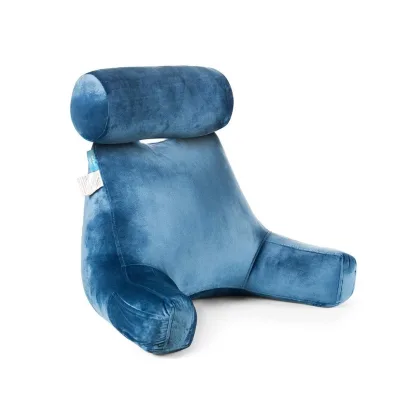


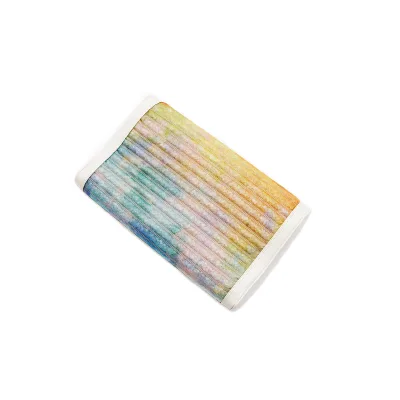


Comprehensive Sourcing Guide
Handmade Massage Bed Pillow Sourcing Guide
The market for handmade massage bed pillows presents a diverse landscape where manufacturers blend traditional craftsmanship with modern functional requirements. Based on observed listings, these products range from square plaid designs intended for children to specialized U-shaped and oblong models targeting adult users for hotel, bedding, and neck support applications. Buyers must navigate a wide array of material choices, including 100% cotton, PU, and 100% polyester, each offering distinct tactile properties suitable for different therapeutic and decorative needs.
Procurement decisions should prioritize the specific functional attributes required for the end-use environment, as the observed data indicates significant variation in features such as memory foam filling, inflatable capabilities, and resistance to temperature or impact. While some listings highlight "handmade" or custom aesthetic elements like plaid patterns, others focus on technical performance metrics like deep sleep support or anti-static properties. Understanding this spectrum is essential for aligning product selection with the intended application, whether it is for a luxury hotel amenity, a home wellness setup, or a specialized massage therapy center.
Product Scope and Observed Listing Signals
Buyers should first categorize potential inventory by the specific shape and style attributes that define the product's utility and aesthetic appeal. The available data shows a clear segmentation between square plaid pillows designed for younger demographics and U-shaped or oblong models tailored for adult neck and head support. This distinction is critical because the ergonomic requirements for a child's decorative pillow differ significantly from the therapeutic needs of an adult seeking deep sleep or massage therapy support, influencing both the material density and the structural design.
Commercial signals in the marketplace also reveal a strong emphasis on customization and OEM capabilities, with many suppliers offering custom logos, packing solutions, and standardized or bespoke dimensions. The observed product models, such as Hand Pillow-051O and Massage Pillows-057L, demonstrate that manufacturers are prepared to produce items with specific functional features like memory foam filling or inflatable mechanisms. Procurement teams must verify if the "handmade" aspect refers to the stitching technique, the assembly process, or the overall design philosophy, as this affects the consistency of the final product and the scalability of the order.
Technical Specifications to Verify
When evaluating technical specifications, the primary focus must be on the material composition and filling type, as these directly dictate the product's durability, comfort, and therapeutic value. The market offers options ranging from 100% cotton and 100% polyester to PU materials, with fillings that include memory foam or inflatable structures. Buyers need to confirm the exact material blend for each unit, ensuring that the selected fabric meets the required softness and breathability standards while the filling provides the necessary support for the intended body part, such as the head or neck.
Dimensional accuracy and packaging standards are equally critical, as the observed listings show a mix of fixed dimensions like 603511*9cm and fully customized size options. Verification should extend to the packing method, which varies from individual polybag packaging to bulk carton packages, as this impacts shipping costs and product protection during transit. Additionally, technical features such as cold-resistance, heat-resistance, and impact-resistance must be validated against the specific environmental conditions where the pillow will be used, ensuring the product maintains its integrity and functionality over time.
Compliance and Safety Documentation
Safety and compliance verification is paramount, particularly when sourcing products intended for children or for use in hospitality environments where health standards are strictly enforced. While some listings mention certifications like CE, ISO, and RoHS, buyers must request current, valid documentation for every batch to ensure the materials and manufacturing processes meet international safety requirements. It is essential to confirm that the specific product model being ordered carries these certifications, as the presence of a certification on one model does not automatically extend to all variations within a supplier's catalog.
For products marketed with health-related claims, such as "Healthy Deep Sleep" or "Therapy," buyers should scrutinize the supporting evidence and ensure that any functional assertions are backed by verifiable data or recognized standards. Although OEKO-TEX is a recognized standard for textile safety, its specific application to the current product listings is not explicitly confirmed in the provided data, so buyers should treat it as a verification target rather than an assumed attribute. Ensuring that the product meets the necessary chemical and physical safety standards is a prerequisite for avoiding liability issues and maintaining brand reputation in the global market.
Cost Drivers and Commercial Terms
The cost structure for handmade massage bed pillows is heavily influenced by the complexity of the customization, the choice of raw materials, and the minimum order quantity (MOQ) requirements. Observed data indicates a wide MOQ range from 1 to 1000 units, with some specific listings suggesting higher thresholds like 10,000 units for certain configurations. Buyers must analyze the trade-off between unit price and order volume, as higher customization levels, such as custom logos or unique packing, often incur additional setup costs that can significantly impact the total landed cost.
Currency fluctuations and payment terms also play a significant role in the commercial equation, with listings indicating pricing in US dollars. Procurement teams should negotiate clear terms regarding price stability, especially for long-term contracts, and clarify how changes in raw material costs, such as cotton or PU, will be handled. Additionally, the lead time and shipping logistics, which can vary based on the origin location like Dongguan, Guangdong, must be factored into the total cost of ownership to ensure that the supply chain remains responsive to market demands without incurring unexpected delays or expedited shipping fees.
Supplier Qualification and Quality Control
Supplier qualification should begin with a thorough assessment of their manufacturing capabilities, specifically their ability to handle the "handmade" or custom aspects of the product without compromising consistency. Buyers must verify the supplier's experience with the specific materials and techniques required, such as woven polyester or memory foam integration, and ensure they have the infrastructure to support the requested customization levels. The presence of OEM and ODM support is a positive indicator, but it must be backed by a proven track record of delivering products that meet the agreed-upon specifications and quality standards.
Quality control protocols must be rigorous, covering every stage from raw material inspection to final packaging. Given the diverse features observed, such as anti-static properties or magnetic elements, suppliers should demonstrate a robust testing process to ensure these features function as advertised. Buyers should establish clear acceptance criteria for defects, particularly regarding the stitching quality of handmade elements and the integrity of the filling, and consider implementing third-party inspections for large orders to mitigate the risk of receiving substandard goods.
Long-Term Procurement Checks
Sustaining a successful procurement relationship requires ongoing monitoring of supplier performance and product consistency over time. Buyers should establish a schedule for regular quality audits and performance reviews to ensure that the supplier continues to meet the agreed-upon standards for materials, dimensions, and functional features. This proactive approach helps identify potential issues early, such as material degradation or changes in manufacturing processes, allowing for timely corrective actions before they impact the end customer.
As market demands evolve, the ability of the supplier to adapt to new requirements, such as updated safety standards or changing design trends, becomes a critical factor in long-term viability. Buyers should maintain open communication channels with suppliers to discuss future product developments and ensure that the supply chain remains flexible enough to accommodate changes in order volume or product specifications. Regularly reviewing the supplier's after-sales support capabilities, such as online technical support, ensures that any post-delivery issues can be resolved efficiently, protecting the buyer's investment and customer satisfaction.
FAQs
What materials are used for handmade massage bed pillows?
These pillows are crafted from 100% cotton or PU materials. Cotton options offer a soft, breathable feel suitable for decorative or hotel use. PU variants provide durability and are often filled with memory foam for enhanced comfort and support during massage or deep sleep applications.
Can I customize the logo and packaging for these pillows?
Yes, customization is available for both logos and packaging. Buyers can accept custom logos and request specific packing methods, such as individual polybags or carton packages. This flexibility supports branding needs and ensures products arrive securely, meeting specific logistical or aesthetic requirements for your business.
What are the standard specifications for memory foam massage pillows?
Standard specifications include dimensions like 60x35x11cm or 67x40x10cm. Some models are customized to fit specific needs. Features often include memory foam filling for head support, with options for plain or plaid styles. These dimensions ensure adequate coverage for neck and back massage applications.
Which certifications do these massage pillows typically hold?
Products often hold CE, ISO, and RoHS certifications. These standards ensure safety and quality compliance for international markets. Buyers should verify specific model certifications, as requirements vary by material and intended usage, ensuring the pillows meet regulatory standards for health and deep sleep applications in target regions.
What is the typical MOQ for bulk orders of these pillows?
The minimum order quantity varies, with some listings showing an MOQ of 10,000 units. Other options may start as low as 1 unit. Buyers should check specific supplier requirements, as MOQs depend on customization levels, material choices, and production capacity, affecting initial investment and inventory planning.
Are these pillows suitable for hotel and decorative use?
Yes, they are designed for hotel, decorative, and massage purposes. Features include anti-static, memory, and inflatable options. Styles range from plain to plaid, with colors like white or customized hues. These versatile designs support various applications, from guest room amenities to therapeutic massage environments.