Source Handmade Rhinestone Hair Claw for Daily, Party, and Gift Use
Explore 30 options for handmade rhinestone hair claw designs, including butterfly, tassel, and floral styles. Compare materials like metal, acetate, and resin, review sizes from 8 cm, and check MOQs starting at 2 pieces for bulk sourcing needs; compare the available evidence and request quotations based on your requirements.
Key considerations
Products List








Comprehensive Sourcing Guide
Handmade Rhinestone Hair Claw Sourcing Guide
Sourcing handmade rhinestone hair claws requires careful attention to the specific construction methods and material integrity that define the product category. Buyers must distinguish between mass-produced metal variants and those featuring hand-set stones or resin components, as the latter often command different pricing and quality expectations. The observed market data indicates a diverse range of models, from simple metal claws to complex designs incorporating butterfly elements or floral motifs, each demanding distinct verification protocols during the selection process.
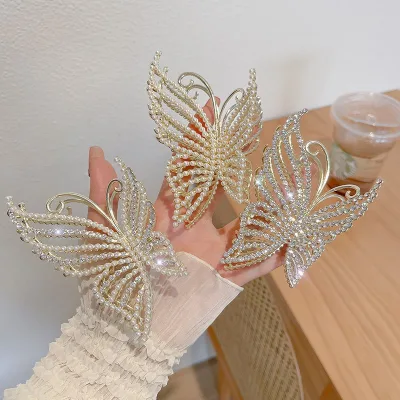
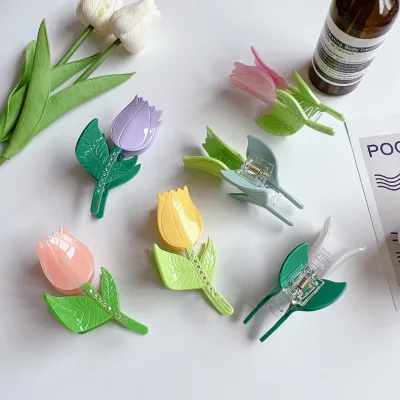
Procurement decisions should prioritize suppliers who can demonstrate consistent craftsmanship across varied styles, such as the observed "Butterfly Hair Claw" or "Tulip Hair Claw" models. Since the product range includes items made from metal, acetate, acrylic, and resin with rhinestone accents, buyers must ensure the supplier's production lines are equipped to handle these specific material transitions without compromising the aesthetic finish. Understanding these material distinctions is critical for aligning product expectations with the actual capabilities of the manufacturing facility.
Product Scope and Observed Listing Signals
The current market landscape for handmade rhinestone hair claws presents a wide spectrum of design variations, including specific models like the ML0156 Butterfly Hair Claw and the ML0112 Snake Hair Claw. These listings reveal that products are often categorized by distinct keywords such as "Zodiac Hair Claw" or "Hair Claw Flower," indicating a high degree of customization potential for buyers seeking unique inventory. The observed color options, ranging from mix-C1 through mix-C12, suggest that suppliers offer extensive palette choices to match diverse fashion trends and seasonal demands.
Buyers should note that packaging and unit specifications vary significantly across the product range, with single package sizes ranging from 9x7x4.5 cm to 11.7x5.5x5 cm depending on the model. This variation impacts logistics planning and shelf-space allocation, requiring precise verification of the single gross weight and packing details before finalizing orders. The presence of OEM capabilities and custom logo options further expands the scope, allowing brands to create exclusive collections while maintaining the handmade aesthetic that defines this product category.
Technical Specifications to Verify
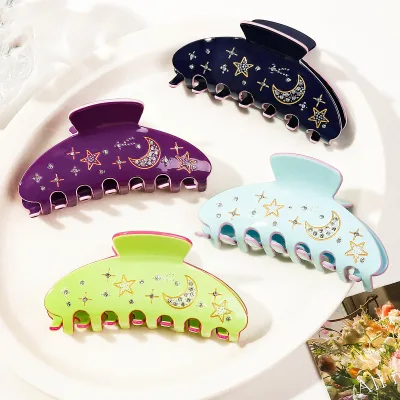
Technical verification must begin with the core material composition, as the observed listings include metal, acetic acid, acetate, acrylic, and resin-based constructions. Each material offers different durability and weight characteristics; for instance, metal claws provide structural strength while resin and rhinestone combinations offer a luxurious, heavy feel. Buyers must confirm the specific material grade for each order, ensuring that the "Acetate" or "Resin+Rhinstone" claims match the physical properties required for the intended market segment.
Dimensional accuracy is another critical technical parameter, with observed model sizes ranging from 8 cm to larger configurations suitable for thick hairstyles. The single package dimensions and gross weights provided in listings serve as baseline data, but buyers should request physical samples to verify that the actual product size matches the stated specifications. Additionally, the structural integrity of the claw mechanism and the adhesion quality of the rhinestones must be tested to ensure they withstand daily use without loosening or breaking under stress.
Compliance and Safety Documentation
While specific certification statuses like ISO 9001 or BSCI are mentioned in background contexts, buyers must treat these as potential attributes rather than guaranteed facts for every listed product. It is essential to request current, valid compliance documentation directly from the supplier to confirm that the manufacturing facility adheres to international safety standards for hair accessories. This verification process ensures that the products, particularly those containing small rhinestones or specific chemical materials, meet the safety regulations of the target export markets.
Safety testing for heavy metals and phthalates is particularly relevant for products containing resin, rhinestones, and metal components that may come into prolonged contact with skin and hair. Buyers should insist on third-party test reports that specifically address the materials used in the "Luxury Rhinestone Hair Claw" or similar high-end variants. Without these documents, there is a risk of non-compliance with consumer protection laws, which could lead to product recalls or legal liabilities in regulated markets.
Cost Drivers and Commercial Terms
The observed price range of 0.45 to 5.95 USD reflects significant variation driven by material complexity, hand-setting labor, and decorative elements like rhinestones or butterfly motifs. Buyers must analyze the cost structure to understand why certain models, such as those made from "Resin+Rhinstone," command higher prices compared to simpler metal or acrylic versions. This price differentiation is often a direct result of the labor intensity required for handmade assembly and the cost of premium decorative components.
Commercial terms, including Minimum Order Quantities (MOQ) and lead times, vary across the product range, with observed MOQs starting as low as 2 pieces and extending up to 500 units. The lead time of 1-10 days suggests a flexible production capacity, but buyers should confirm if this applies to custom orders or standard stock items. Understanding these commercial variables is crucial for balancing inventory costs with the need for rapid replenishment, especially when dealing with seasonal fashion trends that require quick turnaround times.
Supplier Qualification and Quality Control
Supplier qualification should focus on their ability to maintain consistency across diverse product lines, from the "Chun Surplus" branded items to OEM custom orders. Buyers must assess the supplier's quality control processes to ensure that the handmade nature of the rhinestone hair claws does not result in inconsistent stone placement or finish defects. The presence of "Custom Logo" and "OEM/ODM" capabilities indicates a mature supply chain, but this must be backed by rigorous inspection protocols to maintain brand reputation.
Quality control checks should include visual inspections for loose stones, structural integrity of the claw mechanism, and the accuracy of color matching against the provided samples. Given the variety of materials observed, from metal to acetic acid, the supplier must demonstrate expertise in handling each material type without cross-contamination or quality degradation. Establishing a clear quality agreement that defines acceptable defect rates and return policies is essential for mitigating risks associated with handmade production variability.
Long-Term Procurement Checks
Long-term procurement success depends on the supplier's ability to scale production while maintaining the handmade quality that defines the product category. Buyers should establish regular review cycles to assess the supplier's performance against key metrics such as on-time delivery, defect rates, and responsiveness to design changes. The observed lead time of 1-10 days is a strong indicator of agility, but this must be sustained over multiple order cycles to ensure reliable supply chain operations.
Continuous monitoring of market trends and material availability is also necessary to adapt to shifting consumer preferences in the hair accessory sector. As the product range includes diverse styles like "Tulip Hair Claw" and "Snake Hair Claw," buyers must ensure the supplier can pivot quickly to new designs without compromising quality or increasing costs. Building a strategic partnership with a qualified supplier allows for better negotiation of terms and ensures a steady flow of innovative products that meet evolving market demands.
FAQs
What materials are used for handmade rhinestone hair claws?
Manufacturers typically use metal, acetate, acrylic, or resin combined with rhinestones. Metal options offer durability for daily wear, while acetate and acrylic provide vibrant colors and lightweight comfort. Resin bases allow for intricate designs and a shiny finish. Buyers should verify the specific material composition to ensure it meets their quality and aesthetic requirements.
What is the typical MOQ for these hair accessories?
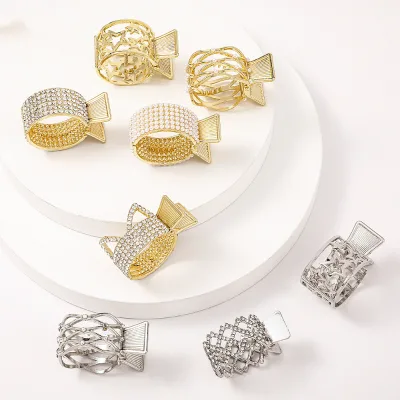
The minimum order quantity generally ranges from 2 to 500 pieces depending on the supplier. Specific items may have fixed MOQs, such as 12 pieces for metal rhinestone claws or 15 pieces for acrylic flower designs. Buyers should confirm the exact MOQ for their selected model number to ensure it aligns with their inventory planning and budget constraints.
Can I customize the logo on handmade rhinestone hair claws?
Yes, many suppliers accept OEM orders for custom logos. Buyers can request branding on the product or packaging to enhance their brand identity. This customization service allows for unique marketing strategies. It is advisable to discuss design files and approval processes with the manufacturer to ensure the final product matches your specific branding guidelines and quality standards.
What are the common styles and designs available?
Available styles include butterfly, snake, zodiac, tulip, and tassel designs. These fashion-forward options cater to daily wear, parties, festivals, and gift occasions. The designs often feature rhinestone embellishments for a luxurious look. Buyers can choose from various color mixes and specific model numbers to match current trends and customer preferences in the hair accessory market.
How long does production take for these items?
The lead time typically ranges from 1 to 10 days. This duration allows for efficient processing of orders while maintaining quality control. Buyers should confirm the exact timeline with their supplier, as it may vary based on order volume and customization requirements. Planning ahead ensures timely delivery for seasonal demands or specific event-related purchases.
What is the price range for handmade rhinestone hair claws?
Prices generally range from 0.45 to 5.95 USD per piece. The cost varies based on materials, design complexity, and order quantity. Metal and resin options may differ in pricing compared to acrylic or acetate versions. Buyers should request detailed quotations to understand the cost structure and determine the best value for their specific sourcing needs and budget.