Source Rhinestone Alloy Hair Clip for Daily, Wedding, and Youth Use
Explore 30 options for the Rhinestone Alloy Hair Clip, featuring zinc alloy and metal materials in gold and silver finishes. Compare customization, casting processes, and packaging details for fashion and elegant styles suitable for girls and youth; compare the available evidence and request quotations based on your requirements.
Key considerations
Products List


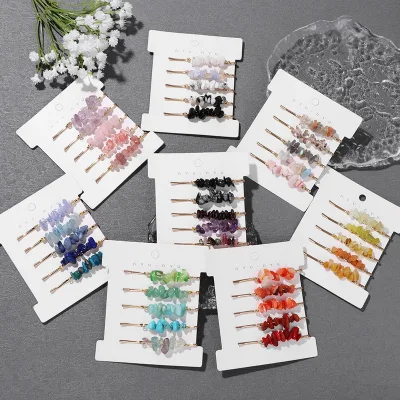
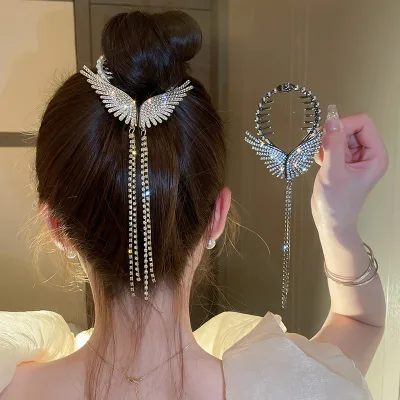
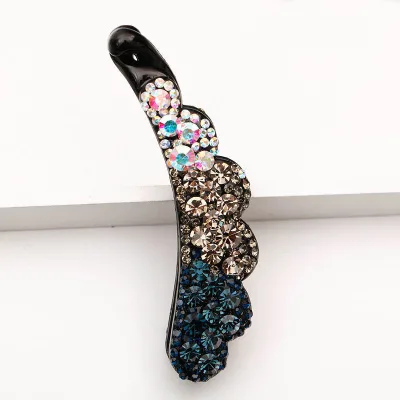
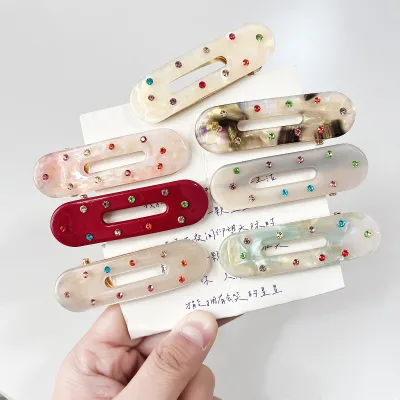
Women Hair Styling Decoration Fashion Acetate Colored Rhinestone Hair Clip
$0.95 - $1.20
MOQ: 20 pieces


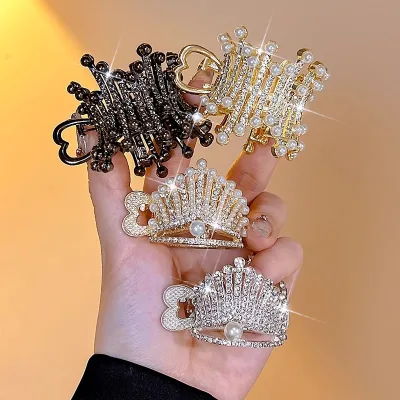


Comprehensive Sourcing Guide
Rhinestone Alloy Hair Clip Sourcing Guide
Buyers evaluating rhinestone alloy hair clips must first distinguish between functional daily wear and formal occasion pieces, as the observed market data indicates distinct product lines for general use versus wedding events. The available inventory includes models specifically designed for girls and youth, featuring flower shapes and geometric elements that cater to fashion-forward styling needs. Understanding these application nuances is critical before initiating contact, as the intended use dictates the required durability, aesthetic finish, and customization depth.
Procurement strategies should account for the diverse material compositions observed, ranging from zinc alloy bases to rhinestone-heavy designs and general metal constructions. The listing signals reveal a strong emphasis on plating processes for surface finish, with gold and silver being the primary color options available in the current market. Sourcing teams must align their selection criteria with these material realities to ensure the final product meets the specific visual and tactile expectations of the target demographic without compromising structural integrity.
Product Scope and Observed Listing Signals
The current market landscape for rhinestone alloy hair clips presents a wide range of models, including specific identifiers like LG00016 and various HF-series numbers, which suggests a highly segmented product catalog. Buyers should note that while some items are packaged simply in plastic bags, others utilize inner and outer cartons, indicating different shipping and handling requirements based on the specific model selected. This variation in packaging standards directly impacts logistics planning and the potential for damage during transit, requiring careful verification of the packing specifications for each order.
Observations confirm that customization is a central feature of this product category, with many suppliers offering OEM services for custom logos and adaptable color palettes. The availability of multiple color codes, ranging from C1 to C12, alongside specific model numbers like HC0052, allows for significant flexibility in branding and design. However, buyers must verify that the "customizable" attribute applies to the specific design elements they require, as the extent of customization can vary significantly between different suppliers and product lines.
Technical Specifications to Verify
Technical due diligence must begin with the verification of metal composition, as the observed data lists both zinc alloy and general metal materials alongside rhinestone components. Buyers should explicitly confirm the plating process and thickness, as these factors determine the longevity of the gold or silver finish and resistance to tarnishing. The casting production process mentioned in the listings implies specific manufacturing capabilities that may affect the precision of intricate details like flower shapes or geometric elements, necessitating a review of sample quality before bulk ordering.
Dimensional accuracy and weight are critical parameters for hair accessories, particularly given the observed single package sizes and gross weights ranging from 0.03 kg to larger carton dimensions. Specifications such as the 5.8x1cm size for certain clips and the 9x8x2 cm single package size provide a baseline for storage and shipping calculations. Procurement teams must ensure that the physical dimensions of the selected model align with the intended retail packaging and that the weight does not compromise the comfort or security of the hair clip when worn.
Compliance and Safety Documentation
Safety compliance is paramount for hair accessories intended for children and youth, requiring verification of heavy metal limits and sharp edge standards. While the provided facts do not list specific certification numbers, buyers must request test reports confirming that the alloy and plating materials meet international safety regulations for children's products. The distinction between items suitable for daily use and those for weddings may also imply different safety thresholds, necessitating a clear definition of the target age group to ensure appropriate compliance documentation is provided.
Documentation regarding the origin of materials and the manufacturing process is essential for supply chain transparency and risk management. The observed origin of Zhejiang, China, combined with the casting and plating processes, suggests a need for suppliers to provide traceability records for the raw metals and rhinestones used. Buyers should insist on certificates of analysis or material safety data sheets that verify the absence of hazardous substances, ensuring that the final product adheres to the safety standards of the destination market without relying on unverified claims.
Cost Drivers and Commercial Terms
Pricing in this sector is heavily influenced by the complexity of the plating process, the density of rhinestone application, and the level of customization required. The observed price range of 0.16 to 5.5 USD reflects the variance between simple metal clips and more elaborate designs featuring multiple colors and intricate shapes. Buyers must understand that lower price points often correlate with standard packaging and limited customization, while higher costs are associated with premium finishes, custom logos, and specialized packaging solutions like inner and outer cartons.
Commercial terms regarding Minimum Order Quantity (MOQ) and lead times are significant factors in the total cost of ownership, with observed MOQs ranging from 5 to 500 units and lead times as short as 1 to 10 days. The flexibility in MOQ allows for smaller initial orders, but buyers should negotiate volume discounts that align with their long-term demand forecasts. Additionally, the availability of custom logos and color options may introduce additional setup costs or extended lead times, which must be factored into the overall budget and production schedule planning.
Supplier Qualification and Quality Control
Supplier qualification should focus on their ability to maintain consistency in casting and plating processes, as these are the primary drivers of product quality in the alloy hair clip category. Buyers must assess the supplier's capacity to handle the observed range of models, from simple hair claws to complex crystal hair pins, ensuring they have the technical expertise to execute the requested designs accurately. Verification of their production facilities and quality control protocols is essential to prevent defects such as loose rhinestones or uneven plating that could lead to customer returns.
Quality control procedures must include rigorous inspection of the final product against the agreed-upon specifications, including color accuracy, dimensional tolerance, and packaging integrity. The observed variation in packing methods, from single OPP bags to multi-layer cartons, requires clear quality standards to ensure that the product arrives in perfect condition. Buyers should implement a pre-shipment inspection protocol that specifically checks for the stability of the rhinestone setting and the durability of the metal alloy under normal wear conditions.
Long-Term Procurement Checks
Sustainable sourcing requires ongoing monitoring of supplier performance regarding lead time reliability and the consistency of material quality over multiple production cycles. The observed lead time of 1 to 10 days is attractive, but buyers must verify that this speed is maintained during peak seasons or when custom orders are placed. Establishing a long-term partnership involves regular audits of the supplier's ability to meet the evolving demands of the market, particularly regarding the customization of colors and designs that align with changing fashion trends.
Continuous improvement in product offerings should be a key metric for long-term procurement success, with a focus on expanding the range of available models and materials. Buyers should encourage suppliers to innovate within the constraints of the alloy and rhinestone materials to create unique designs that differentiate their products in the market. Regular reviews of the product catalog, including the introduction of new models like the HF-series or updated color codes, will ensure that the procurement strategy remains competitive and responsive to consumer preferences.
FAQs
What materials are used for rhinestone alloy hair clips?
These hair clips are primarily constructed from zinc alloy and metal, providing durability and a premium feel. The surface features plating in gold or silver finishes, while the decorative elements incorporate rhinestones for added sparkle. This combination ensures a sturdy structure suitable for daily use and special occasions like weddings, offering both style and longevity for the wearer.
Can I customize the logo on these hair clips?
Yes, customization is available for these hair clips, including the addition of a custom logo. The products support OEM services, allowing buyers to brand the items according to their specific requirements. This flexibility makes them ideal for businesses looking to create unique merchandise. Buyers should confirm specific customization details and lead times with the supplier to ensure alignment with their project needs.
What is the typical MOQ for ordering these clips?
The minimum order quantity varies by supplier, typically ranging from 5 to 500 pieces. Some specific listings indicate an MOQ of 12 pieces, while others may require higher volumes. Buyers should check individual product pages for exact MOQ requirements. This range allows for flexibility, accommodating both small trial orders and larger bulk purchases for retail or promotional purposes.
How are these hair clips packaged for shipping?
Packaging methods vary, with some items packed individually in plastic bags or OPP bags. Others may be packed in inner cartons and outer cartons for bulk shipping. The single package size is often around 9x8x2 cm, with a gross weight of approximately 0.03 kg. Buyers should verify the specific packing details with the supplier to ensure safe delivery and compliance with their logistics requirements.
What styles are available for these rhinestone hair clips?
Available styles include fashion, elegant, and geometric designs, with shapes such as flowers. Colors range from gold and silver to various other options. The clips are suitable for girls and youth, making them versatile for daily use or weddings. Buyers can choose from different models and specifications to match their target audience's preferences and aesthetic requirements.
Where are these hair clips manufactured?
These hair clips are manufactured in China, with specific origins noted in Zhejiang province. The production process involves casting and plating to achieve the desired finish. Buyers sourcing from this region can benefit from established manufacturing capabilities and supply chain efficiency. It is advisable to verify the exact factory location and production capacity with the supplier for quality assurance and logistical planning.