Source Polka Dot Acetate Hair Clip for Daily Wear and Parties
Find 30 options for the Polka Dot Acetate Hair Clip, featuring styles from retro to elegant. Compare specifications like size, material, and packaging to select the right accessory for daily wear, parties, or holiday events; compare the available evidence and request quotations based on your requirements.
Key considerations
Products List
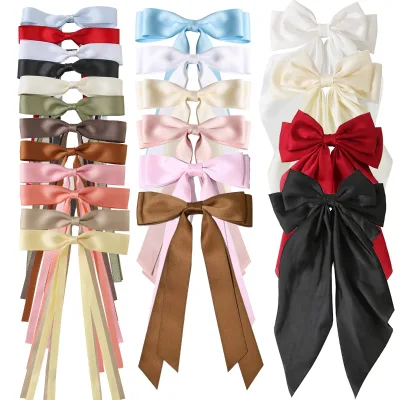
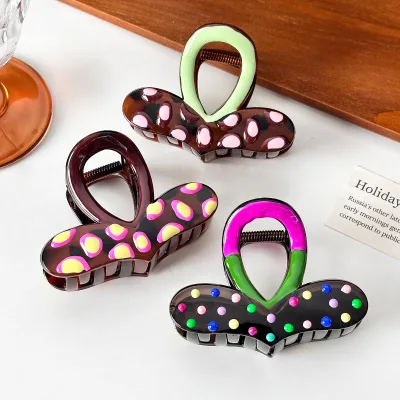
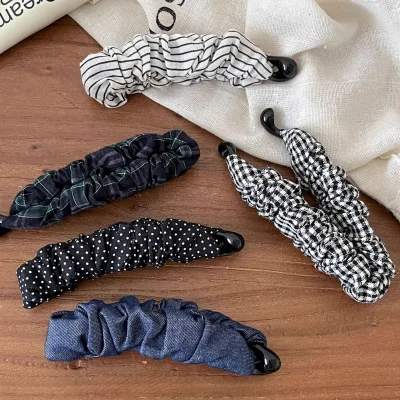
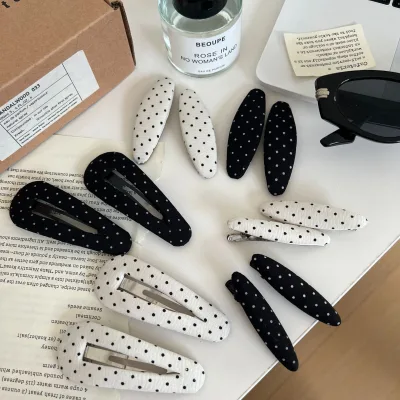


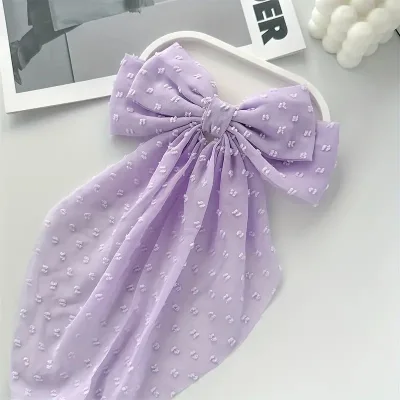
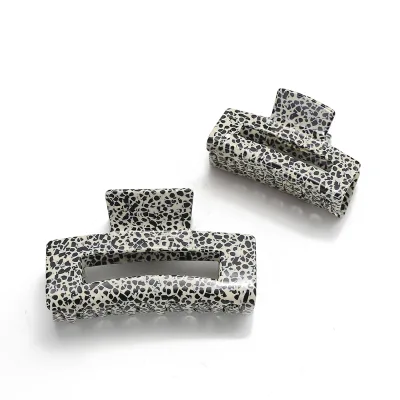
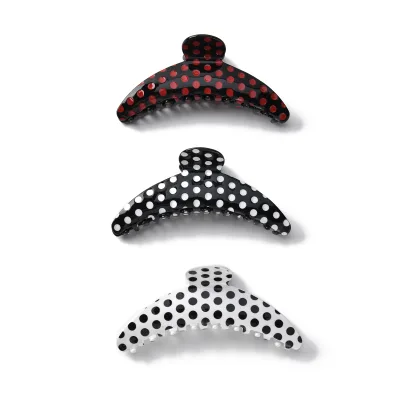
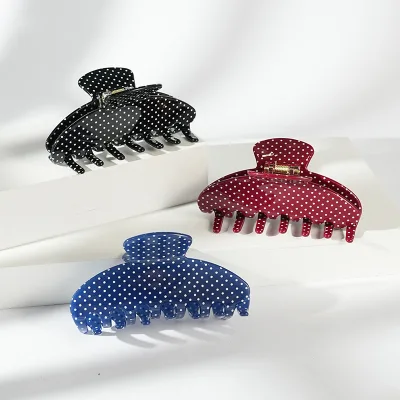

Hot Sale Hair Clips for Women Girls Elegant Gold Hair Accessories Gifts
$0.52 - $0.54
MOQ: 1850 Pieces
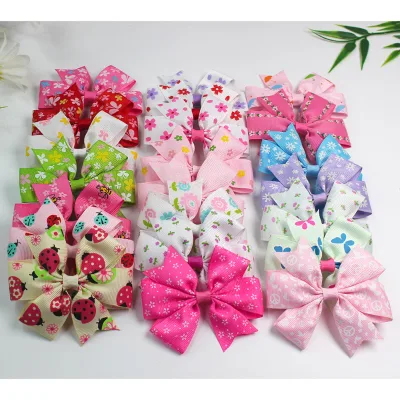
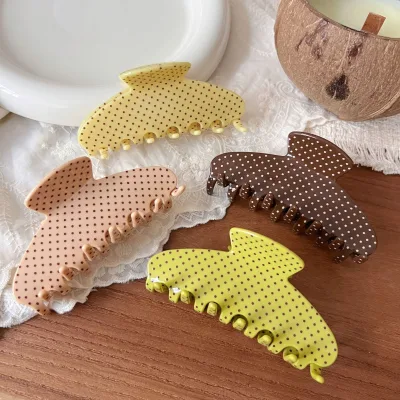
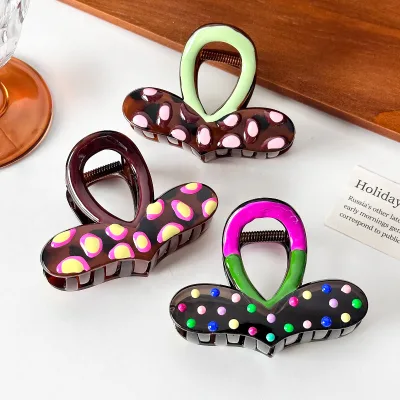
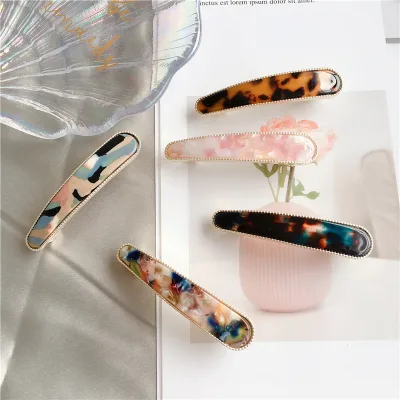

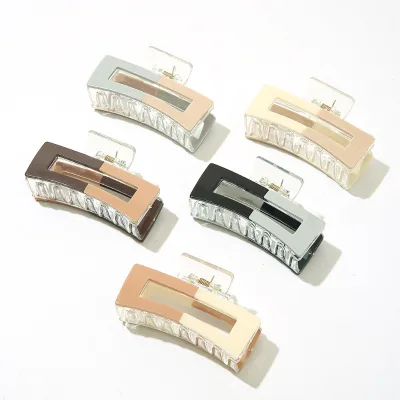
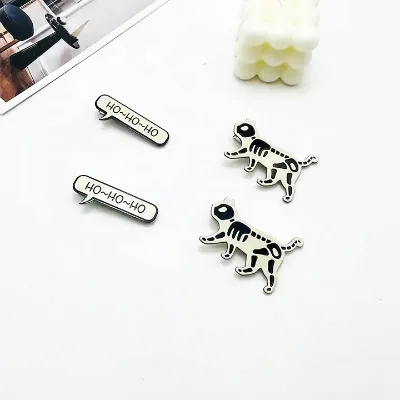
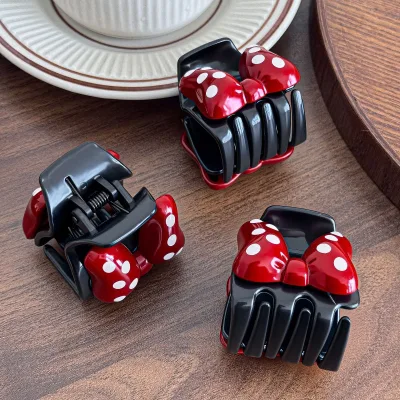

High Quality Acetate Hair Claw Clips Women's Round Black Minimalist Style
$1.38 - $1.58
MOQ: 500 Pieces

Hair Claws Fashion Fresh Strong Acrylic Acetate Checkered Hair Clips for Girls
$2.45 - $2.65
MOQ: 1000 Pieces

Accessories Acrylic Colorful Hair Clips Custom Logo Acetate Hair Claw Clips
$2.00 - $2.50
MOQ: 1000 Pieces



Comprehensive Sourcing Guide
Polka Dot Acetate Hair Clip Sourcing Guide
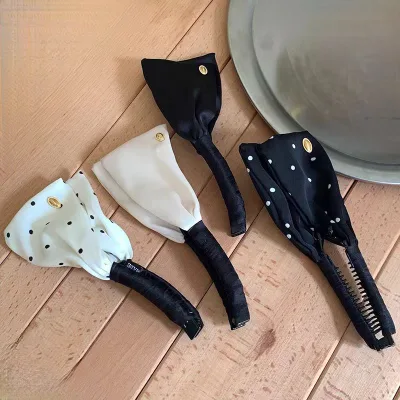
Sourcing polka dot acetate hair clips requires distinguishing between mass-produced fashion items and specialized handmade variants, as the market presents distinct material and style profiles. While some listings explicitly feature polka dot patterns on fabric-based banana clips, true acetate options often appear in gradient or solid color variations with similar structural designs. Buyers must carefully cross-reference material claims against visual evidence, as "acetate" and "fabric" are frequently listed as separate categories for similar-looking accessories.
Procurement teams should prioritize verifying the specific polymer composition when the design calls for a glossy, durable finish typical of acetate. The observed product data indicates a mix of materials, including acetate for French-style clips and fabric for retro banana clips, meaning a single supplier may offer both types under different model numbers. Clarifying whether the polka dot element is printed on acetate or woven into fabric is essential before placing orders, as this distinction dictates the manufacturing process and final product durability.
Product Scope and Observed Listing Signals
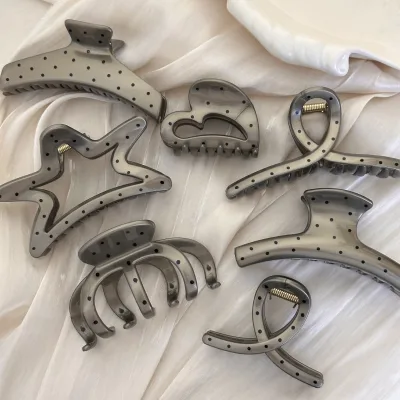
The current market signals reveal a diverse range of hair accessories, from French-style claw clips to retro banana clips, with polka dot patterns appearing primarily on fabric-based items rather than acetate. Listings show specific model numbers like DW2330 for acetate clips and WBCRFJ-348 for fabric banana clips, indicating that suppliers often categorize these items separately despite overlapping aesthetic goals. Buyers should expect to find polka dot designs in styles such as "Pleated polka dot style" or "Gray polka dot banana clip," which are distinct from the gradient or solid color acetate options.
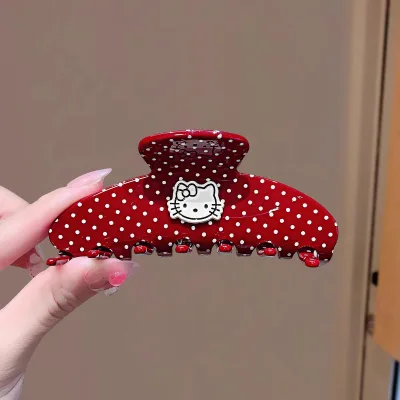
Visual attributes observed in the supply chain include elements like pleats, wrinkles, and specific color combinations such as red checkered or black and white striped patterns. While acetate clips are noted for their European and American style with gradient colors, the polka dot motif is strongly associated with the fabric category featuring handmade elements. Sourcing strategies must account for this segmentation, as the production techniques for molding acetate differ significantly from the cutting and sewing required for fabric-based polka dot accessories.
Technical Specifications to Verify
Buyers must rigorously verify physical dimensions, as observed listings show significant variance in size specifications ranging from 8.1cm by 6cm for claw clips to 10cm by 5cm for banana clips. The single package size and gross weight also differ, with acetate clips weighing approximately 0.038 kg and fabric variants around 0.04 kg. Confirming these exact measurements is critical for logistics planning and ensuring the product fits the intended retail packaging or display requirements without unexpected dimensional discrepancies.
Material composition verification is equally vital, as the term "acetate" implies a specific plastic derivative, whereas other listings specify "fabric" with elements like polka dots and pleats. Buyers should request physical samples to confirm the texture and flexibility of the material, ensuring it matches the intended use case for daily wear or party occasions. Additionally, checking the model number against the specific design elements, such as whether the polka dot is a printed gradient or a woven pattern, prevents mismatches between the ordered specification and the delivered product.
Compliance and Safety Documentation
While specific certification data for individual products is not universally provided in the observed listings, buyers should proactively request compliance documentation for any hair accessory entering regulated markets. Trusted category knowledge suggests that products intended for children or general public use often require adherence to standards regarding chemical safety and physical integrity, even if specific certificates like FSC or ISO 9001 are not explicitly listed for every item. Procurement teams must ensure that the supplier can provide test reports verifying that the acetate or fabric materials do not contain harmful substances.
Safety verification should extend to the mechanical strength of the clips, particularly for items used in daily hair styling where repeated opening and closing is expected. Buyers should inquire about the durability of the hinge mechanisms and the stability of the polka dot printing or fabric stitching to prevent breakage or detachment during use. Although some suppliers offer sample making services, the final bulk production must meet consistent safety benchmarks, and buyers should not assume compliance based solely on the availability of OEM services or general product descriptions.
Cost Drivers and Commercial Terms
The commercial landscape for these accessories is characterized by a wide range of Minimum Order Quantities, from as low as 2 pieces for samples to 10,000 pieces for large-scale OEM orders. This variance suggests that unit pricing will fluctuate significantly based on volume, with smaller orders likely carrying a premium for setup and handling costs. Buyers must align their order quantity with their budget and storage capacity, recognizing that the observed price range of 0.14 to 6 USD reflects different product types, materials, and order volumes.
Payment terms and sample policies also play a crucial role in the total cost of ownership, as some suppliers require a sample fee that is refundable upon placing a bulk order. The availability of mold making and sample making services indicates that custom designs, such as specific polka dot patterns on acetate, may incur additional tooling costs. Procurement teams should negotiate clear terms regarding these fees and ensure that the final unit cost includes all necessary packaging, such as individual OPP bags or polybags, to avoid hidden expenses during the fulfillment process.
Supplier Qualification and Quality Control
Supplier qualification should focus on their ability to handle both acetate molding and fabric construction, as the market data shows distinct capabilities for different material types. Buyers should verify if the supplier offers both sample making and mold making services, which indicates a higher level of manufacturing flexibility and quality control infrastructure. The presence of OEM and ODM capabilities suggests that the supplier can accommodate custom branding and design requirements, but this must be balanced with their track record for maintaining consistency across large production runs.
Quality control protocols must address the specific challenges of polka dot patterns, ensuring that the alignment of dots or the consistency of fabric prints remains uniform across all units. Since the observed listings include various styles like "Pleated polka dot style" and "Gray polka dot banana clip," buyers should establish clear acceptance criteria for visual defects and material integrity. Regular inspections during production are recommended to catch issues early, especially when dealing with complex elements like pleats or gradient colors that may vary between batches.
Long-Term Procurement Checks
Establishing a long-term partnership requires regular audits of the supplier's ability to maintain consistent quality and delivery timelines across different product lines. Buyers should monitor the supplier's response to feedback regarding material durability and design accuracy, particularly for items with specific aesthetic elements like polka dots that are prone to printing or stitching errors. Continuous communication regarding seasonal trends and style updates will help ensure that the product line remains relevant and competitive in the evolving hair accessory market.
Procurement teams should also track changes in supply chain dynamics, such as shifts in raw material availability or production costs, which could impact the pricing and lead times for acetate and fabric clips. Maintaining a diverse supplier base or securing backup options for critical components can mitigate risks associated with single-source dependencies. Regular reviews of the supplier's performance against agreed-upon standards and commercial terms will help sustain a reliable supply chain for polka dot acetate hair clips and related accessories.
FAQs
What materials are used for polka dot acetate hair clips?
Polka dot hair clips are primarily made from acetate or fabric. Acetate versions offer a smooth, glossy finish with gradient color options. Fabric styles may feature handmade elements like pleats or polka dot patterns. Both materials provide durability for daily wear and party occasions, ensuring the clips hold hair securely while adding a stylish accessory to any look.
Can I get a free sample of polka dot hair clips?
Free samples are available with a condition. You must pay the sample fee first. This fee is typically returned when you place a bulk order. This policy allows buyers to verify quality and design before committing to large quantities. It ensures that the product meets your specific requirements for color, size, and material before production begins.
What is the minimum order quantity for these hair clips?
The minimum order quantity varies by supplier. Some vendors accept orders as low as two pieces for testing. Others require twenty pieces or even ten thousand pieces for bulk production. This range allows flexibility for small buyers and large retailers. Always check the specific MOQ with the supplier to ensure it aligns with your purchasing volume and budget constraints.
Are custom logos available for polka dot hair clips?
Yes, custom logos are available for these hair clips. Suppliers offer OEM and ODM services to personalize the product. You can add your brand logo to the clips or packaging. This service supports brand building for retailers and businesses. Contact the supplier to discuss logo placement, design requirements, and any additional costs associated with customization services.
Where are polka dot hair clips manufactured?
These hair clips are manufactured in China. Specific production locations include Jiangxi and Zhejiang provinces. These regions are known for their strong manufacturing capabilities in fashion accessories. Buyers can source products directly from these areas. The origin ensures access to established supply chains and competitive pricing for bulk orders of hair accessories.
What packaging options are provided for hair clips?
Standard packaging includes individual OPP bags or polybags. This protects each clip during shipping and storage. Some suppliers offer packaging customization to meet specific branding needs. The packaging is designed to be compact and efficient. This helps reduce shipping costs and ensures the products arrive in pristine condition for retail display or direct distribution to customers.