Source Hard EVA Zipper Calculator Case for Travel, School, and Work
Find 30 Hard EVA Zipper Calculator Case options from Guangdong suppliers. Compare features like waterproof EVA construction, custom logos, and shock-proof designs for travel, school, and work storage needs; compare the available evidence and request quotations based on your requirements.
Key considerations
Products List
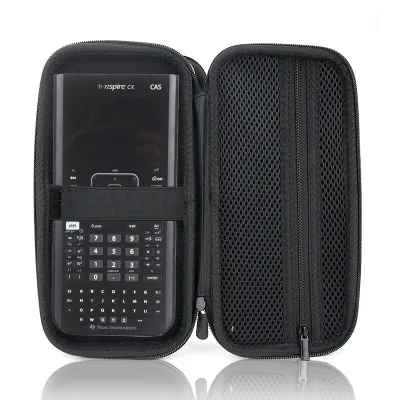
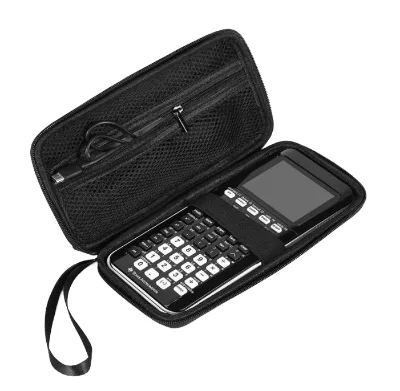


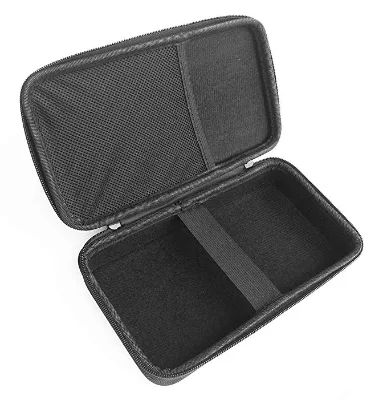
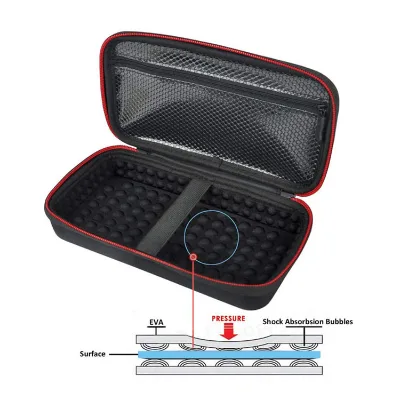
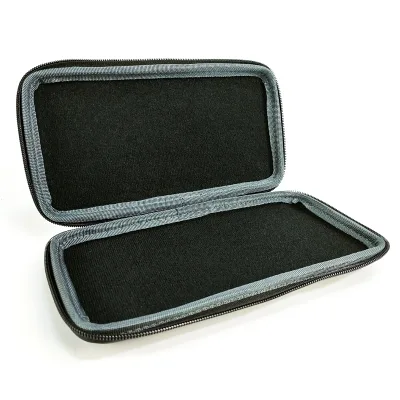
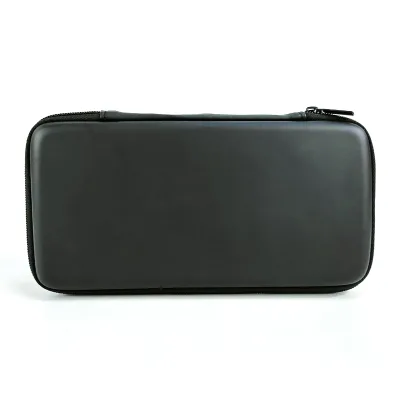
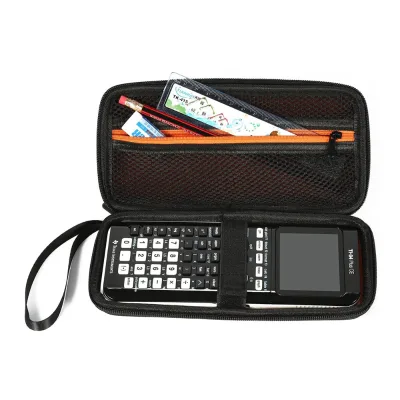
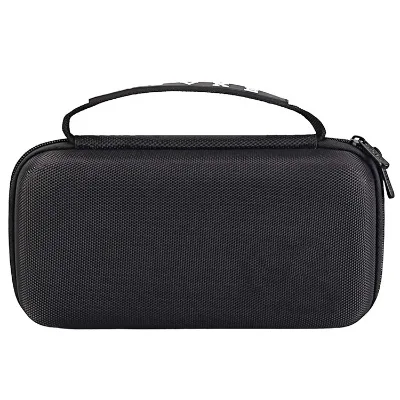
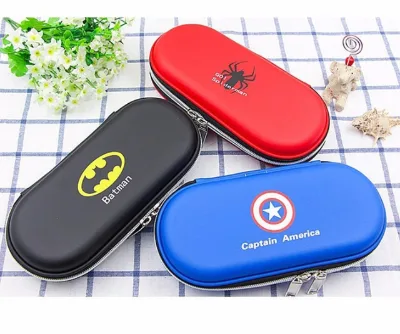
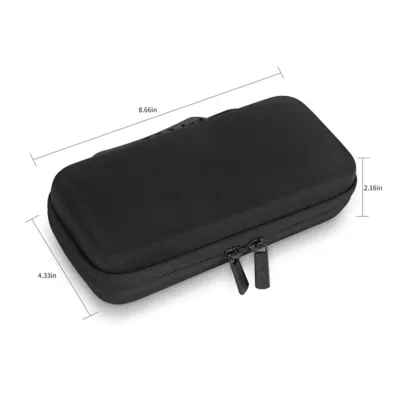
Custom Waterproof Hard Storage EVA Carrying Case Graphing Calculator Case
$3.11 - $5.19
MOQ: 1000 pieces
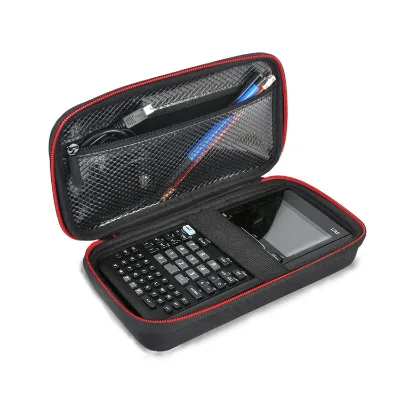


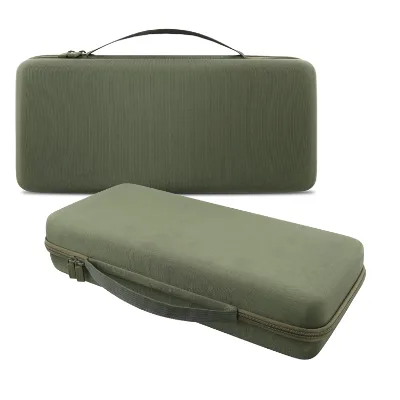
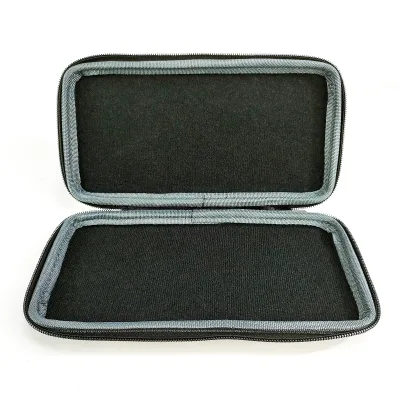
Comprehensive Sourcing Guide
Hard EVA Zipper Calculator Case Sourcing Guide
Procurement professionals seeking hard EVA zipper calculator cases must first distinguish between generic storage solutions and specialized instrument protection. The observed market listings indicate a primary focus on durable, waterproof, and shock-proof containers designed specifically for scientific and financial calculators. Buyers should verify that the product description explicitly mentions "Travel Zipper Hard EVA" to ensure the item meets the structural rigidity required for protecting sensitive electronic instruments during transit.
The supply chain for these cases often originates from manufacturing hubs in Guangdong, China, where suppliers offer both OEM and ODM capabilities. When evaluating listings, buyers must note that while some products feature a single gross weight of 0.3 kg, others may list significantly higher weights, suggesting variations in internal padding or shell thickness. This discrepancy requires careful review of the single package size and material composition to ensure the selected case aligns with the specific dimensions of the calculator being stored.
Product Scope and Observed Listing Signals
Buyers should analyze the observed price range of 0.49 to 5.6 USD to understand the cost implications of different material grades and customization levels. The lower end of this spectrum typically corresponds to basic EVA shells with standard zippers, while higher prices often reflect added features like velvet interiors, custom branding, or reinforced hard shells. It is critical to correlate the listed price with the specific material composition, such as PU+EVA+Velvet combinations, to avoid underestimating the cost of premium protective features.
Listing signals also reveal significant variation in minimum order quantities, ranging from 100 to 1000 pieces depending on the supplier's production capacity and customization requirements. A supplier offering a 100-piece MOQ may provide standard black cases, whereas those requiring 1000 pieces might be positioned for large-scale corporate branding or custom color matching. Procurement teams must align their order volume with these thresholds to secure the most favorable unit pricing and avoid unnecessary inventory costs associated with high MOQs.
Technical Specifications to Verify
Verification of physical dimensions is paramount, as listings specify sizes ranging from 4 to 6 inches to accommodate various calculator models. Buyers must cross-reference the single package size of 20x20x5 cm against the actual dimensions of their instruments to ensure a snug fit that prevents internal shifting. Additionally, the model numbers provided, such as AW240628-3 or DFMEG-2869, serve as unique identifiers for specific design iterations, helping buyers track consistency across different production batches.
Material composition and protective features require rigorous scrutiny to confirm the case meets the intended usage environment. While some specifications list EVA as the primary material, others indicate a composite of nylon, polyester, or canvas, which affects durability and water resistance. Buyers should explicitly confirm the presence of waterproof and shock-proof attributes, as well as the inclusion of a velvet lining, to ensure the case provides adequate protection against moisture and impact during travel or storage.
Compliance and Safety Documentation
Compliance verification should begin with checking for recognized quality management certifications, such as ISO9001:2008, which indicates a supplier's commitment to consistent manufacturing processes. Although some background data mentions ISO 27001:2022, this standard relates to information security rather than product safety, so buyers must prioritize physical product certifications that validate material safety and manufacturing reliability. Relying on suppliers who can provide valid ISO9001 documentation helps mitigate risks associated with inconsistent product quality.
Safety documentation also extends to the materials used in the construction of the case, particularly regarding the absence of harmful substances in the EVA and PU components. Buyers should request material safety data sheets or declarations of conformity to ensure the products meet international safety standards for consumer goods. While specific test results are not universally listed, the presence of a "Water Proof" and "Shock Proof" feature claim necessitates that the supplier can substantiate these performance claims through internal or third-party testing protocols.
Cost Drivers and Commercial Terms
Commercial terms such as EXW, FOB, and CIF significantly influence the final landed cost and logistical responsibility for the buyer. Understanding these trade terms is essential for calculating total procurement expenses, as EXW places the burden of shipping and insurance on the buyer from the factory gate, whereas CIF includes costs up to the destination port. Buyers must evaluate their internal logistics capabilities to determine which term offers the best balance of cost control and risk management for their specific supply chain needs.
Customization options represent another major cost driver, with suppliers offering services like silk printing, embroidery, embossing, and woven labels. The ability to add a customized logo or branding often requires a higher MOQ and longer sample lead times, typically ranging from 5 to 10 working days. Procurement teams should factor in these additional costs and timeframes when planning product launches, ensuring that the budget accommodates both the base unit price and the expenses associated with branding and packaging customization.
Supplier Qualification and Quality Control
Supplier qualification should include an assessment of their production history and capacity, with some manufacturers citing operational experience since 1998. A long-standing factory history often correlates with established quality control systems and the ability to handle large supply volumes, such as the reported 2,000,000 pieces per month capability. Buyers should verify these capacity claims to ensure the supplier can meet demand spikes without compromising on delivery schedules or product consistency.
Quality control processes must be validated through sample approval and inspection protocols before full-scale production begins. Suppliers typically offer sample times of 7 to 10 working days, allowing buyers to physically inspect the zipper functionality, shell hardness, and interior lining quality. It is advisable to request samples that match the exact specifications of the final order, including color matching via Pantone swatches, to prevent discrepancies between the prototype and the bulk shipment.
Long-Term Procurement Checks
Establishing a long-term partnership requires regular audits of the supplier's ability to maintain consistent quality and delivery performance over time. Buyers should implement a system for periodic re-verification of product specifications, ensuring that the material composition and protective features remain unchanged despite potential cost-saving measures by the supplier. Continuous monitoring helps maintain the integrity of the product line and ensures that the calculator cases continue to meet the rigorous standards required for professional use.
Supply chain resilience is another critical factor for long-term procurement, necessitating a review of the supplier's port of dispatch and logistics reliability. With Shenzhen listed as a common port of dispatch, buyers should assess the efficiency of shipping routes and the potential for delays due to port congestion or regulatory changes. Developing a contingency plan that includes alternative suppliers or shipping methods can mitigate risks and ensure a steady supply of essential calculator storage cases for ongoing business operations.
FAQs
What is a Hard EVA Zipper Calculator Case made of?
A Hard EVA Zipper Calculator Case is typically built from an EVA shell, often combined with PU, nylon, polyester, canvas, or a velvet lining for interior protection. The rigid EVA core gives the case its shape and impact resistance, while the fabric exterior and soft lining protect the calculator surface. Materials can usually be customized to match branding or durability requirements.
Can the case protect calculators from water and shocks?
Yes, these cases are designed to be waterproof and shock proof. The hard EVA shell absorbs impacts from drops and bumps, while the closed structure helps keep moisture away from the calculator inside. For demanding travel or camping use, buyers should confirm the exact material combination and zipper construction with the manufacturer, since protection levels vary by model and lining choice.
What sizes are available for hard EVA zipper calculator cases?
Common listed sizes include 4 inch, 5 inch, and 6 inch options, with one reference package size of 20X20X5 cm. Custom dimensions are also possible, since many suppliers accept custom sizes for scientific or financial calculators. Before ordering, confirm the internal dimensions against your calculator model to ensure a snug fit that prevents movement and screen damage during transport.
Can I customize the logo, color, and packaging of the case?
Yes, customization is generally available. Logo options commonly include silk printing, debossing or embossing, embroidery, and woven or sewn labels. Colors can often be matched to a Pantone swatch, and packaging may be tailored, for example each case in an opp bag packed into standard exporting cartons. Provide artwork and quantity requirements early so sample production can reflect your branding accurately.
What is the typical minimum order quantity and sample lead time?
Listed MOQs for this category range from 100 pieces to 1000 pieces depending on the product and customization level. Sample production usually takes about 5 to 10 working days, allowing you to verify material, fit, and logo quality before mass production. Confirm the MOQ that applies to your chosen size, material, and branding method directly with the supplier before placing an order.
How are the cases packed and shipped for export orders?
Standard packing places each case in an opp bag, with cases then packed into customized or standard exporting cartons. Single gross weights are generally light, with one listed example around 0.300 kg per piece. Trade terms such as EXW, FOB, and CIF are commonly offered, and dispatch often occurs through the port of Shenzhen. Confirm carton quantities and gross weight for your order volume.