Find Hard Portable Rectangle Glasses Case for Optical, Sunglasses & Safety Eyewear
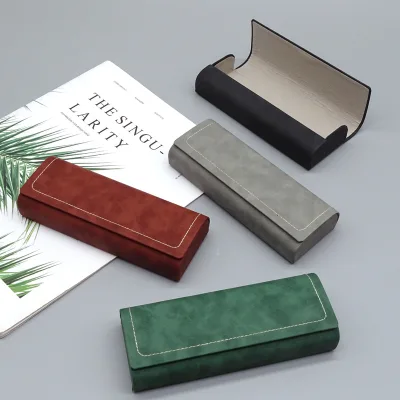
Browse 30 listings for a Hard Portable Rectangle Glasses Case, spanning plastic, EVA, metal, and PU options. Compare materials, sizes, customization, packaging, and pricing across models with different MOQs to match your sourcing needs.
Key considerations
Products List


Custom Design and Logo Eco-Friendly Reading PU Eyewear Glasses Case Hard
$0.68 - $2.80
MOQ: 1000 Pieces
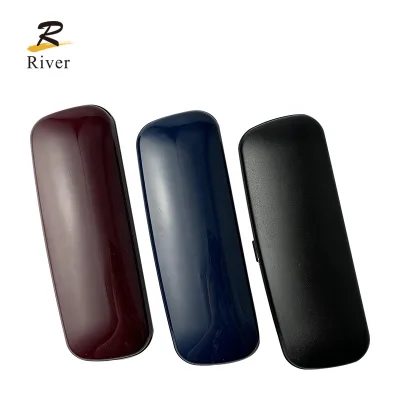
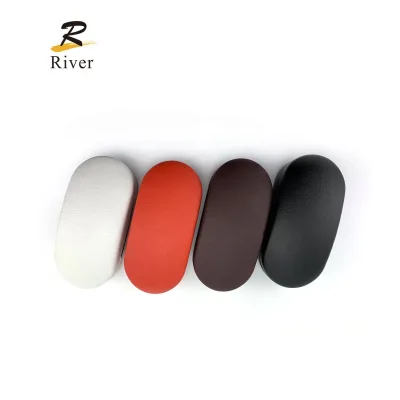
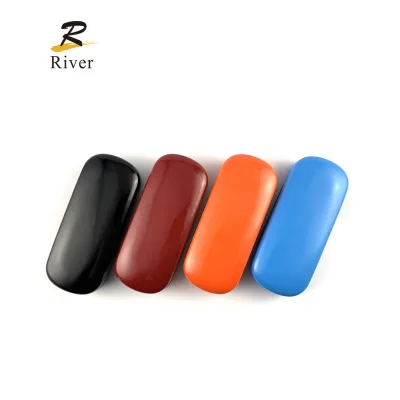
Custom logo outside metal glasses case eyeglasses case with bright color
$0.45 - $0.52
MOQ: 100 pieces



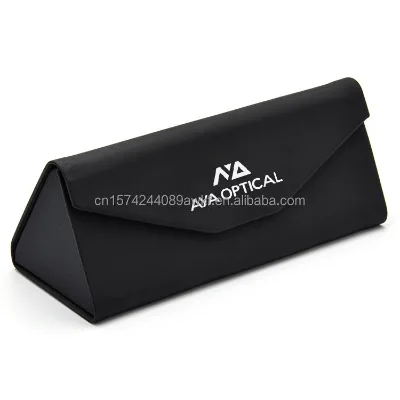
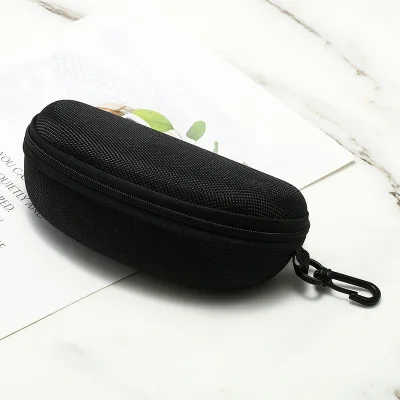

Portable Eyewear Cases Cover Sunglasses Hard Case for Women Men Glasses Box
$2.05 - $4.88
MOQ: 300 Pieces

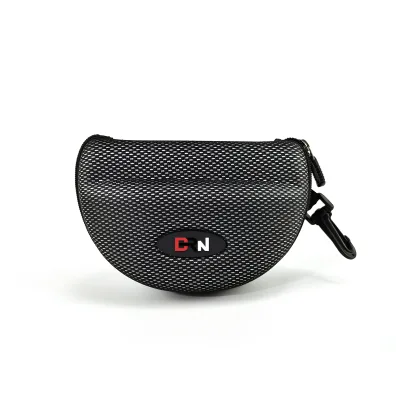
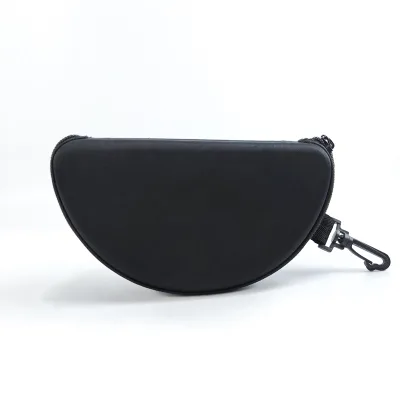


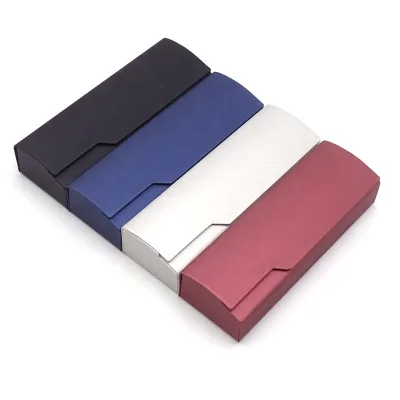

Comprehensive Sourcing Guide
Hard Portable Rectangle Glasses Case Sourcing Guide
Sourcing hard portable rectangle glasses cases requires a nuanced understanding of material science, structural integrity, and supply chain transparency. These cases serve as essential protective accessories for optical and sunglasses, shielding lenses from scratches, impacts, and environmental moisture. The market offers a diverse array of options ranging from rigid plastic and EVA foam to premium PU leather and durable metal constructions. Buyers must navigate this variety by aligning product specifications with their target market’s aesthetic preferences and functional requirements. A successful procurement strategy begins with defining the core use case, whether it is for high-volume retail distribution, luxury branding, or specialized industrial use.
The procurement landscape for these items is characterized by significant variability in customization capabilities and origin locations. Manufacturers in China and Cambodia offer distinct advantages in terms of production scale and material sourcing. While some suppliers provide standardized models with minimal lead times, others specialize in bespoke designs involving custom logos, specific colorways, and unique packaging solutions. Understanding these operational differences is critical for managing inventory levels and meeting customer expectations. Buyers should prioritize suppliers who demonstrate flexibility in OEM/ODM services while maintaining rigorous quality control standards to ensure consistency across large production runs.
Product Scope and Observed Listing Signals
The current market presents a wide spectrum of hard glasses cases, with observed price points ranging from $0.10 to $10.99 USD. This broad range reflects differences in material quality, manufacturing complexity, and branding value. Entry-level options often utilize basic plastic or EVA materials, catering to budget-conscious consumers or promotional giveaways. In contrast, higher-priced items typically feature premium materials such as PU leather, microfiber cloth, or iron frames, often accompanied by advanced finishing techniques like foil stamping or embossing. The observed minimum order quantities (MOQs) vary significantly, spanning from single units for sampling to 2,000 pieces for bulk manufacturing, indicating a market that accommodates both small-batch testers and large-scale distributors.
Listing signals reveal a strong emphasis on customization and structural variety. Many suppliers offer cases that are either folded or unfolded, with some designs specifically engineered to be foldable for enhanced portability. The aesthetic options are equally diverse, including simple, patterned, and commercial styles, with color choices extending beyond standard black and white to include brown, coffee, and red. Some listings highlight specific models such as the Y-124, Y-120, and Y-121, while others focus on material-specific identifiers like "Leather Glasses Case" or "Metal Glasses Case." These signals suggest that buyers should not assume uniformity across listings; instead, they must carefully review each product’s unique attributes to ensure alignment with their brand identity and functional needs.
Technical Specifications to Verify
Material composition is the primary determinant of a case’s durability and protective capability. Buyers must verify whether the outer shell is constructed from plastic, EVA, PU leather, or iron, as each material offers distinct advantages in terms of weight, impact resistance, and aesthetic appeal. For instance, iron cases provide superior rigidity and a premium feel, while EVA cases offer lightweight flexibility and shock absorption. The interior lining is equally important, with options ranging from soft flocking cloth and flannelette to microfiber and cotton. These materials protect delicate lenses from scratches and ensure a snug fit. Buyers should request detailed material breakdowns to confirm that the inside and outside materials meet their specific protection and comfort standards.
Dimensional accuracy and structural design are critical for ensuring compatibility with various eyewear types. Standard dimensions observed in the market include 1556525mm for leather cases and 16.56.54cm for metal cases, though customized sizes are frequently available. The hardness of the case, described as partial hard or fully rigid, impacts its portability and protective performance. Buyers should verify the exact internal dimensions to ensure the case accommodates the thickness and width of their target eyewear. Additionally, features such as waterproofing, logo printing capabilities, and folding mechanisms should be confirmed through physical samples or detailed technical drawings. These specifications directly influence the user experience and the product’s suitability for specific use cases, such as travel or daily carry.
Compliance and Safety Documentation
Regulatory compliance is a non-negotiable aspect of sourcing hard glasses cases, particularly when targeting international markets. Suppliers may hold certifications such as SGS, Reach, BV, and BSCI, which attest to product safety, environmental standards, and ethical labor practices. Buyers must verify the validity and scope of these certifications, ensuring they cover the specific materials and manufacturing processes used in production. For example, Reach compliance is crucial for products entering the European Union, while BSCI certification demonstrates adherence to social responsibility standards. Requesting up-to-date certification documents is essential to mitigate legal risks and ensure market access.
Beyond formal certifications, buyers should inquire about material safety and chemical restrictions. Materials such as PU leather and plastics may contain substances that are regulated in certain jurisdictions. Suppliers should provide material safety data sheets (MSDS) or declarations of conformity to confirm that their products are free from harmful chemicals like phthalates or heavy metals. Additionally, packaging materials should be evaluated for compliance with recycling and waste management regulations. Understanding these regulatory requirements helps buyers avoid costly recalls and reputational damage. Proactive engagement with suppliers regarding compliance ensures that the final product meets all necessary legal and ethical standards in the destination market.
Cost Drivers and Commercial Terms
The cost of hard glasses cases is influenced by several key factors, including material selection, customization complexity, and order volume. Premium materials such as iron and PU leather inherently carry higher costs compared to standard plastic or EVA. Customization features, such as custom logos, specific colorways, and unique packaging, add to the production expense. Suppliers offering custom packaging solutions, such as PVC boxes or branded cartons, may charge additional fees for design and setup. Buyers should analyze the total cost of ownership, considering not just the unit price but also the costs associated with customization, packaging, and logistics.
Commercial terms, including MOQs and payment conditions, play a significant role in procurement planning. The observed MOQ range of 1 to 2,000 pieces allows for flexibility, but higher volumes often result in better unit pricing. Buyers should negotiate terms that align with their cash flow and inventory management strategies. Lead times can vary based on the complexity of the order and the supplier’s production capacity. It is advisable to clarify lead times for both sampling and bulk production to ensure timely delivery. Additionally, buyers should discuss shipping terms and responsibilities to avoid unexpected costs. Clear communication regarding commercial terms helps establish a transparent and mutually beneficial partnership with suppliers.
Supplier Qualification and Quality Control
Evaluating supplier qualifications is essential for ensuring consistent product quality and reliable service. Buyers should assess suppliers based on their production capabilities, quality control processes, and track record. Suppliers with established quality management systems are more likely to deliver products that meet specified standards. Inquiring about their inspection procedures, such as pre-production samples, in-line checks, and final random inspections, provides insight into their commitment to quality. Suppliers who offer OEM/ODM services should also demonstrate strong design and engineering capabilities to support custom projects.
Quality control extends beyond the final product to include packaging and labeling accuracy. Buyers should verify that suppliers adhere to agreed-upon packaging standards, such as using 1PC in PVC boxes or custom packaging as specified. Mislabeling or incorrect packaging can lead to customer dissatisfaction and logistical issues. Establishing clear quality acceptance criteria and conducting regular audits or third-party inspections can help maintain high standards. Building a relationship with suppliers who prioritize quality and transparency reduces the risk of defects and ensures that the final product aligns with brand expectations. Effective supplier management is key to long-term procurement success.
Long-Term Procurement Checks
Sustaining a successful sourcing strategy requires ongoing monitoring and evaluation of supplier performance. Buyers should regularly review key performance indicators such as on-time delivery rates, product defect rates, and responsiveness to issues. Establishing a feedback loop with suppliers allows for continuous improvement and addresses any emerging challenges promptly. Regularly updating product specifications and market requirements ensures that the sourced cases remain relevant and competitive. Buyers should also stay informed about changes in regulations, material availability, and industry trends to adapt their sourcing strategies accordingly.
Building a diversified supplier base can mitigate risks associated with single-source dependencies. Engaging with multiple suppliers provides flexibility in case of production delays or quality issues. Additionally, fostering strong relationships with suppliers can lead to better pricing, priority production slots, and collaborative innovation. Buyers should periodically reassess their supplier portfolio to ensure it aligns with their strategic goals and market demands. Long-term procurement success is built on trust, transparency, and a commitment to continuous improvement. By maintaining rigorous checks and fostering collaborative partnerships, buyers can secure a reliable supply of high-quality hard portable rectangle glasses cases.
FAQs
What materials are used for hard portable rectangle glasses cases?
Hard portable rectangle glasses cases are commonly made from plastic, EVA, PU leather, or iron. Plastic and EVA offer lightweight durability, while PU leather provides a premium aesthetic. Iron cases are typically waterproof and feature partial hardness for robust protection.
Can I customize the logo and color of the glasses case?
Yes, customization is available for logos and colors. Suppliers support custom logo printing through foil stamping, embossing, or screen printing. Colors can be customized, with standard options including black, coffee, red, and white, or specific shades requested by the buyer.
What are the standard dimensions for these glasses cases?
Standard dimensions vary by model, with common sizes including 155*65*25mm, 16*6.6*6.6cm, and 16.5*6.5*4cm. Many suppliers offer customized sizes to fit specific optical glasses or sunglasses, ensuring a precise fit for different frame types.
Which certifications are available for these products?
Suppliers may provide certifications such as SGS, Reach, BV, and BSCI. These certifications verify compliance with international safety and quality standards, which is essential for buyers importing products into regulated markets or requiring verified supplier audits.
What packaging options are available for bulk orders?
Packaging options include standard boxes, PVC boxes, or custom packages. Buyers can request specific packing configurations to suit their retail or logistics needs. Customized packing is often available to align with brand requirements or shipping constraints.
Are these glasses cases suitable for both men and women?
Yes, these cases are generally unisex and suitable for general use. They are designed to protect optical glasses and sunglasses regardless of gender. The simple style and neutral colors make them versatile for a wide range of consumers.
What is the typical MOQ for ordering these cases?
The minimum order quantity varies by supplier, with observed ranges from 1 to 2000 units. Small MOQs are often available for sampling or small-batch testing, while larger quantities may be required for standard production runs to optimize manufacturing costs.