Source Hard Square Sunglasses Case for Travel, Sports, and Storage
Compare 30 Hard Square Sunglasses Case options featuring PU, EVA, and velvet materials. Evaluate shockproof designs, custom logo capabilities, and bulk pricing from Chinese manufacturers to find the ideal protective eyewear solution; compare the available evidence and request quotations based on your requirements.
Key considerations
Products List
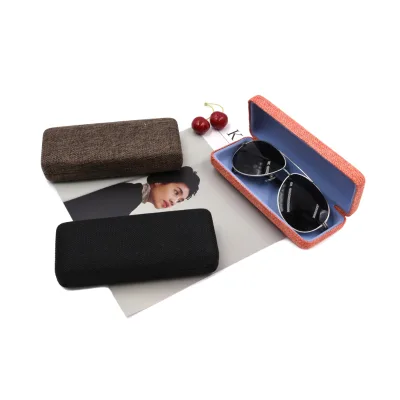


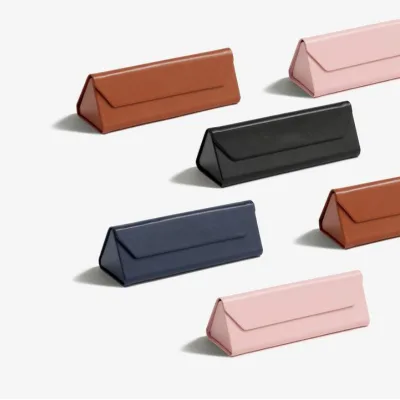

Portable Eyewear Cases Cover Sunglasses Hard Case for Women Men Glasses Box
$2.05 - $4.88
MOQ: 300 Pieces


Custom Eyeware Sleeve Storage Bag Black Leather Sunglasses Case with Closure
$0.35 - $1.99
MOQ: 300 Pieces


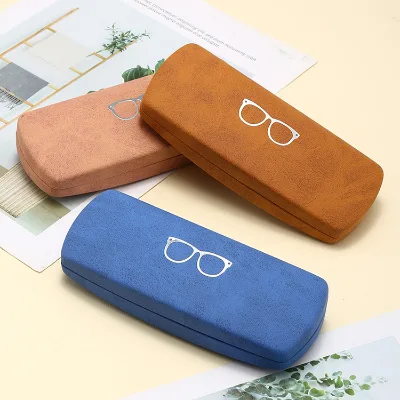


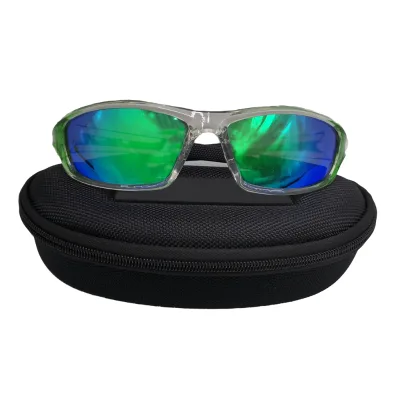


Comprehensive Sourcing Guide
Hard Square Sunglasses Case Sourcing Guide
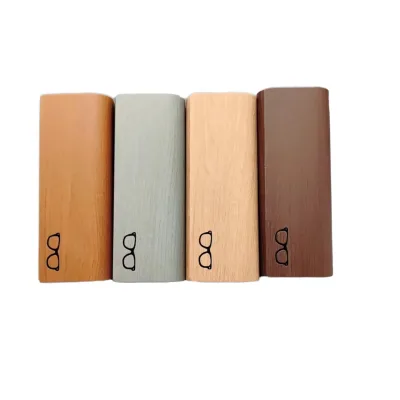
Procuring hard square sunglasses cases requires balancing structural rigidity with aesthetic appeal, as the primary function is to protect eyewear from impact and crushing during transit. Buyers must verify that the case dimensions align with standard frame sizes while ensuring the exterior material offers sufficient abrasion resistance. The observed market data indicates a prevalence of PU and EVA composites, which provide a durable shell while maintaining a lightweight profile for daily carry.
Commercial listings reveal significant variation in closure mechanisms and interior linings, necessitating a clear definition of requirements before engaging suppliers. While some units feature buckle closures for secure fastening, others may rely on magnetic or snap-fit designs that offer different user experiences. It is critical to confirm whether the interior lining is velvet, cotton, or polyester, as these materials directly influence the scratch resistance and perceived luxury of the final product.
Product Scope and Observed Listing Signals
The product scope for hard square sunglasses cases encompasses a range of styles from luxury to modern fashion, often targeting unisex demographics for both sports and travel applications. Market observations show that while some listings specify a "Middle" size, others provide exact dimensions like 16x10x6cm, which buyers must cross-reference against their specific inventory needs. The material composition frequently combines a hard outer shell with soft internal padding to ensure the glasses remain secure and undamaged.
Listing signals indicate that customization is a dominant feature, with many suppliers accepting logo printing via embossing, silkscreen, or metal tablets. However, buyers should note that some entries explicitly state "Without Logo Printing" while others offer "With Logo Printing," creating a potential confusion point that requires immediate clarification. Additionally, waterproof capabilities vary significantly across listings, with some products claiming full waterproof protection while others are explicitly marked as not waterproof, demanding careful selection based on intended usage environments.
Technical Specifications to Verify
Buyers must rigorously verify the hardness rating of the case shell, as the market data distinguishes between "Partial Hard" and fully rigid structures. The internal material composition is equally critical, with options ranging from cotton to polyester and velvet, each offering different levels of cushioning and friction reduction. Ensuring the correct combination of surface materials, such as 1680d/600d nylon or PU, is essential for achieving the desired balance between durability and weight, which typically falls under 0.5 kg for portable models.
Dimensional accuracy and closure integrity are paramount technical checks, as the case must accommodate specific frame widths without being overly bulky. The presence of a carrying strap or specific carrying style should be confirmed to ensure the product meets the logistical needs of the end-user. Furthermore, verifying the exact model number and standard specifications provided by the supplier helps prevent mismatches between the ordered prototype and the final mass-produced units.
Compliance and Safety Documentation
While specific certification documents are not explicitly detailed in the provided product facts, buyers should request evidence of material safety compliance for all plastics and textiles used in the case construction. The use of EVA and PU materials necessitates verification that these components meet relevant chemical safety standards for consumer goods, particularly regarding phthalates and heavy metals. Ensuring that the lining materials are free from harmful substances is crucial for maintaining brand reputation and adhering to international import regulations.
Safety documentation should also address the mechanical integrity of the closure system, ensuring that buckles or snaps do not pose a choking hazard or sharp edge risk. Although the listings mention features like shockproof capabilities, buyers must ask for test reports or third-party validation that substantiates these performance claims. Without explicit test results in the source data, relying on supplier declarations without independent verification poses a risk to product safety and liability coverage.
Cost Drivers and Commercial Terms
Cost drivers for hard square sunglasses cases are heavily influenced by the complexity of customization, including logo application methods and the selection of premium interior linings. The observed MOQ ranges from 50 to 1000 pieces, with some suppliers setting a baseline of 500 pieces, which significantly impacts the unit price and initial capital outlay. Buyers must evaluate whether the lower MOQ options compromise the quality of the mold or the consistency of the production run, as smaller batches often incur higher per-unit costs.
Commercial terms regarding lead times and sample costs require careful negotiation, as delivery windows vary from 15 to 30 days depending on order confirmation and customization needs. Sample costs are sometimes waived for stock items, but custom molds may incur additional fees that the buyer must absorb. Understanding the payment structure and the specific delivery timeline is essential for planning inventory replenishment and avoiding stockouts during peak sales seasons.
Supplier Qualification and Quality Control
Supplier qualification should focus on their capacity for OEM and ODM services, as the market data confirms that most manufacturers accept custom orders for branding and design. Buyers must assess the supplier's ability to maintain consistent quality across different production batches, particularly when dealing with mixed materials like PU and velvet. Verifying the supplier's location, such as Jiangsu, China, can provide insights into their logistical capabilities and familiarity with export procedures for the target market.
Quality control protocols must include a rigorous inspection of the case dimensions, closure functionality, and interior lining adhesion before shipment. Since the listings mention specific packing standards like 1 piece per bag and 40 pieces per export carton, buyers should ensure these packaging methods protect the product during transit. Establishing a clear acceptance criteria for defects, such as misaligned logos or damaged shells, is vital to maintaining the high standards expected of luxury and fashionable eyewear accessories.
Long-Term Procurement Checks
Long-term procurement success depends on establishing a reliable supply chain that can adapt to changing design trends and volume fluctuations. Buyers should regularly audit the supplier's production capacity and lead time consistency to ensure they can meet demand spikes without compromising quality. Maintaining open communication regarding material availability and potential supply chain disruptions is essential for mitigating risks associated with long-term contracts.
Continuous monitoring of product performance in the field will provide valuable feedback on the durability and user satisfaction of the hard square sunglasses cases. Collecting data on return rates and customer complaints regarding closure failures or material wear will help refine future specifications and supplier selection. By treating product attributes as observations rather than absolute claims, buyers can iteratively improve their sourcing strategy and ensure a steady supply of high-quality eyewear protection.
FAQs
What materials are used in hard square sunglasses cases?
These cases typically combine PU, EVA, and velvet for the exterior, with cotton or polyester linings. This multi-layer construction provides partial hardness and shockproof protection. The materials ensure durability while maintaining a fashionable and modern style suitable for daily use and travel.
Can I customize the logo on these eyeglass cases?
Yes, customized logos are available for these products. Suppliers accept various printing methods including embossed, silkscreen, metal tablet, and rubber options. This OEM and ODM capability allows buyers to brand the cases effectively for their specific market needs and corporate identity requirements.
What is the typical lead time for production?
Production times generally range from 20 to 30 days after order confirmation. Sample preparation usually takes 5 to 7 days, with stock samples often provided free of charge. Buyers should account for these timelines when planning inventory replenishment or new product launches.
Are these cases waterproof for outdoor sports use?
Waterproof capabilities vary by specific model. Some versions are explicitly designed to be waterproof and shockproof, making them suitable for sports and travel. Others are not waterproof, so buyers must verify the specific product attributes to ensure the case meets their environmental protection needs.
What are the standard packaging details for bulk orders?
Cases are typically packed one piece per bag, with 40 pieces per export carton. This standard packing method ensures efficient shipping and storage. Buyers should confirm the exact packing specifications with suppliers to align with their logistics requirements and minimize damage during transit.
What is the minimum order quantity for these cases?
MOQs vary significantly, ranging from 50 pieces to 1000 pieces depending on the supplier and customization level. Some vendors offer lower MOQs for stock items, while customized orders may require higher volumes. Buyers should check specific product listings to find the most suitable quantity threshold.